
Are you tired of guessing your ingredient measurements and ending up with recipes that don’t turn out quite right? Using a smart kitchen scale can change the way you cook and bake, making your results more precise and your process much easier.
But to get the most out of your smart scale, you need to use it correctly. You’ll discover simple tips that help you use your smart kitchen scale accurately every time. Keep reading, and you’ll unlock the secret to perfect portions, better nutrition tracking, and flawless meals.
Choosing The Right Scale
Smart kitchen scales help measure ingredients with ease. Choosing the right one improves your cooking and baking accuracy.
Picking a scale that fits your needs makes it simple to track nutrition and portion sizes.
Features To Look For
Look for a scale with easy-to-read display and precise measurements. A tare function resets weight to zero after adding containers.
Consider scales with multiple units like grams, ounces, and milliliters. Some models have timers and calorie counters.
- Clear digital display
- High precision sensors
- Tare function for containers
- Multiple measurement units
- Additional features like timers
Compatibility With Devices
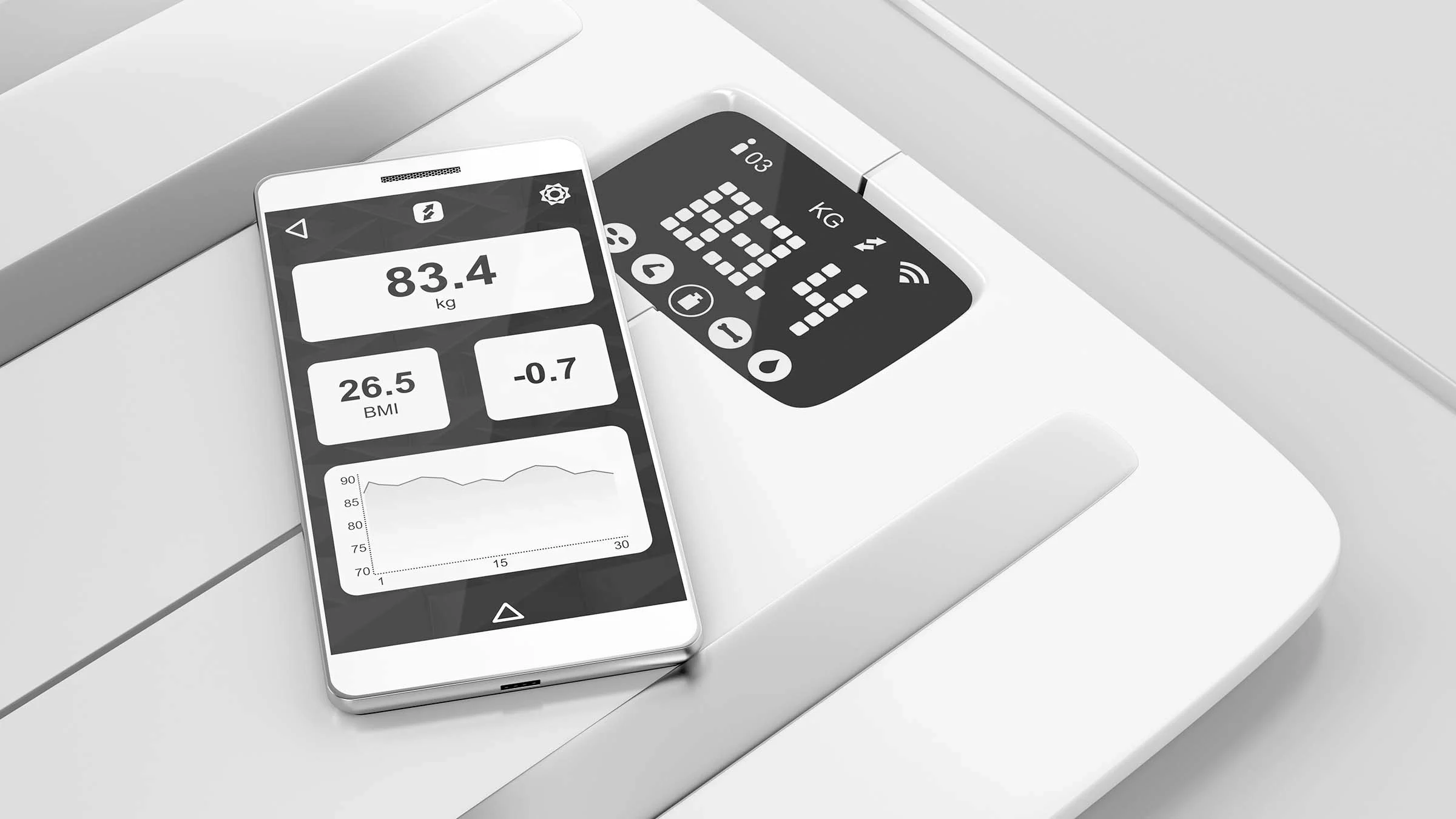
Check if the scale connects with your smartphone or tablet. Bluetooth or Wi-Fi options help sync data to apps.
App compatibility allows tracking nutrition and recipes. Make sure your device supports the scale’s app or software.
- Bluetooth or Wi-Fi connection
- Works with iOS and Android devices
- Compatible with popular nutrition apps
- Easy app installation and setup
Proper Placement
Using a smart kitchen scale correctly needs careful placement. Proper placement helps get accurate weight measurements.
Small mistakes in where you place the scale can cause wrong readings. This guide explains key placement tips.
Level Surface Importance
Always put your smart scale on a flat and level surface. This stops the scale from tilting and giving false numbers.
Uneven surfaces make the scale balance poorly. This can change the weight you see on the screen.
- Use a kitchen counter or table that is stable
- Check the surface with a bubble level if possible
- Avoid placing the scale on thick cloth or soft mats
- Make sure the scale does not rock or move
Avoiding Heat And Moisture
Keep the smart scale away from heat sources like stoves or ovens. Heat can affect the scale’s sensors.
Moisture from sinks or steam can damage the scale or cause wrong readings. Place the scale where it stays dry.
- Do not place the scale near boiling pots or pans
- Keep it away from sinks and areas with water splashes
- Wipe the scale dry if any liquid spills on it
- Store the scale in a dry place when not in use
Calibration Techniques
Smart kitchen scales must be accurate for best results. Calibration helps keep measurements correct.
Regular calibration ensures your scale gives reliable data every time you use it.
Using Calibration Weights
Calibration weights are special weights that help adjust your scale. They provide a known mass to test accuracy.
Use weights that match the scale’s capacity for best calibration results. Place the weight gently on the scale.
- Turn on the scale and enter calibration mode
- Place the calibration weight on the scale surface
- Wait for the scale to register the weight
- Follow the scale’s instructions to complete calibration
Regular Calibration Schedule
Set a regular time to calibrate your scale. This keeps measurements steady and reliable over time.
Calibrate before heavy use or if the scale moves or is bumped. Also check after changing batteries.
- Calibrate once a month if used often
- Calibrate after moving the scale
- Calibrate after replacing batteries
- Calibrate if measurements seem off

Credit: www.cnn.com
Understanding Units Of Measurement
Smart kitchen scales can measure weight in different units. Using the right unit helps get accurate results.
Common units include grams, ounces, pounds, and milliliters. Knowing when to use each unit improves your cooking.
Switching Between Units
Most smart scales let you switch units easily. This feature helps you follow recipes from different countries.
Look for a button or setting to change the unit. Choose grams for baking and ounces for cooking meat.
- Grams (g) for precise baking measurements
- Ounces (oz) for general cooking and portion sizes
- Pounds (lb) for heavier items
- Milliliters (ml) for liquids
Using Tare Function
The tare function resets the scale to zero. Use it to subtract the weight of containers or bowls.
Place your container on the scale, press tare, then add ingredients. The scale shows only the ingredient weight.
- Put the empty container on the scale
- Press the tare button to reset to zero
- Add your ingredient and read its exact weight
Maintaining Your Scale
Keeping your smart kitchen scale in good shape helps it work well for a long time. Regular care stops mistakes and saves you money.
Simple steps like cleaning and managing batteries make a big difference. This guide shows you how to do that easily.
Cleaning And Storage Tips
Clean your scale often to avoid dirt buildup. Use a soft cloth with mild soap and water. Do not soak the scale or use harsh cleaners.
Store your scale in a dry, cool place. Avoid putting heavy items on it. Keep it away from heat and moisture to prevent damage.
- Wipe with a damp cloth after each use
- Do not immerse in water
- Keep scale covered or in a box when not used
- Store flat on a stable surface
- Avoid placing near stoves or sinks
Battery Management
Check your scale’s batteries regularly to keep it working well. Replace old batteries before they run out completely.
Remove batteries if you won’t use the scale for a long time. This stops battery leaks that can harm the device.
- Use the type of batteries recommended by the manufacturer
- Change batteries when the scale shows low power
- Take out batteries if storing the scale for months
- Clean battery contacts if you see corrosion
Utilizing Smart Features
Smart kitchen scales have features that help with cooking and health tracking. Using these features correctly makes your cooking easier.
These scales connect to apps and track nutrition. Learning to use these functions will improve your kitchen experience.
Connecting To Apps
Smart kitchen scales often link with mobile apps. This connection lets you save measurements and recipes.
To connect, turn on Bluetooth on your phone. Open the scale’s app and follow its pairing instructions.
- Keep your phone close to the scale during setup
- Update the app regularly for new features
- Use the app to control the scale remotely
Tracking Nutritional Information
Many smart scales show calories and nutrients for foods you weigh. This helps with diet and meal planning.
Enter the food type in the app or scan barcodes if available. The scale will calculate nutrition based on weight.
- Use the scale before cooking for accurate data
- Check the app’s food database for variety
- Save frequent foods for quick access
Troubleshooting Common Issues
Smart kitchen scales make cooking easier. Sometimes, they may give wrong readings or lose connection.
Knowing how to fix these problems helps you use your scale accurately every time.
Inconsistent Readings
Inconsistent readings happen when the scale shows different weights for the same item. This makes measuring hard.
Check if the scale is on a flat, stable surface. Uneven surfaces cause wrong numbers.
- Make sure the scale is clean and dry before use
- Remove any objects on the scale before turning it on
- Calibrate the scale regularly using the instructions
- Replace batteries if the screen is dim or flickering
- Avoid using the scale near strong magnets or metal objects
Connectivity Problems
Smart scales connect to phones or tablets using Bluetooth or Wi-Fi. Sometimes the connection fails.
Check if your device’s Bluetooth or Wi-Fi is on. Turn it off and on again to reset the connection.
- Keep your scale close to your phone or tablet
- Restart the smart scale by turning it off and on
- Update the scale’s app to the latest version
- Forget the scale in your device’s Bluetooth settings, then pair again
- Make sure no other devices are connected to the scale at the same time
Credit: www.goodrx.com
:max_bytes(150000):strip_icc()/faw-oxo-good-grips-11lb-stainless-steel-food-scale-pull-out-display-nsimpson-47-fddd2161f20f4bfe982395c1f4676b34.jpeg)
Credit: www.foodandwine.com
Frequently Asked Questions
How Do I Calibrate A Smart Kitchen Scale Correctly?
To calibrate, place the scale on a flat surface. Use the calibration weight specified in the manual. Follow the scale’s instructions carefully for accurate measurement.
Can Smart Kitchen Scales Measure Liquids Accurately?
Yes, most smart kitchen scales can measure liquids. Use the tare function to zero the container’s weight before pouring the liquid for precise results.
What Are Common Mistakes When Using Smart Kitchen Scales?
Common mistakes include not calibrating, placing scales on uneven surfaces, and ignoring the tare function. Avoid these for accurate measurements every time.
How To Maintain Accuracy In Smart Kitchen Scales?
Keep the scale clean and dry. Avoid overloading the scale beyond its limit. Regularly recalibrate to maintain precision and optimal performance.
Conclusion
Using smart kitchen scales correctly makes cooking easier and more precise. Always place the scale on a flat surface before weighing. Tare the scale to subtract container weight for accurate measures. Avoid moving the scale during use to keep numbers steady.
Clean the scale gently after each use to maintain its function. Regular practice helps you get comfortable with your smart scale. These small steps improve your cooking results every time. Simple habits lead to better meals and less waste. Trust your smart scale for consistent, easy measurements in the kitchen.