
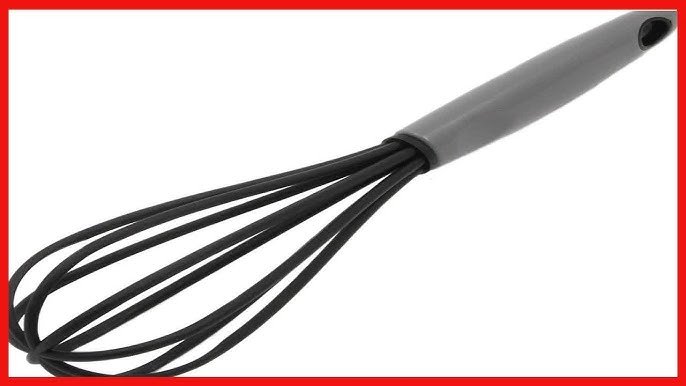
Choosing the right whisk can change the way you cook and bake. You might think all whisks are the same, but the truth is, the one you pick can make your mixing easier, faster, and more effective.
Whether you’re beating eggs, whipping cream, or stirring sauces, the perfect whisk is waiting for you. Keep reading, and you’ll discover simple tips to find the whisk that fits your kitchen and your cooking style perfectly. Your next great meal starts with the right tool in your hand.

Credit: misen.com
Types Of Whisks
Whisks are kitchen tools used to mix ingredients smoothly. They help add air and blend liquids well.
Different types of whisks serve different purposes. Choosing the right whisk can make cooking easier.
Balloon Whisk
The balloon whisk has thin wires shaped like a balloon. It is wide and round, good for whipping.
This whisk works well for whipping cream or beating eggs. It adds air quickly to make fluffy mixtures.
Flat Whisk
The flat whisk has flat wires arranged in a loop. It is good for stirring sauces and gravies.
This whisk fits well in shallow pans. It helps mix ingredients smoothly without splashing.
French Whisk
The French whisk looks like a balloon whisk but has longer wires. It is slimmer and more flexible.
This whisk is good for mixing batters and sauces. It helps blend ingredients evenly without overworking.
Ball Whisk
The ball whisk has wires ending with small balls. The balls help reach corners in pots and pans.
This whisk is good for stirring thick mixtures. The balls prevent scratching and improve mixing.

Credit: www.amazon.com
Material Considerations
Choosing the right material for your whisk is important. The material affects how long it lasts and how it works with your cookware.
Think about what you will use the whisk for and the types of pots or pans you have. This will help you pick the best material.
Stainless Steel
Stainless steel whisks are strong and last a long time. They work well for heavy mixing and beating eggs or batter.
This material can handle heat well. It is good for use in hot pots and pans but may scratch non-stick surfaces.
- Durable and rust-resistant
- Great for thick mixtures
- Not safe for non-stick cookware
Silicone
Silicone whisks are soft and flexible. They do not scratch pots or pans, making them safe for non-stick surfaces.
They handle heat well but may not be as strong as metal whisks. Silicone whisks are easy to clean and often dishwasher safe.
- Safe for non-stick cookware
- Flexible and heat resistant
- Less sturdy for thick mixtures
Plastic Options
Plastic whisks are light and affordable. They are best for light mixing tasks like whipping cream or eggs.
Plastic can melt if used on high heat. Choose plastic whisks with heat-resistant labels for safety.
- Lightweight and budget-friendly
- Good for gentle mixing
- May not withstand high heat
Size And Length Factors
Choosing the right whisk size and length helps you cook better. The size affects how fast you mix. The length helps reach into different bowls or pots.
Think about what you usually cook and the size of your containers. This will guide you to pick the best whisk for your kitchen.
Short Whisks
Short whisks are easy to control. They work well in small bowls or cups. Their size makes quick mixing simple.
Use short whisks for tasks like beating eggs or stirring sauces. They fit well in tight spaces and prevent splashing.
Long Whisks
Long whisks reach deep into tall pots and pitchers. They help mix large amounts of liquid smoothly. Their length keeps your hands away from heat.
Long whisks are good for making soups, gravies, and batters. They allow you to stir without spilling or burning yourself.
Miniature Versions
Miniature whisks are tiny tools for small jobs. They fit well in small containers like espresso cups or jars. These whisks are great for mixing dressings or small amounts of ingredients.
Mini whisks give you control for precise mixing. They are easy to store and perfect for quick tasks.
Ergonomic Designs
Choosing a whisk with an ergonomic design helps reduce hand strain. It makes mixing easier and more comfortable.
An ergonomic whisk fits well in your hand. It supports long use without causing discomfort or pain.
Handle Comfort
The handle should feel soft and secure in your hand. A good grip stops slipping and improves control.
Look for handles made from rubber or silicone. These materials provide a cushioned, non-slip surface.
- Soft materials reduce hand fatigue
- Textured surfaces prevent slipping
- Rounded shapes fit natural hand curves
Weight Balance
A well-balanced whisk feels steady in your hand. It lets you mix without extra effort or wrist strain.
Check if the whisk’s weight spreads evenly between handle and whisk head. This balance improves control.
- Lightweight handles make stirring easier
- Even weight helps avoid wrist fatigue
- Balanced design improves whisking speed
Purpose And Usage
Choosing the right whisk helps you cook and bake better. Different whisks serve different kitchen jobs.
Knowing the purpose of each whisk makes cooking easier and faster.
Baking Applications
Whisks are important for mixing batter and whipping cream in baking. Balloon whisks work well here.
They add air to mixtures, making cakes fluffy and light.
- Use balloon whisks for cake batter and egg whites
- Flat whisks help mix sauces for desserts
- Smaller whisks are good for frosting and glazes
Cooking Needs
In cooking, whisks help mix sauces, soups, and dressings smoothly. A flat or French whisk fits well.
They prevent lumps and blend ingredients evenly.
- Flat whisks work well in shallow pans
- French whisks mix thicker sauces
- Balloon whisks are good for light mixing tasks
Specialty Tasks
Some whisks are made for special kitchen jobs. Spiral whisks reach corners and edges easily.
They cleanly mix small amounts or thick mixtures.
- Spiral whisks are great for sauces in narrow pans
- Ball whisks help mix sticky or heavy batters
- Mini whisks are perfect for small bowls or dressings

Credit: www.amazon.com
Care And Maintenance
Keeping your whisk clean helps it last longer and work better. Proper care stops rust and damage.
Learn simple ways to clean and store your whisk to keep it in good shape.
Cleaning Methods
Wash your whisk right after use to stop food from hardening on it. Use warm water and mild soap.
For stubborn food, soak the whisk in warm soapy water for a few minutes. Use a brush to clean between the wires.
- Rinse thoroughly to remove soap
- Dry well to prevent rust
- Avoid harsh scrubbers that bend wires
- Dishwasher safe only if the whisk says so
Storage Tips
Store your whisk in a dry place to avoid rust and damage. Keep it away from heavy items that can bend it.
Hang your whisk or place it in a utensil holder to keep its shape. Avoid cramped drawers where wires can get tangled.
- Hang on hooks for easy access and air drying
- Use a tall container for upright storage
- Keep away from moisture and heat
- Check regularly for bent wires or rust spots
Budget And Brand Insights
Choosing the right whisk depends on your budget and the brand you trust. A good whisk helps you mix ingredients easily.
Knowing affordable and premium options can guide your purchase. Brand reputation also matters for quality and durability.
Affordable Choices
Affordable whisks work well for basic kitchen tasks. They usually come in stainless steel or silicone.
These options suit beginners or those on a tight budget. You can find them in many stores or online.
- Stainless steel whisks are sturdy and easy to clean
- Silicone whisks are gentle on non-stick pans
- Look for whisks with comfortable handles
Premium Options
Premium whisks offer better materials and design. They last longer and feel comfortable in hand.
These whisks often have ergonomic handles and fine wire loops. They are ideal for serious cooks.
- Use high-grade stainless steel for strength and rust resistance
- Handles made of wood or silicone add comfort
- Look for whisks with balanced weight and flexibility
Trusted Brands
Trusted brands make whisks that many cooks rely on. They focus on quality and good customer service.
Brands with positive reviews offer products that last. They often test their whisks for performance.
- Check if the brand offers a warranty
- Look for brands known for kitchen tools
- Read reviews to see how the whisk performs over time
Frequently Asked Questions
What Types Of Whisks Are Best For Different Tasks?
Different whisks suit specific tasks. Balloon whisks are great for whipping cream. Flat whisks work well for sauces. Spiral whisks help with blending. Choose based on your cooking needs for best results.
How Do I Choose The Right Whisk Size?
Choose whisk size based on bowl size. Smaller whisks fit small bowls and cups. Larger whisks suit big mixing bowls. The right size improves efficiency and comfort while whisking.
Which Materials Make The Best Durable Whisks?
Stainless steel whisks are durable and rust-resistant. Silicone-coated whisks prevent scratching non-stick cookware. Choose materials that match your cooking style and maintain long-lasting performance.
Can Whisk Handle Design Affect Usability?
Yes, handle design impacts comfort and grip. Ergonomic handles reduce hand fatigue. Non-slip grips offer better control. Pick handles that feel secure and comfortable during use.
Conclusion
Choosing the right whisk makes cooking easier and more fun. Think about the size and shape you need. Consider the material for durability and comfort. A good whisk helps mix ingredients well and saves time. Keep your kitchen needs in mind before buying one.
With the right whisk, your recipes will turn out better. Simple tools can make a big difference in cooking. Take your time and pick what suits you best. Enjoy making delicious meals with your perfect whisk!