
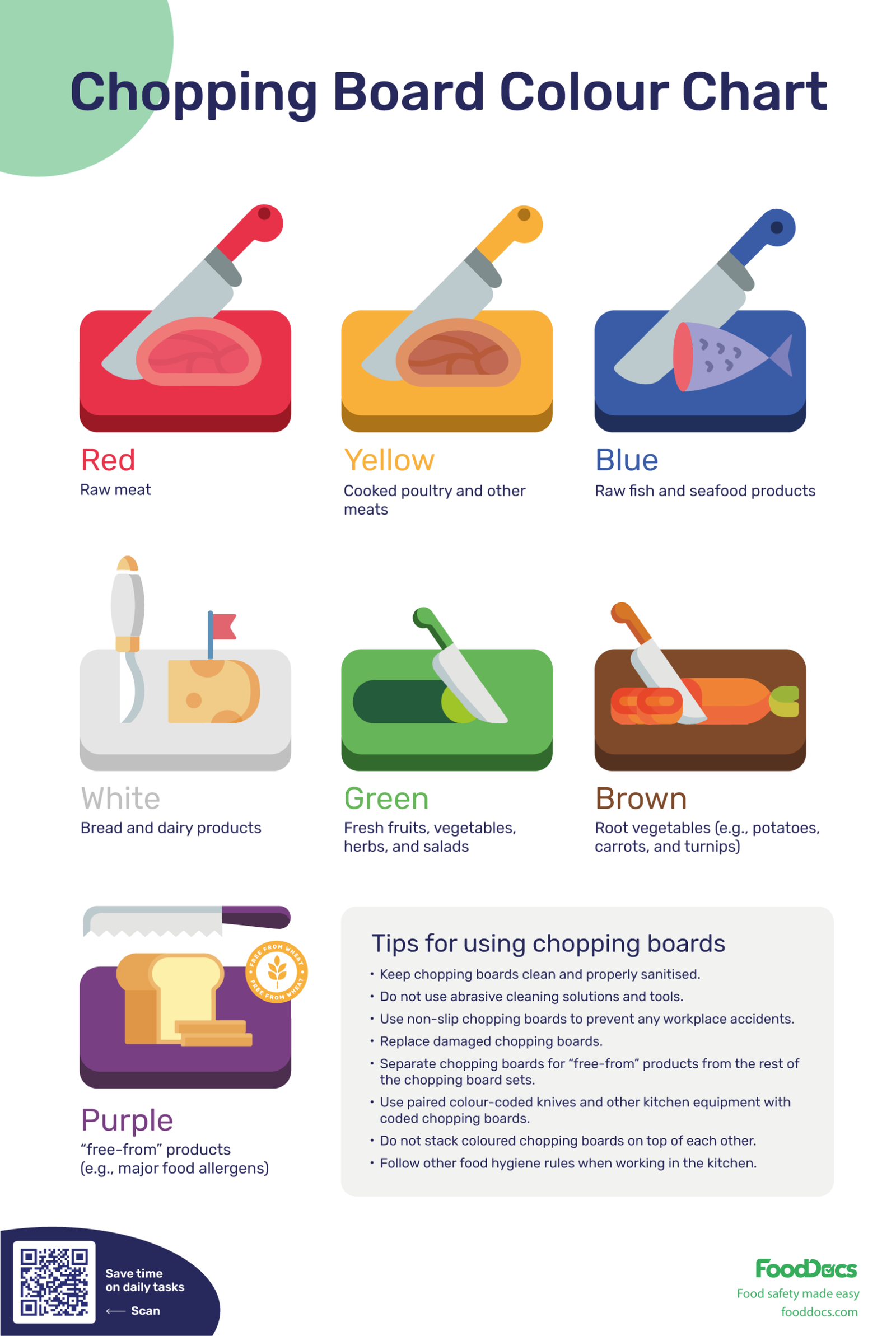
Your cutting board is more than just a kitchen tool—it’s where you prepare your meals, slice fresh ingredients, and bring your recipes to life. But if you don’t take care of it properly, it can quickly become worn, stained, or even a breeding ground for bacteria.
Imagine chopping your favorite veggies on a cracked or smelly board—unpleasant, right? You’ll discover simple, effective ways to maintain your cutting board so it stays clean, safe, and lasts for years. Ready to protect your kitchen’s essential companion? Let’s dive in.
Choosing The Right Cutting Board
Picking the right cutting board is important for your kitchen. The right board helps keep your knives sharp and food safe.
You should think about the material, size, and thickness before buying a cutting board.
Material Options
Cutting boards come in many materials like wood, plastic, and bamboo. Each material has good and bad points.
Wood boards are gentle on knives and look nice. Plastic boards are easy to clean and can go in the dishwasher. Bamboo boards are hard and last long but can dull knives faster.
- Wood: good for knife care, needs oiling
- Plastic: dishwasher safe, less durable
- Bamboo: eco-friendly, harder on knives
- Glass: not recommended, dulls knives quickly
Size And Thickness Considerations
Choose a cutting board size that fits your kitchen space and cooking style. Bigger boards give more room but take up space.
Thickness affects stability and durability. Thicker boards stay steady and last longer. Thin boards are easy to store but can warp.
- Small boards: good for light tasks, easy to store
- Medium boards: versatile size for most cooking
- Large boards: best for big meals, need more space
- Thick boards: stable, durable, heavier
- Thin boards: light, less stable, may warp
Initial Preparation
Proper care starts with preparing your cutting board. This helps the board last longer and stay safe for food.
New boards need special attention before use. This makes them ready for chopping and cutting tasks.
Seasoning A New Board
Seasoning protects the wood and prevents it from drying out. It also stops food from sticking to the surface.
To season, apply a food-safe oil evenly over the entire board. Let it soak in for several hours or overnight.
- Use mineral oil or a specialized cutting board oil
- Apply oil with a clean cloth or paper towel
- Cover all sides, including edges
- Wipe off extra oil after soaking
Tools Needed For Preparation
You need just a few tools to prepare your cutting board. These help you season and clean it properly.
- Food-safe mineral oil or cutting board oil
- Clean, soft cloth or paper towels
- Mild dish soap for washing
- Non-abrasive sponge or brush
Daily Maintenance Routine
Keeping your cutting board clean and well cared for helps it last longer. A simple daily routine can stop germs and damage.
Follow these easy steps every day to maintain your cutting board’s quality and safety.
Proper Cleaning Techniques
Clean your cutting board right after use. Wash it with warm water and mild soap. Use a soft sponge to avoid scratches.
Do not soak wooden boards in water. This can cause them to crack or warp. Rinse quickly and dry soon after.
- Use warm water and gentle soap
- Scrub with a soft sponge or cloth
- Rinse well but do not soak
- Sanitize with a vinegar solution if needed
Drying And Storage Tips
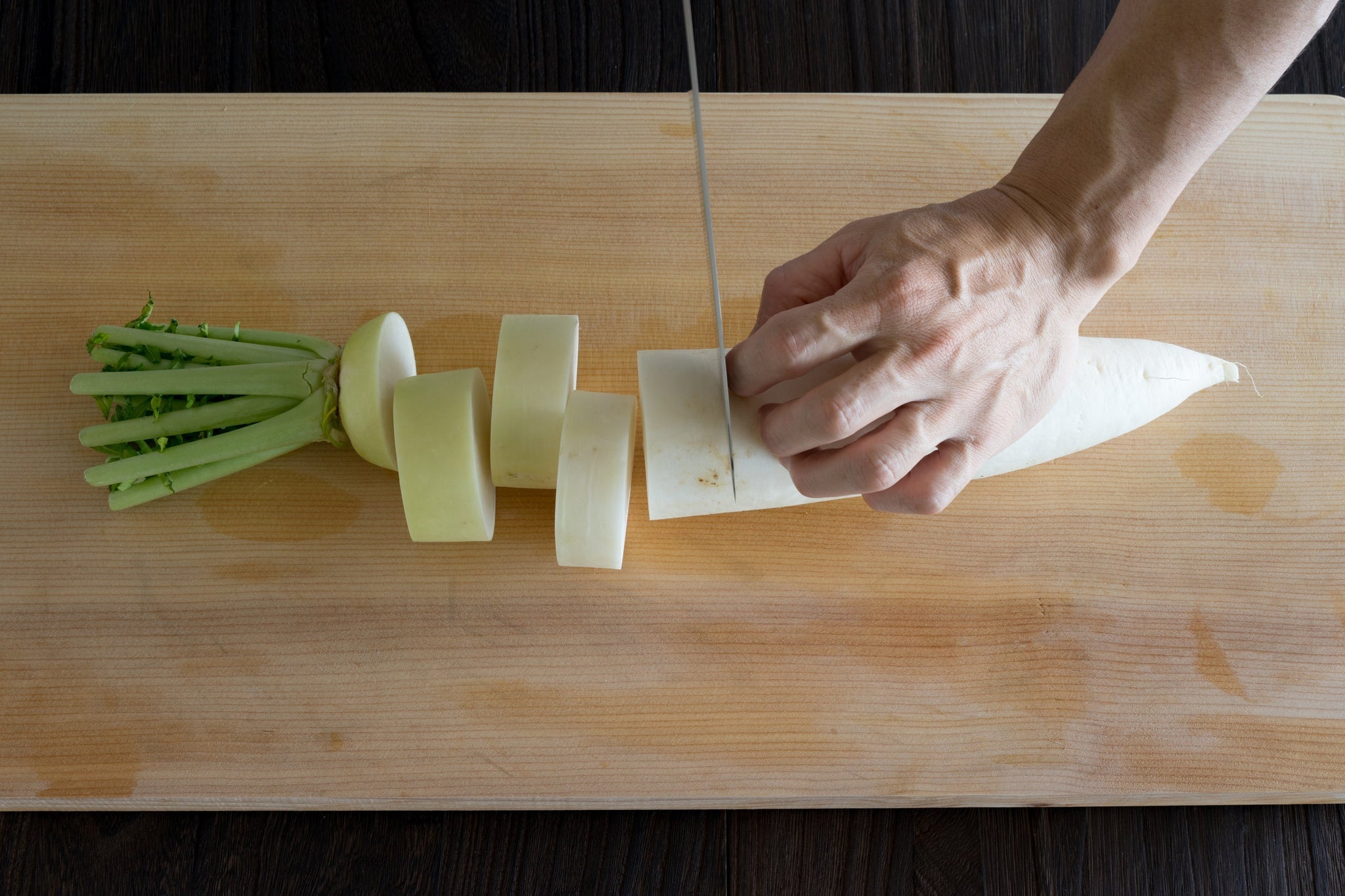
Dry your cutting board immediately after washing. Use a clean towel to remove excess water. Let it air dry fully before storing.
Store the board standing up or in a dry place. Avoid stacking it under heavy items. This helps prevent moisture buildup and warping.
- Dry with a clean towel right after washing
- Allow the board to air dry completely
- Store upright or on a rack to air out
- Keep away from damp or crowded spaces
Credit: www.souschef.co.uk
Deep Cleaning Methods
Keeping your cutting board clean is important to avoid germs and food smells. Deep cleaning removes stains and odors that regular washing cannot.
Use simple methods with safe ingredients to keep your board fresh and safe for food preparation.
Removing Stains And Odors
Stains and smells can stay on your cutting board after cutting strong foods like garlic or beets. Removing them helps keep your board clean and fresh.
Baking soda and lemon work well to clean and remove odors. These natural items are safe and easy to use.
- Sprinkle baking soda on the board.
- Rub the surface with half a lemon.
- Let it sit for 5 minutes to break down stains and smells.
- Rinse with warm water and dry with a clean towel.
Disinfecting Safely
Disinfecting your cutting board kills bacteria and helps prevent foodborne illness. Use safe, food-friendly products for this process.
White vinegar and hydrogen peroxide are effective disinfectants. They do not leave harmful residues if used properly.
- Spray white vinegar on the board and let it sit for a few minutes.
- Rinse with water, then spray hydrogen peroxide.
- Wait a few minutes, then rinse again with water.
- Dry the board completely to avoid moisture buildup.
Regular Oiling And Conditioning
Maintaining your cutting board keeps it safe and long-lasting. Regular oiling stops the wood from drying out.
Conditioning the board helps prevent cracks and warping. It also keeps the surface smooth for cutting.
Choosing The Right Oil
Pick an oil that is food safe and does not go bad quickly. Avoid oils that can turn sticky or smell bad.
Mineral oil is a popular choice because it is safe and stable. Other good oils include walnut oil and beeswax blends.
- Mineral oil: safe, odorless, and easy to find
- Walnut oil: natural and food safe, but may cause allergies
- Beeswax blends: add extra protection and shine
- Avoid vegetable oils: they can become rancid
How To Apply Oil Effectively
Clean the cutting board before applying oil. Make sure it is dry to help the oil soak in better.
Use a clean cloth or paper towel to spread the oil evenly. Cover all surfaces, including edges and sides.
- Pour a small amount of oil on the board
- Rub oil in small circles for full coverage
- Let the oil soak for at least a few hours
- Wipe off any extra oil with a clean cloth
- Repeat oiling once a month or when board looks dry
Handling Cuts And Scratches
Cutting boards get cuts and scratches after use. These marks can harbor bacteria and make your board look old.
Fixing these scratches helps keep your board clean and lasts longer. Let’s learn how to handle them properly.
Sanding Techniques
Sanding smooths out deep cuts and scratches on your board. Use fine sandpaper to avoid damaging the surface.
Sand gently in the direction of the wood grain. Wipe away dust with a damp cloth before oiling the board.
- Start with 120-grit sandpaper for deep scratches
- Finish with 220-grit sandpaper for a smooth surface
- Always sand along the wood grain
- Clean dust before adding oil or conditioner
Preventing Further Damage
Protect your cutting board by using the right knives and cleaning methods. Avoid harsh scrubbing or soaking it in water.
Regularly oil your board to keep the wood strong and less likely to crack or scratch.
- Use sharp knives to reduce deep cuts
- Do not soak the board in water
- Wash with mild soap and warm water only
- Apply food-safe mineral oil every few weeks
- Store in a dry place away from heat
Avoiding Common Mistakes
Cutting boards need regular care to last longer. Many people make simple mistakes that damage their boards.
Learning what to avoid helps keep your cutting board strong and safe for food.
Mistakes That Shorten Lifespan
Some habits cause cutting boards to crack or warp. Avoid these to protect your board.
- Leaving the board wet or soaking it in water
- Using harsh soaps or dishwashers to clean it
- Cutting on both sides without rotating the board
- Not oiling the board regularly to keep it moisturized
- Exposing the board to extreme heat or direct sunlight
- Ignoring deep cuts where bacteria can hide
Best Practices For Longevity
Follow these tips to keep your cutting board in good shape for years.
- Wash the board with warm water and mild soap after each use
- Dry the board immediately with a clean towel
- Apply food-safe mineral oil once a month to prevent drying
- Use separate boards for meat and vegetables to avoid stains and germs
- Store the board in a dry, cool place away from sunlight
- Sand down deep cuts lightly and reapply oil to keep the surface smooth

Credit: www.theindusvalley.in
When To Replace Your Cutting Board
Cutting boards are essential kitchen tools. They need care and regular checks for damage.
Knowing when to replace your cutting board helps keep food safe and your kitchen clean.
Signs Of Wear And Tear
Look closely at your cutting board for scratches, cracks, or deep grooves. These can trap bacteria.
Discoloration or odors that don’t go away after cleaning also mean it might be time to replace it.
- Deep cuts or cracks on the surface
- Warping or bending of the board
- Persistent stains or smells
- Rough texture that won’t smooth out
Choosing A Replacement
Pick a cutting board that fits your kitchen size and cooking style. Materials matter for durability and safety.
Wood, plastic, and bamboo are common options. Each has pros and cons for cleaning and knife care.
- Wood:Gentle on knives, lasts long, needs oiling
- Plastic:Easy to clean, dishwasher safe, may scar quickly
- Bamboo:Harder than wood, eco-friendly, can dull knives

Credit: menwiththepot.com
Frequently Asked Questions
How Often Should I Oil My Cutting Board?
You should oil your cutting board once a month. This prevents cracking and warping. Use food-grade mineral oil for best results.
What Is The Best Way To Clean A Cutting Board?
Clean your cutting board with warm, soapy water after each use. Avoid soaking it to prevent damage. Dry it thoroughly before storing.
Can I Put My Cutting Board In The Dishwasher?
No, avoid putting wooden cutting boards in the dishwasher. High heat and water can cause warping and splitting. Hand wash only.
How Do I Remove Stains And Odors From Cutting Boards?
Use lemon and coarse salt to scrub stains and odors. Rinse with warm water and dry completely. This natural method is safe and effective.
Conclusion
Taking care of your cutting board keeps it clean and safe. Regular washing with soap and water stops germs. Dry it well to avoid cracks and warping. Oil wooden boards to keep them from drying out. Avoid soaking or putting boards in the dishwasher.
Small efforts help your board last longer and stay fresh. A well-maintained cutting board makes food preparation easier and safer. Keep these simple tips in mind for the best results. Your kitchen will thank you for the extra care.