
Are stubborn stains ruining the look of your tile grout? You’re not alone.
Over time, grout can absorb dirt, spills, and mildew, making your floors or walls look dull and dirty. But don’t worry—cleaning grout doesn’t have to be a frustrating or expensive task. You’ll discover simple and effective ways to remove those stubborn stains and bring back the fresh, bright look your tiles deserve.
Keep reading, and you’ll learn easy tips that save you time and effort while making your home shine like new.

Credit: www.youtube.com
Common Causes Of Grout Stains
Grout stains can make tiled areas look dirty and old. Understanding what causes these stains helps in keeping grout clean. Many factors lead to grout discoloration and damage.
This section explains common reasons grout gets stained. Knowing these causes helps you prevent and treat grout stains better.
Dirt And Mud
Dirt and mud often get trapped in grout lines. Foot traffic and pets bring dirt inside, which settles in porous grout. Over time, this grime darkens the grout color.
Mold And Mildew
Moist areas like bathrooms often grow mold and mildew on grout. These fungi cause black or green stains. Poor ventilation and water leaks help mold grow quickly.
Spills And Food Stains
Food and drink spills can stain grout easily. Colored liquids like wine, coffee, and juice leave marks. Acidic spills may also erode grout over time.
Soap Scum And Hard Water
Soap scum and hard water deposits build up on grout in showers and sinks. These deposits cause a white or gray film. They can block grout pores and make stains worse.
Improper Sealing
Grout needs sealing to stay protected. If sealing is missed or done poorly, grout absorbs dirt and liquids faster. This leads to deep, hard-to-remove stains.
Common Grout Stain Causes Overview
| Cause | How It Stains Grout | Typical Appearance |
| Dirt and Mud | Settles into grout pores from foot traffic | Dark brown or black lines |
| Mold and Mildew | Grows in moist, poorly ventilated areas | Black, green, or gray patches |
| Spills and Food | Colored liquids soak into grout | Red, purple, or yellow stains |
| Soap Scum and Hard Water | Leaves mineral deposits and film | White or gray cloudy layer |
| Improper Sealing | Allows dirt and liquids to penetrate | General discoloration and staining |
Natural Cleaning Solutions
Tile grout can get dirty and stained over time. Natural cleaning solutions help remove stains safely.
These solutions use simple ingredients you may already have at home. They work well without harsh chemicals.
Baking Soda And Vinegar
Baking soda and vinegar make a strong natural cleaner. Baking soda scrubs grime, and vinegar kills bacteria.
Mix baking soda with water to form a paste. Spread the paste on grout and spray vinegar over it.
- Let the mixture bubble for 5 minutes
- Scrub grout with a brush
- Rinse with warm water
- Dry the area with a cloth
Lemon Juice And Borax
Lemon juice has natural acid that breaks down stains. Borax helps lift dirt and brighten grout.
Mix lemon juice and borax into a thick paste. Apply it to the grout and let it sit for 10 minutes.
- Scrub the grout with a toothbrush
- Rinse well with water
- Wipe dry to prevent mold
Store-bought Cleaners
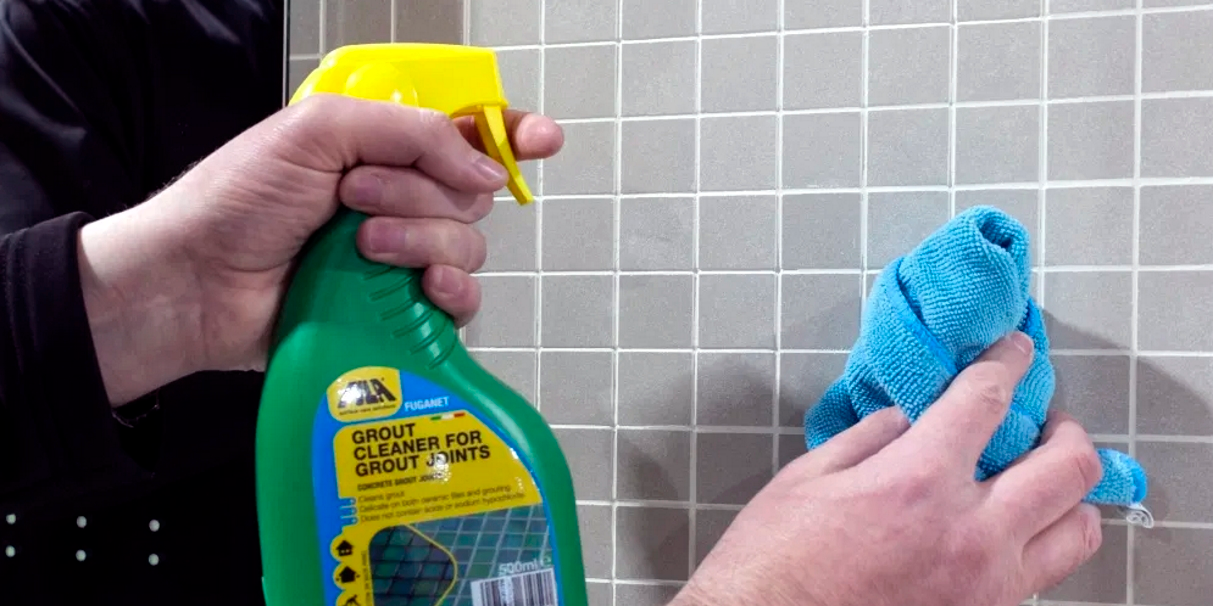
Store-bought cleaners offer a simple way to clean tile grout. They come in many types and strengths.
Choosing the right cleaner and applying it properly helps remove stains effectively.
Choosing The Right Product
Select a cleaner made for grout or tile surfaces. Avoid harsh chemicals that can damage grout.
- Look for pH-neutral or mildly acidic cleaners.
- Check for mold and mildew removal if needed.
- Read labels to ensure safety for your tile type.
- Choose non-abrasive formulas to prevent scratching.
- Consider products with good customer reviews.
Application Tips
Follow these tips to get the best results when using store-bought grout cleaners.
| Tip | Description |
| Test First | Try cleaner on a small area to check for damage or discoloration. |
| Use a Brush | Apply cleaner with a stiff brush to scrub grout lines. |
| Let it Sit | Allow cleaner to work for 5-10 minutes before scrubbing. |
| Rinse Well | Rinse tile and grout with water to remove residue. |
| Protect Yourself | Wear gloves and ensure good ventilation when using cleaners. |

Credit: www.amazon.ca
Homemade Grout Cleaner Recipes
Cleaning tile grout can be easy with homemade recipes. These solutions use simple ingredients you might already have at home.
Using natural cleaners helps remove stains without harsh chemicals. Let’s look at two effective recipes to try.
Hydrogen Peroxide And Baking Soda
This mix is great for tough grout stains. Baking soda acts as a scrub, and hydrogen peroxide helps whiten the grout.
- Mix 1/2 cup baking soda with 1/4 cup hydrogen peroxide.
- Apply the paste to grout lines using a toothbrush.
- Let it sit for 10 minutes to break down stains.
- Scrub the grout gently and rinse with warm water.
Essential Oils For Freshness
Essential oils add a fresh scent and extra cleaning power. Tea tree and lemon oils are especially useful.
| Essential Oil | Benefit |
| Tea Tree Oil | Antibacterial and mold-fighting |
| Lemon Oil | Natural bleach and fresh scent |
| Lavender Oil | Soothing fragrance and mild antiseptic |
Add 10 drops of your favorite oil to 1 cup of water and 1/4 cup vinegar. Spray on grout and wipe clean for fresh, clean lines.
Using Steam Cleaners
Steam cleaners are a safe way to clean tile grout without chemicals. They use hot steam to break down dirt and stains.
This method is effective for deep cleaning and sanitizing grout lines. It helps restore grout to its original color.
Benefits Of Steam Cleaning
- Removes tough stains without harsh chemicals
- Kills bacteria, mold, and mildew in grout
- Dries quickly, reducing moisture damage
- Safe for most tile and grout types
- Eco-friendly and non-toxic cleaning option
How To Use A Steam Cleaner
Prepare the steam cleaner by filling it with water. Let it heat until it produces steam.
- Test the steam cleaner on a small grout area first.
- Hold the steam nozzle close to the grout lines.
- Move the nozzle slowly to loosen dirt and stains.
- Wipe the area with a clean cloth after steaming.
- Repeat if needed for very dirty spots.
| Tip | Reason |
| Use distilled water | Prevents mineral buildup in the cleaner |
| Wear gloves | Protects hands from hot steam |
| Ventilate the room | Helps dry grout faster |
| Do not soak grout | Prevents water damage under tiles |

Credit: www.yahoo.com
Preventive Measures
Keeping tile grout clean is easier with good preventive care. Preventive measures stop stains from setting in.
Simple habits and protective treatments keep grout looking fresh and new for longer.
Regular Maintenance
Clean grout regularly to prevent dirt buildup. Use mild cleaners and soft brushes to avoid damage.
- Wipe spills immediately to stop stains
- Sweep or vacuum floors to remove dust
- Mop tiles weekly with warm water and mild soap
- Use a soft brush to scrub grout gently
- Avoid harsh chemicals that can erode grout
Sealant Application
Applying sealant protects grout from stains and moisture. Seal grout once it is clean and dry.
| Sealant Type | Use Case | Reapply Every |
| Penetrating Sealant | Indoor floors and walls | 1 to 2 years |
| Membrane Sealant | Outdoor or high-moisture areas | 6 to 12 months |
| Color Enhancing Sealant | Restore grout color and protect | 1 year |
Professional Cleaning Services
Tile grout can get dirty and stained over time. It is hard to clean with normal scrubbing. Professional cleaning services help restore grout to its original look.
These services use special tools and cleaners. They remove tough stains and deep dirt from grout lines. This keeps your tiles looking fresh and new.
When To Hire Professionals
Call professionals if grout stains do not come off with home cleaning. Deep or old stains need expert care. Also, hire them if grout is damaged or discolored.
Professionals can handle large areas quickly. If you want to save time or avoid harsh chemicals, they are a good choice.
- Persistent stains after regular cleaning
- Large tiled areas
- Grout discoloration or damage
- Desire for fast, effective cleaning
What To Expect
Professionals start with an inspection of your grout. They choose the right cleaning method and products. This ensures safety for your tiles and home.
They use machines like steam cleaners or pressure washers. These tools clean deep inside grout lines. After cleaning, they may apply sealants to protect grout from future stains.
- Inspection and assessment of grout condition
- Use of specialized cleaning tools and solutions
- Deep stain removal and dirt extraction
- Optional grout sealing for protection
Frequently Asked Questions
How Do I Remove Stains From Tile Grout Naturally?
Use a paste of baking soda and water on grout stains. Let it sit for 10 minutes, then scrub with a toothbrush. Rinse with warm water for effective, natural stain removal.
What Household Items Clean Tile Grout Effectively?
Common items like vinegar, baking soda, and hydrogen peroxide clean grout well. Mix these with water to create a powerful grout cleaner. Avoid harsh chemicals to protect grout and tiles.
Can Bleach Whiten Stained Tile Grout Safely?
Yes, diluted bleach can whiten grout stains. Apply carefully and rinse thoroughly to avoid tile damage. Use gloves and ensure proper ventilation when using bleach.
How Often Should I Clean Tile Grout To Prevent Stains?
Clean grout at least once a month to prevent stains. Regular maintenance keeps grout looking fresh and reduces deep cleaning needs.
Conclusion
Cleaning tile grout stains is easier with the right methods. Use common household items like baking soda and vinegar. Scrub gently to avoid damage. Regular cleaning keeps grout looking fresh and new. Small efforts prevent stubborn stains from forming. Choose a method that fits your needs and tools.
Keep your tiles bright and your home inviting. Stain-free grout improves the overall look quickly. Try these tips and enjoy cleaner tiles every day.