
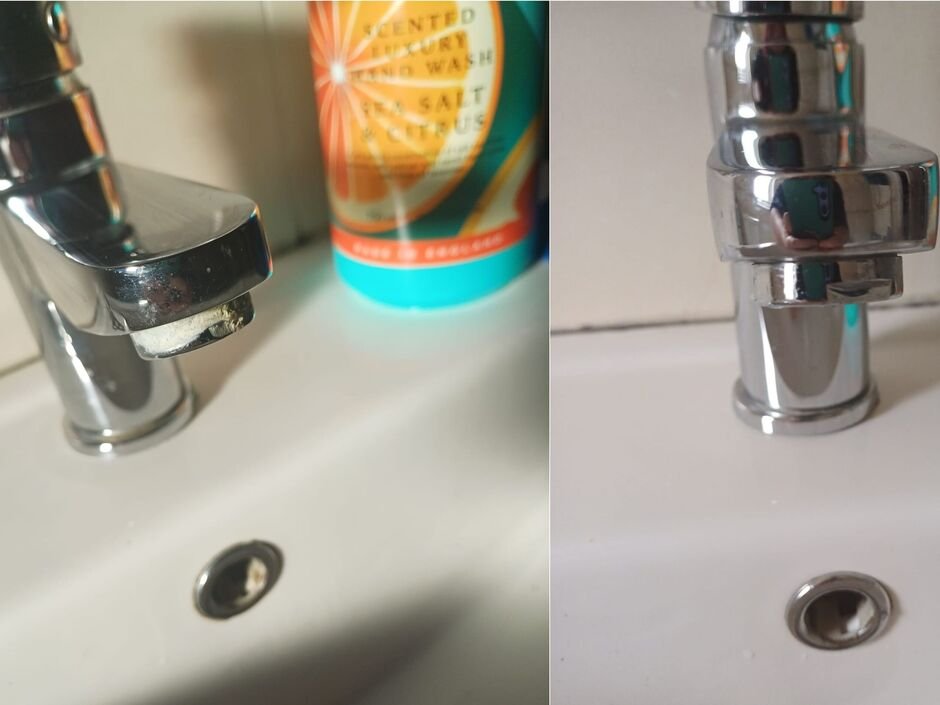
Is your tap looking dull and covered in stubborn white spots? Limescale buildup can make your taps look old and worn out, and it’s tougher to clean than you might think.
But don’t worry—there are simple and effective ways you can remove limescale right at home. Imagine turning your taps back to their shiny best with just a few easy steps. Keep reading, and you’ll discover practical methods that save you time, money, and frustration.
Your taps will thank you!

Credit: www.rsvplive.ie
Common Causes Of Limescale
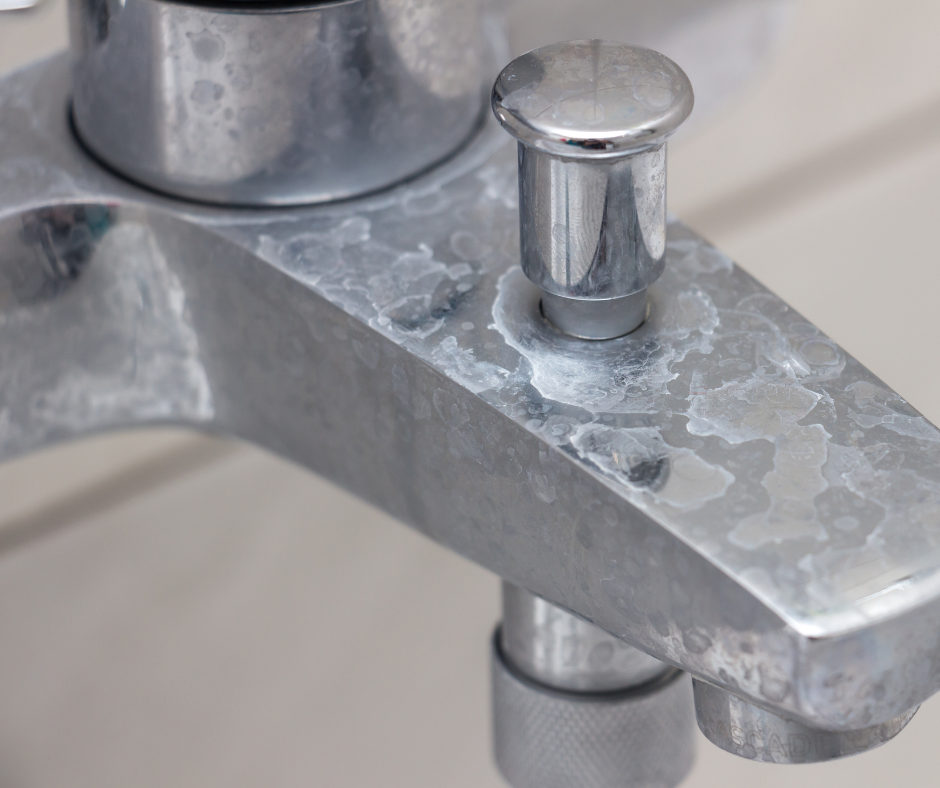
Limescale is a hard, chalky deposit. It builds up on taps and pipes over time. This happens mostly in areas with hard water.
Understanding what causes limescale helps to remove it effectively. It also helps to prevent future build-up on your taps.
Hard Water
Hard water contains a high amount of minerals. Calcium and magnesium are the main minerals that cause limescale. When water heats or evaporates, these minerals stick to surfaces.
High Water Temperature
Hot water speeds up limescale formation. The heat causes minerals to separate from the water. They then settle on taps and pipes.
Water Pressure And Flow
Strong water pressure pushes minerals against tap surfaces. Slow flow allows minerals to settle more easily. Both conditions can cause more limescale to build up.
Water Ph Levels
Water with a high pH is more alkaline. Alkaline water contains more minerals that cause limescale. Lower pH water has fewer minerals and less scale.
- Hard water has many calcium and magnesium ions
- Higher temperatures increase mineral deposits
- Strong pressure pushes minerals into surfaces
- Slow water flow helps minerals settle
- Alkaline water increases limescale risk
Material Of The Tap
| Tap Material | Limescale Build-up Speed |
| Chrome | Slow |
| Stainless Steel | Moderate |
| Brass | Fast |
| Plastic | Very Slow |
Vinegar Solution
Limescale buildup on taps can reduce water flow and look unsightly. Using a vinegar solution is a simple way to clean this mineral deposit.
Vinegar is acidic and breaks down the calcium deposits in limescale. This method is safe and uses common household items.
Preparing The Solution
To make the vinegar solution, mix vinegar with water in the right ratio. This ensures the solution is strong enough to remove limescale but gentle on your taps.
- Use white vinegar for best results.
- Mix equal parts of vinegar and warm water.
- Pour the mixture into a spray bottle or a small bowl.
- For tough limescale, use undiluted vinegar.
Application Process
Apply the vinegar solution carefully to the taps. Let it work on the limescale before scrubbing or rinsing.
| Action | Details |
| Soak | Wrap a cloth soaked in vinegar around the tap. |
| Wait | Leave the cloth on for 30 minutes to 1 hour. |
| Scrub | Use a soft brush or sponge to scrub away loosened limescale. |
| Rinse | Rinse the tap with clean water to remove vinegar and debris. |
| Dry | Wipe the tap dry with a clean cloth to prevent water spots. |
Baking Soda Paste
Baking soda paste is an easy way to clean limescale from taps. It is gentle but effective. You only need two simple ingredients.
This paste helps remove white, chalky buildup. It also makes taps shine without harsh chemicals.
Mixing The Paste
To make the paste, mix baking soda with water. Use enough water to get a thick, spreadable texture.
The paste should not be too runny or dry. It needs to stick well to the tap surface.
- Start with 3 tablespoons of baking soda
- Add 1 tablespoon of water
- Stir until the mixture becomes smooth and thick
- Add more water if too dry, or more baking soda if too wet
Applying To Taps
Spread the baking soda paste over the limescale on your taps. Use a cloth or your fingers to cover all areas.
Let the paste sit for 15 to 20 minutes. This waiting time helps break down the limescale.
- Apply a thick layer of paste on the tap surface
- Leave it for 15-20 minutes
- Use a soft brush or sponge to scrub gently
- Rinse with warm water and dry with a cloth
Lemon Juice Technique
Limescale builds up on taps and makes them look dirty. Lemon juice can remove limescale naturally. It is easy and safe to use.
This method uses the acid in lemon juice to break down the limescale. You only need fresh lemons and a cloth.
Squeezing Fresh Lemon
Cut a fresh lemon in half. Squeeze the juice into a small bowl. Use enough juice to cover the limescale area on the tap.
If the tap is very dirty, use more lemon juice. Fresh juice works better than bottled juice.
Wiping The Taps
Dip a clean cloth into the lemon juice. Wipe the tap surface with the cloth. Make sure to cover all limescale spots.
Let the lemon juice sit on the tap for 5-10 minutes. Then, wipe again with a damp cloth to remove residue.
- Use a soft cloth to avoid scratching
- Repeat if limescale is thick
- Dry the tap after cleaning
Commercial Limescale Removers
Limescale builds up on taps and can cause damage. Commercial limescale removers help clean taps quickly. These products use strong ingredients to break down hard deposits.
Using the right remover keeps taps working well. It also keeps them looking clean and shiny. Always follow safety steps when using these chemicals.
Choosing The Right Product
Pick a remover made for taps and metals. Some removers may harm certain finishes. Check the label to see if it fits your tap type.
Look for products that work fast and are easy to use. Avoid strong acids if your taps have a delicate finish. Eco-friendly options are safer for the environment.
- Check compatibility with tap material
- Choose fast-acting formulas
- Avoid harsh chemicals on delicate finishes
- Consider eco-friendly removers
Usage Instructions
Read the product label carefully before use. Wear gloves to protect your skin. Apply the remover directly on the limescale.
Let the remover sit for the time shown on the label. Use a soft brush or cloth to scrub off the limescale gently. Rinse the tap with water after cleaning.
- Wear gloves and protect your skin
- Apply remover on limescale areas
- Wait for the recommended time
- Gently scrub with a soft brush or cloth
- Rinse thoroughly with water
Regular Maintenance Tips
Limescale builds up on taps over time. Regular care keeps taps clean and working well.
Simple daily and monthly habits help stop limescale from damaging your taps.
Daily Wiping
Wipe taps every day to remove water spots and stop limescale from forming.
- Use a soft cloth to dry taps after use
- Wipe away soap and water stains promptly
- Avoid harsh chemicals that can damage the tap finish
- Check taps for small limescale spots and clean them quickly
Monthly Deep Cleaning
Clean taps deeply once a month to remove limescale that daily wiping misses.
| Cleaning Step | Description | Materials Needed |
| Prepare Vinegar Solution | Mix equal parts white vinegar and water | White vinegar, water, bowl |
| Soak a Cloth | Dip a soft cloth in the solution and wrap it around the tap | Soft cloth |
| Wait 30 Minutes | Let vinegar dissolve the limescale | Timer or clock |
| Scrub Gently | Use a soft brush to remove loosened limescale | Soft brush or old toothbrush |
| Rinse and Dry | Wash tap with clean water and dry with a cloth | Clean water, dry cloth |
Preventing Limescale Buildup
Limescale forms when hard water dries on taps. It looks like white, chalky deposits. Preventing buildup keeps taps clean and working well.
Regular care helps avoid tough limescale stains. Use simple steps to protect your taps every day.
Water Softening Solutions
Water softeners change hard water into soft water. Soft water stops limescale from forming on taps.
Installing a water softener reduces mineral deposits. It helps keep taps smooth and clean longer.
- Use salt-based softeners to remove calcium and magnesium
- Try magnetic or electronic softeners for easy installation
- Choose a softener size that fits your home’s water use
Routine Check-ups
Check taps often for early signs of limescale. Catching buildup early stops it from getting worse.
Clean taps regularly using mild vinegar or lemon juice. These natural cleaners break down mineral deposits safely.
- Inspect taps monthly for white spots or rough areas
- Wipe taps with a soft cloth after each use
- Use natural cleaners weekly to prevent buildup

Credit: www.tapsuk.com
Credit: www.well-polished.com
Frequently Asked Questions
How Can I Remove Limescale From Taps Naturally?
You can use white vinegar or lemon juice to remove limescale naturally. Soak a cloth in vinegar, wrap it around the tap, and leave for an hour. Then, scrub gently with a brush to dissolve the deposits effectively without harsh chemicals.
What Household Items Remove Limescale From Taps?
Common household items like baking soda, white vinegar, and lemon juice work well. They break down limescale safely and cheaply. Mix baking soda with vinegar for a fizzing cleaner, then scrub the tap to restore its shine and remove buildup.
Is It Safe To Use Vinegar On All Tap Finishes?
Vinegar is safe for most metal finishes like chrome and stainless steel. Avoid using vinegar on natural stone or brass finishes, as it may cause damage. Always test on a small area first to ensure no discoloration or corrosion occurs.
How Often Should I Clean Limescale From Taps?
Cleaning limescale from taps every 1-2 weeks prevents buildup. Regular maintenance keeps taps shiny and functioning well. Frequent cleaning reduces the need for harsh chemicals and prolonged scrubbing, saving time and preserving the tap’s surface.
Conclusion
Removing limescale from taps is simple and doable at home. Small steps like using vinegar or lemon juice help a lot. Regular cleaning keeps taps shiny and working well. Avoid harsh chemicals to protect your taps and skin. Try these easy ways and enjoy clean, smooth taps every day.
Clean taps make your home look fresher and feel better. A little care goes a long way with limescale removal. Start today for clearer, brighter taps tomorrow.