
Are you ready to transform your kitchen into a stylish and functional space? Using tiles in your kitchen design is one of the smartest ways to add color, texture, and durability.
But with so many options out there, how do you choose the right tiles that match your style and needs? You’ll discover simple yet powerful tips to help you pick, place, and care for tiles that make your kitchen truly shine.
Keep reading, and unlock the secrets to creating a kitchen that’s both beautiful and easy to maintain.
Choosing The Right Tile Material
Choosing the right tile material is important for your kitchen design. The material affects durability, style, and maintenance.
Tiles come in many types. Each type has its own look and benefits for kitchens.
Ceramic Vs. Porcelain
Ceramic and porcelain tiles are popular choices. Both are made from clay but have differences.
Ceramic tiles are softer and easier to cut. Porcelain is denser and more water-resistant.
- Ceramic tiles cost less and come in many designs.
- Porcelain tiles are stronger and last longer.
- Porcelain works well for floors and walls.
- Ceramic is good for low-traffic areas.
Natural Stone Options
Natural stone tiles add a unique and rich look. Popular stones include marble, granite, and slate.
Stone is strong but needs regular sealing to prevent stains. It can be slippery when wet.
- Marble offers elegant and smooth surfaces.
- Granite is very durable and heat resistant.
- Slate has a textured look and good slip resistance.
- Stone requires more care than ceramic or porcelain.
Glass Tile Benefits
Glass tiles brighten a kitchen with their shiny surface. They reflect light well and look modern.
Glass tiles resist stains and are easy to clean. They work well for backsplashes but can chip.
- Glass tiles come in many colors and shapes.
- They resist mold and mildew in moist areas.
- Glass is lightweight but can be fragile.
- Good choice for accent areas and backsplashes.
Color And Pattern Selection
Choosing the right colors and patterns for kitchen tiles can change the room’s look. Tiles set the mood and style.
Think about how colors and patterns work together. They should fit your kitchen’s size and lighting.
Neutral Tones For Elegance
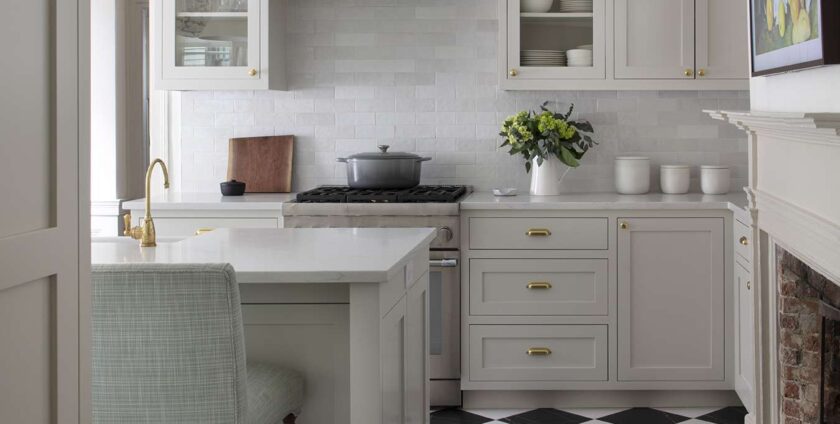
Neutral tones like beige, gray, and white create a calm and elegant kitchen. These colors make spaces feel clean and bright.
Neutral tiles are easy to pair with different cabinet colors and kitchen styles. They give a timeless look.
Bold Patterns For Impact
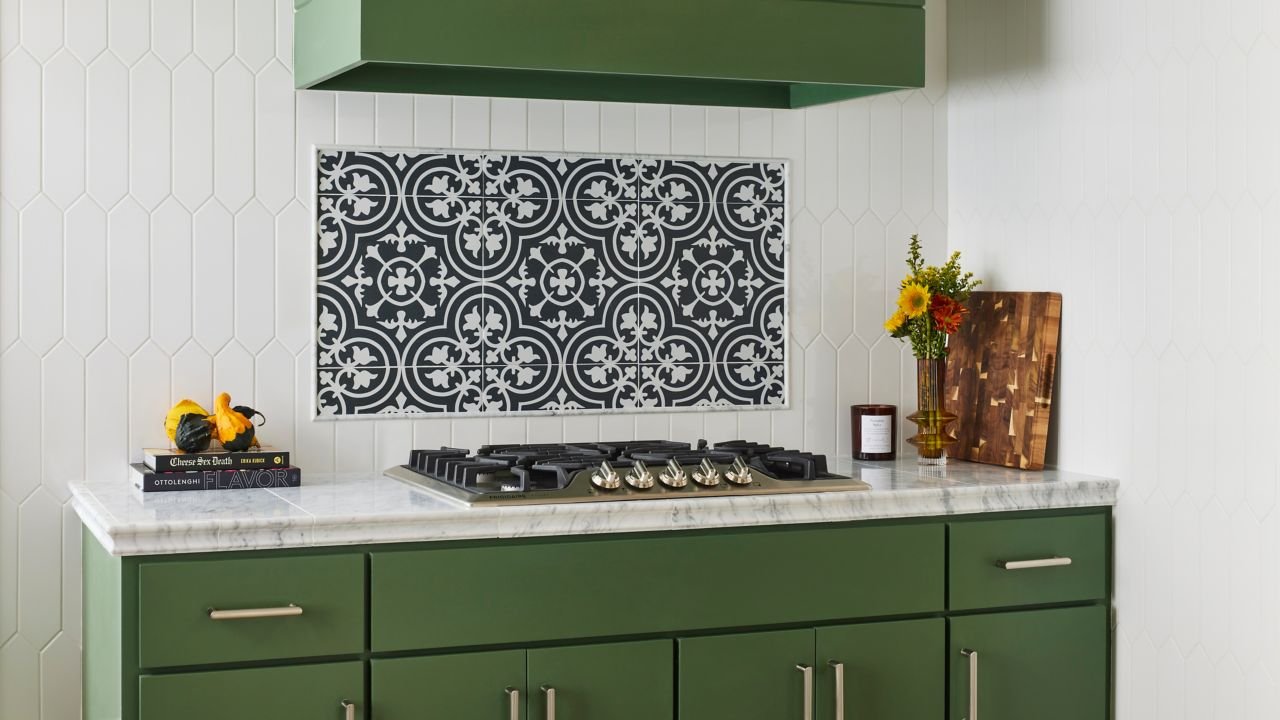
Bold patterned tiles add personality and style to your kitchen. They create a strong visual focus.
- Use patterned tiles as a backsplash for a pop of color.
- Combine simple tiles with bold patterns to avoid clutter.
- Choose patterns that match your kitchen’s overall theme.
Mixing And Matching Styles
Mix tile styles to create a unique kitchen design. Combine colors and textures carefully.
| Tile Style | Best Use | Effect |
| Glossy | Backsplash or walls | Brightens and reflects light |
| Matte | Floor or counters | Soft, natural look |
| Patterned | Accent areas | Adds interest and focus |
| Textured | Feature walls | Creates depth and contrast |
Tile Layout Techniques
Tiles can change how your kitchen looks. The way you place tiles affects style and feel.
Different layouts bring different effects. Choose the layout that fits your kitchen best.
Subway Tile Arrangement
Subway tiles are rectangular and classic. They fit well in many kitchen styles.
Place tiles in a brick-like pattern. Each tile should start in the middle of the tile below.
- Use horizontal rows for a clean look
- Keep grout lines thin and even
- White subway tiles brighten the space
Herringbone Patterns
The herringbone pattern uses rectangular tiles in a zigzag layout. It adds energy and motion.
This pattern works well on backsplashes or floors. It creates a stylish, eye-catching design.
- Lay tiles at 45-degree angles
- Start from the center for balance
- Use grout color that contrasts for effect
Diagonal And Vertical Layouts
Diagonal tiles run at a 45-degree angle to walls. They make small kitchens look bigger.
Vertical tiles stand up and down. They add height and modern style to the kitchen.
- Diagonal layouts hide dirt and damage well
- Vertical layouts emphasize ceiling height
- Both layouts work with square or rectangular tiles

Credit: www.cheapestiles.com.au
Backsplash Design Tips
Tiles add style and protection to your kitchen backsplash. Choosing the right design helps keep your kitchen clean and attractive.
Consider height, tile patterns, and edge finishes to create a backsplash that fits your space and taste.
Height And Coverage Choices
Decide how high and wide your backsplash should go. A taller backsplash protects the wall better from splashes. Covering the entire wall behind the counter gives a bold look. Partial coverage is easier to install and clean.
- Standard height covers 18 inches above the counter.
- Full height reaches the bottom of the upper cabinets.
- Floor-to-ceiling coverage creates a dramatic effect.
Incorporating Accent Tiles
Accent tiles add color and interest to a plain backsplash. You can use them as borders or small patterns. Mixing textures and shapes creates a unique look.
| Accent Tile Use | Effect |
| Border around plain tiles | Frames the backsplash |
| Random patterns | Adds fun and color |
| Textured inserts | Gives depth and style |
Seamless Edge Finishes
Edges should look smooth and neat. Choose edge finishes that protect tiles and walls. Rounded or bullnose edges are popular choices. They create clean lines and prevent chipping.
- Bullnose: Rounded edge for a soft look
- Beveled: Slanted edge for depth
- Straight Cut: Clean edge, may need trim
Floor Tile Considerations
Choosing the right floor tiles is key in kitchen design. Tiles must be safe, strong, and fit the kitchen size well.
Good floor tiles can last long and look great in your kitchen space.
Slip-resistant Options
Slippery floors can cause accidents in the kitchen. Pick tiles with a textured or matte finish to reduce slips.
Slip-resistant tiles make your kitchen safer, especially if the floor gets wet often.
- Look for tiles rated for slip resistance
- Choose rough or textured surfaces
- Avoid very glossy or smooth tiles
- Consider small mosaic tiles for better grip
Durability And Maintenance
Kitchen floors face spills, stains, and heavy foot traffic. Choose tiles that are strong and easy to clean.
Ceramic and porcelain tiles are good choices. They resist scratches and stains well.
- Check tile hardness ratings
- Pick tiles resistant to water and stains
- Choose grout that is easy to clean
- Seal tiles if needed to prevent damage
Size And Scale Matters
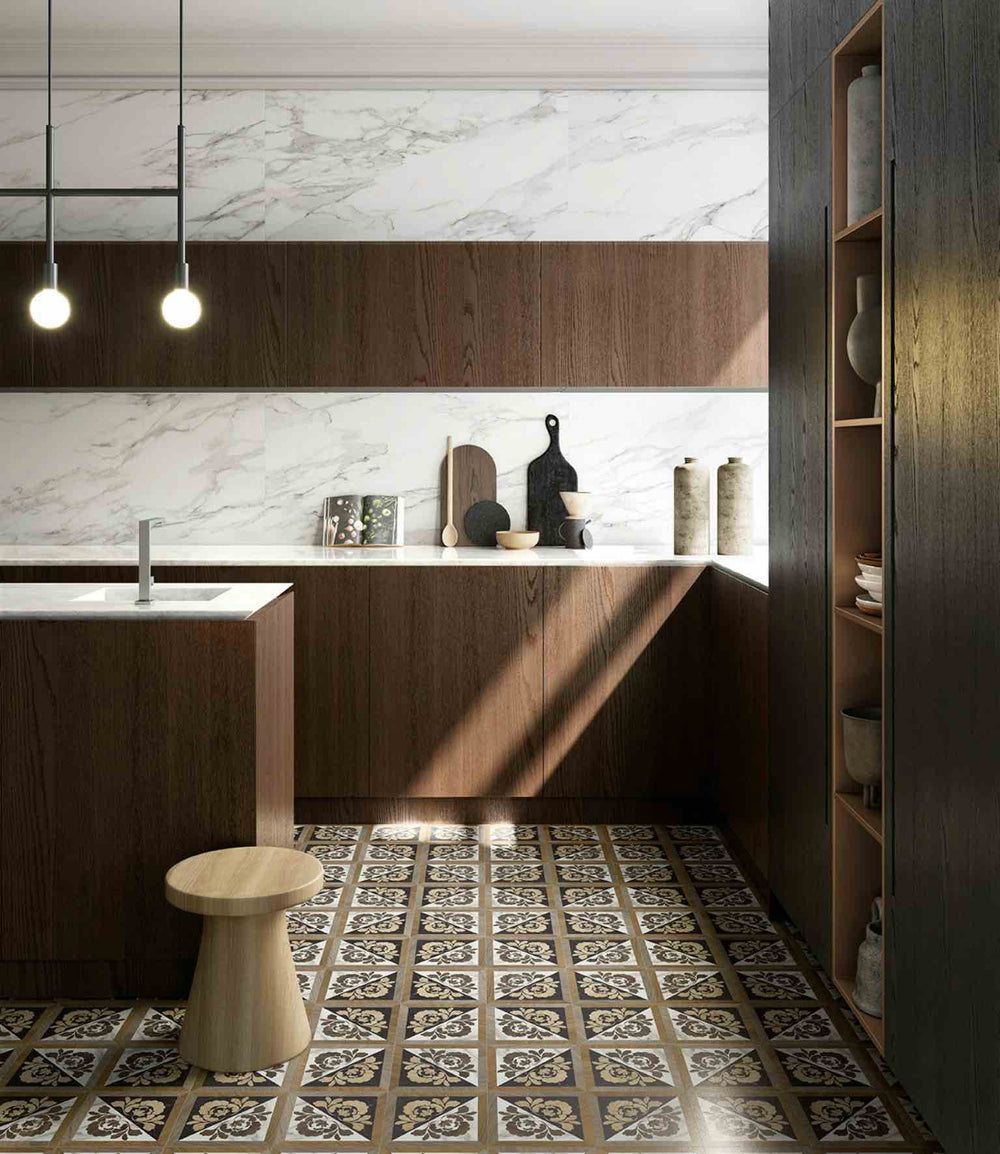
Tile size changes the look and feel of your kitchen floor. Big tiles make spaces look bigger and cleaner.
Small tiles add detail but need more grout lines. Match tile size to your kitchen size and style.
- Large tiles suit open, large kitchens
- Small tiles fit well in small or busy kitchens
- Use medium tiles for balanced looks
- Think about grout lines and patterns
Credit: www.mineraltiles.com
Grout And Sealant Essentials
Tiles bring style and durability to your kitchen. Grout and sealant keep tiles strong and looking good. Choosing the right grout and sealing it properly protects your kitchen surfaces.
Good grout and sealant help stop stains, water damage, and mold. They also make cleaning easier. Learn the basics to keep your kitchen tiles in great shape.
Choosing Grout Colors
Pick grout colors that match or contrast with your tiles. Matching colors create a smooth, uniform look. Contrasting colors highlight the shape of each tile.
- Light grout makes small kitchens look bigger
- Dark grout hides dirt and stains better
- Neutral colors blend well with most tile types
- Colored grout can add a unique style
Importance Of Sealing
Sealing grout and tiles protects against moisture and stains. It stops grime from getting deep into the pores. Sealing also prevents mold growth and keeps grout strong.
| Surface | Sealant Type | Reapply Every |
| Porcelain Tiles | Penetrating Sealant | 2-3 Years |
| Natural Stone Tiles | Impregnating Sealant | 1-2 Years |
| Grout Lines | Grout Sealer | 6-12 Months |
Cleaning And Maintenance Tips
Keep your tiled kitchen clean to protect grout and sealant. Use gentle cleaners and soft tools. Avoid harsh chemicals that can break down sealant.
- Wipe spills immediately to stop stains
- Use a mild soap and water solution for regular cleaning
- Scrub grout lines with a soft brush to remove dirt
- Rinse tiles well to remove cleaner residue
- Apply sealant again as needed to keep protection strong
Creative Tile Accents
Using tiles in kitchen design can add style and character. Creative tile accents make your kitchen unique and attractive.
Tiles come in many shapes, colors, and textures. They help highlight certain areas and create visual interest.
Mosaic Tile Features
Mosaic tiles are small pieces of tile arranged in patterns. They add detail and color to kitchen walls or backsplashes.
These tiles can create images or simple geometric shapes. They work well as a centerpiece or border design.
- Mix different colors for a vibrant look
- Use glass or ceramic for texture variety
- Create patterns like flowers, waves, or checks
- Place mosaics behind sinks or stoves for focus
Borders And Trims
Borders and trims frame tile areas and add polished edges. They bring a neat and finished look to walls or floors.
These accents can be simple lines or decorative strips. They separate tile sections and highlight design features.
- Use contrasting colors to define space
- Choose metallic trims for a modern touch
- Decorative borders add elegance and style
- Apply trims around windows or countertops
3d Tile Designs
3D tiles have raised or textured surfaces. They create depth and add a unique look to kitchen walls.
These tiles catch light and shadow, making the space feel dynamic. They work well as accent walls or backsplashes.
- Choose wave or geometric shapes for texture
- Use neutral colors to keep it subtle
- Pair 3D tiles with smooth tiles for contrast
- Install behind kitchen islands for focus
Incorporating Eco-friendly Tiles
Eco-friendly tiles can make your kitchen design greener. They help reduce waste and use fewer resources.
Choosing the right tiles supports a healthier home and planet. Learn simple ways to add eco-friendly tiles to your kitchen.
Recycled Material Options
Tiles made from recycled materials lower the need for new raw resources. These tiles often use glass, porcelain, or ceramic waste.
- Recycled glass tiles add color and shine
- Porcelain tiles from broken pieces save landfill space
- Ceramic tiles can include crushed tile waste
- Using recycled tiles reduces energy in production
Sustainable Sourcing
Choose tiles from companies that use ethical and sustainable methods. These firms care about the environment and workers.
| Factor | What to Look For |
| Material Origin | Local or responsibly mined |
| Manufacturing | Energy-efficient processes |
| Certifications | Eco-labels like Green Seal or FSC |
| Packaging | Minimal and recyclable |
Low Voc Tile Choices
Volatile organic compounds (VOCs) harm air quality. Tiles with low VOCs keep kitchens safer and fresher.
Here are benefits of low VOC tiles:
- Better indoor air quality
- Reduced health risks for family
- Fewer odors after installation
- Comply with green building standards
Credit: usgranitemarble.com
Frequently Asked Questions
What Tile Types Work Best For Kitchen Backsplashes?
Ceramic and porcelain tiles are popular for backsplashes due to durability and easy cleaning. Glass tiles add a modern touch and reflect light well. Choose tiles that resist stains and moisture for long-lasting beauty.
How To Choose Tile Colors For Kitchen Design?
Select tile colors that complement your cabinets and countertops. Neutral tones create a timeless look, while bold colors add personality. Consider lighting and kitchen size to ensure the color enhances the space.
Can Tiles Improve Kitchen Hygiene?
Yes, tiles are non-porous and easy to clean, reducing bacteria buildup. They resist stains and moisture, making kitchens more hygienic. Regular cleaning keeps tiles looking fresh and safe for food preparation areas.
What Tile Patterns Suit Small Kitchen Spaces?
Use simple patterns like subway or herringbone to add interest without overwhelming. Light-colored tiles can make small kitchens feel larger and brighter. Avoid busy patterns that can clutter the visual space.
Conclusion
Tiles add style and protect your kitchen walls well. Choose colors and patterns that match your space. Clean and maintain tiles to keep them looking fresh. Mix textures to create a unique kitchen design. Think about durability when picking tile materials.
Small changes can make a big difference in your kitchen. Enjoy the process of making your kitchen beautiful. Tiles can brighten up your cooking and dining area. Keep these tips in mind for a lasting impact.