
Are you ready to get the most out of your stockpot every time you cook? Whether you’re making soups, stews, or boiling pasta, using your stockpot efficiently can save you time, energy, and even improve the taste of your meals.
Imagine cutting down cooking time and making cleanup easier—all while creating delicious dishes your family will love. You’ll discover simple yet powerful tips that will change the way you use your stockpot. Keep reading, and unlock the secrets to cooking smarter, not harder.
Credit: www.carawayhome.com
Choosing The Right Stockpot
Using a stockpot correctly saves time and energy. Picking the right stockpot helps cook food evenly.
Think about the material, size, and lid features before you buy. These details make cooking easier.
Material And Construction
Stockpots come in different materials like stainless steel, aluminum, and copper. Each material affects how heat moves.
Look for pots with thick bottoms. They stop food from burning and cook evenly.
- Stainless steel is strong and resists rust.
- Aluminum heats quickly but may need a coating.
- Copper heats fast and cools fast.
- Thick bases help keep temperature steady.
Size And Capacity
Choose a stockpot size based on how much you cook. Bigger pots hold more food but take up more space.
Small pots work for sauces and soups. Large pots are good for stocks and boiling pasta.
- 4 to 6 quarts fit small families or daily meals.
- 8 to 12 quarts serve big families or parties.
- Choose a pot that fits your stove size.
Lid And Handles
A tight lid keeps steam inside. This speeds cooking and keeps flavors.
Handles should stay cool and feel sturdy. They help you move the pot safely.
- Glass lids let you watch food without lifting.
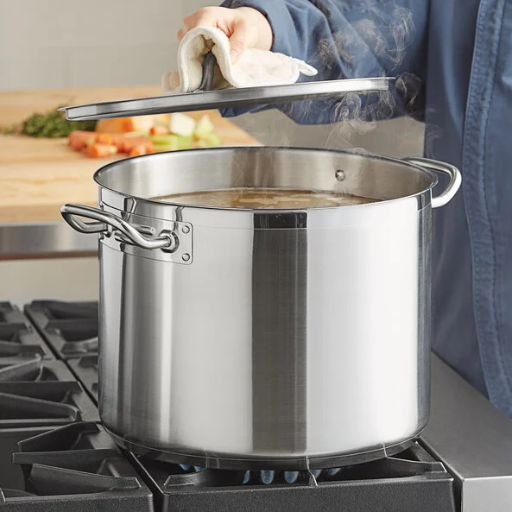
- Metal lids are durable and fit tightly.
- Heat-resistant handles reduce burns.
- Look for riveted handles for strength.

Credit: circulon.uk.com
Prepping Ingredients In Advance
Preparing ingredients before cooking saves time and keeps your kitchen organized. It helps you use your stockpot efficiently without delays.
Good prep work reduces stress and makes cooking smoother. Focus on chopping and measuring ingredients early to keep things moving.
Chopping And Measuring
Cut vegetables and other ingredients into even pieces to cook them evenly. Measure spices and liquids before you start.
- Use a sharp knife to chop faster and safer
- Measure spices in small bowls or cups
- Keep chopped items in separate containers
- Label containers for easy identification
Organizing Your Workspace
Arrange your kitchen tools and ingredients close to your cooking area. Clear space helps you work faster and avoid clutter.
| Item | Placement |
| Chopped vegetables | Next to the stove |
| Measured spices | On the countertop |
| Utensils | Within arm’s reach |
| Cutting board | Near the sink |
Optimal Heat Settings
Using the right heat settings is key to cooking well with stockpots. It saves energy and keeps food tasty.
Understanding how heat works helps you choose the best temperature for your dish. This guide explains two main ideas.
Understanding Heat Distribution
Heat spreads differently in stockpots depending on their material and size. Some pots heat evenly, while others have hot spots.
- Heavy-bottomed pots spread heat well and reduce burning.
- Thin pots heat quickly but can cause food to stick.
- Cast iron pots keep heat long but take time to warm up.
Adjusting For Different Recipes
Different recipes need different heat levels. Adjust your stove to match what you cook for best results.
| Recipe Type | Recommended Heat Setting | Reason |
|---|---|---|
| Boiling pasta or vegetables | High | Quick cooking and fast water boiling |
| Simmering soups or stews | Low to medium | Even cooking and flavor blending |
| Searing meat before slow cooking | High | Creates crust and locks juices |
| Cooking delicate sauces | Low | Prevents burning and curdling |
Credit: wholesale-appliances.com
Layering Ingredients
Layering ingredients in a stockpot helps build flavors evenly. It also ensures proper cooking of all items.
Knowing how to layer ingredients saves cooking time and improves the final dish quality.
Timing And Order
Put hard ingredients like bones and root vegetables at the bottom first. They need more time to cook.
Next, add softer vegetables and herbs on top. These cook faster and release flavors quickly.
- Add bones or meat first to create a rich base.
- Place root vegetables such as carrots and onions next.
- Layer softer vegetables like celery and bell peppers last.
- Finish with fresh herbs and leafy greens near the end.
Avoiding Overcrowding
Do not fill the stockpot too full. Overcrowding stops heat from circulating well.
| Reason | Effect |
|---|---|
| Too many ingredients | Uneven cooking and weak flavors |
| Overcrowded pot | Longer cooking time and soggy texture |
| Proper layering | Better flavor extraction and consistent cooking |
Making Use Of Leftovers
Stockpots are perfect for cooking large meals. They also help you save food by using leftovers well. This reduces waste and saves time in the kitchen.
Using leftovers smartly lets you create new dishes without extra effort. It also makes your meals more varied and enjoyable.
Storing And Reheating
Store leftovers in airtight containers to keep them fresh longer. Cool the food before placing it in the fridge or freezer. Label containers with dates to avoid spoilage.
- Use glass or BPA-free plastic containers
- Keep soups and stews in portion-sized containers
- Reheat leftovers evenly on the stove or microwave
- Stir food while reheating to avoid hot spots
- Do not reheat leftovers more than once
Creative Recipe Ideas
Leftover stockpot meals can be transformed into new dishes. Mix and match ingredients to create soups, casseroles, or pasta sauces. Adding fresh herbs or spices can change flavors easily.
| Leftover Type | New Dish Idea | Simple Additions |
|---|---|---|
| Cooked Vegetables | Vegetable Soup | Broth, herbs, noodles |
| Stew or Chili | Hearty Casserole | Cheese, bread crumbs |
| Rice or Pasta | Stir Fry | Fresh veggies, soy sauce |
| Cooked Meat | Sandwich or Wrap | Mustard, lettuce, cheese |
Cleaning And Maintenance
Keeping your stockpots clean helps them last longer and work better. Regular care stops damage and keeps food safe.
Good cleaning and maintenance save you money and make cooking easier. It is important to do it right.
Choosing The Right Cleaning Tools
Use soft sponges or cloths to clean your stockpots. Hard scrubbers can scratch the surface.
Avoid steel wool or rough brushes. These can damage the pot’s finish and cause rust.
- Soft sponge or microfiber cloth
- Mild dish soap
- Non-abrasive scrubbers
- Plastic or wooden utensils for stuck food
- White vinegar for tough stains
Preventing Stains And Odors
Clean your stockpot right after use to stop stains. Leftover food can cause odors and marks.
Dry your pot completely to prevent rust and smells. Store it in a dry place.
- Rinse with warm water after cooking
- Use baking soda paste for stubborn stains
- Boil water with lemon juice to remove odors
- Do not leave food inside for long periods
- Air dry or wipe dry before storing
Frequently Asked Questions
How Can I Prevent Food From Sticking In Stockpots?
Use medium heat and stir food regularly to avoid sticking. Adding oil or butter before cooking helps create a non-stick surface. Also, avoid overcrowding the pot to ensure even heat distribution and prevent food from sticking.
What Size Stockpot Is Best For Family Cooking?
Choose a stockpot between 6 to 12 quarts for family meals. This size accommodates soups, stews, and boiling pasta efficiently. Larger pots are ideal for batch cooking or entertaining multiple guests.
Can I Use Stockpots For Slow Cooking?
Yes, stockpots can be used for slow cooking on low heat. However, monitor the temperature to prevent burning. Using a heat diffuser can help maintain an even, gentle heat ideal for slow cooking.
How Do I Clean Burnt Residue From Stockpots?
Soak the pot in warm, soapy water for 30 minutes. Use a non-abrasive scrubber to gently remove residue. For tough stains, mix baking soda and water to form a paste, then scrub carefully.
Conclusion
Using stockpots wisely saves time and energy in the kitchen. Choose the right size for your recipe. Keep the pot clean to avoid flavors mixing. Heat evenly to cook food properly. Cover the pot to keep heat inside. Stir occasionally to prevent sticking.
These simple steps make cooking easier and tastier. Enjoy your meals with less hassle and stress. Small changes bring big benefits to your cooking routine. Try these tips to get the best from your stockpot. Cooking becomes more fun and efficient every time.