
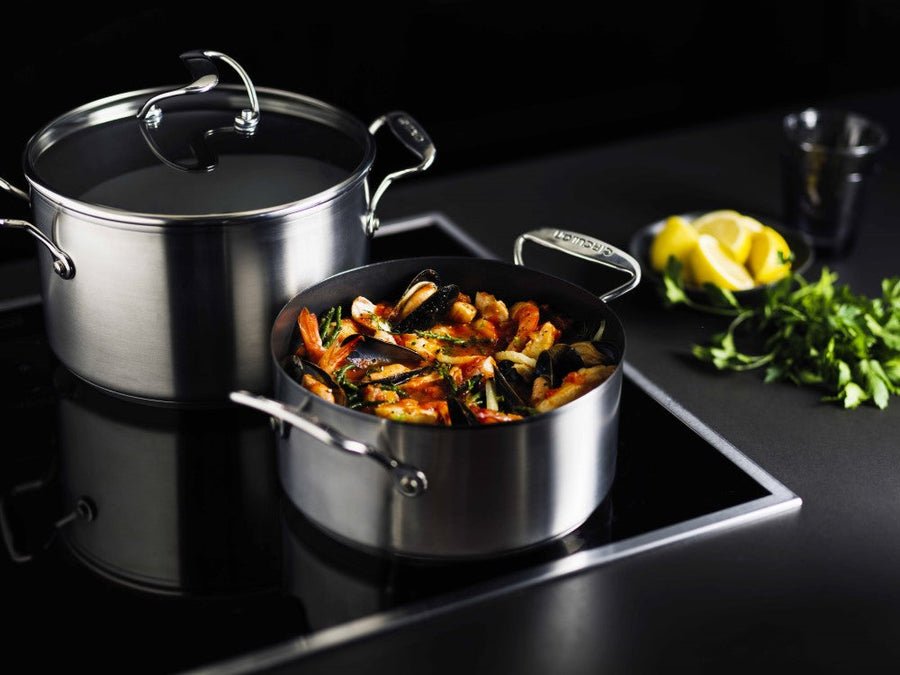
Are you ready to get the most out of your stockpot? Whether you’re simmering soups, boiling pasta, or preparing big batches of stew, your stockpot is one of the most versatile tools in your kitchen.
But are you really using it to its full potential? You’ll discover simple tips that make cooking easier, faster, and tastier. Keep reading, and you’ll unlock the secrets to mastering your stockpot like a pro. Your meals—and your kitchen—will never be the same.
Choosing The Right Stockpot
Picking the right stockpot makes cooking easier and better. Think about what you cook most and how you use your pot.
Focus on material, size, and handle features to find a pot that suits your kitchen needs.
Material Options
Stockpots come in various materials. Each one heats differently and lasts for a different time.
- Stainless steel is strong and does not rust.
- Aluminum heats up fast but can scratch easily.
- Copper offers great heat control but needs care.
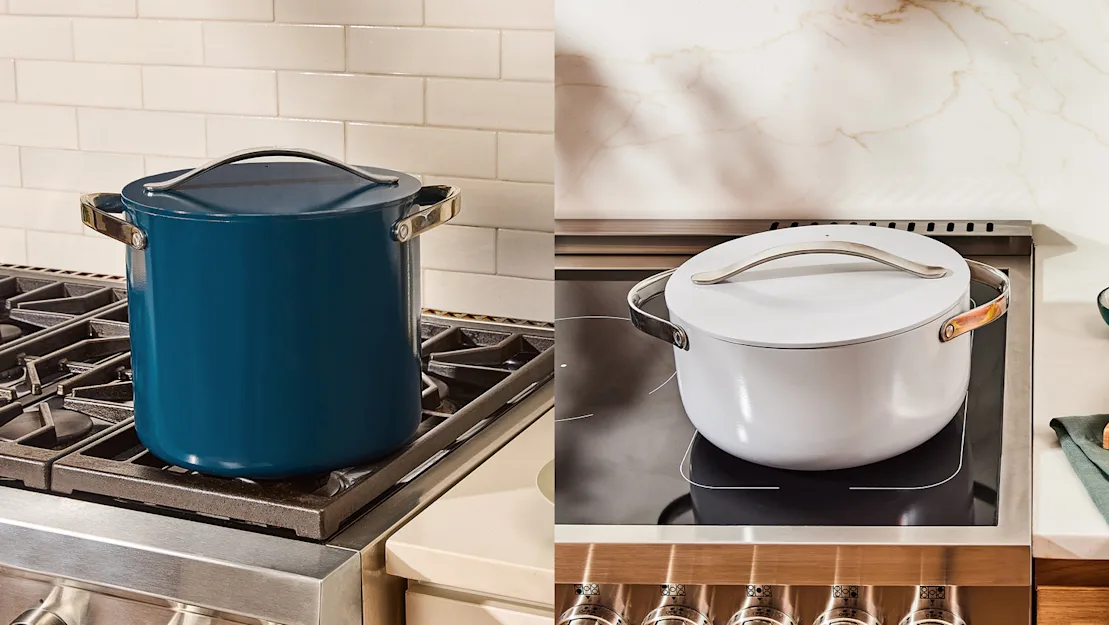
- Enamel-coated pots are easy to clean and come in colors.
Size Matters
Choose a size that matches your usual cooking amounts. Large pots are good for big meals and soups.
| Pot Size | Best Use |
| 4 to 6 quarts | Small families or side dishes |
| 8 to 12 quarts | Soups, stews, and medium groups |
| 16 quarts or more | Large batches or big families |
Handles And Lids
Handles should stay cool and be easy to grip. A tight lid helps keep heat and moisture in.
- Sturdy, riveted handles for safety.
- Lids with steam vents for pressure control.
- Oven-safe materials for more cooking options.
Preparing Your Stockpot
A stockpot is a useful tool for cooking soups, stews, and broths. Proper preparation helps keep it in good condition and improves your cooking results.
Before using your stockpot for the first time, take some time to clean and season it. This helps prevent unwanted flavors and protects the pot.
Cleaning Before Use
Cleaning your stockpot well is important. It removes dust, oils, or residues from manufacturing or storage.
- Wash the pot with warm water and mild dish soap.
- Use a soft sponge to avoid scratching the surface.
- Rinse thoroughly to remove all soap.
- Dry completely with a clean towel to stop rust.
Seasoning Tips
Seasoning your stockpot can protect it and improve cooking. This is especially true for cast iron or carbon steel pots.
| Step | Action |
|---|---|
| 1 | Wash and dry the pot completely. |
| 2 | Apply a thin layer of cooking oil inside and outside the pot. |
| 3 | Heat the pot on the stove or in the oven for about 1 hour. |
| 4 | Let the pot cool down before wiping off excess oil. |
Cooking Techniques
Stockpots are great tools for cooking large meals. Using the right techniques helps food cook evenly.
These tips focus on heat control, stirring, and how to avoid overcrowding your pot.
Managing Heat Levels
Keep the heat at medium or low to avoid burning food. High heat can cause uneven cooking.
Start with high heat to boil, then lower it to simmer or cook gently.
- Use medium heat for soups and stews
- Lower heat once boiling starts
- Adjust heat to keep a gentle simmer
Stirring And Simmering
Stir food often to stop it from sticking to the bottom. This helps cook food evenly.
Simmering means cooking just below boiling. It keeps flavors rich and food tender.
- Use a long spoon to stir gently
- Do not stir too fast or too hard
- Keep the pot covered to hold heat
Avoiding Overcrowding
Do not fill your stockpot too full. Overcrowding stops heat from spreading well.
Leave space so steam can move around. This helps food cook evenly and quickly.
- Fill pot no more than two-thirds full
- Cook in batches if needed
- Use a bigger pot for large meals

Credit: www.tasteofhome.com
Maximizing Flavor
Using a stockpot is a great way to cook meals with rich flavors. The way you add ingredients and cook them affects the taste a lot.
Simple tips can help you make your dishes taste better when using a stockpot.
Layering Ingredients
Put ingredients in the pot in the right order. Start with those that take longer to cook. Add softer items later.
This helps each ingredient release its flavor fully. It also prevents overcooking delicate foods.
- Begin with onions, carrots, and celery
- Add meats or bones next for deep flavor
- Include herbs and spices after that
- Finish with quick-cooking vegetables
Using Aromatics
Aromatics like garlic, ginger, and herbs add strong, fresh flavors. Cook them gently to bring out their best taste.
Sauté aromatics in a bit of oil before adding liquids. This step makes the dish smell great and taste richer.
- Use fresh garlic and onions for stronger flavor
- Add herbs like thyme or bay leaves early
- Include spices in small amounts to avoid bitterness
- Toast spices lightly to unlock their aroma
Timing For Best Results
Cook your stockpot dishes slowly at low heat. Slow cooking helps flavors mix well and become deep.
Check ingredients as they cook. Remove any that are done early to keep texture and taste just right.
- Simmer soups and stocks for several hours
- Add quick-cooking items near the end
- Stir occasionally to blend flavors evenly
- Taste and adjust seasoning during cooking
Maintenance And Care
Stockpots are a kitchen essential. Caring for them keeps them working well.
Good maintenance helps your stockpot last longer and stay clean.
Cleaning After Cooking
Clean your stockpot soon after use. This stops food from sticking.
- Use warm water and mild dish soap
- Scrub gently with a soft sponge
- Avoid steel wool to prevent scratches
- Dry completely with a soft towel
- For tough stains, soak before scrubbing
Storage Tips
Store your stockpot in a dry place. Keep it covered or inside a cabinet.
| Storage Method | Benefit |
| Stack with lids separate | Prevents scratches |
| Hang on pot rack | Saves space and air dries |
| Use protective liners | Keeps surfaces safe |
| Store in dry cupboard | Prevents rust and stains |
Preventing Damage
Handle your stockpot with care to avoid dents and warping.
- Do not drop or bang the pot
- Avoid high heat without liquid inside
- Use wooden or silicone utensils
- Check handles are tight and secure
- Let the pot cool before washing
Credit: www.carawayhome.com
:max_bytes(150000):strip_icc()/ecolution-stainless-steel-stock-pot-391fb84bdfd34deca7b9eeb23e7f4dac.jpg)
Credit: www.foodandwine.com
Frequently Asked Questions
What Is A Stockpot Used For?
A stockpot is a versatile kitchen tool used for cooking large quantities of liquid-based dishes. It’s ideal for making soups, stews, stocks, and pasta. Its tall design ensures even heat distribution, making it perfect for simmering and boiling. Stockpots are essential for batch cooking and meal prep.
How To Choose The Right Stockpot Size?
Choosing the right stockpot size depends on your cooking needs and kitchen space. For families, a 12-quart pot is ideal. Smaller households may prefer a 6 to 8-quart pot. Consider the types of dishes you cook most frequently. Larger pots are great for making big batches.
Can Stockpots Go In The Oven?
Many stockpots are oven-safe, but it’s crucial to check the manufacturer’s guidelines. Oven safety depends on the material and handle construction. Stainless steel and some enameled cast iron stockpots are generally safe. However, ensure the handles can withstand oven temperatures.
Always verify to avoid damage.
How To Clean A Burnt Stockpot?
To clean a burnt stockpot, fill it with water and add vinegar. Boil the mixture for a few minutes. Remove from heat and add baking soda. Let it sit for a while, then scrub gently with a non-abrasive sponge. Rinse thoroughly, and your stockpot should be clean.
Conclusion
Stockpots help cook large meals with ease and comfort. Use the right size for best results. Keep heat steady to avoid burning food. Clean your stockpot well to keep it lasting long. Simple care makes cooking more enjoyable and safe.
Try these tips to get the most from your stockpot. Enjoy cooking with less stress and more flavor. Your kitchen work will feel smoother and faster. A good stockpot is a helpful tool every cook needs.