
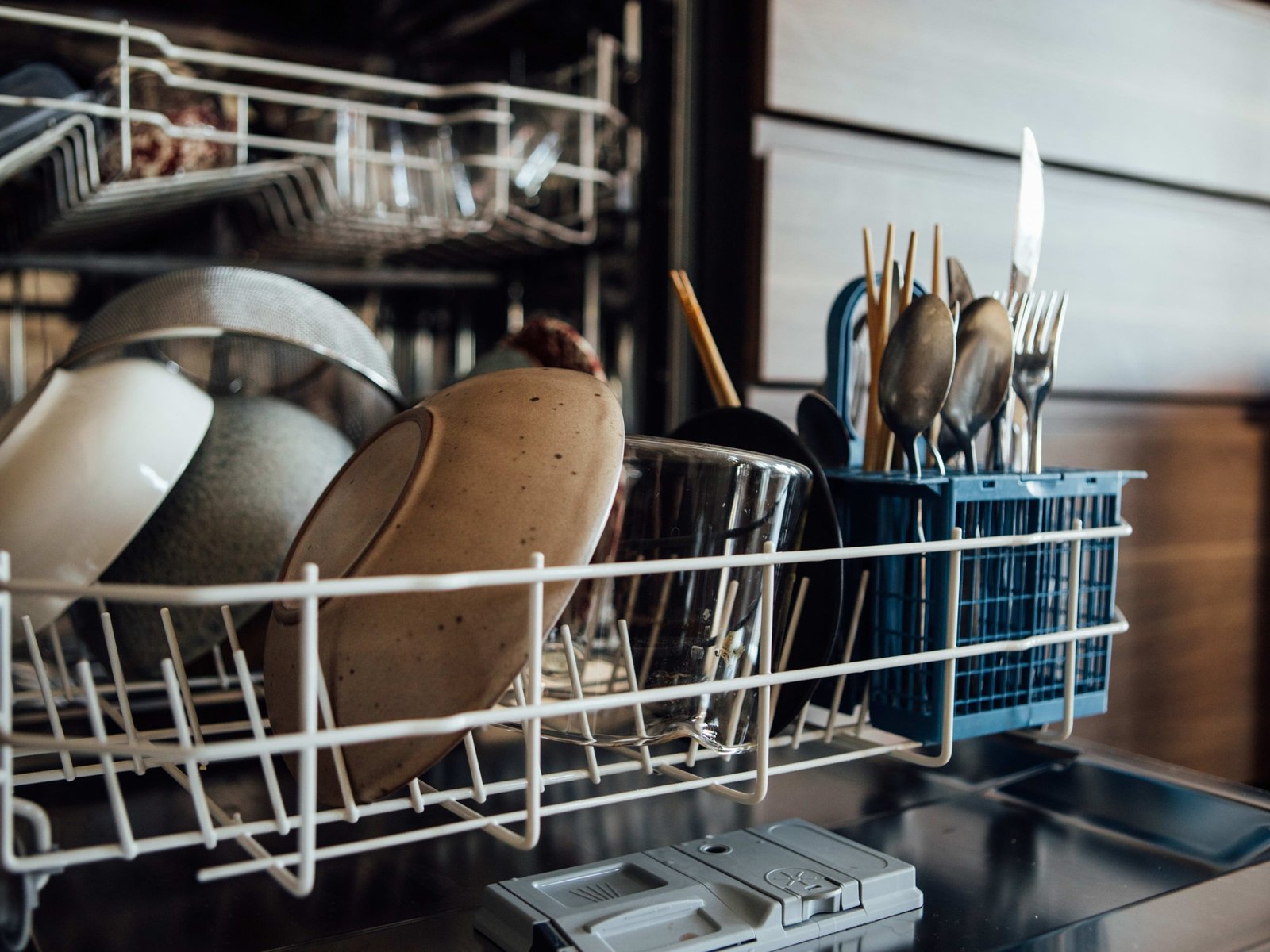
Are you getting the most out of your smart dishwasher? These modern machines are designed to save you time, water, and energy—but only if you know how to use them right.
Imagine finishing your dishes faster, cutting down your utility bills, and keeping your kitchen spotless with less effort. You’ll discover simple tips that make your smart dishwasher work smarter for you. Ready to unlock its full potential? Let’s dive in.
Choosing The Right Smart Dishwasher
Smart dishwashers make cleaning dishes easy. Choosing the right one can save energy and water. Knowing what to look for helps you make the best choice.
Consider energy ratings, features, and size before buying. This guide will help you understand these aspects.
Energy Star Ratings
Energy Star ratings show how efficient a dishwasher is. High ratings mean less energy use. This saves money and helps the environment.
Look for the Energy Star label when shopping. It ensures your dishwasher uses less water and electricity.
Key Features To Look For
Smart dishwashers come with many features. Some have delay start and smart sensors. Others can be controlled with a phone app.
Choose features that fit your needs. A quick wash option can save time. A sanitizing wash is great for households with children.
- Delay start for convenience
- Smart sensors for better cleaning
- App control for remote access
- Quick wash for busy days
- Sanitizing wash for extra hygiene
Size And Capacity Considerations
Dishwasher size depends on your kitchen space. Measure your available area before buying. Capacity is about how many dishes it holds.
Families need larger dishwashers. Singles or couples might prefer compact ones. Check the number of place settings it can handle.
| Size | Capacity |
| Compact | 6-8 place settings |
| Standard | 12-14 place settings |
| Large | 15+ place settings |

Credit: www.youtube.com
Optimizing Dishwasher Loading
Loading your smart dishwasher the right way helps it clean better. It also saves water and energy.
Organizing dishes properly lets water and detergent reach all surfaces. This improves cleaning results.
Proper Placement Of Dishes
Place plates and bowls facing the center where water sprays. Cups and glasses go on the top rack.
Make sure pots and pans do not block spray arms. Keep all items stable to avoid movement during washing.
- Face plates and bowls inward
- Top rack for cups and glasses
- Keep large items away from spray arms
- Place sharp items pointing down
Avoiding Overloading
Do not pack too many dishes in the dishwasher. Overloading stops water from reaching all items.
Leave space between dishes for better water flow. Overcrowding can cause poor cleaning and damage.
- Load dishes with space around them
- Do not stack items too tightly
- Check spray arms can spin freely
Using Adjustable Racks
Adjust racks to fit large or oddly shaped items. Many smart dishwashers have flexible rack settings.
Use adjustable racks to create more room and improve cleaning. Lower racks for tall pots, upper racks for glasses.
- Move racks to fit tall or large dishes
- Use fold-down tines for odd shapes
- Customize space for better water flow
Selecting Energy-saving Cycles
Smart dishwashers offer energy-saving cycles to help reduce water and electricity use. Choosing the right cycle saves money and protects the environment.
Using energy-saving cycles can keep your dishes clean without wasting resources. Learn how to pick the best cycle for your needs.
Eco Mode Benefits
Eco mode uses less water and energy by washing dishes at lower temperatures. It takes longer but uses fewer resources overall.
This mode is good for lightly soiled dishes and daily loads. It helps lower your utility bills and reduces your carbon footprint.
Short Wash Options
Short wash cycles clean dishes quickly using less energy. They are best for small loads or lightly dirty dishes.
Using a short wash cycle saves time and power, but it may not clean heavily soiled dishes well. Choose this option wisely.
Delay Start Features
Delay start lets you set the dishwasher to run later. You can use it to run cycles during off-peak energy hours.
This feature helps lower energy costs and balances electricity use. You can load the dishwasher anytime and start it when it is cheaper.

Credit: www.maytag.ca
Maintaining Your Smart Dishwasher
Keeping your smart dishwasher clean helps it work well for a long time. Regular care stops problems before they start.
Simple maintenance tasks make your dishwasher more efficient and keep your dishes spotless every time.
Regular Cleaning Tips
Clean the inside of your dishwasher often to remove food and grease. Wipe the door seals and edges with a damp cloth.
Run an empty cycle with dishwasher cleaner or white vinegar once a month. This removes buildup and keeps the machine fresh.
Checking And Replacing Filters
Check the filters regularly to avoid clogs. Dirty filters reduce cleaning power and can damage the dishwasher.
Remove and rinse the filters under running water. Replace them if they look worn or broken to keep your dishwasher running smoothly.
- Locate filters at the bottom of the dishwasher
- Remove gently and rinse with warm water
- Check for cracks or damage before reinstalling
- Replace filters every 6 to 12 months or as needed
Preventing Mold And Odors
Leave the dishwasher door slightly open after use. This allows air to flow and stops mold from growing inside.
Clean the rubber seals and spray arms to remove trapped moisture and food particles. This helps prevent bad smells.
- Wipe seals with a cloth soaked in vinegar or mild soap
- Check spray arms for clogs and clean holes with a toothpick
- Run hot water cycles regularly to dry the dishwasher
Smart Features For Efficiency
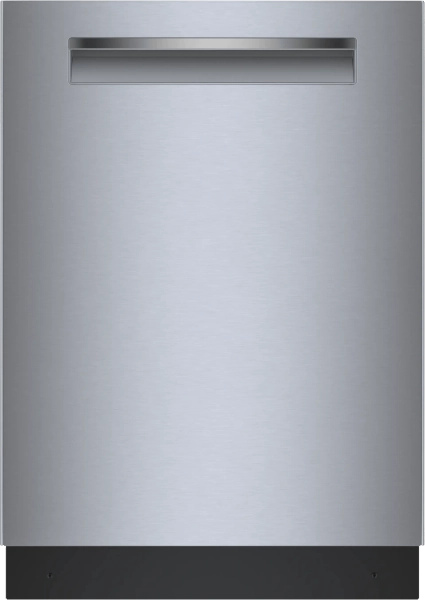
Smart dishwashers have features that save time, water, and energy. These features help you use the machine in a better way.
Understanding these smart features can improve your dishwasher’s performance and reduce waste.
Wi-fi Connectivity And Remote Control
Wi-Fi lets you connect your dishwasher to a phone or tablet. You can start or stop the machine from anywhere.
This feature helps you run the dishwasher at the best time. You can check the cycle progress without going to the kitchen.
- Start or pause cycles remotely
- Receive alerts when the cycle ends
- Schedule runs for off-peak energy hours
Water Usage Monitoring
Smart dishwashers track how much water they use. This helps you avoid wasting water on small loads.
You can see water use reports on your app. It helps you adjust settings to save water and lower bills.
- Check daily and monthly water use
- Adjust cycles based on water consumption
- Detect leaks or unusual water use
Automatic Load Sensing
Load sensing means the dishwasher knows how full it is. It changes water and energy use to match the load size.
This feature saves resources by using only what is needed. It also helps clean dishes better by adjusting cycle time.
- Detects small or large loads
- Adjusts water level and wash time
- Improves cleaning while saving energy
Credit: www.listful.com
Energy-saving Habits
Smart dishwashers help save water and electricity. Using them the right way lowers your energy bill.
Small changes in how you run your dishwasher can save a lot of energy. Try these tips to use your machine efficiently.
Running Full Loads Only
Wait until your dishwasher is full before running it. Running half-empty loads wastes water and power.
Full loads make the best use of energy and water. It also reduces the number of washing cycles you need.
- Saves water by cleaning more dishes at once
- Reduces electricity use for heating water
- Lowers detergent use per dish
Using Off-peak Hours
Run your dishwasher during off-peak hours. Electricity costs less when fewer people use power.
Many smart dishwashers allow you to set a delay start. This helps you choose times when energy is cheaper.
- Check your local energy provider for off-peak times
- Set your dishwasher to run at night or early morning
- Save money by using less expensive electricity
Air-drying Dishes
Turn off the heat drying feature and let dishes air dry. This saves the energy used by the drying element.
Many smart dishwashers have an air-dry option. It uses fans or natural airflow instead of heat to dry dishes.
- Reduces electricity use after washing
- Prevents heat damage to plastic items
- Helps lower your overall energy consumption
Frequently Asked Questions
How Can I Load My Smart Dishwasher Efficiently?
Load dishes without blocking spray arms. Place large items on the sides, small ones in the top rack. Avoid overcrowding to ensure water reaches all surfaces for optimal cleaning.
What Smart Features Save Energy In Dishwashers?
Look for eco or energy-saving modes. Use delayed start during off-peak hours. Smart sensors adjust water and energy based on load size, reducing consumption and saving money.
How Often Should I Clean My Smart Dishwasher?
Clean the filter and spray arms monthly. Wipe the door gasket and interior regularly. This maintains performance, prevents odors, and prolongs your dishwasher’s lifespan.
Can I Control My Smart Dishwasher Remotely?
Yes, many models offer remote control via smartphone apps. You can start, pause, or monitor cycles, enhancing convenience and allowing efficient use anytime, anywhere.
Conclusion
Using smart dishwashers wisely saves water, energy, and time. Load dishes properly for best cleaning results. Choose the right cycle based on your needs. Regularly clean filters to keep the machine working well. Keep an eye on detergent amounts to avoid waste.
Small steps make a big difference over time. Smart dishwashers work best with good habits. Enjoy cleaner dishes with less effort every day.