
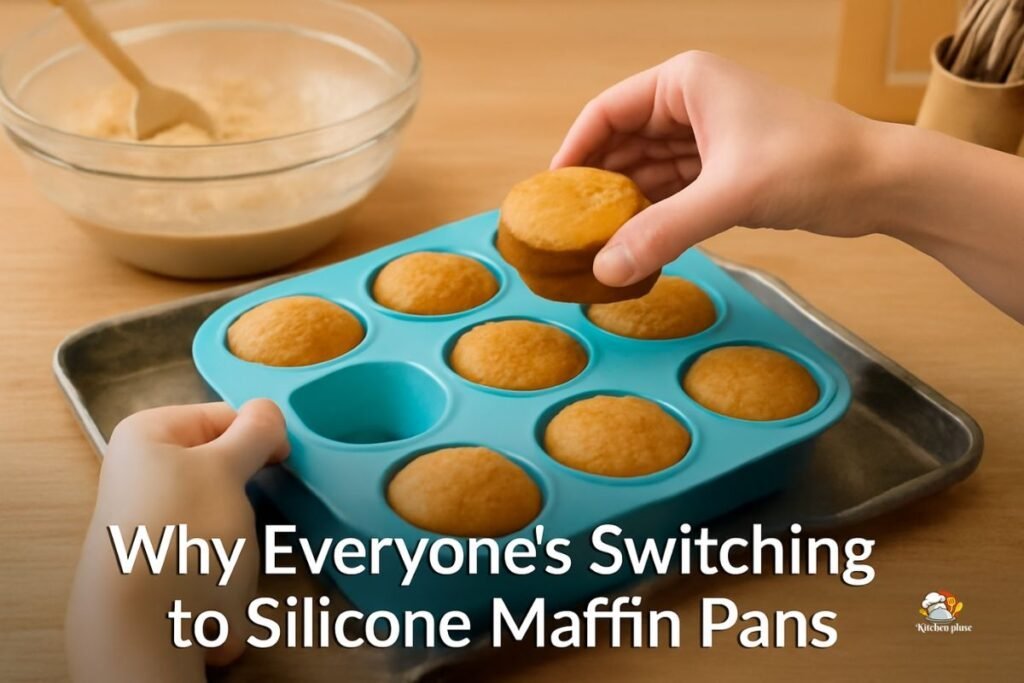
If you love baking, silicone bakeware can be a game-changer in your kitchen. It’s flexible, easy to clean, and makes removing baked goods a breeze.
But to get the best results, you need to know a few simple tips. These little tricks will help you bake perfectly every time, avoid common mistakes, and keep your silicone pans in great shape. Keep reading, and you’ll discover how to make the most of your silicone bakeware with ease and confidence.
Benefits Of Silicone Bakeware
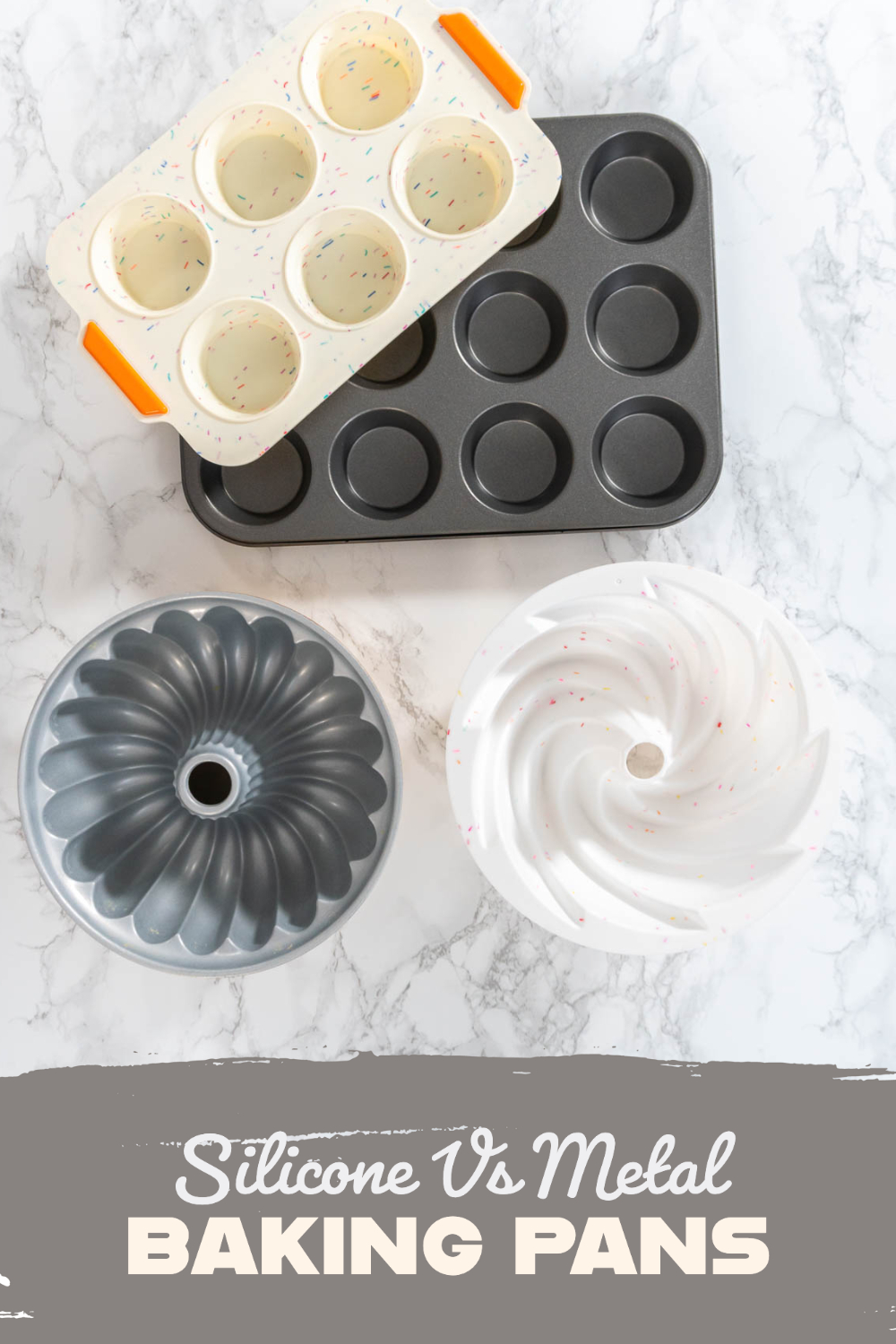
Silicone bakeware is a popular choice for many home bakers. It offers several advantages over traditional metal or glass pans.
Understanding these benefits can help you decide if silicone bakeware fits your kitchen needs.
Non-stick Surface
Silicone bakeware has a natural non-stick surface. This means your baked goods release easily without extra oil or sprays. It makes cleaning fast and simple.
Flexibility And Storage
Silicone pans are flexible and bendable. You can fold or roll them for easy storage. This saves space in your kitchen cabinets.
Heat Resistance And Safety
Silicone can handle high temperatures without melting or warping. It stays cool to the touch after baking, reducing burn risks.
- Safe to use in ovens up to 500°F (260°C)
- Microwave and freezer safe
- Does not release harmful chemicals
Even Heat Distribution
Silicone distributes heat evenly across the surface. This helps your food bake uniformly and prevents hot spots.
| Material | Heat Conductivity | Durability |
| Silicone | Good | High |
| Metal | Excellent | High |
| Glass | Moderate | Fragile |
Choosing The Right Silicone Bakeware
Silicone bakeware is flexible and easy to use. Picking the right one helps you bake better.
Think about your baking needs before buying silicone bakeware. Size, shape, and quality matter.
Size And Shape Considerations
Choose silicone bakeware that fits your oven and baking recipes. Too big or small can cause problems.
Some shapes work better for certain dishes. Round pans are good for cakes, while square pans suit brownies.
- Measure your oven space before buying
- Match the pan shape to your recipe
- Use larger molds for big batches
- Smaller molds are good for individual treats
Quality Indicators
Good quality silicone bakeware lasts longer and bakes evenly. Look for food-grade silicone.
Check if the bakeware is BPA-free and heat resistant. These signs show safe and strong materials.
- Food-grade silicone is safe for baking
- BPA-free means no harmful chemicals
- Heat resistance up to 450°F or higher
- Non-stick surface for easy release
- Thick silicone is more durable
Preparing Silicone Bakeware For Use
Silicone bakeware is flexible and easy to use. Preparing it properly helps your baking go smoothly.
Before you bake, take simple steps to clean and prepare the bakeware. This keeps your food safe and prevents sticking.
Cleaning Before First Use
New silicone bakeware may have dust or oils from the factory. Clean it well before using it for the first time.
Wash the bakeware with warm water and mild soap. Use a soft sponge or cloth to avoid damage.
- Rinse thoroughly to remove soap
- Dry completely with a towel
- Inspect for any residues or smells
Greasing And Flour Dusting
Even though silicone is non-stick, greasing helps release baked goods easily. Add flour for extra protection.
Apply a thin layer of oil or butter using a brush or paper towel. Then, dust with a light coating of flour.
- Grease all surfaces evenly
- Shake off extra flour
- Tap the bakeware gently to spread flour
Credit: arinaphotography.com
Temperature And Baking Time Adjustments
Silicone bakeware works differently than metal or glass pans. It heats up and cools down in unique ways. You should adjust your baking settings for best results.
Knowing how heat moves in your oven and changing baking times helps you avoid undercooked or burnt food. This guide explains key tips on temperature and time.
Understanding Oven Heat Distribution
Ovens often have hot and cool spots. Silicone bakeware is flexible and holds heat differently. This means your baked goods may cook unevenly if you do not adjust.
- Place silicone pans in the center of the oven for even heat.
- Avoid stacking pans to let heat circulate well.
- Check your oven’s hot spots by baking a test sheet of cookies.
- Use an oven thermometer to monitor accurate temperature.
Adapting Baking Times
Silicone pans may need a little more time to bake food fully. They do not conduct heat as fast as metal pans. Lowering temperature slightly can also help.
| Adjustment | Reason | Tip |
| Reduce oven temperature by 25°F (about 15°C) | Prevents over-browning | Set oven to 325°F instead of 350°F |
| Increase baking time by 5 to 10 minutes | Allows heat to penetrate fully | Check doneness with a toothpick |
| Use a baking sheet under silicone pan | Improves heat conduction | Place silicone pan on metal tray |
Handling And Safety Tips
Silicone bakeware is flexible and easy to use. It needs careful handling to keep it safe and last long.
Follow these tips to cool and remove baked goods safely from silicone molds.
Proper Cooling Techniques
Let silicone bakeware cool before touching or cleaning it. This prevents damage and keeps your hands safe.
- Remove bakeware from the oven and place on a heat-proof surface.
- Allow it to cool for at least 10 to 15 minutes.
- Do not use cold water to cool hot silicone molds quickly.
- Check that the bakeware is no longer hot before washing.
Safe Removal Of Baked Goods
Silicone is flexible, so you can bend it carefully to release baked goods. Use gentle methods to avoid tearing.
| Tip | Description |
| Cool Completely | Cool the baked item fully before removing it from the mold. |
| Flex Slowly | Bend the silicone gently to loosen the edges of the baked good. |
| Use a Spatula | Slide a soft spatula under the item if needed to lift it out. |
| Avoid Sharp Tools | Never use knives or sharp objects on silicone bakeware. |
Credit: kitchenpluse.com
Cleaning And Maintenance
Silicone bakeware is popular because it is flexible and easy to use. To keep it in good shape, regular cleaning and proper care are important.
Cleaning silicone bakeware well helps remove food residue and prevents bad smells. Proper storage keeps it safe and ready for the next use.
Effective Cleaning Methods
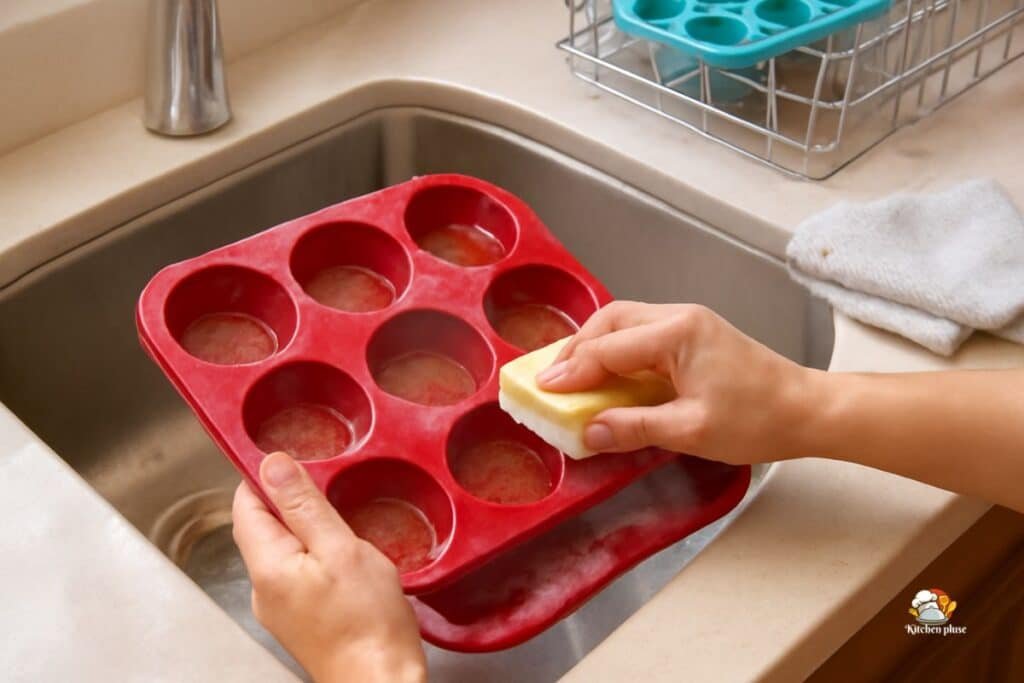
Wash silicone bakeware with warm soapy water after each use. Use a soft sponge to avoid damage. Avoid harsh scrubbing.
If food sticks, soak the bakeware in warm water for 10-15 minutes. This loosens stuck bits and makes cleaning easier.
- Use mild dish soap and warm water
- Soak for stuck food before washing
- Avoid abrasive cleaners and brushes
- Dry completely before storing
- Check for any leftover grease or stains
Storing Silicone Bakeware
Store silicone bakeware in a cool, dry place. Avoid folding or crushing it to keep its shape. Lay it flat or stand it up.
Keep bakeware away from sharp objects. This protects it from cuts and tears. Make sure it is clean and dry before storing.
- Store flat or standing upright
- Keep away from sharp edges
- Use a drawer or shelf with space
- Make sure it is dry before storing
- Avoid heavy items on top
Common Mistakes To Avoid
Silicone bakeware is popular for its flexibility and easy release. Using it correctly helps you get the best baking results.
Avoiding common mistakes can save your silicone molds from damage and keep your baked goods perfect.
Overfilling Molds
Overfilling silicone molds causes batter to spill over during baking. This makes a mess and can burn in the oven.
Fill each mold only up to two-thirds full. This gives space for the batter to rise without overflowing.
- Check mold capacity before pouring batter
- Leave room for rising and expansion
- Use a measuring cup for even filling
Ignoring Temperature Limits
Silicone bakeware has a maximum temperature limit. Ignoring this can cause the silicone to melt or warp.
Always check the manufacturer’s temperature guide. Most silicone molds can handle temperatures up to 428°F (220°C).
- Do not use silicone bakeware under a broiler
- Avoid placing silicone directly on heating elements
- Use oven-safe thermometers to monitor temperature
Creative Uses Beyond Baking
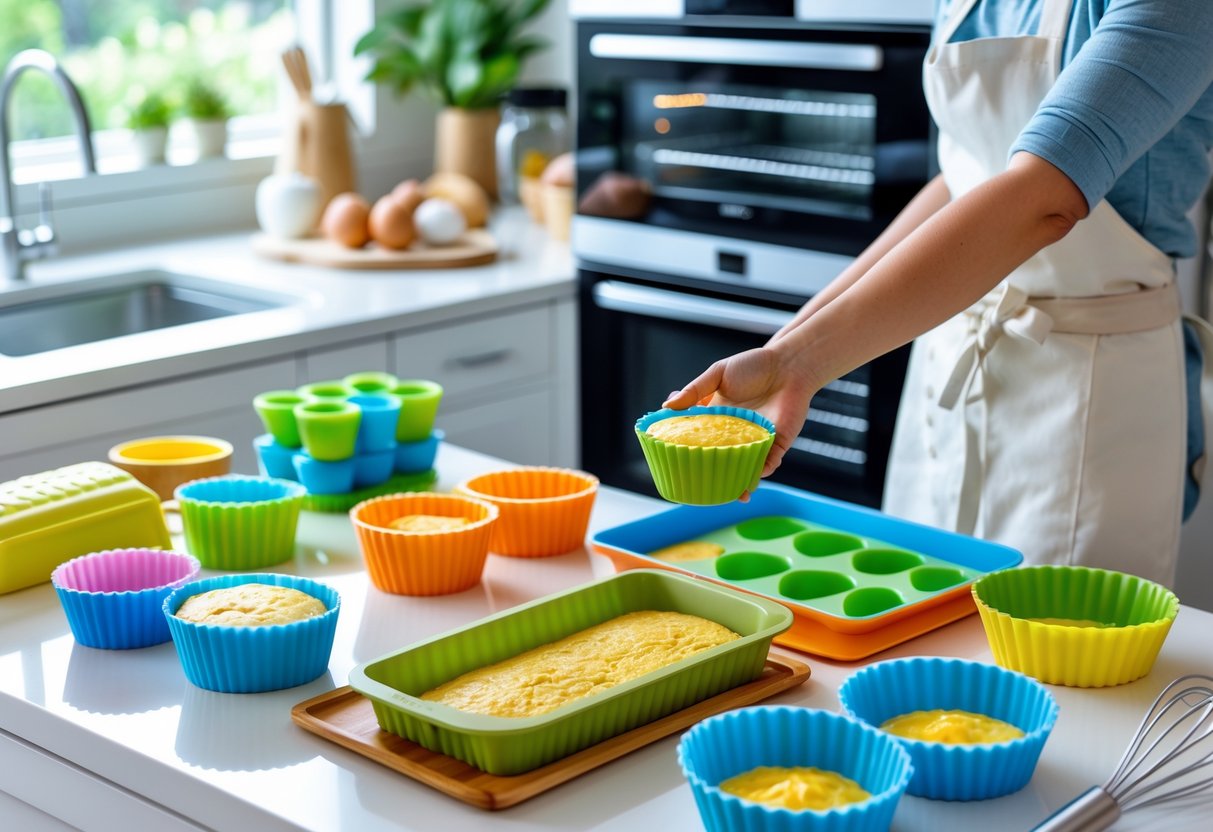
Silicone bakeware is not just for baking cakes or cookies. Its flexible and heat-resistant design makes it useful for many other tasks. You can use it for craft projects or even practical household jobs.
Here are some creative ways to use silicone bakeware beyond the kitchen. These ideas show how versatile this tool can be.
Crafting And Diy Projects
Silicone molds are perfect for crafting because they are easy to clean and bend. You can make items like soap, candles, or resin art using silicone bakeware. Its shape helps create detailed and neat results.
- Pour melted soap into silicone molds for custom shapes.
- Use silicone trays to set homemade candles safely.
- Make resin jewelry by pouring resin into small silicone molds.
- Create clay or plaster decorations by pressing material into the mold.
Non-food Applications
Silicone bakeware can also help in non-food areas around your home. Its non-stick surface and heat resistance are useful for organizing and protecting items.
| Use | Description |
| Jewelry Holder | Keep rings and earrings organized in small silicone compartments. |
| Paint Palette | Mix and hold paint colors in different sections of the mold. |
| Ice Mold | Make large ice cubes or shaped ice for drinks. |
| Tool Tray | Hold screws, nails, or small tools during repairs. |
Credit: giraffyco.com
Frequently Asked Questions
How Do I Clean Silicone Bakeware Effectively?
Clean silicone bakeware with warm, soapy water after each use. Avoid abrasive scrubbers to prevent damage. For stubborn residue, soak in baking soda and water before washing.
Can Silicone Bakeware Withstand High Oven Temperatures?
Yes, silicone bakeware is heat-resistant up to 450°F (232°C). Always check the manufacturer’s guidelines to avoid damage or melting during baking.
Is Silicone Bakeware Safe For Food And Baking?
Silicone bakeware is food-grade, non-toxic, and BPA-free. It does not leach chemicals, making it safe for baking and food preparation.
How Do I Prevent Sticking With Silicone Bakeware?
Lightly grease or dust silicone bakeware with flour before baking. This ensures easy release and maintains the bakeware’s non-stick properties.
Conclusion
Silicone bakeware makes baking easy and fun. Clean it gently and store it flat. Use it in ovens, microwaves, and freezers safely. Avoid sharp tools that can damage the surface. Remember to place it on a tray for support. These simple tips help your silicone bakeware last longer.
Enjoy baking with less mess and great results every time. Your kitchen routine will feel smoother and more enjoyable. Try these ideas and see the difference today.