
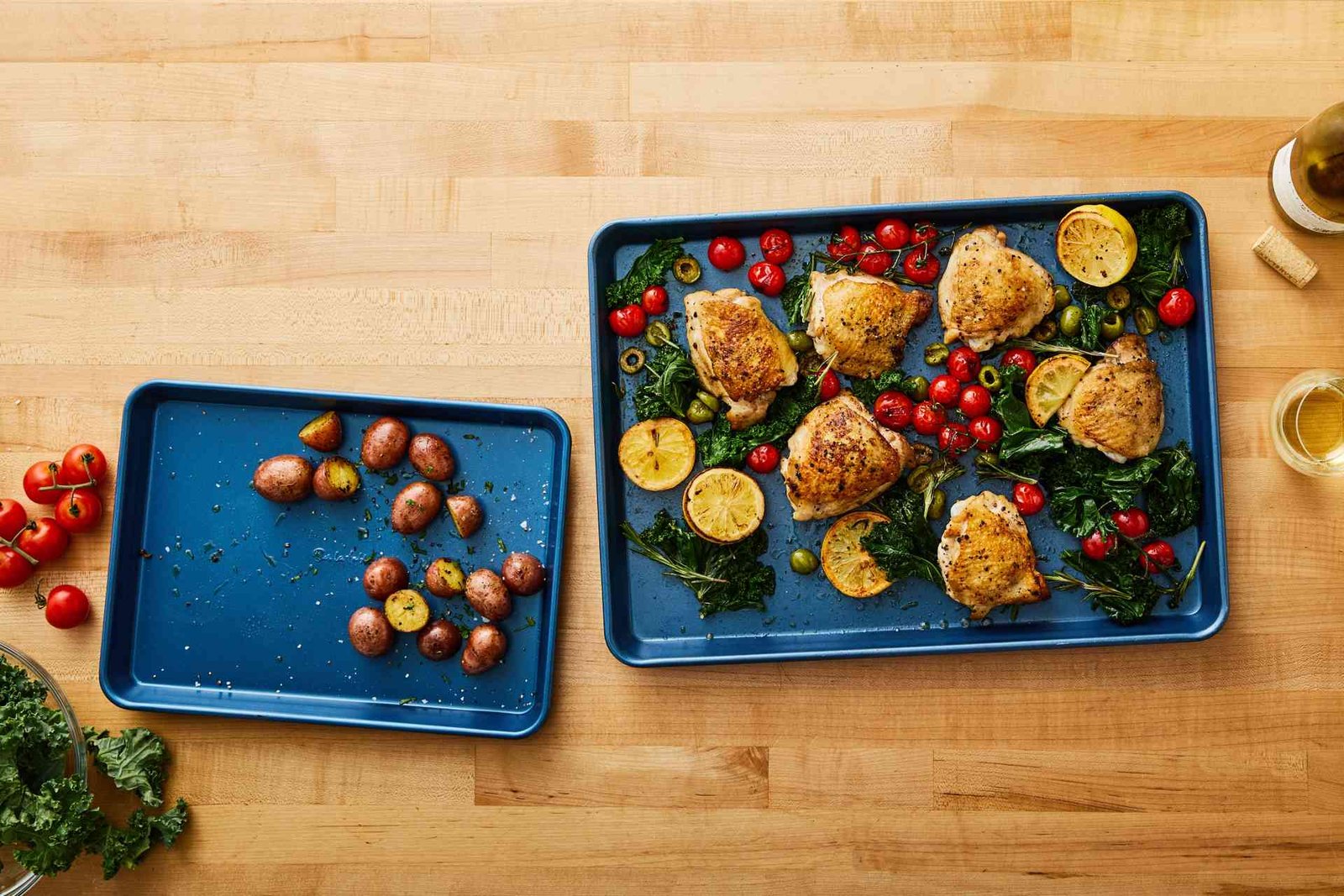
If you love cooking or baking, mastering how to use sheet pans can make your life so much easier. Whether you’re roasting vegetables, baking cookies, or making a quick dinner, the right tips can turn simple sheet pan meals into delicious successes.
You might be missing out on tricks that save time, improve flavor, or keep your pans lasting longer. Keep reading to discover easy, practical tips that will help you get the most from your sheet pans every time you step into the kitchen.
Your cooking game is about to level up!
Choosing The Right Sheet Pan
Choosing the right sheet pan helps you cook food evenly. It also makes cleanup easier and improves your cooking results.
Different sheet pans suit different recipes. This guide will help you pick the best one for your needs.
Material Matters
Sheet pans come in many materials. Each material affects heat distribution and durability.
Aluminum pans heat quickly and evenly. They are light and resist rust. Stainless steel pans are strong but heat slower.
- Aluminum: Good heat conduction, lightweight
- Stainless Steel: Durable, resists corrosion
- Non-stick Coated: Easy to clean, careful with utensils
- Carbon Steel: Heats fast, needs seasoning
Size And Shape Considerations
Sheet pans come in different sizes and shapes. Choose one that fits your oven and cooking needs.
Standard half-sheet pans work for most recipes. Jelly-roll pans are shallower and good for cookies.
- Full Sheet: Large, for commercial ovens
- Half Sheet: Most common size for home ovens
- Quarter Sheet: Small, good for small batches
- Jelly-Roll Pan: Shallow, for thin cakes and cookies
Prepping Your Sheet Pan
Using a sheet pan correctly helps your food cook evenly. It also makes cleanup easier. Preparing your pan before cooking saves time.
This guide covers two key tips for prepping your sheet pan. These tips will help you protect your pan and keep your kitchen clean.
Lining For Easy Cleanup
Lining your sheet pan prevents food from sticking. It also stops sauces and juices from burning on the pan.
- Use parchment paper for baking cookies or roasting vegetables.
- Aluminum foil works well for greasy foods and easy cleanup.
- Silicone baking mats provide a reusable, non-stick surface.
- A light coating of oil can help if you don’t have liners.
Preventing Warping
Warping happens when a sheet pan bends or twists from heat. This can cause uneven cooking and make the pan unstable.
| Cause | How to Prevent |
| Rapid temperature changes | Allow the pan to cool before washing |
| Using very high heat | Cook at recommended temperatures, not above 450°F (232°C) |
| Thin or low-quality pans | Choose heavy-duty or reinforced pans for durability |
Temperature And Heat Distribution
Sheet pans need even heat for good cooking results. Managing temperature well helps food cook evenly.
Understanding heat spread and preheating can improve your baking and roasting with sheet pans.
Preheating Techniques
Always preheat your oven before placing the sheet pan inside. This helps food cook at the right temperature from the start.
- Set the oven to the recipe temperature and wait at least 10 minutes.
- Place the empty sheet pan in the oven to warm it up.
- Use an oven thermometer to check if the heat is correct.
- A hot sheet pan can help create crispier food edges.
Avoiding Hot Spots
Hot spots are areas in your oven that get hotter than others. They can cause uneven cooking on sheet pans.
| Tip | How It Helps |
| Rotate the sheet pan halfway | Balances heat on all sides of food |
| Use a heavy, thick sheet pan | Distributes heat more evenly |
| Avoid overcrowding the pan | Allows hot air to circulate freely |
| Place pan in center rack | Ensures even heat exposure |

Credit: learn.surlatable.com
Layering And Spacing
Using sheet pans correctly helps your food cook evenly. Two key points are layering and spacing.
Proper layering and spacing improve cooking results and make cleanup easier.
Importance Of Even Spacing
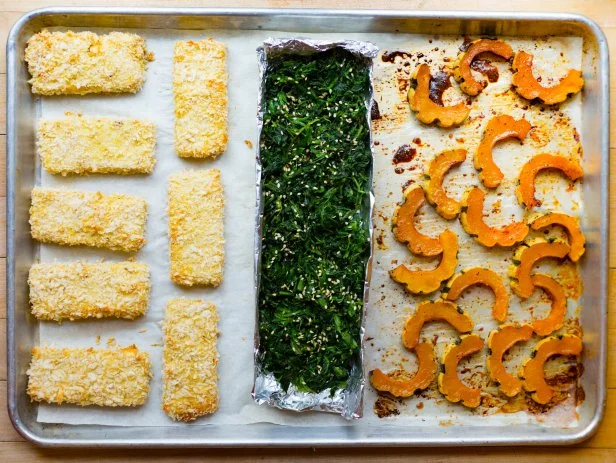
Even spacing lets hot air reach all food pieces. This helps everything cook at the same speed.
If food is crowded, steam builds up. This can make food soggy instead of crispy.
- Leave small gaps between items on the pan
- Avoid stacking food directly on top of each other
- Use larger pans if needed to give space
- Check for even spacing before cooking
Layering For Crispy Results
Layer food in a single layer for best crispiness. Overlapping traps moisture and slows cooking.
Thicker or larger pieces can go on the pan’s edges. This lets thinner pieces cook faster in the center.
- Arrange food in one flat layer
- Place similar-sized pieces together
- Use multiple pans if needed for layering
- Flip food halfway to brown both sides
Versatile Uses Beyond Baking
Sheet pans are not just for baking cookies or cakes. They work well for many cooking tasks. Their flat surface and edges make them perfect for roasting and cooking.
You can use sheet pans to prepare vegetables and proteins with ease. They help cook food evenly and keep your kitchen tidy.
Roasting Vegetables
Sheet pans are great for roasting vegetables. The large surface lets heat reach all pieces evenly. You can roast many vegetables at once.
Use a little oil and seasoning before roasting. Spread vegetables in a single layer. This helps them cook crisp without steaming.
- Carrots
- Broccoli
- Bell peppers
- Cauliflower
- Brussels sprouts
Cooking Proteins
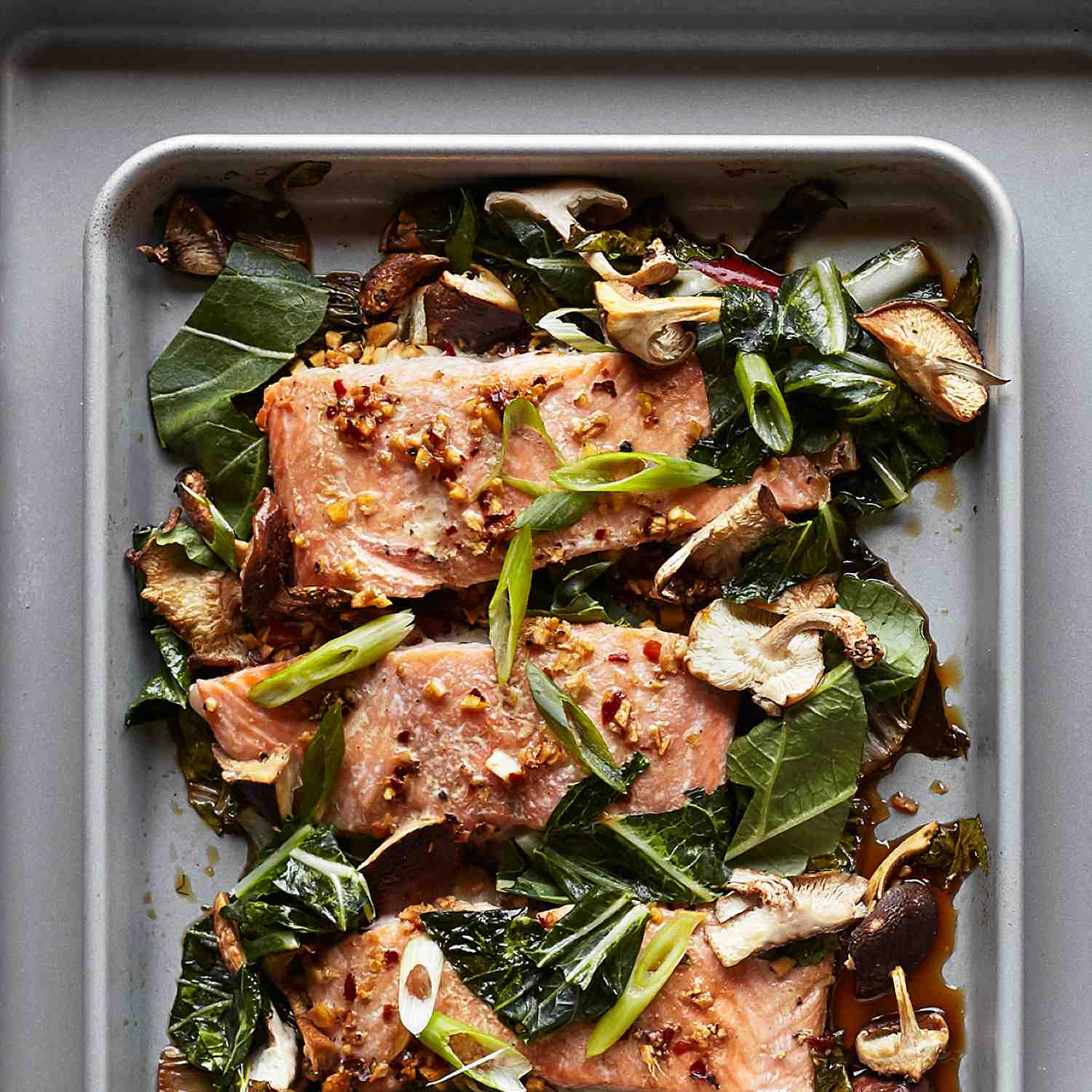
Sheet pans can cook proteins like chicken, fish, or tofu. They allow heat to circulate around the food. This helps brown the outside and keep the inside juicy.
Place proteins on the sheet pan with space between each piece. This stops steaming and makes a nice crust on the food.
- Chicken breasts or thighs
- Salmon fillets
- Pork chops
- Tofu slices
- Meatballs
Credit: learn.surlatable.com
Cleaning And Maintenance
Sheet pans need regular cleaning to stay safe and last longer. Proper care helps keep them looking good and working well.
Simple cleaning steps and smart storage can prevent damage and stains on your pans.
Removing Stubborn Stains
Sometimes food or grease leaves tough stains on sheet pans. Use gentle methods to remove these without harming the pan.
- Soak the pan in warm, soapy water for 15 minutes before scrubbing.
- Use a soft sponge or cloth to avoid scratching the surface.
- Make a paste with baking soda and water, apply it to stains, and let it sit for 30 minutes.
- Rinse well and dry completely to stop rusting.
- Avoid harsh chemicals or steel wool that can damage the pan’s finish.
Proper Storage Tips
Storing sheet pans correctly keeps them clean and prevents warping or scratches.
| Storage Tip | Reason |
|---|---|
| Stack pans with paper towels between them | Protects surfaces from scratches |
| Keep pans in a dry place | Prevents rust and corrosion |
| Store pans upright if possible | Saves space and avoids bending |
| Clean pans before storing | Stops food residue from hardening |
Common Mistakes To Avoid
Sheet pans are great for cooking many dishes at once. Using them right helps your food cook evenly and taste good.
Avoid these common mistakes to get the best results every time.
Overcrowding The Pan
Putting too much food on the sheet pan stops air from moving around. This causes food to cook unevenly and get soggy.
- Leave space between pieces for heat to flow.
- Use more than one pan if needed.
- Check that the pan is not too full before baking.
- Turn food halfway through cooking for even browning.
Ignoring Pan Condition
Old or damaged pans can cause food to stick or cook unevenly. Rust or dents also affect results.
| Pan Condition | Effect on Cooking | Tip |
|---|---|---|
| Scratched or worn surface | Food sticks easily | Use parchment paper or a silicone mat |
| Dented pan | Uneven cooking | Replace or avoid heavy pans |
| Rusty pan | Unsafe and bad taste | Discard and use a clean pan |
| Non-stick coating peeling | Food sticks and coating can mix with food | Replace pan immediately |
Credit: www.foodnetwork.com
Frequently Asked Questions
What Is The Best Material For Sheet Pans?
Aluminum sheet pans heat evenly and resist rust. They are lightweight and affordable. Stainless steel is durable but heats less evenly. Choose based on your cooking needs and budget for best results.
How Do I Prevent Food From Sticking On Sheet Pans?
Use parchment paper or silicone mats to prevent sticking. Lightly grease the pan with oil or cooking spray. These methods make cleanup easier and keep food intact during cooking.
Can Sheet Pans Be Used For Baking And Roasting?
Yes, sheet pans are versatile for both baking and roasting. Their flat surface promotes even heat distribution. They are ideal for cookies, vegetables, meats, and sheet pan dinners.
How Do I Clean Sheet Pans Effectively?
Soak pans in warm, soapy water after use. Use a non-abrasive sponge to remove residue. Avoid harsh scrubbers to prevent damage. Regular cleaning extends the pan’s lifespan.
Conclusion
Sheet pans make cooking easier and faster. Use them for roasting, baking, and more. Keep them clean and dry for long use. Choose the right size for your food. Avoid overcrowding to cook evenly. Line pans with foil or parchment to save time.
With these simple tips, enjoy better meals at home. Cooking with sheet pans can be fun and stress-free. Try these ideas and see the difference yourself.