
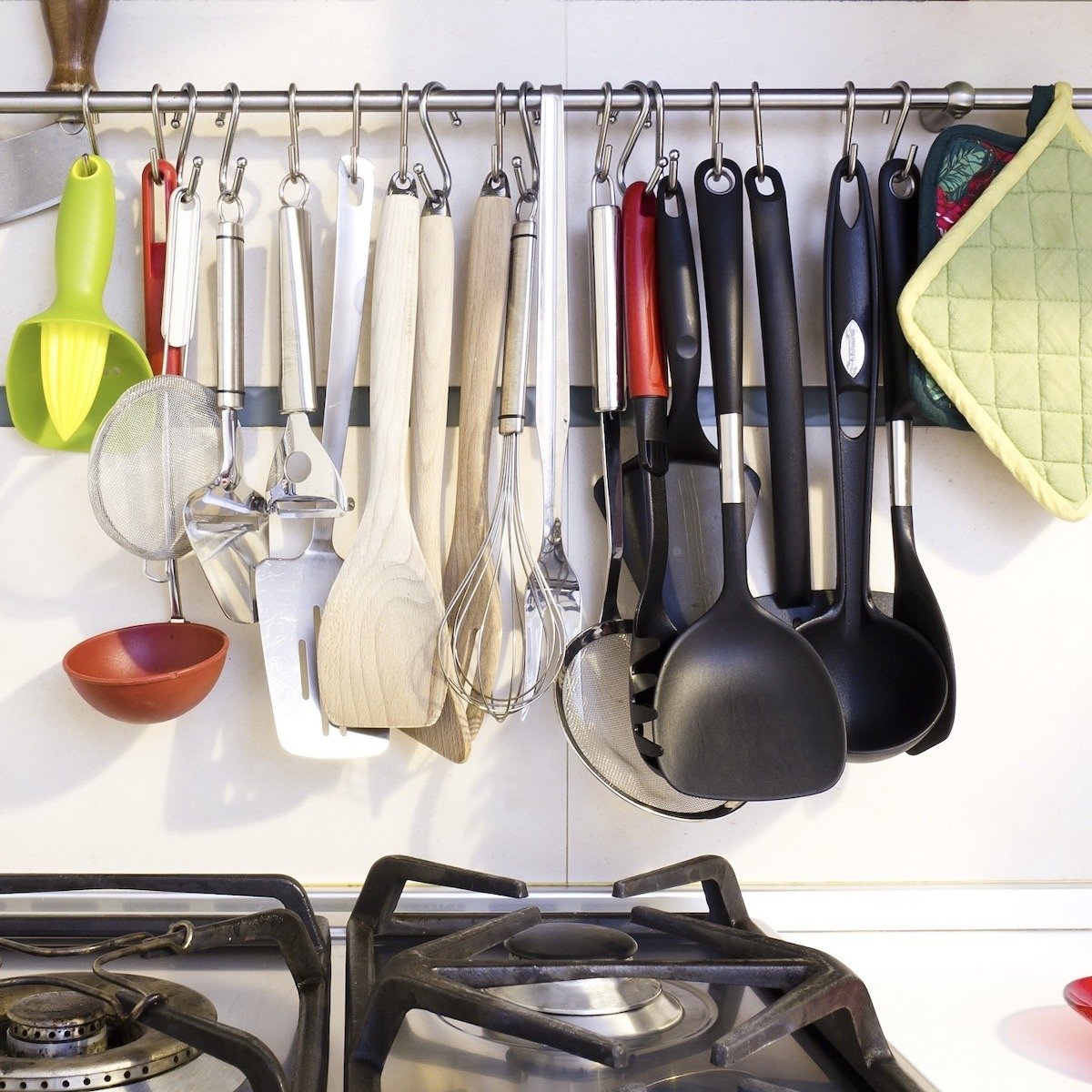
When you prepare meals, using the same utensils for meat and vegetables might seem harmless. But did you know this small habit could put your health at risk?
Cross-contamination can lead to harmful bacteria spreading, causing foodborne illnesses. By simply using separate utensils, you protect yourself and your loved ones from these dangers. You’ll discover easy and effective tips to keep your kitchen safe and your meals healthy.
Stick with us, and you’ll learn how a few simple changes can make a big difference in your cooking routine.
Why Separate Utensils Matter
Using separate utensils for meat and vegetables is important. It helps keep your food safe. You reduce the risk of germs spreading.
This practice is especially crucial when preparing meals. It ensures that harmful bacteria do not mix between foods.
Preventing Cross-contamination
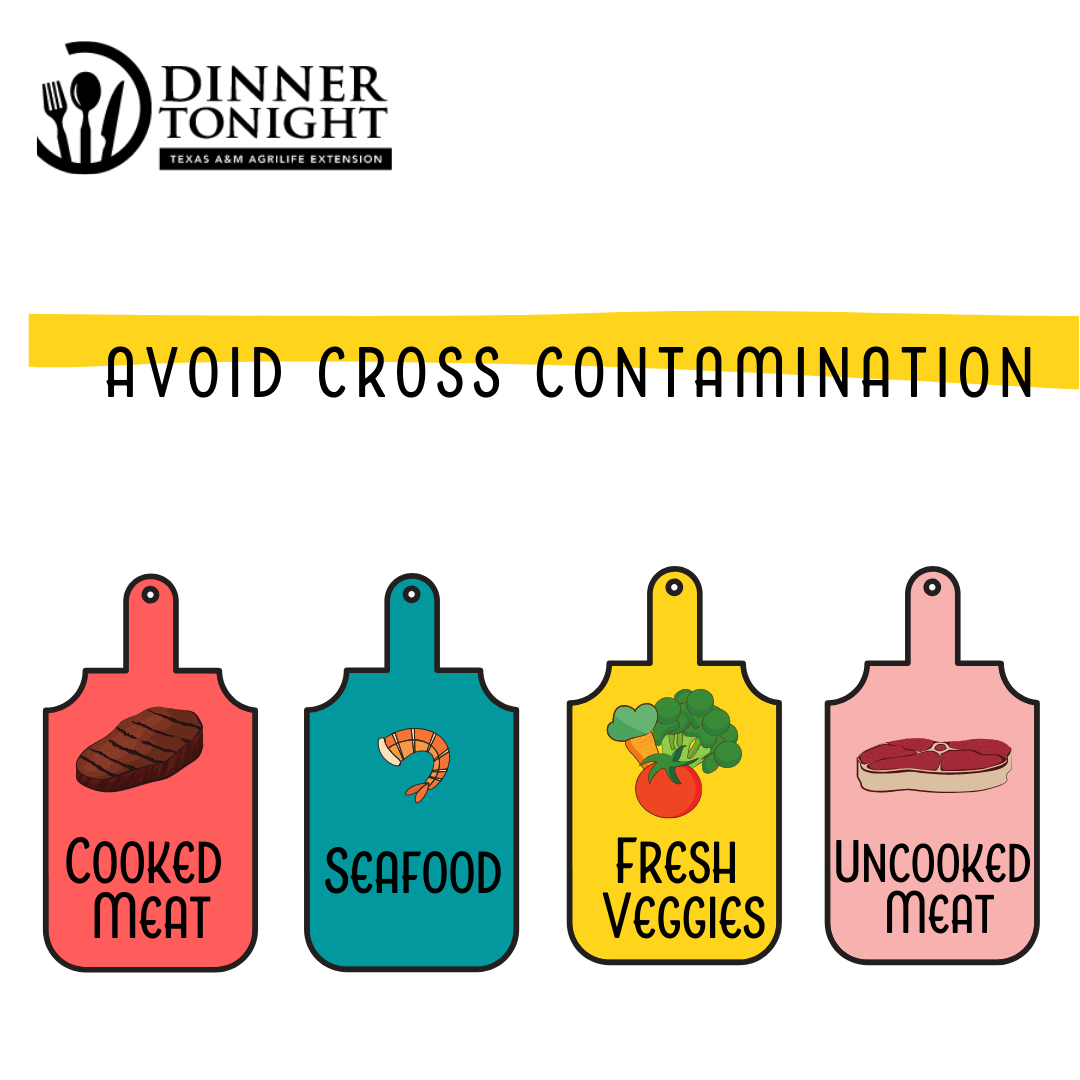
Cross-contamination occurs when germs spread from one food item to another. This can happen easily if you use the same knife or cutting board for both meat and vegetables.
To prevent this, always use separate utensils. Keep one set for raw meat and another for veggies. This simple step can make a big difference in kitchen safety.
- Use different cutting boards
- Label utensils for specific use
- Wash utensils immediately after use
Health Risks Of Mixing Utensils
Mixing utensils can lead to serious health risks. Raw meat can carry bacteria like Salmonella and E. coli. These can cause food poisoning if they spread to other foods.
By using the same utensils for meat and vegetables, you increase the chance of these bacteria spreading. This can result in illness for anyone who eats the contaminated food.
- Salmonella infections can cause severe stomach pain
- E. coli can lead to serious digestive issues
- Proper utensil separation reduces these risks
Choosing The Right Utensils
Using separate utensils for meat and vegetables helps prevent germs from spreading. Picking the right utensils makes cooking safer and easier.
Good utensils should be easy to clean and should not hold bacteria. This keeps your food safe and healthy.
Materials That Resist Bacteria
Some materials are better at stopping bacteria from growing. Choose utensils made from these safe materials.
Plastic, stainless steel, and silicone are good choices. They do not absorb moisture or food particles easily.
- Plastic is light and easy to clean
- Stainless steel does not rust and lasts long
- Silicone is heat resistant and flexible
Color-coding For Easy Identification
Using different colors for meat and vegetable utensils helps avoid mix-ups. This simple step makes cooking safer.
Assign a color for meat utensils and another for vegetables. This helps everyone in the kitchen know which to use.
- Red for meat utensils
- Green or yellow for vegetable utensils
- Blue can be used for seafood utensils
- Label utensils if colors are not clear
Proper Cleaning Techniques
Using separate utensils for meat and vegetables helps prevent germs from spreading. Proper cleaning keeps your kitchen safe and healthy.
Cleaning utensils well removes harmful bacteria. This lowers the risk of food poisoning for your family.
Washing And Sanitizing Tips
Wash utensils right after use with hot, soapy water. This removes food bits and germs.
Sanitize utensils to kill any leftover bacteria. Use a safe sanitizer or a bleach solution.
- Use separate sponges or brushes for meat and vegetables utensils
- Rinse utensils well after washing to remove soap
- Let utensils air dry to avoid bacteria growth
- Sanitize cutting boards and knives regularly
- Use a solution of 1 tablespoon bleach per gallon of water for sanitizing
Avoiding Common Cleaning Mistakes
Do not wash meat and vegetable utensils together. This spreads harmful germs.
Avoid using the same sponge or cloth for all utensils. It can carry bacteria from one to another.
- Never rinse utensils without soap first
- Do not dry utensils with a towel that is not clean
- Avoid leaving utensils wet and piled up
- Do not use damaged or cracked utensils that are hard to clean
Credit: dinnertonight.tamu.edu
Storing Utensils Safely
Using separate utensils for meat and vegetables helps stop germs from spreading. Storing them safely keeps your kitchen clean and healthy.
Proper storage protects utensils from dirt and bacteria. It also makes it easy to find the right tools when cooking.
Separate Storage Solutions
Keep meat and vegetable utensils in different places to avoid mix-ups. Use clear labels or color codes to tell them apart.
Store utensils in separate drawers or containers. This stops cross-contamination and helps keep your kitchen organized.
- Use different utensil holders for meat and vegetables
- Label each container clearly
- Keep storage spots dry and clean
- Use color-coded handles or tags
Maintaining Utensil Hygiene
Wash utensils well after every use. Use hot water and soap to remove germs and food particles.
Dry utensils completely before storing. Wet utensils can grow bacteria and cause bad smells.
- Wash meat utensils separately from vegetable utensils
- Use a dishwasher or scrub with hot soapy water
- Air dry or use a clean towel to dry utensils
- Check utensils regularly for damage or stains
Practical Tips For Kitchen Use
Using separate utensils for meat and vegetables helps keep food safe. It stops germs from spreading in the kitchen.
Simple habits can make a big difference. These tips help keep your cooking area clean and healthy.
Routine Habits For Safety
Always use different cutting boards and knives for meat and vegetables. Wash your hands after handling raw meat.
Clean utensils with hot, soapy water right after use. Store meat and vegetable tools separately to avoid mix-ups.
- Label or color-code utensils for meat and vegetables
- Wash cutting boards after each use
- Use separate containers for raw meat and vegetables
- Dry utensils with clean towels or air dry
Training Family And Staff
Teach everyone who cooks about using separate utensils. Show why it is important to keep food safe.
Make sure family members and staff know how to clean tools properly. Remind them to check utensil colors or labels.
- Explain risks of cross-contamination clearly
- Demonstrate correct cleaning and storage methods
- Use simple reminders like signs in the kitchen
- Encourage asking questions if unsure
Credit: www.carawayhome.com
Credit: medium.com
Frequently Asked Questions
Why Use Separate Utensils For Meat And Vegetables?
Using separate utensils prevents cross-contamination, reducing foodborne illness risks. It keeps flavors distinct and ensures safe food handling, especially when cooking raw meat and fresh vegetables.
How To Properly Separate Utensils For Meat And Vegetables?
Use designated cutting boards, knives, and tongs for meat and vegetables. Wash utensils thoroughly with soap and hot water after each use to avoid bacteria transfer.
What Are The Health Risks Of Mixing Meat And Vegetable Utensils?
Mixing utensils can transfer harmful bacteria like Salmonella from raw meat to vegetables. This increases the risk of food poisoning and serious health issues.
Can Using Separate Utensils Improve Food Flavor?
Yes, separate utensils prevent flavor mixing, preserving the natural taste of meat and vegetables. This enhances the overall dining experience and dish quality.
Conclusion
Using separate utensils for meat and vegetables keeps food safe and healthy. It stops germs from spreading between different foods. Clean tools help avoid sickness and keep your family well. Always remember to wash utensils well after use. Small habits make a big difference in the kitchen.
Keep these tips in mind every time you cook. Safe cooking is simple and important for everyone. Your careful work protects the food you serve. Stay mindful, and enjoy cooking with confidence.