
Are you sure your kitchen is as safe as it could be? Using the same cutting board for meat and vegetables might seem convenient, but it can put your health at risk.
Cross-contamination is a hidden danger that could lead to foodborne illnesses for you and your family. You’ll discover simple yet powerful tips to keep your cutting boards separate and your meals safe. By making a few easy changes, you’ll protect yourself from harmful bacteria without any extra hassle.
Keep reading to learn how small kitchen habits can make a big difference in your food safety.
Choosing The Right Cutting Boards
Using separate cutting boards for meat and vegetables is important. It helps prevent cross-contamination in your kitchen.
Knowing how to pick the right cutting boards can make your cooking safer and easier.
Material Matters
The material of your cutting board affects its durability and safety. Wooden boards are gentle on knives but need regular cleaning.
Plastic boards are easy to sanitize but can wear out faster. Choose a material that fits your needs.
- Wood: Good for knives, requires care
- Plastic: Easy to clean, less durable
- Bamboo: Eco-friendly, needs maintenance
Size And Shape Considerations
The size of your cutting board should match your kitchen space. Large boards can handle more food but need more space.
Shape also matters. Rectangular boards are common, but round ones might fit better on small counters.
- Large: Handles more food, needs space
- Small: Fits tight spaces, limits cutting area
- Rectangular: Standard choice
- Round: Good for small counters
Color Coding Benefits
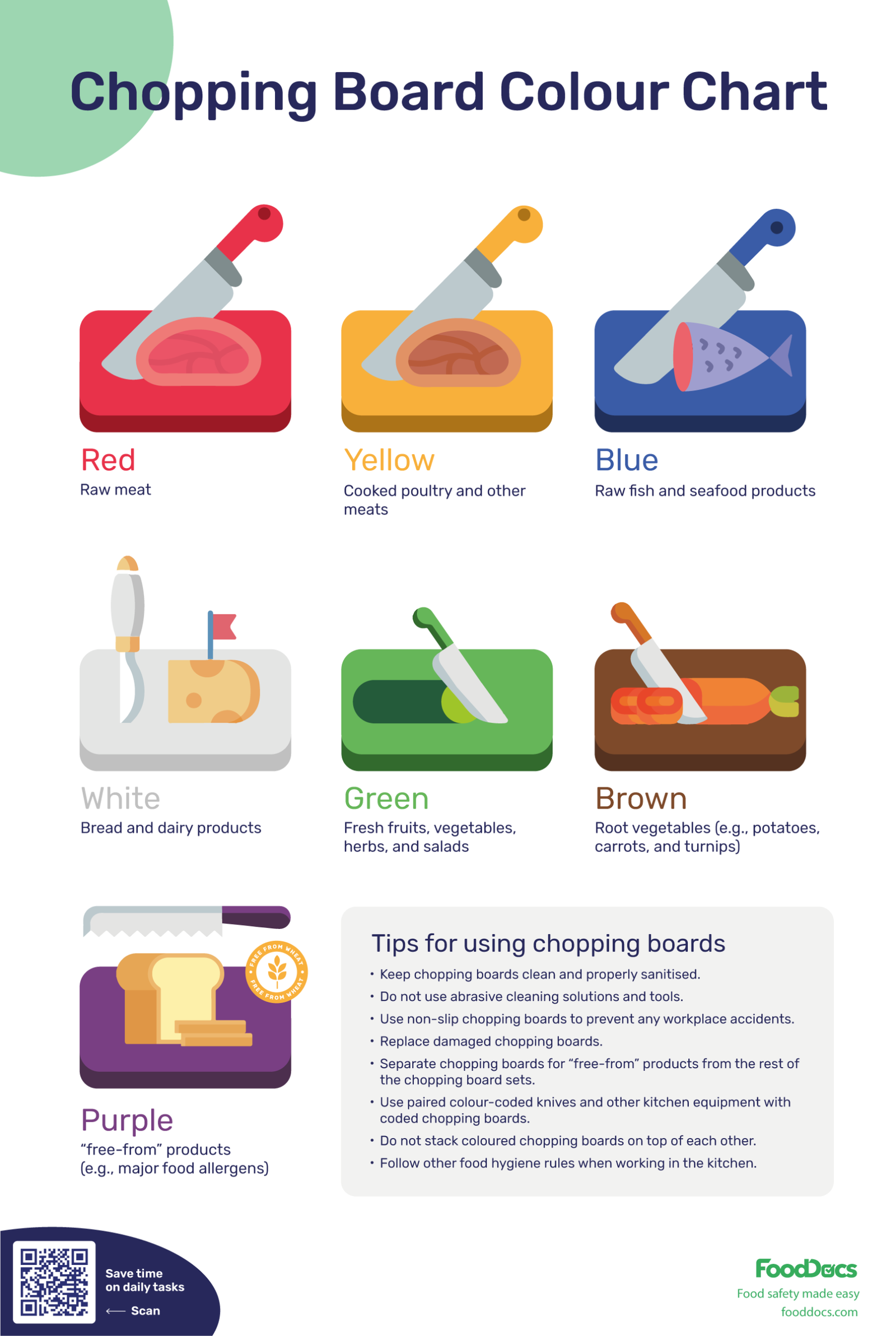
Color coding helps you keep track of which board is for meat or vegetables. It reduces the risk of mixing raw meat juices with fresh produce.
Using different colors for different foods also makes cooking more organized. It is a simple way to improve kitchen safety.
- Red for meat
- Green for vegetables
- Blue for fish
- Yellow for cooked foods

Credit: www.amazon.com
Preventing Cross-contamination
Using separate cutting boards helps stop germs from spreading. It keeps food safe to eat.
Cross-contamination happens when juices from meat touch vegetables. This can cause illness.
Designated Boards For Meat And Vegetables
Always use one cutting board for meat and a different one for vegetables. This stops bacteria from moving between foods.
Choose boards with different colors or labels. This helps you remember which board is for what.
- Use red or dark boards for raw meat
- Use green or light boards for vegetables
- Label boards clearly to avoid confusion
Proper Storage Practices
Store cutting boards in clean, dry places. Keep meat and vegetable boards separate in storage.
Do not stack boards together if they are wet. This can spread germs between them.
- Use racks or hooks to hang boards
- Keep boards away from raw meat areas
- Dry boards fully before storing
Cleaning Between Uses
Wash cutting boards after each use. Use hot, soapy water and rinse well.
Sanitize boards regularly to kill any leftover bacteria. Let them air dry completely.
- Scrub boards with a brush and soap
- Use a bleach solution or vinegar to sanitize
- Dry boards upright to prevent moisture
Effective Cleaning Techniques
Using separate cutting boards for meat and vegetables helps stop germs from spreading. Cleaning them well is very important. Good cleaning keeps your food safe and your kitchen healthy.
This guide explains how to clean cutting boards the right way. Follow these tips to keep your boards clean and bacteria-free.
Washing With Soap And Water
Always wash your cutting boards with hot, soapy water after use. This removes food bits and dirt. Use a scrub brush or sponge to clean all surfaces well.
Rinse the boards with clean water to get rid of soap. Do not skip this step to avoid soap taste on food.
- Use dish soap and warm water
- Scrub all sides and edges
- Rinse thoroughly with clean water
- Wash right after cutting food
Sanitizing Methods
Sanitizing kills germs that washing might miss. Use a mild bleach solution or vinegar spray to sanitize your boards. Let the sanitizer sit for a few minutes before rinsing.
Sanitize meat boards more often because they get more bacteria. Vegetable boards also need sanitizing to stay safe.
- Mix 1 tablespoon bleach in 1 gallon of water
- Apply solution and wait 2 minutes
- Rinse well with clean water
- Or use white vinegar spray
- Let boards air dry after sanitizing
Drying And Maintenance Tips
Dry cutting boards fully to stop bacteria growth. Use a clean towel or air dry in a dish rack. Store boards upright to keep them dry and avoid warping.
Check boards for cracks and deep cuts. Replace them if they have many grooves, as germs hide there. Regularly oil wooden boards to keep them smooth and strong.
- Dry boards completely after washing
- Store boards standing up to air out
- Replace boards with deep cuts or cracks
- Oil wooden boards every month

Credit: urbanblisslife.com
Safe Cutting Practices
Using separate cutting boards for meat and vegetables helps keep food safe. It stops harmful germs from spreading between foods.
Following safe cutting practices protects your family from food poisoning. It is important to be careful in the kitchen.
Using Separate Knives
Use different knives for raw meat and vegetables. This prevents germs from moving between foods.
Clean knives well after each use. Never use the same knife on raw meat and fresh vegetables without washing it first.
- Keep one knife for meat only
- Keep another knife for vegetables only
- Wash knives with hot, soapy water after use
Avoiding Shared Surfaces
Do not cut meat and vegetables on the same cutting board. Use separate boards to stop cross-contamination.
Make sure all surfaces are clean before and after use. Clean cutting boards with hot water and soap.
- Use a red cutting board for meat
- Use a green cutting board for vegetables
- Wash boards immediately after use
Handling Raw Meat Safely
Keep raw meat away from fresh vegetables. Store meat in sealed containers on the bottom shelf of the fridge.
Wash your hands well after touching raw meat. Use paper towels or clean cloths to dry hands and surfaces.
- Store raw meat separately from other foods
- Wash hands with soap and warm water for 20 seconds
- Sanitize all surfaces that touched raw meat
Replacing And Inspecting Boards
Using separate cutting boards for meat and vegetables helps keep food safe. It is important to check your boards often. Replacing old or damaged boards stops bacteria spread.
Regular inspection and timely replacement keep your kitchen clean. Proper care also makes boards last longer. Learn how to spot problems and care for your cutting boards.
Signs Of Wear And Damage
Look closely at your cutting boards for signs of damage. Cracks and deep cuts can hide harmful germs. Warped or stained boards may also be unsafe to use.
- Cracks and splits on the surface
- Deep knife grooves that are hard to clean
- Warped or bent boards that do not sit flat
- Discoloration or stains that do not wash away
- Foul or unusual smells
When To Replace
Replace cutting boards if you see serious damage. Boards that cannot be cleaned well risk food safety. Also, replace boards after long use, even if they look okay.
- After deep cracks or large knife marks appear
- If the board warps and becomes uneven
- When stains or odors stay after washing
- After several years of regular use
- If the board is hard to clean or sanitize
Maintaining Board Longevity
Clean and dry boards after each use to keep them in good shape. Use mild soap and hot water. Avoid soaking boards in water for a long time.
- Wash boards immediately after use
- Dry boards fully before storing
- Use separate boards for meat and vegetables
- Oil wooden boards regularly to prevent cracking
- Store boards in a dry, well-ventilated place
Credit: hexclad.com
Additional Safety Tips
Using separate cutting boards for meat and vegetables helps prevent germs from spreading. There are more safety steps to keep your kitchen clean and safe.
These tips make sure your food stays fresh and healthy. They also protect your family from foodborne illnesses.
Keeping Work Area Clean
Clean your work area before and after cooking. Wipe down counters, sinks, and faucets with disinfectant.
Use hot, soapy water to wash cutting boards right after use. Dry them well to stop bacteria from growing.
- Use separate towels for meat and vegetables
- Clean knives and utensils between uses
- Sanitize sponges and cloths regularly
Educating Household Members
Teach everyone in your home why using separate boards is important. Explain how cross-contamination happens.
Show how to clean boards properly. Remind them to wash hands before and after handling food.
- Hold short talks before cooking
- Share simple food safety rules
- Encourage questions and answers
Using Labels And Markers
Label your cutting boards to avoid confusion. Use markers or stickers to show which board is for meat or vegetables.
Choose clear and visible labels. Change or clean labels if they get worn out or dirty.
- Use waterproof labels or tape
- Write “Meat” and “Veggies” in bold letters
- Keep labels on the handle or corner
Frequently Asked Questions
Why Use Separate Cutting Boards For Meat And Vegetables?
Using separate boards prevents cross-contamination between raw meat and vegetables. It reduces the risk of foodborne illnesses and ensures safer food preparation.
How To Clean Cutting Boards After Meat Use?
Wash cutting boards with hot, soapy water immediately after use. Sanitize with a bleach solution or vinegar to kill harmful bacteria effectively.
Can I Use Color-coded Cutting Boards For Safety?
Yes, color-coded boards help easily distinguish between meat and vegetable use. This practice enhances kitchen hygiene and prevents accidental contamination.
What Materials Are Best For Meat And Vegetable Cutting Boards?
Plastic boards are ideal for meat due to easy sanitization. Wood or bamboo boards suit vegetables because they are gentle on knives and naturally antimicrobial.
Conclusion
Using separate cutting boards for meat and vegetables keeps your kitchen safe. It stops germs from spreading between foods. Clean boards after each use to stay healthy. Choose boards that are easy to wash and store. Small steps like these protect your family from food illness.
Keep these tips in mind every time you cook. Safe food handling is simple and important. Your kitchen stays cleaner, and your meals stay fresh. Stay careful, and enjoy cooking without worries.