
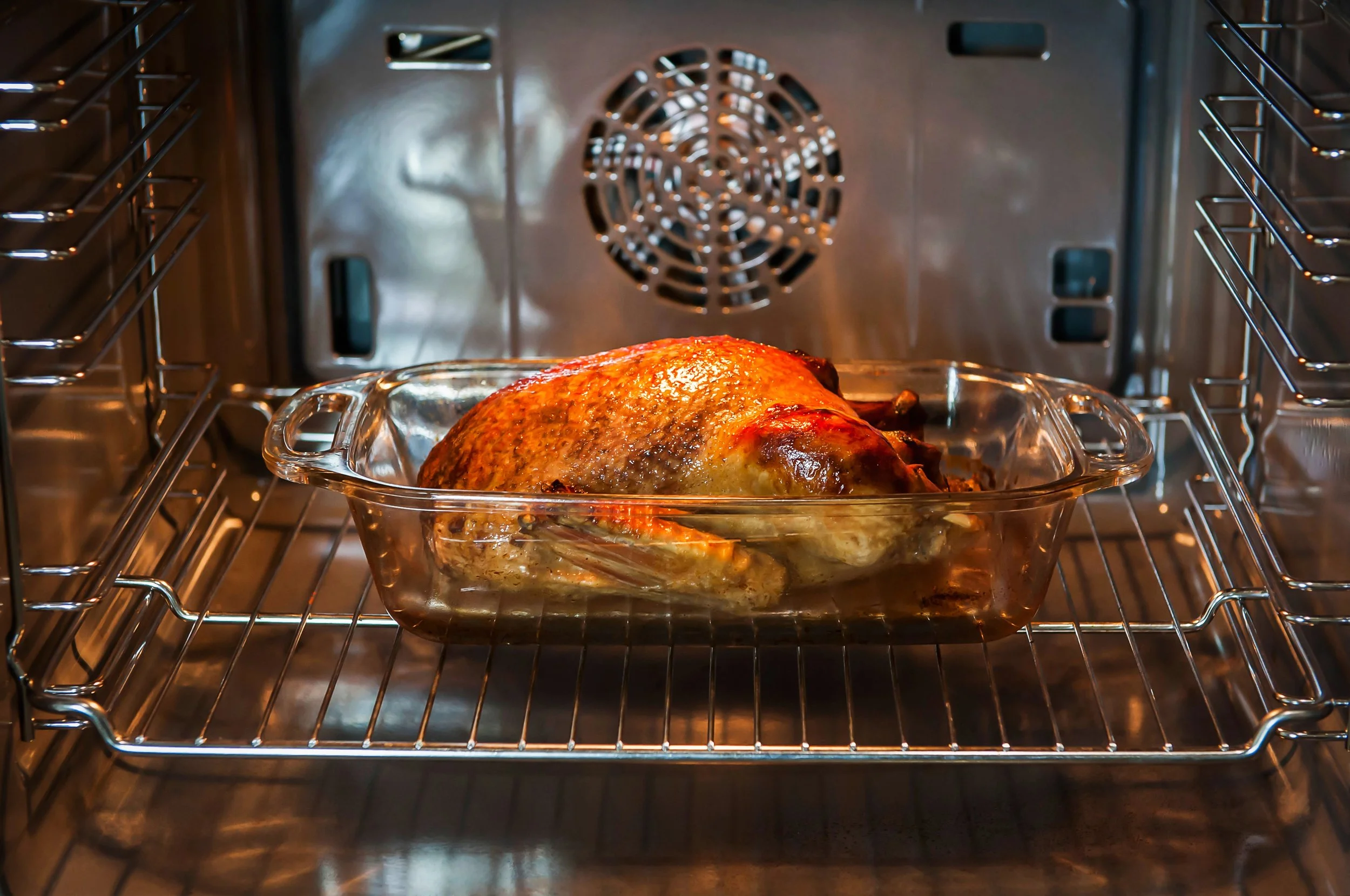
Are you tired of unevenly cooked meals or struggling with a messy oven? Your roasting pan could be the secret to better, tastier dishes—and using it efficiently can save you time and effort.
Imagine pulling out perfectly roasted vegetables or juicy meats without the hassle or guesswork. You’ll discover simple, practical tips that make your roasting pan work harder for you. Ready to transform your cooking and impress everyone at the table? Keep reading to unlock the full potential of your roasting pan.
Credit: www.theculinarypro.com
Choosing The Right Roasting Pan
Picking the right roasting pan can improve your cooking results. It helps cook food evenly and makes cleaning easier.
Consider materials, size, and surface type when choosing a roasting pan. These factors affect heat and cooking time.
Materials That Enhance Heat Distribution
Roasting pans come in different materials. Some materials spread heat better and cook food evenly.
Good heat distribution avoids hot spots that burn food. Look for pans made from aluminum or copper.
- Aluminum pans heat quickly and evenly
- Copper pans offer excellent heat control
- Stainless steel pans are durable but may need a heat diffuser
Size Matters: Picking The Perfect Fit
Choose a roasting pan size that fits your oven and the food you cook. A pan too large or small affects cooking.
A well-sized pan lets heat circulate around food. It helps brown meat and cook it through evenly.
- Use a larger pan for big roasts or whole chickens
- Smaller pans suit vegetables or small cuts of meat
- Make sure the pan fits comfortably in your oven
Non-stick Vs. Stainless Steel Options
Non-stick pans are easy to clean and prevent food from sticking. They work well for delicate items.
Stainless steel pans are strong and last long. They can handle high heat and create a nice crust on meat.
- Non-stick pans need gentle cleaning to protect coating
- Stainless steel pans may require oil to prevent sticking
- Choose based on cooking style and cleaning preference
Preparing The Pan For Roasting
Using a roasting pan properly helps cook food evenly. Preparing the pan right makes your roast juicy and tasty.
This guide covers how to season your pan, use racks, and add liquid for better roasting results.
Seasoning Your Pan For Better Results
Seasoning your roasting pan creates a non-stick surface. This helps food cook without sticking and makes cleaning easier.
- Wash the pan with warm soapy water and dry it fully.
- Rub a thin layer of cooking oil over the inside surface.
- Heat the pan in the oven at 350°F (175°C) for 30 minutes.
- Let the pan cool and wipe off any excess oil.
- Repeat this process to build a strong seasoning layer.
Using Racks To Improve Airflow
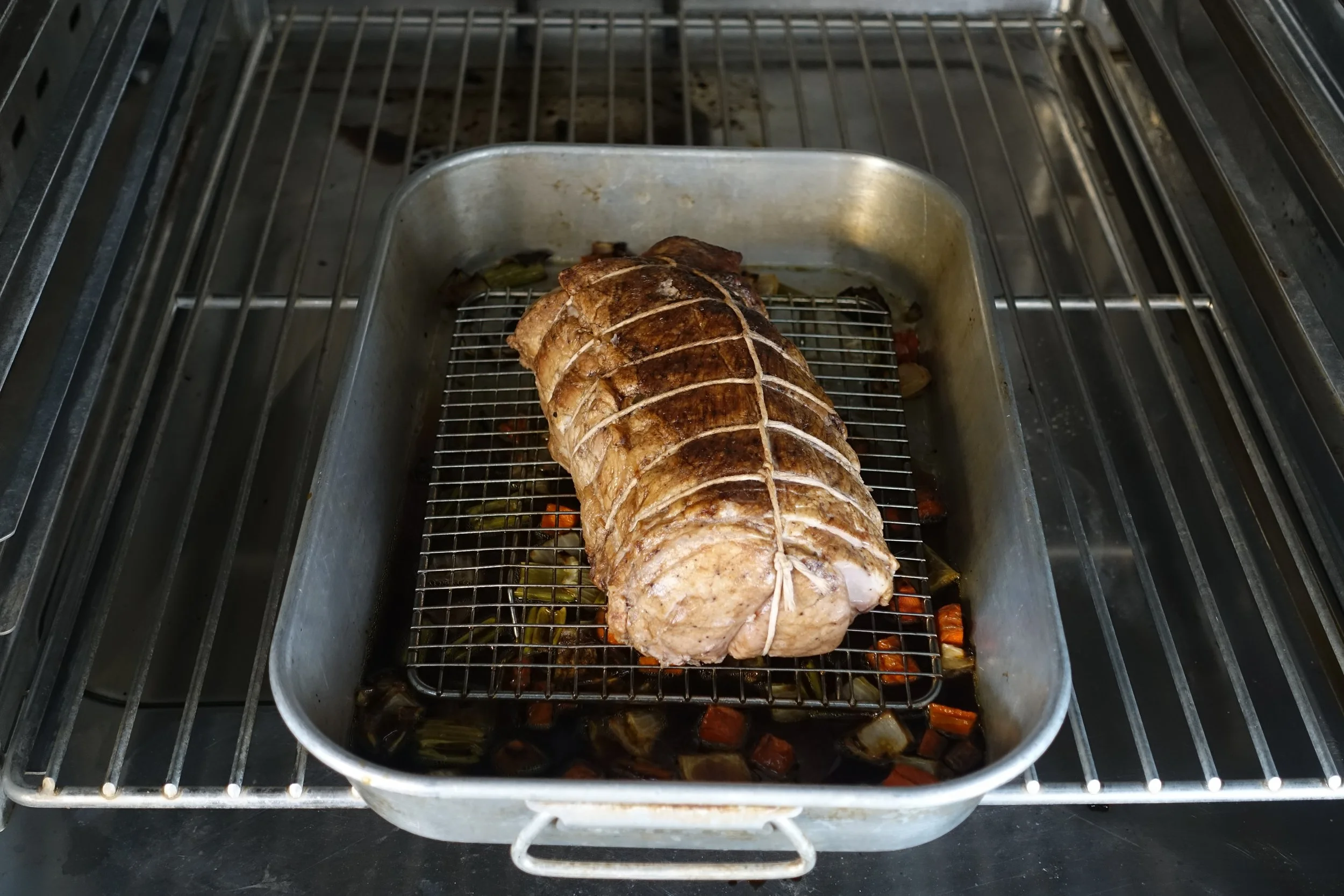
Racks lift the food above the pan’s base. This allows hot air to circulate evenly around the roast.
| Benefit | Explanation |
| Even Cooking | Air flows below and around the food, cooking all sides well. |
| Less Fat | Fat drips away from the food, reducing grease. |
| Better Browning | Food crisps up nicely without steaming in its own juices. |
Adding Liquid For Moisture Control
Adding liquid to the pan keeps the roast moist. It also helps create flavorful pan juices for sauces.
- Use broth, water, or wine as your liquid base.
- Add about ½ to 1 cup of liquid before roasting.
- Check the liquid level during cooking and add more if needed.
- Be careful not to add too much or the roast will steam instead of brown.
Maximizing Heat Efficiency
Using roasting pans efficiently helps save energy and cooks food evenly. Good heat use reduces cooking time and keeps food juicy.
Focus on simple ways to get the most heat from your oven and pan. These tips improve your roasting results every time.
Preheating Techniques
Always preheat the oven before placing your roasting pan inside. This ensures the pan heats evenly and food cooks properly.
- Set the oven to the desired temperature and wait until it reaches that heat.
- Place the empty roasting pan in the oven during preheating to warm it up.
- Use an oven thermometer to check for accurate heat levels.
- Avoid opening the oven door too often to keep heat steady.
Optimal Oven Placement
Where you put the roasting pan affects how heat moves around it. Proper placement helps cook food evenly and saves energy.
| Placement | Effect on Heat | Tip |
|---|---|---|
| Center Rack | Best heat circulation | Use for even cooking |
| Lower Rack | More direct heat from bottom | Good for crisping bottom |
| Upper Rack | Closer to top heat | Use for browning top |
| Near Oven Walls | Uneven heat, hot spots | Avoid for even cooking |
Covering Vs. Uncovering The Pan
Deciding to cover or uncover your roasting pan changes how heat cooks your food. Choose based on the dish and moisture needs.
Covering the Pankeeps heat and moisture inside. This method:
- Speeds cooking by trapping heat
- Keeps food moist and tender
- Prevents the top from browning too fast
Uncovering the Panlets heat circulate around food. This method:
- Creates a crispy, browned surface
- Allows moisture to evaporate
- Needs careful watching to avoid drying out

Credit: bakabee.com
Cleaning And Maintenance Tips
Roasting pans need regular care to last a long time. Proper cleaning keeps them safe and ready to use.
Good maintenance helps avoid damage and keeps your pans looking new.
Removing Stubborn Residue
Burnt food can stick to your roasting pan. Soak the pan in warm, soapy water for at least 30 minutes.
Use a soft scrubber to remove stuck bits. Avoid steel wool to protect the pan’s surface.
- Fill the pan with warm water and dish soap
- Let it soak before scrubbing gently
- Use baking soda paste for tough spots
- Rinse well and dry completely
Avoiding Warping And Damage
Do not expose your roasting pan to sudden temperature changes. This can cause warping or cracks.
Use oven mitts and avoid dropping the pan. Handle it with care to keep it in good shape.
- Preheat the oven before placing the pan inside
- Let the pan cool before washing or moving
- Avoid harsh metal tools during cooking
- Do not use pans with dents or cracks
Proper Storage Practices
Store your roasting pan in a dry place to stop rust and stains. Keep it away from moisture.
If you stack pans, place a soft cloth between them. This prevents scratches and dents.
- Dry the pan fully before storing
- Use protective cloth or paper between stacked pans
- Store in a cool, dry cupboard or shelf
- Keep away from heavy items that can cause dents
Creative Uses Beyond Roasting
Roasting pans are not just for roasting meats and vegetables. You can use them in many other ways to save time and space in the kitchen.
These ideas help you get more from your roasting pan and make cooking easier and more fun.
Baking Casseroles And Gratins
Roasting pans have deep sides and large surfaces. This makes them perfect for baking casseroles and gratins. You can layer ingredients and cook them evenly.
- Use the pan to bake lasagna or macaroni and cheese.
- Make vegetable or potato gratins with cheese and cream.
- Prepare one-pan meals by adding meat, vegetables, and sauce.
- Roasting pans hold enough food to serve a family or guests.
Using As A Double Boiler
You can use a roasting pan as a double boiler. Fill it with hot water and place a heat-safe bowl on top. This helps melt chocolate or cook delicate sauces without burning.
| Use | How to Do It |
| Melting chocolate | Fill pan with hot water, place bowl on top |
| Cooking custards | Use gentle heat from steam in pan |
| Making sauces | Keep heat low to avoid burning |
Serving Dishes And Presentation Ideas
Roasting pans can also be used to serve food. Their size and shape make them good for buffet-style meals or large gatherings.
Presentation Tips:
- Line the pan with fresh herbs for color.
- Arrange food in neat rows or layers.
- Use smaller bowls inside the pan for sauces or dips.
- Garnish with lemon slices or edible flowers.

Credit: wholesalefoilpans.com
Frequently Asked Questions
What Are The Benefits Of Using Roasting Pans?
Roasting pans distribute heat evenly, ensuring your food cooks perfectly. They are versatile and can handle large meals. The high sides prevent splattering, keeping your oven cleaner. Many come with racks, allowing fat to drip away for healthier cooking. Their durable design ensures they last for years.
How To Choose The Right Roasting Pan Size?
Select a roasting pan that fits your oven and cooking needs. For large roasts, choose a spacious pan. Smaller meals require less space. Ensure it accommodates your food with room to spare. Consider pans with racks for even cooking. A good fit enhances efficiency and results.
Can I Use Roasting Pans For Vegetables?
Yes, roasting pans are excellent for vegetables. Their high sides retain heat and moisture, enhancing flavor. Spread vegetables evenly for consistent cooking. Use a rack for air circulation, if available. Season well, and toss occasionally for even roasting. This method elevates taste and texture.
How To Clean Roasting Pans Effectively?
Soak the pan in warm, soapy water to loosen debris. Use a non-abrasive scrubber to avoid scratches. Baking soda and vinegar can tackle stubborn stains. Rinse thoroughly and dry to prevent rust. Regular maintenance ensures longevity and optimal performance, keeping your pans in prime condition.
Conclusion
Using roasting pans wisely saves time and improves cooking results. Choose the right size and material for your needs. Keep your pan clean to avoid flavors mixing. Use racks to cook food evenly and keep it juicy. Remember to preheat the pan for better heat distribution.
These small tips make roasting easier and tastier. Enjoy cooking with less hassle and better meals. Simple steps lead to great dishes every time.