
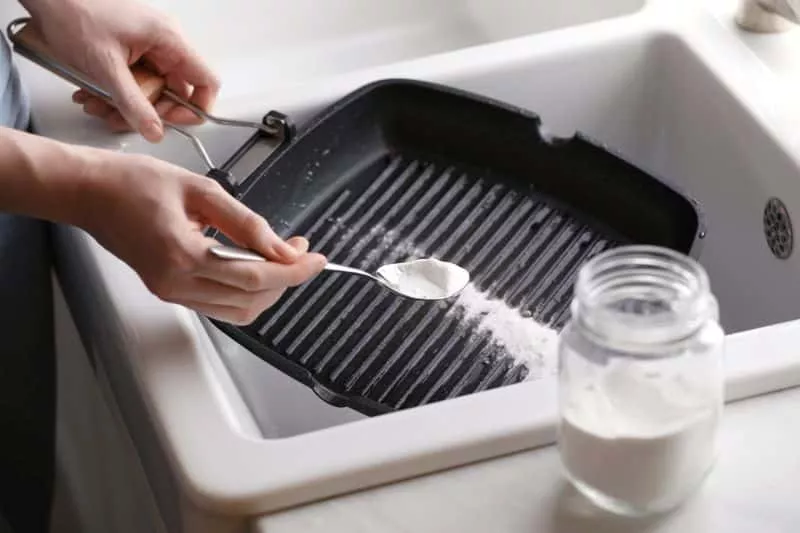
Are you ready to make the most out of your roasting pan? Whether you’re cooking a juicy turkey or perfectly caramelized vegetables, using your roasting pan the right way can change everything.
You might think it’s just a simple tool, but with a few smart tips, you can unlock flavors and textures you never thought possible. Keep reading, and you’ll discover easy tricks that will turn your roasting pan into your kitchen’s secret weapon.
Your next meal could be your best yet!
Choosing The Right Roasting Pan
Roasting pans help cook meat and vegetables evenly. Picking the right pan makes cooking easier and tastier.
Look at the material, size, and features. These affect how well your food cooks and how easy the pan is to use.
Material Matters
Roasting pans come in many materials. Each type cooks heat differently and lasts for different times.
Choose a pan with good heat conduction and easy cleaning. Think about what you cook most often.
- Stainless steel is strong and easy to clean.
- Aluminum heats quickly but can warp.
- Ceramic looks nice and keeps heat well.
- Non-stick pans help with easy food release.
Size And Depth Considerations
Choose a pan size that fits your oven and the food you cook. Big pans fit large roasts, small pans save space.
Depth matters for juices and space. Deeper pans hold more liquids. Shallow pans help food brown better.
- Pick a pan wide enough for your roast.
- Use a deeper pan if you want to catch drippings.
- Make sure the pan fits comfortably in your oven.
Handles And Lids
Handles make moving the pan safer and easier. Look for strong, heat-resistant handles that fit your grip.
Lids help keep moisture in and cook food evenly. Some pans come with lids; others work with foil covers.
- Choose pans with sturdy, easy-grip handles.
- Metal handles last longer in hot ovens.
- Lids help keep food juicy and reduce oven mess.
- Check if the lid fits tightly for better cooking.
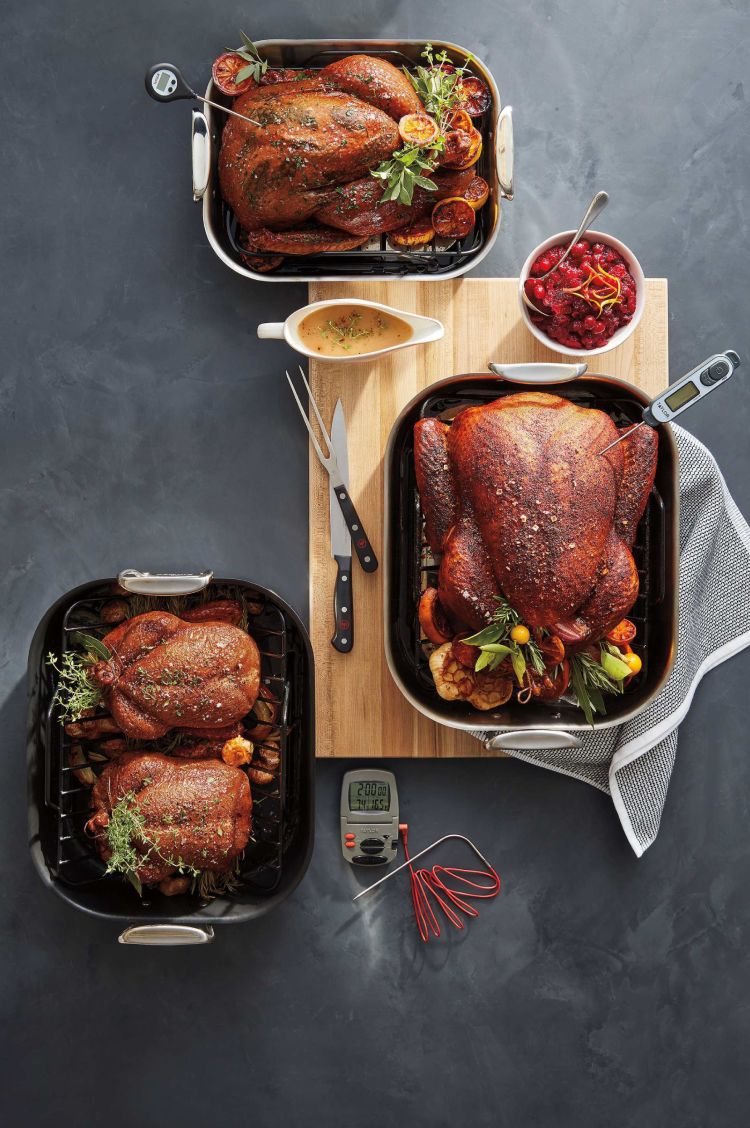
Credit: www.crateandbarrel.ca
Prepping Your Roasting Pan
Preparing your roasting pan well helps your food cook evenly. It also makes cleaning easier after cooking.
Taking time to prep the pan protects it and improves your cooking results.
Seasoning Techniques
Seasoning your roasting pan creates a natural non-stick layer. This helps food release easily and prevents rust.
Use oil to coat the pan before the first use. Heat it in the oven to set the oil into the surface.
- Wash the pan with warm soapy water and dry well.
- Apply a thin layer of cooking oil over the entire pan.
- Place the pan upside down in a hot oven (around 350°F or 175°C) for 1 hour.
- Let the pan cool inside the oven before removing.
- Repeat if you want a stronger seasoning layer.
Using Liners Or Foil
Linings protect your roasting pan and make cleanup faster. Use foil or special roasting liners to catch drips.
Place the liner or foil at the bottom before adding food. This keeps juices and grease from sticking to the pan.
- Use heavy-duty aluminum foil to avoid tearing.
- Roasting liners are reusable and fit different pan sizes.
- Make sure liners do not block air flow inside the oven.
- Discard foil or wash liners after each use.
- Linings help keep your roasting pan in good shape.
Cooking Techniques For Roasting Pans
Roasting pans help cook meat and vegetables evenly. Using the right techniques improves your results. This guide covers key tips for using roasting pans well.
Learn about proper rack use, temperature control, and timing for different meats. These tips make your roasting easier and tastier.
Proper Rack Usage
Use the rack to lift food above the pan base. This lets heat circulate around the meat. It also keeps food from sitting in fat or juices.
- Place heavier cuts on the rack for even cooking.
- Use a flat rack for poultry to allow fat drainage.
- Make sure the rack fits well to avoid tipping.
- Clean the rack after each use to prevent sticking.
Temperature Control Tips
Keep an eye on oven temperature for the best results. Too hot or too cold can affect cooking time and meat texture.
| Meat Type | Oven Temperature | Notes |
| Beef Roast | 325°F (163°C) | Slow and even cooking |
| Chicken | 375°F (190°C) | Helps crisp the skin |
| Pork | 350°F (177°C) | Prevents drying out |
| Lamb | 325°F (163°C) | Maintain tenderness |
Timing For Different Meats
Cooking time depends on meat type and size. Using a timer and thermometer helps avoid undercooking or overcooking.
- Check internal temperature to ensure doneness.
- Allow rest time after roasting for juices to settle.
- Use these approximate cooking times per pound:
- Beef: 20 minutes per pound
- Chicken: 18 minutes per pound
- Pork: 25 minutes per pound
- Lamb: 20 minutes per pound
Enhancing Flavor In Roasting
Roasting pans help you cook food evenly and bring out rich flavors. Using the right techniques adds depth to your dishes.
This guide shares simple tips to boost flavor using marinades, rubs, vegetables, and herbs.
Marinades And Rubs
Marinades and rubs add taste and tenderize meat. They soak into the food and make it juicy.
- Use acidic ingredients like lemon juice or vinegar to soften meat.
- Add spices such as paprika, cumin, or garlic powder for bold flavor.
- Include a bit of oil to help the marinade stick and keep moisture.
- Let meat rest in the marinade for at least 30 minutes before roasting.
- For rubs, massage the spice mix well into the surface of the meat.
Vegetable And Herb Additions
Adding vegetables and fresh herbs to the roasting pan builds aroma and layers of flavor. They also create a tasty side dish.
| Vegetable | Best Herb Pairing | Flavor Effect |
| Carrots | Thyme | Sweet and earthy |
| Potatoes | Rosemary | Rich and piney |
| Onions | Oregano | Sharp and savory |
| Garlic | Parsley | Pungent and fresh |
Maintenance And Care
Roasting pans last longer with proper care. Clean and store them well to keep their quality.
Avoid common mistakes that can damage your pans. Follow simple tips to maintain their look and function.
Cleaning And Storing
Clean roasting pans soon after use. This stops food from sticking and makes cleaning easier.
- Use warm water and mild dish soap for washing.
- Avoid harsh scrubbers that can scratch the surface.
- Dry the pan fully to prevent rust.
- Store pans in a dry, cool place.
- Keep pans separated to avoid scratches.
Avoiding Common Mistakes
| Mistake | Effect | How to Avoid |
|---|---|---|
| Using metal utensils | Scratches the pan surface | Use wooden or silicone tools |
| Leaving food residue | Hard to clean, stains form | Clean pan right after use |
| Stacking pans without protection | Causes dents and scratches | Place paper towels between pans |
| Using abrasive cleaners | Removes protective coating | Use gentle soap and sponges |

Credit: wholesalefoilpans.com

Credit: food52.com
Frequently Asked Questions
What Is The Best Material For Roasting Pans?
The best materials are stainless steel and cast iron. They provide even heat distribution and durability. Avoid thin pans that warp easily. Non-stick coatings help with easy cleanup. Choose pans with sturdy handles for safe handling.
How Do I Prevent Food From Sticking To Roasting Pans?
Use a light layer of oil or cooking spray before roasting. Preheat the pan slightly to create a natural non-stick surface. Avoid overcrowding to allow proper heat circulation. Clean the pan promptly after use to maintain its surface.
Can I Use Roasting Pans For Other Cooking Methods?
Yes, roasting pans are versatile. They work well for baking, broiling, and even braising. Their large size and heat resistance make them suitable for various recipes. Just ensure the pan fits your oven and is oven-safe.
How Do I Clean And Maintain My Roasting Pan?
Soak the pan in warm, soapy water immediately after use. Use a non-abrasive sponge to avoid scratching. For tough stains, try baking soda and vinegar. Dry completely to prevent rust. Regular maintenance prolongs the pan’s lifespan.
Conclusion
Roasting pans help cook food evenly and keep it juicy. Choose the right size for your meal. Always preheat the pan to get a good sear. Use a rack to let air circulate under the meat. Clean your pan well after each use to keep it lasting.
Try these tips for better roasting results every time. Cooking becomes easier and more enjoyable this way. Enjoy your tasty meals with simple roasting pan tricks.