
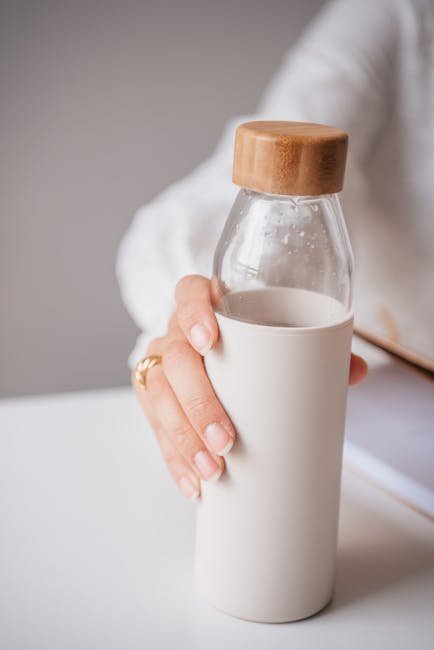
Are you ready to make your reusable water bottle work harder for you? Using it efficiently doesn’t just save you money—it helps the planet and keeps you healthier too.
But are you really getting the most out of your bottle every day? Small changes in how you clean, carry, and refill it can make a big difference. Keep reading, and you’ll discover simple tips that make using your reusable water bottle easier and more effective than ever before.
Your hydration game is about to level up!

Credit: shop.ttkprestige.com
Choosing The Right Bottle
Using a reusable water bottle is a smart choice. It saves money and helps the planet. But choosing the right bottle is key for efficiency.
Consider the material, size, and design. These factors impact your experience.
Material Options
Different materials suit different needs. Each has pros and cons. Choose wisely for best use.
- Stainless steel keeps drinks hot or cold longer.
- Plastic is lightweight and easy to carry.
- Glass is eco-friendly but fragile.
- Aluminum is durable but can dent.
Size And Capacity
How much water do you drink daily? Your bottle size matters. It affects how often you refill.
Consider your daily routine. A larger bottle is good for long trips. A smaller bottle fits in bags easily.
Design And Features
Design affects ease of use. Some bottles have special features. Look for ones that suit your lifestyle.
- Flip-top lids are easy to open with one hand.
- Wide mouths make cleaning and adding ice simple.
- Handles or loops help carry the bottle.
- Spouts are great for quick sips.
Keeping Bottles Clean
Reusable water bottles help reduce waste and save money. Keeping them clean is important for your health and taste.
Dirty bottles can grow bacteria and cause bad smells. Clean your bottle regularly to avoid these problems.
Daily Cleaning Tips
Rinse your bottle with warm water after each use. Use mild soap to wash the inside and outside.
Use a bottle brush to reach all corners. Let the bottle air dry with the cap off to stop moisture build-up.
- Rinse bottle with warm water daily
- Wash with mild soap and bottle brush
- Air dry with cap removed
Deep Cleaning Methods
Clean your bottle deeply once a week to kill germs. Use baking soda or vinegar to remove stains and smells.
Fill the bottle with warm water and add a teaspoon of baking soda or vinegar. Let it sit for 15–30 minutes, then scrub and rinse well.
- Use baking soda or vinegar for deep cleaning
- Let solution sit inside bottle for 15–30 minutes
- Scrub with brush and rinse thoroughly
Avoiding Mold And Odors
Keep your bottle dry when not in use. Mold grows in wet and dark places, so store bottles open or upside down.
Check caps and lids for trapped moisture. Clean and dry these parts regularly to stop mold and bad smells.
- Store bottles open or upside down to dry
- Clean caps and lids carefully
- Dry all parts before storing
Maximizing Bottle Usage
Reusable water bottles help reduce waste and save money. To get the most from your bottle, use it smartly and often.
Simple habits can keep your bottle clean and useful every day. This guide shares tips to use your bottle efficiently.
Refilling Strategies
Refill your bottle regularly to stay hydrated. Carry it with you to avoid buying plastic bottles.
Fill your bottle at trusted water fountains or taps. Clean your bottle often to prevent germs.
- Refill as soon as the bottle is empty
- Keep a clean bottle to avoid bad tastes
- Use filtered water when possible
- Carry a bottle with a secure lid
Tracking Water Intake
Track how much water you drink each day. This helps you drink enough and use your bottle fully.
You can mark your bottle with time goals. Or use apps to remind you to drink water.
- Set goals for daily water intake
- Use marks or stickers on the bottle
- Drink water before meals and workouts
- Check your intake with phone apps
Using Bottles For Different Beverages
Use different bottles for water, juice, or tea. This avoids mixing flavors and keeps bottles fresh.
Clean your bottle well if you switch drinks. Some bottles work better for hot drinks than others.
- Use one bottle for cold water only
- Use insulated bottles for hot drinks
- Wash bottles after juice or tea
- Label bottles if using many types
Maintaining Bottle Durability
Reusable water bottles are a smart choice for the environment. Keeping them strong helps save money and reduces waste.
Proper care makes your bottle last longer. It keeps your water fresh and the bottle safe to use.
Proper Storage
Store your bottle in a cool, dry place. Avoid places with direct sunlight or extreme heat.
Keep the bottle upright to stop leaks and spills. Avoid storing it with the lid tightly closed for a long time.
- Keep away from hot cars and windowsills
- Do not store in freezing temperatures
- Store with the lid off to air it out
Handling And Care
Handle your bottle gently to avoid dents and cracks. Drop damage weakens the bottle’s material.
Clean your bottle regularly using mild soap and warm water. Avoid harsh chemicals that can break down the material.
- Use a soft brush or sponge to clean inside
- Rinse thoroughly to remove soap residues
- Dry completely before storing to prevent mold
When To Replace Your Bottle
Replace your bottle if you see cracks or leaks. These can cause spills and make the bottle unsafe.
Change your bottle if it smells bad even after cleaning. This shows bacteria build-up that is hard to remove.
- Visible cracks or dents
- Persistent bad odor
- Discoloration or peeling paint
- Loose or broken caps and seals
Eco-friendly Benefits
Using reusable water bottles helps protect the environment. They reduce the need for single-use plastic bottles.
Choosing reusable bottles supports cleaner air and water. It lowers pollution and saves natural resources.
Reducing Plastic Waste
Reusable bottles cut down the amount of plastic trash. Plastic waste harms animals and pollutes oceans.
When you refill a bottle, you avoid throwing away plastic containers. This helps keep the planet cleaner.
- Less plastic in landfills
- Fewer plastic items in the ocean
- Lower risk of wildlife harm
Supporting Sustainable Practices
Reusable bottles often come from eco-friendly materials. They last longer and need less energy to produce.
Using them encourages companies to make greener products. This supports a healthier planet for the future.
- Promotes use of recycled materials
- Reduces energy used in production
- Encourages responsible business choices
Inspiring Others To Switch
When you use a reusable bottle, others may want to try it. You can show how easy and helpful it is.
Sharing your choice helps spread eco-friendly habits. Small actions can lead to big changes in communities.
- Set a good example for friends and family
- Share tips on caring for bottles
- Encourage others to reduce waste

Credit: shop.ttkprestige.com
Credit: www.lemon8-app.com
Frequently Asked Questions
How Do I Clean Reusable Water Bottles Properly?
Clean reusable bottles daily with warm, soapy water. Use a bottle brush for hard-to-reach areas. Rinse thoroughly and air dry to prevent bacteria growth.
What Materials Are Best For Reusable Water Bottles?
Stainless steel and BPA-free plastic are top choices. Stainless steel keeps drinks cold longer. BPA-free plastic is lightweight and safe for daily use.
How Can I Keep Water Bottles Odor-free?
Rinse bottles immediately after use. Use baking soda or vinegar to remove odors. Store bottles with the cap off to allow ventilation.
Are Reusable Water Bottles Safe For Hot Liquids?
Yes, but check the bottle’s material and label. Stainless steel bottles usually handle hot liquids well. Avoid plastic bottles not designed for heat.
Conclusion
Reusable water bottles help save money and protect the planet. Clean them often to keep water fresh and safe. Carry your bottle everywhere to stay hydrated all day. Choose the right size and material for your needs. Small habits make a big difference over time.
Use these tips to enjoy your bottle fully and reduce waste. Staying healthy and caring for the environment feels good. Simple steps lead to lasting change. Keep your bottle close and drink smart.