
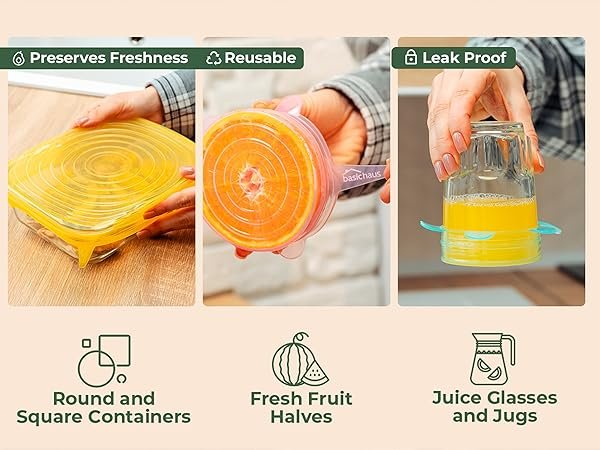
Are you tired of constantly searching for the right lid to cover your leftovers? Reusable silicone lids can be a game-changer in your kitchen, but only if you use them right.
Imagine saving time, cutting down on plastic waste, and keeping your food fresh with just a simple switch. You’ll discover easy tips to get the most out of your silicone lids. These tricks will help you save money and reduce clutter while making your kitchen routine smoother.
Keep reading—you’re about to unlock the full potential of your reusable silicone lids.

Credit: www.amazon.com
Benefits Of Silicone Lids
Silicone lids are useful for covering food containers. They fit snugly and keep food fresh.
These lids are flexible and come in various sizes. They are a good choice for many households.
Eco-friendly Advantages
Silicone lids help reduce plastic waste. They replace single-use plastic wraps.
Using silicone lids is a step towards a greener lifestyle. They are reusable and durable.
- Less plastic waste in landfills
- Reduced environmental pollution
- Support for sustainable living
Cost Savings Over Time
Silicone lids save money. They last longer than plastic wraps.
Buying fewer disposable wraps means spending less. This saves money over time.
- Fewer purchases of plastic wraps
- Long-lasting and durable
- Budget-friendly over the years
Health And Safety Features
Silicone lids are made from safe materials. They do not release harmful chemicals.
These lids can be used in microwaves and dishwashers. They are safe for different temperatures.
- BPA-free and non-toxic
- Safe for food storage
- Withstand high and low temperatures
Choosing The Right Silicone Lid
Reusable silicone lids help keep food fresh and reduce waste. Picking the right one makes using them easier and more effective.
Consider size, material, and container fit to find the best lid for your needs.
Size And Shape Selection
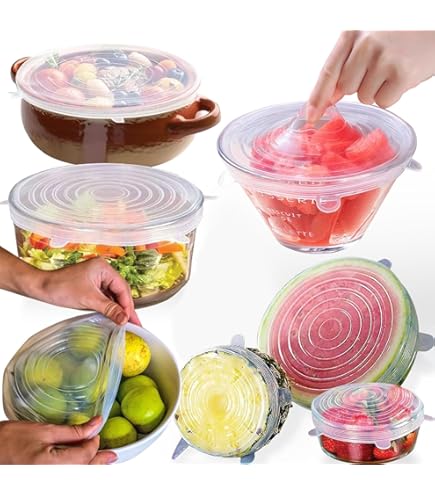
Choose lids that match the size of your containers. They should cover the opening fully without stretching too much.
Also, check the shape of the lid. Some lids work better on round containers, others on square or oval shapes.
- Measure the container opening before buying
- Select lids slightly larger for a tight seal
- Pick lids designed for container shape
Material Quality Checks
Good quality silicone lids last longer and stay flexible. Look for lids made from food-grade silicone to ensure safety.
Check if the lid can handle heat and cold well. This helps if you use lids in the microwave or freezer.
- Food-grade silicone is safe and durable
- Flexible lids fit containers better
- Heat-resistant lids allow safe microwaving
- Cold-resistant lids work well in freezers
Compatibility With Containers
Not all silicone lids fit every container type. Check if your lids work with glass, plastic, or metal bowls.
Some lids have a stronger grip for certain materials. Make sure the lid seals tightly to avoid leaks.
- Match lids to container material for best fit
- Look for lids with a strong suction seal
- Test lids on different containers before use
Proper Cleaning Techniques
Reusable silicone lids need good cleaning to stay safe and last long. Proper cleaning removes food residue and germs.
Using the right cleaning methods helps keep the lids flexible and in good shape for many uses.
Hand Washing Tips
Wash silicone lids by hand with warm, soapy water. Use a soft sponge or cloth to avoid damage.
Rinse lids well to remove all soap. Dry them completely before storing to stop mold growth.
- Use gentle dish soap
- Clean all edges and grooves
- Do not use abrasive scrubbers
- Dry with a clean towel or air dry
Dishwasher Safety
Most silicone lids are dishwasher safe. Place lids on the top rack to avoid heat damage.
Check the manufacturer’s instructions to be sure. Avoid high heat cycles if possible to keep lids in good condition.
- Use normal dishwasher settings
- Top rack placement is best
- Avoid high heat drying cycles
- Check for any damage after washing
Removing Odors And Stains
Silicone lids can absorb smells or get stained from strong foods. Clean them regularly to avoid this.
Use natural solutions like baking soda or vinegar to remove odors and stains effectively.
- Sprinkle baking soda on the lid
- Add a little water to make a paste
- Let it sit for 30 minutes, then rinse
- Soak lids in vinegar for 15 minutes for odor removal
- Rinse thoroughly after treatment
Maximizing Seal Efficiency
Reusable silicone lids save food and reduce waste. To get the best seal, you need to use them right.
This guide shares simple tips to help you keep a strong seal every time.
Ensuring A Tight Fit
Make sure the silicone lid matches the container size. A lid too small or too big will not seal well.
Press the lid firmly on the container’s edge. Check for any gaps where air can enter.
- Pick lids that cover the container fully
- Press edges down evenly around the lid
- Check for air bubbles or loose spots
Avoiding Overstretching
Do not stretch silicone lids too much. Overstretching can break the seal and damage the lid.
Use a lid close to the container size. Stretch only enough to cover the container edges.
- Choose the right size lid for your container
- Stretch gently and avoid sharp pulls
- Replace lids if they lose elasticity
Using With Different Foods
Silicone lids work well with many foods but some need special care. Soft or wet foods may slip.
Keep the container rim clean and dry before sealing. This helps the lid stick better.
- Wipe container edges before use
- Use lids on solid or thick foods for best seal
- For liquids, check the lid tightness often
Storage And Maintenance
Reusable silicone lids are a great way to cover food and reduce waste. To keep them working well, you need to store and clean them properly.
Good care helps the lids stay flexible and strong for a long time. Let’s look at some tips for storage and maintenance.
Safe Storage Ideas
Store silicone lids in a dry and cool place. Avoid direct sunlight to stop them from getting hard or brittle.
You can stack lids of different sizes to save space. Keep them flat or slightly bent to hold their shape well.
- Use a drawer or container for all lids
- Keep away from heat sources like stoves
- Dry lids completely before storing
- Separate lids by size for easy use
Preventing Damage
Handle silicone lids gently to avoid tears or cracks. Do not stretch lids too much as they can lose shape.
Clean lids with soft sponges, not rough scrubbers. Avoid cutting or using sharp tools near the lids.
- Do not pull lids aggressively
- Use mild soap and warm water for washing
- Keep away from knives and sharp objects
- Check for damage before use
Extending Lifespan
Rinse lids right after use to stop stains and smells. Dry them fully before putting away to prevent mold.
Store lids properly and clean them gently to keep their stretch and seal. Rotate use of lids to avoid wearing out one too fast.
- Rinse lids soon after use
- Air dry completely before storage
- Use lids evenly to avoid heavy wear
- Check and replace damaged lids
Credit: www.amazon.com.au
Creative Uses Beyond Covers
Reusable silicone lids are great for covering food containers. They can do much more than just cover bowls or cups.
These lids are flexible, heat-resistant, and easy to clean. This makes them useful in many other ways around the kitchen and home.
Microwave And Oven Uses
Silicone lids can be used safely in microwaves and ovens. They help keep moisture in food while heating.
Place a silicone lid over bowls or small dishes to avoid splatters. It can also act as a cover for baking small items.
- Use lids to cover leftovers in the microwave to keep food moist.
- Cover ramekins or small baking dishes to trap steam in the oven.
- Seal bowls to warm sauces without drying them out.
- Protect oven racks from drips by placing lids under small containers.
Travel And Outdoor Applications
Silicone lids work well for travel and outdoor meals. They keep food safe from insects and dust.
You can cover cups or small containers when camping or picnicking. The lids are light and easy to carry.
- Use lids to cover drinks and keep bugs out.
- Seal small containers with snacks or sauces for trips.
- Stack lids to cover cups and bowls in outdoor settings.
- Keep lids in your travel bag for quick food covers anywhere.
Organizing Small Items
Silicone lids can help organize small household items. Their flexible shape makes them useful as covers or separators.
You can use them to keep tiny items together and prevent spills or mix-ups in drawers or boxes.
- Cover small jars or containers to keep parts secure.
- Use lids as separators inside drawers for jewelry or craft supplies.
- Place lids under small piles of screws or nails to keep them from scattering.
- Stack lids to create small trays for organizing desk items.
Credit: m.economictimes.com
Frequently Asked Questions
How Do Reusable Silicone Lids Save Kitchen Waste?
Reusable silicone lids reduce plastic wrap use, cutting single-use waste. They are durable and washable, promoting eco-friendly habits.
Can Silicone Lids Fit All Container Sizes?
Silicone lids are flexible and stretch to fit various container sizes. Choose lids slightly larger than your container for a secure seal.
Are Silicone Lids Safe For Microwave Use?
Yes, reusable silicone lids are microwave-safe. They withstand high temperatures without melting or releasing harmful chemicals.
How To Clean Reusable Silicone Lids Effectively?
Wash silicone lids with warm soapy water or place them in the dishwasher. Avoid harsh abrasives to maintain their quality.
Conclusion
Reusable silicone lids save money and help the planet. Use them on different containers for a tight seal. Clean them gently to keep them lasting longer. Store lids flat to keep their shape. Avoid sharp objects near the lids. Small steps make a big difference in daily life.
Try these tips and enjoy easy, eco-friendly kitchen habits. Reusable silicone lids can be simple and smart tools.