

Looking to make your kitchen more eco-friendly and efficient? Reusable silicone kitchen tools are a game-changer, but using them the right way can save you time, money, and frustration.
Imagine cutting down on waste while cooking with tools that last longer and stay cleaner. You’ll discover simple tips to get the most out of your silicone utensils and keep them in perfect shape. Ready to transform your cooking experience?
Keep reading to unlock easy, practical advice that you can start using today.

Credit: cuisipro.com
Choosing The Right Silicone Tools
Reusable silicone kitchen tools are essential for cooking. Choose wisely to get the best results in your kitchen.
Consider different features like material quality, shapes, and heat resistance. These factors help in selecting the right tools.
Material Quality Matters
Good quality silicone is safe and durable. It should be free from harmful chemicals.
Look for silicone that is food-grade. This ensures it is safe for cooking.
- Check for BPA-free labels
- Opt for non-toxic materials
- Ensure it’s FDA approved
Tool Shapes And Sizes
Different tasks need different tool shapes. Consider what you cook most often.
Having various sizes is helpful. This is especially true for baking and mixing.
- Spatulas for flipping and spreading
- Whisks for mixing ingredients
- Brushes for basting and glazing
Heat Resistance Levels
Silicone tools must withstand high temperatures. This prevents melting and damage.
Check the heat resistance level before buying. It should match your cooking style.
- Look for tools that resist up to 450°F
- Ensure they are microwave safe
- Consider oven-safe options for baking
Cleaning And Maintenance Tips
Reusable silicone kitchen tools are handy and last long. Keeping them clean helps them stay safe and fresh.
Good care stops bad smells and stains from building up. It also makes your tools look new for longer.
Safe Washing Techniques
Wash silicone tools with warm, soapy water after each use. Use a soft sponge or cloth to avoid damage.
Rinse them well to remove all soap. Dry with a clean towel or air dry before storing.
- Use mild dish soap
- Do not use abrasive scrubbers
- Avoid harsh chemicals
- Check dishwasher instructions if using one
Removing Stains And Odors
Silicone tools can hold stains and smells from food. Clean them soon to stop this from happening.
Use baking soda paste or white vinegar to remove tough stains and odors. Let it sit before rinsing well.
- Make a paste with baking soda and water
- Rub paste on stains, then rinse
- Soak tools in vinegar for 30 minutes
- Air dry completely after cleaning
Storage Best Practices
Store silicone tools in a cool, dry place. Avoid stacking heavy items on top to keep their shape.
Keep tools away from direct sunlight and heat to prevent damage. Use hooks or containers to stay organized.
- Store in a drawer or utensil holder
- Hang tools if possible to save space
- Do not fold or bend tools too much
- Keep away from sharp objects
Maximizing Tool Durability
Reusable silicone kitchen tools last longer when cared for properly. Using these tools the right way helps keep them strong and useful.
Follow simple tips to avoid damage and know when to replace your tools. This keeps your kitchen safe and tools working well.
Avoiding Common Damage
Silicone tools can get damaged by heat, sharp objects, or rough cleaning. Avoid using them near open flames or sharp knives.
Do not leave silicone tools in hot pots or pans for a long time. This can cause warping or melting.
- Keep tools away from direct heat sources
- Do not cut or scrape with silicone tools
- Avoid harsh cleaning brushes or scouring pads
- Do not expose tools to extreme temperatures quickly
Proper Usage Guidelines
Use silicone tools only for their intended kitchen tasks. Stirring, scraping, and baking are common uses.
Clean tools gently with warm soapy water after each use. Dry them well before storing to prevent mold or damage.
- Use tools for mixing, scraping, or baking only
- Wash with mild soap and soft cloth or sponge
- Dry completely before putting away
- Store tools in a cool, dry place
When To Replace Tools
Replace silicone tools if they show cracks, tears, or lose shape. Damaged tools can affect food safety and cooking results.
If tools smell bad even after cleaning or change color, it is time to get new ones. Old tools may not perform well.
- Look for cracks or tears on the surface
- Check if tools keep their original shape
- Notice if strong odors remain after cleaning
- Replace tools showing discoloration or wear
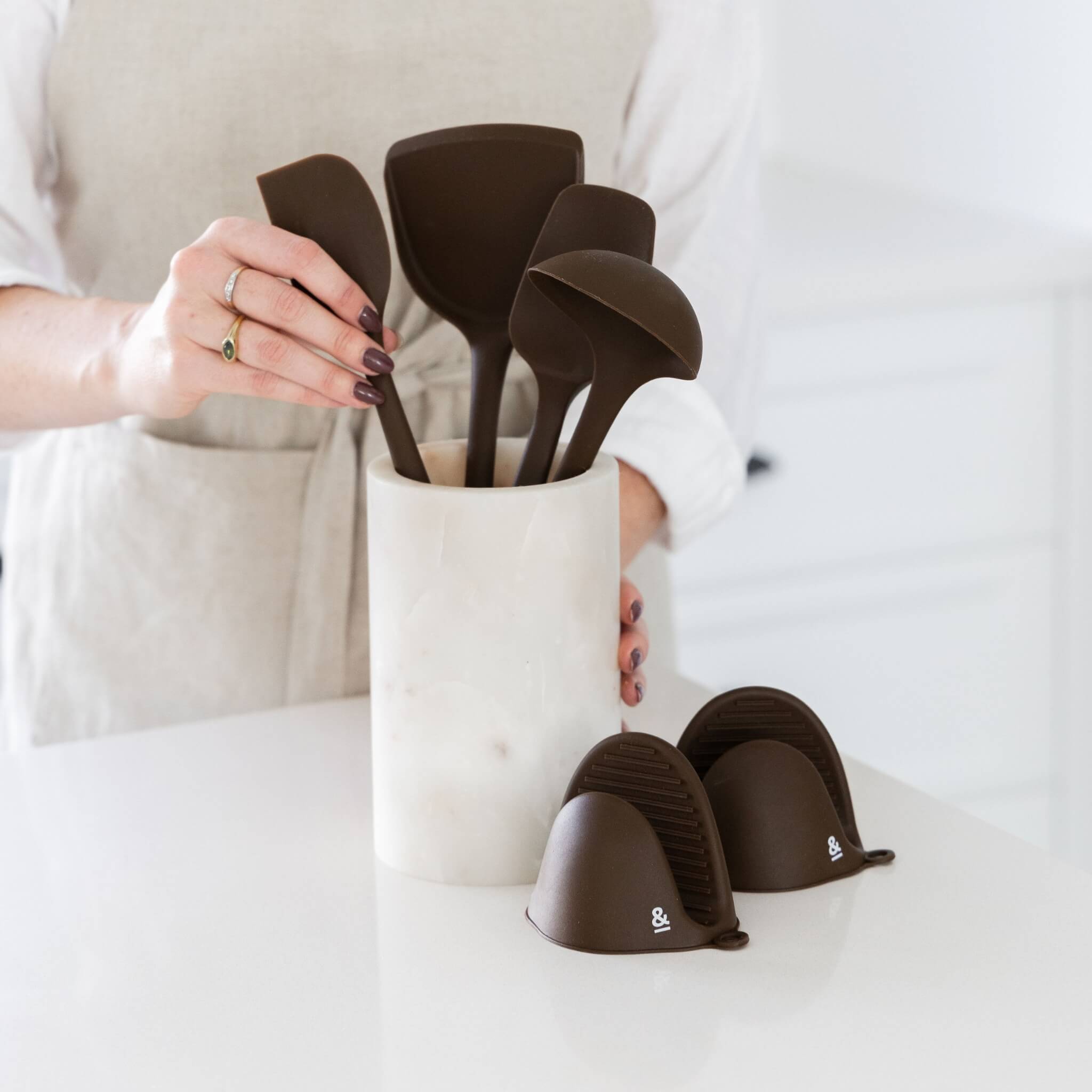
Credit: seedsprout.com.au
Creative Uses In The Kitchen
Reusable silicone kitchen tools are handy and easy to clean. You can use them in many ways beyond just cooking.
These tools save space and help keep your kitchen neat. They work well for cooking, baking, and other tasks.
Cooking And Baking Hacks
Silicone tools can handle heat well. Use them for stirring hot sauces or scraping batter from bowls.
They also work great for shaping and portioning dough or mixing ingredients without scratching pans.
- Use silicone spatulas to fold delicate batters gently
- Shape cookie dough with flexible silicone molds
- Use silicone brushes to spread oil or sauce evenly
- Scrape every bit of batter to reduce waste
Non-culinary Applications
Silicone tools are useful outside the kitchen. They can help with crafts or small household tasks.
Use silicone spatulas to mix paint or glue. They are easy to clean and won’t absorb liquids.
- Mixing homemade beauty products like scrubs or masks
- Using silicone molds for soap or candle making
- Cleaning small containers or bottles with flexible spatulas
- Removing stickers or labels gently using silicone edges
Combining Tools For Efficiency
Use several silicone tools together to speed up kitchen work. They fit well with each other.
For example, use a silicone whisk to mix and a spatula to scrape the bowl. This reduces mess.
- Mix ingredients with a silicone whisk, then scrape with a spatula
- Use silicone tongs and spatulas to flip and serve food
- Stack silicone lids with containers for easy storage
- Use silicone mats with tools to protect counters and catch spills
Environmental And Health Benefits
Reusable silicone kitchen tools offer many benefits for the environment and your health. They reduce waste and keep harmful chemicals away from your food.
Using these tools helps protect the planet and ensures safer cooking experiences at home.
Reducing Plastic Waste
Silicone kitchen tools last longer than plastic ones. This means fewer tools thrown away over time.
They help lower the amount of plastic waste that ends up in landfills and oceans.
- Reusable silicone tools can be cleaned and used many times
- They do not break or wear out quickly like plastic
- Less plastic waste means a cleaner environment
Food Safety Advantages
Silicone is safe for cooking and does not release harmful chemicals. This makes your food healthier.
These tools resist heat and do not melt or warp, unlike some plastics.
- Silicone is non-toxic and BPA-free
- It does not absorb odors or stains from food
- Tools made from silicone are easy to clean and keep hygienic
Cost Savings Over Time
Though silicone tools may cost more at first, they last much longer than plastic.
You save money by not buying replacements often.
- Durable materials mean fewer purchases needed
- Resistant to damage from heat and cleaning
- Long-lasting tools reduce kitchen costs
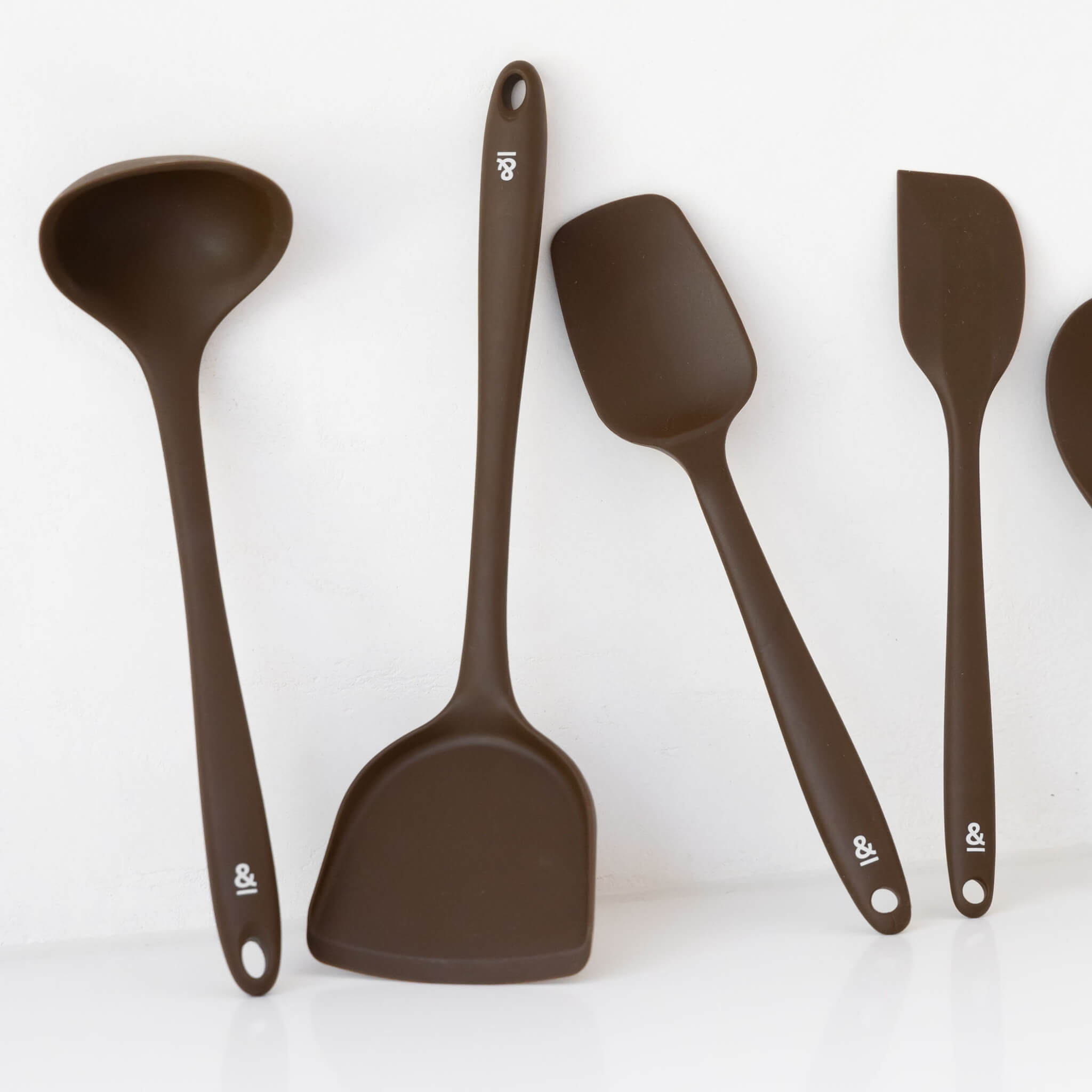
Credit: seedsprout.com.au
Frequently Asked Questions
What Are The Benefits Of Reusable Silicone Kitchen Tools?
Reusable silicone kitchen tools are eco-friendly and durable. They resist heat, are easy to clean, and do not absorb odors. These tools reduce plastic waste and save money over time. They are safe for cooking and help maintain a clean kitchen environment.
How Do I Clean Reusable Silicone Kitchen Tools Properly?
Clean silicone tools with warm, soapy water after each use. Avoid harsh scrubbing to prevent damage. Dishwasher-safe options make cleaning easier. Regular cleaning prevents residue buildup and keeps tools hygienic. Dry tools completely before storing to avoid mold growth.
Are Reusable Silicone Kitchen Tools Heat Resistant?
Yes, most silicone kitchen tools can withstand temperatures up to 450°F (232°C). This makes them safe for baking, cooking, and microwaving. Always check the manufacturer’s specifications for exact heat limits. Their heat resistance prevents melting or warping during use.
Can Silicone Kitchen Tools Scratch Non-stick Cookware?
No, silicone tools are gentle and safe for non-stick surfaces. They prevent scratches and extend cookware life. Unlike metal utensils, silicone is flexible and soft. Using silicone tools preserves the coating and maintains cookware quality.
Conclusion
Reusable silicone kitchen tools help save money and reduce waste. They are easy to clean and last a long time. Using them makes cooking safer and more fun. Small changes in the kitchen can protect the environment. Choose tools that fit your needs and style.
Keep these tips in mind for better use and care. Enjoy cooking with silicone tools every day.