
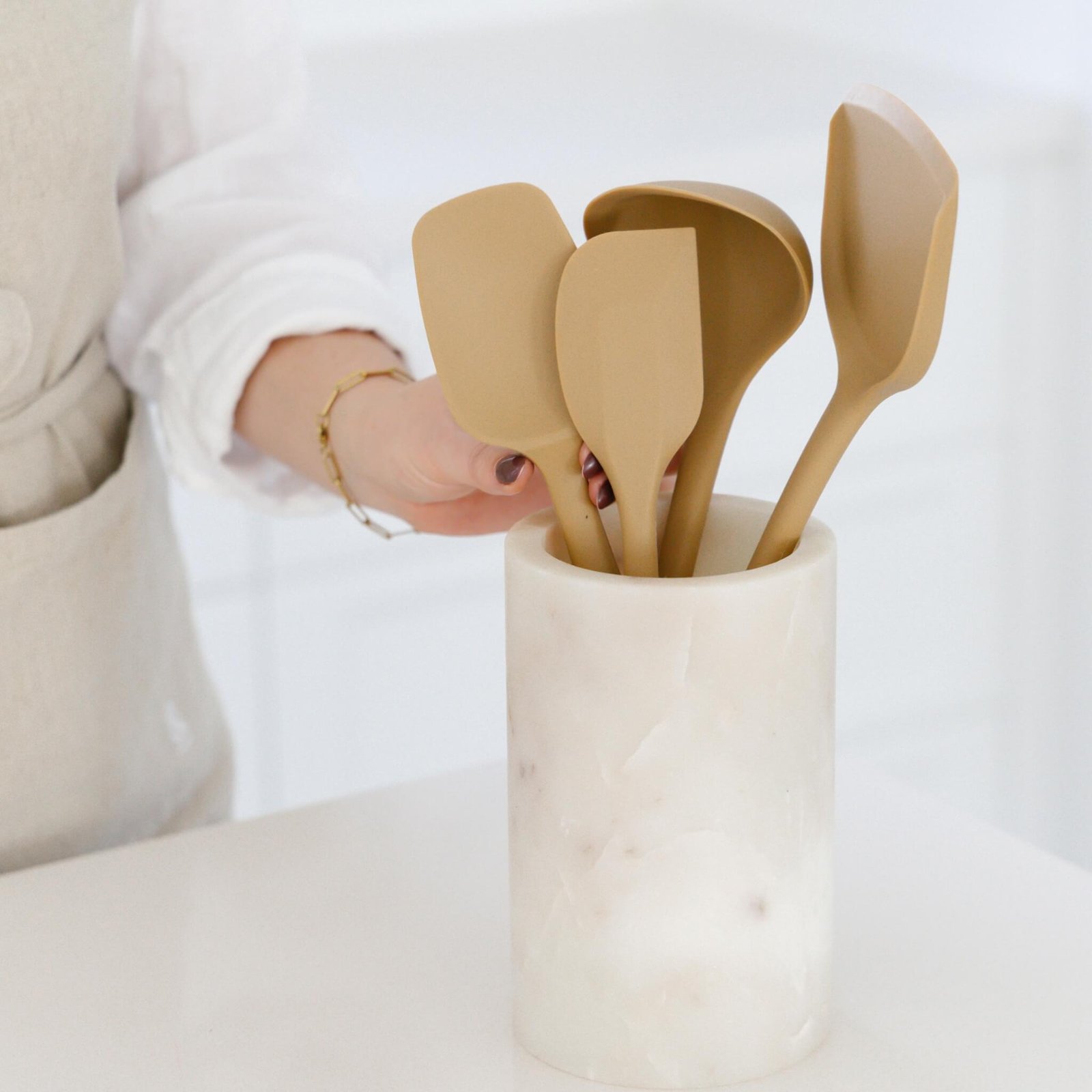
Are you looking to make your kitchen more eco-friendly and efficient? Reusable silicone kitchen tools are a smart choice that can save you money and reduce waste.
But to get the best results, you need to know how to use and care for them properly. You’ll discover simple tips that make your silicone tools last longer and perform better every time you cook. Keep reading to unlock easy ways to upgrade your kitchen routine with these versatile tools!
Choosing The Right Silicone Tools
Reusable silicone kitchen tools are popular for their durability and ease of use. They are a great choice for eco-friendly cooking and baking.
When selecting silicone tools, it’s essential to know what to look for. This will ensure you get the best products for your needs.
Types Of Silicone Kitchen Tools
Silicone kitchen tools come in many forms. Each has a specific use in the kitchen.
- Silicone spatulas: Perfect for mixing and scraping.
- Silicone baking mats: Great for non-stick baking.
- Silicone molds: Useful for cakes and chocolates.
- Silicone tongs: Handy for gripping hot food.
Key Features To Look For
When choosing silicone tools, consider some key features. These features ensure you get high-quality and useful tools.
- Heat resistance: Ensures tools can withstand high temperatures.
- Flexibility: Makes handling easier and prevents breakage.
- Non-stick surface: Helps with easy cleaning and use.
- Dishwasher safe: For convenient cleaning.
Safety And Quality Standards
Safety is crucial when selecting silicone tools. Ensure they meet quality standards.
Look for FDA-approved labels. This ensures the tools are safe for food contact. Check for BPA-free products to avoid harmful chemicals.
- Check for certification marks.
- Ensure no strong odors from the silicone.
- Verify the material is food-grade.
Cleaning And Maintenance Tips
Reusable silicone kitchen tools are easy to clean and last long with proper care. Keeping them clean helps avoid stains and odors.
Regular maintenance keeps your tools safe and ready for cooking. Follow simple tips to protect your silicone items.
Best Cleaning Practices
Wash silicone tools with warm, soapy water after each use. Use a soft sponge to remove food residue gently.
For tough stains, soak tools in a mix of baking soda and water. Rinse thoroughly to avoid leftover cleaning agents.
- Use mild dish soap and warm water
- Avoid abrasive scrubbers that scratch surfaces
- Dry tools completely before storing
- Run tools through the dishwasher if labeled safe
Avoiding Damage
Keep silicone tools away from sharp knives to prevent cuts. Avoid using them on very hot surfaces directly.
Do not expose silicone to open flames. Avoid boiling or frying at temperatures above the tool’s limit.
- Check product heat resistance before use
- Do not cut or scrape with sharp objects
- Keep away from direct fire or broilers
- Replace tools if they show cracks or tears
Storage Suggestions
Store silicone tools in a dry place to avoid mold and mildew. Keep them separate from heavy kitchen items.
Hang or lay tools flat to keep their shape. Avoid folding or squeezing tools tightly during storage.
- Use hooks or utensil holders for hanging
- Place tools in a drawer organizer
- Keep tools away from direct sunlight
- Ensure tools are clean and dry before storing
Maximizing Durability
Reusable silicone kitchen tools last long when you take good care of them. Using them properly helps keep their shape and function. Follow simple tips to make your tools durable.
Proper handling and cleaning prevent damage. This guide shares easy ways to protect your silicone tools.
Handling High Temperatures
Silicone tools handle heat well, but they have limits. Avoid direct contact with open flames or heating elements. Use tools within the recommended temperature range.
Too much heat can cause warping or melting. Keep tools away from very hot pans without food to protect them.
- Check the product label for max temperature
- Do not use near open flames or broilers
- Use heat-safe silicone tools only
- Cool down tools after high-heat use before washing
Preventing Stains And Odors
Silicone can absorb strong smells and colors from food. Clean tools right after use to stop stains and odors. Avoid leaving them in oily or colored sauces for long.
Regular cleaning keeps tools fresh. Use warm soapy water or dishwasher-safe settings. For odors, soak tools in baking soda water for 20 minutes.
- Wash tools immediately after cooking
- Use mild dish soap and warm water
- Soak in baking soda solution for odor removal
- Avoid harsh chemicals that damage silicone
When To Replace Tools
Even durable silicone tools wear out over time. Replace them if you see cracks, tears, or hardening. Damaged tools can break or affect food safety.
Check your tools every few months. Replace if they lose flexibility or show deep stains that do not clean.
- Replace if cracks or tears appear
- Change tools if they become stiff or brittle
- Discard if stains or smells do not go away
- Replace after several years of use for best safety
Credit: seedsprout.com.au
Creative Uses For Silicone Tools
Reusable silicone kitchen tools are great for cooking and baking. They are flexible and heat-resistant.
You can use silicone tools for other tasks in your home. These tips show creative ways to use them.
Beyond Cooking And Baking
Silicone tools work well outside the kitchen. Use spatulas and brushes for crafts or cleaning small areas.
Silicone mats can protect surfaces from paint or glue. They are easy to clean after use.
Organizing Kitchen Spaces
Use silicone tools to keep your kitchen neat. Silicone cups can hold small items like clips or spices.
Silicone lids and mats can help stack and separate containers. This saves space and prevents spills.
- Use silicone spatulas to prop open lids
- Keep silicone baking mats rolled for easy storage
- Use silicone trivets as drawer liners
Diy Projects
Silicone tools are great for DIY crafts. Use silicone molds for making soaps or candles.
Silicone brushes help apply glue or paint smoothly. Their flexibility makes detailed work easier.
- Make custom ice cubes or chocolates with silicone molds
- Use silicone mats to protect surfaces during painting
- Create textured designs by pressing silicone tools into clay
Eco-friendly Benefits
Reusable silicone kitchen tools help protect the environment. They reduce the need for disposable items.
Using these tools lowers waste and supports a cleaner planet. They last longer than plastic or paper.
Reducing Waste
Silicone kitchen tools can be used many times. This reduces the amount of trash in landfills.
Unlike single-use items, they do not break or wear out quickly. This means less frequent replacement.
- Cut down on plastic bags and wraps
- Lower paper towel use in the kitchen
- Use fewer disposable baking mats and molds
Comparing To Single-use Alternatives
Single-use kitchen tools create a lot of waste. They often end up in landfills or oceans.
Reusable silicone tools replace many disposable items. They save money and reduce pollution.
- Silicone mats instead of parchment paper
- Silicone spatulas instead of wooden sticks
- Silicone lids instead of plastic wrap
Supporting Sustainable Brands
Buying silicone tools from eco-friendly brands helps the planet. These brands use safe materials.
Sustainable brands often follow fair work practices. This supports workers and communities globally.
- Choose brands with transparent sourcing
- Look for certifications on product safety
- Support companies that reduce packaging waste

Credit: seedsprout.com.au
Common Mistakes To Avoid
Reusable silicone kitchen tools are helpful and last a long time. Using them the right way keeps them safe and clean.
Avoiding common mistakes helps you get the best use out of your silicone tools. Learn what to watch for.
Misuse That Causes Damage
Using silicone tools the wrong way can cause tears or burns. Avoid cutting with sharp knives on them.
Do not expose silicone tools to open flames or very high heat. It can melt or weaken the material.
- Do not use knives or sharp objects on silicone surfaces
- Keep tools away from direct flame or electric stove coils
- Avoid folding or stretching tools too much
- Use silicone only for cooking temperatures stated by the maker
Ignoring Manufacturer Instructions
Each silicone tool has specific rules. Ignoring them can shorten the tool’s life.
Always check the instructions for heat limits and dishwasher safety. Follow these rules carefully.
- Read heat tolerance limits before use
- Check if the tool is dishwasher safe
- Follow storage and cleaning advice
- Do not use tools for purposes not recommended by the maker
Cleaning Errors
Wrong cleaning can damage silicone tools or leave bad smells. Use mild soap and warm water.
Do not use abrasive scrubbers or strong chemicals. These can break down the silicone or cause stains.
- Wash tools with gentle dish soap
- Use soft sponges or cloths for cleaning
- Rinse well and dry completely before storing
- Avoid bleach or harsh cleaners
Credit: seedsprout.com.au
Frequently Asked Questions
What Are The Benefits Of Reusable Silicone Kitchen Tools?
Reusable silicone tools are eco-friendly and durable. They resist heat and stains, making cooking safer and easier. They save money by reducing disposable tool use. Silicone is flexible, non-stick, and easy to clean, improving kitchen efficiency and hygiene.
How Do I Clean Silicone Kitchen Tools Properly?
Clean silicone tools with warm, soapy water after each use. Avoid harsh abrasives to prevent damage. For tough stains, soak in vinegar or baking soda solution. Most silicone tools are dishwasher safe, making cleaning quick and convenient.
Can Silicone Kitchen Tools Withstand High Temperatures?
Yes, silicone tools can handle temperatures up to 450°F (232°C). They won’t melt or warp, making them ideal for cooking and baking. Always check manufacturer guidelines to ensure safe temperature limits for your specific tools.
Are Silicone Kitchen Tools Safe For Food Preparation?
Silicone is food-grade, non-toxic, and BPA-free, making it safe for cooking. It doesn’t react with food or release harmful chemicals. Using silicone tools can help maintain food flavor and safety during preparation.
Conclusion
Reusable silicone kitchen tools help save money and reduce waste. They stay safe at high temperatures and last a long time. Clean them easily with warm water and soap after use. Store them properly to keep their shape and quality.
Using these tools supports a greener kitchen and a healthier planet. Small changes like these make a big difference over time. Choose silicone tools to cook smarter and help the environment every day.