
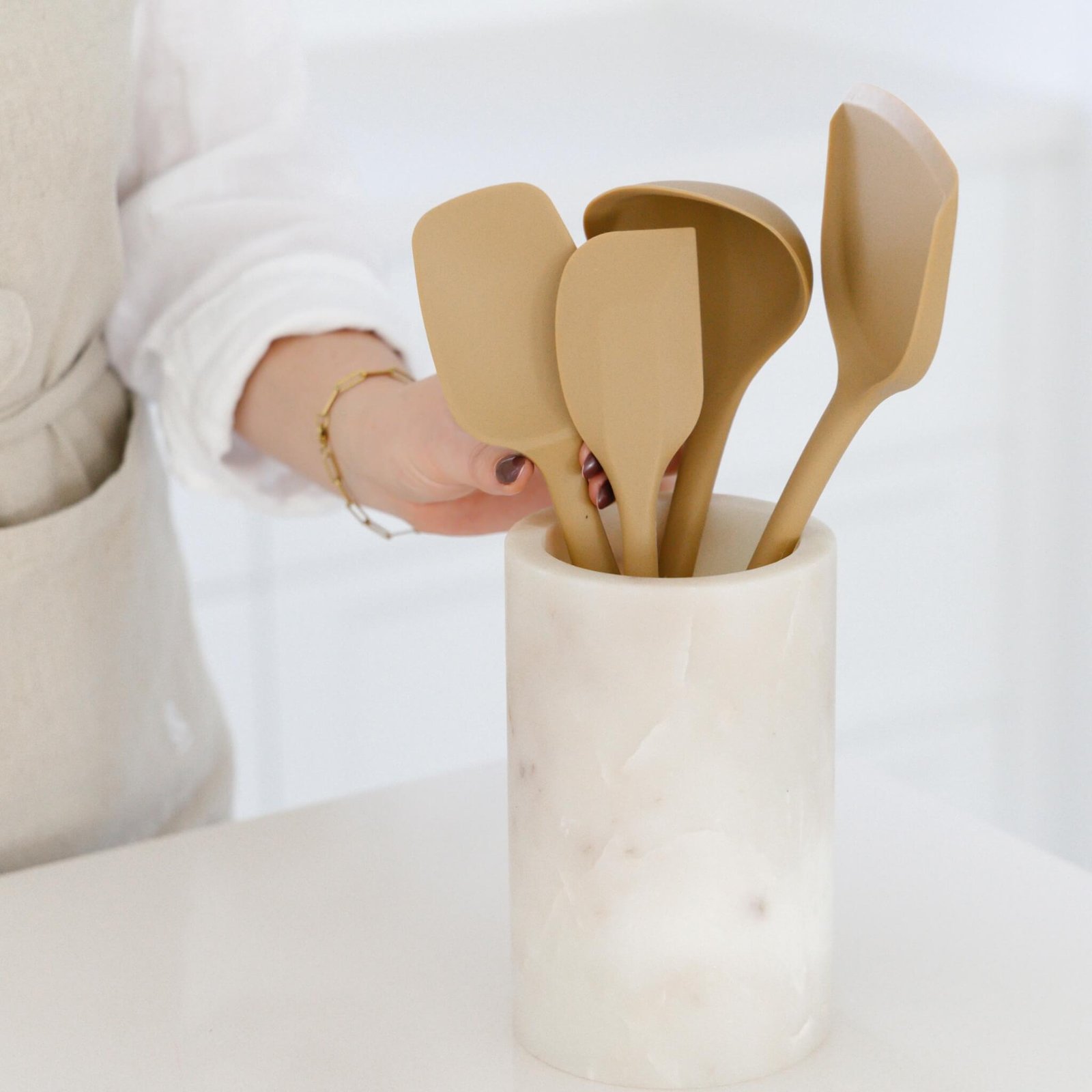
Are you looking to make your kitchen more eco-friendly and efficient? Reusable silicone kitchen tools are a smart choice, but using them the right way can make all the difference.
Imagine saving money, reducing waste, and making cooking easier—all at once. You’ll discover simple tips that help you get the most out of your silicone tools. Keep reading to transform your cooking experience and protect the planet with ease.
Choosing The Right Silicone Tools
Reusable silicone kitchen tools are popular for their durability and flexibility. Picking the right ones can improve your cooking experience.
Consider factors like material quality, tool types, and size to make the best choice.
Material Quality Matters
High-quality silicone tools are safe and long-lasting. Check if they are food-grade and BPA-free.
Good material ensures tools don’t melt or warp with heat. This keeps your food safe and your tools in good shape.
Tool Types For Different Tasks
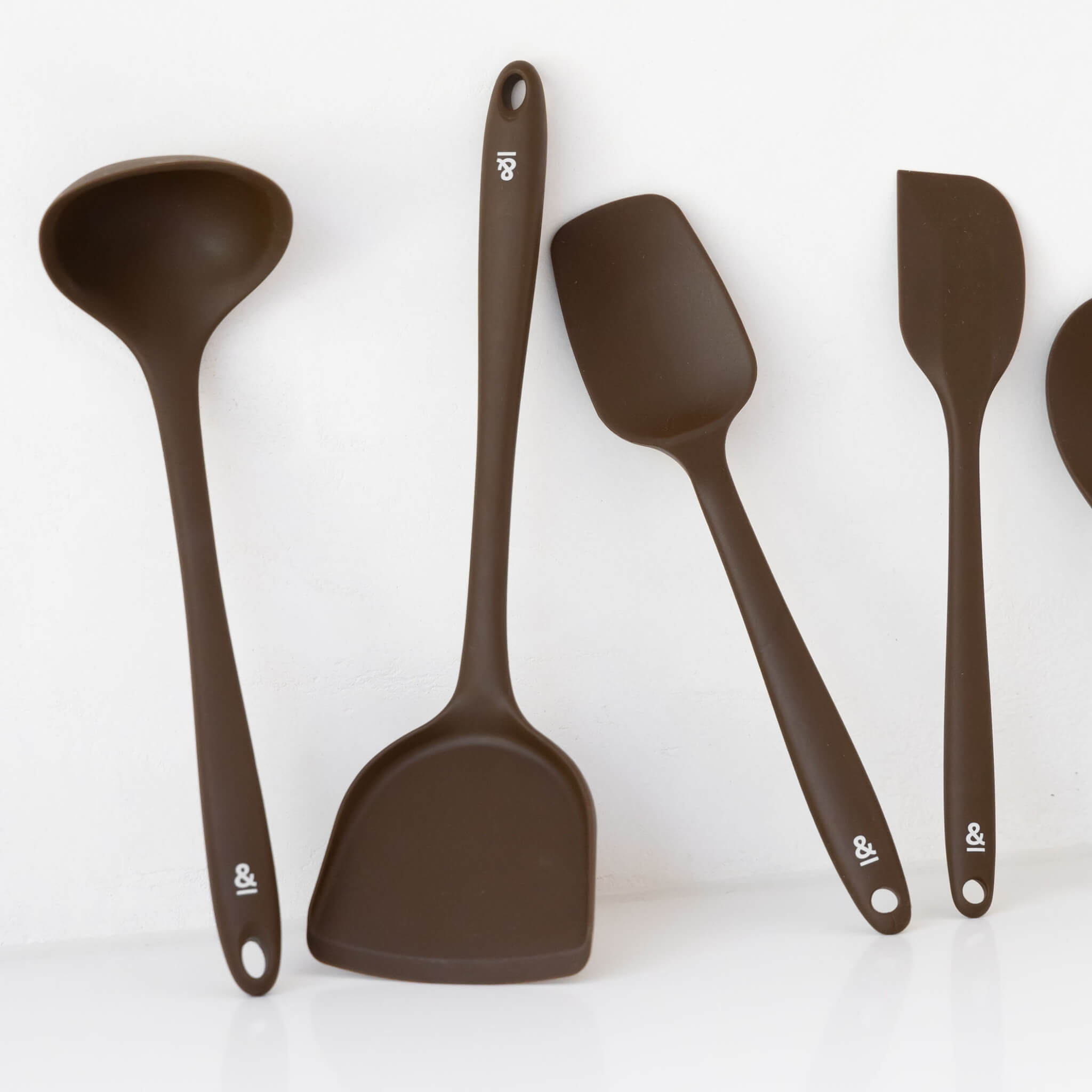
Different tasks need different tools. Spatulas, baking mats, and whisks are common silicone tools.
Choose the tool that fits your cooking style. A baking mat is great for cookies, while a spatula works well for flipping pancakes.
- Spatulas for flipping and mixing
- Baking mats for non-stick surfaces
- Whisks for beating and mixing
Size And Shape Considerations
The size and shape of your silicone tools affect their usability. Smaller tools fit in tight spaces, while larger ones handle bigger tasks.
Curved shapes can help with mixing, while flat surfaces are ideal for spreading. Pick according to what you need most.
| Task | Recommended Size |
| Mixing | Medium to Large |
| Frying | Flat and Wide |
| Baking | Non-stick Surface |
Cleaning And Maintenance Tips
Reusable silicone kitchen tools need regular cleaning to stay safe and last longer. Proper care helps keep them free from dirt and germs.
Follow simple cleaning and maintenance steps to keep your silicone tools fresh and in good shape.
Safe Washing Practices
Wash silicone tools with warm water and mild soap after each use. Avoid harsh cleaners that can damage the material.
Use a soft sponge or cloth to clean. Do not use abrasive scrubbers that can scratch the surface.
- Rinse tools well to remove soap residue
- Dry with a clean towel or air dry completely
- Check for food stuck in small crevices
Removing Stains And Odors
Silicone tools may absorb food colors or smells over time. Use simple home remedies to clean them deeply.
Soak tools in a mix of baking soda and water for 15 minutes to remove stains and odors.
- Make a paste with baking soda and water
- Apply paste to stained areas and let sit
- Rinse well and dry after soaking
- Use vinegar soak for strong odors
Proper Storage Methods
Store silicone kitchen tools in a dry, cool place. Avoid stacking heavy items on top to keep their shape.
Keep tools separate from sharp objects to prevent cuts or tears in the silicone.
- Use a drawer organizer or container
- Hang tools with hooks if possible
- Keep away from direct sunlight
- Ensure tools are fully dry before storing
Maximizing Tool Lifespan
Reusable silicone kitchen tools are great for cooking and baking. Taking care of these tools helps them last longer and stay safe to use.
Using simple tips can protect your tools from damage and wear. This guide shares easy ways to keep your silicone tools in top shape.
Avoiding Heat Damage
Silicone tools can handle heat, but very high temperatures can harm them. Avoid placing tools too close to flames or heating elements.
Do not use silicone tools to stir hot oil or place them on hot pans for long times. This prevents melting or warping.
- Keep tools away from open flames
- Use tools only within their heat limit (check packaging)
- Do not leave tools in a hot pan or oven
Handling With Care
Handle silicone tools gently to avoid tears or breaks. Do not bend or pull them too hard.
Store tools in a dry place without heavy items on top. This keeps them from getting squished or misshaped.
- Do not stretch or twist tools forcefully
- Keep tools away from sharp objects
- Store tools flat or hanging to keep shape
Regular Inspection For Wear
Check your silicone tools often for cracks, holes, or rough spots. Damaged tools can lose their function or safety.
Replace tools if you see signs of wear. Regular checks help you use tools that are clean and safe.
- Look for cracks or splits on tool surfaces
- Feel for sticky or rough areas
- Remove tools with visible damage from use
Credit: seedsprout.com.au
Creative Uses In The Kitchen
Reusable silicone kitchen tools are safe and flexible. They can help with many kitchen tasks beyond regular cooking.
Here are some creative ways to use these tools to save time and space in your kitchen.
Beyond Cooking: Baking And Freezing
Silicone tools work great for baking and freezing. Their heat resistance makes them perfect for oven use.
You can use silicone molds to shape ice cubes, chocolate, or small cakes. They also keep baked goods from sticking.
- Use silicone spatulas to fold batter gently
- Freeze herbs or sauces in silicone trays
- Bake muffins in silicone cups for easy release
- Make shaped ice cubes with silicone molds
Diy Kitchen Hacks
Silicone tools can help with clever kitchen tricks. They are easy to clean and bend to fit small spaces.
Use silicone lids to cover bowls or cans. They create airtight seals that keep food fresh without plastic wrap.
- Use silicone mats as non-slip surfaces for cutting
- Seal jars with silicone lids to save leftovers
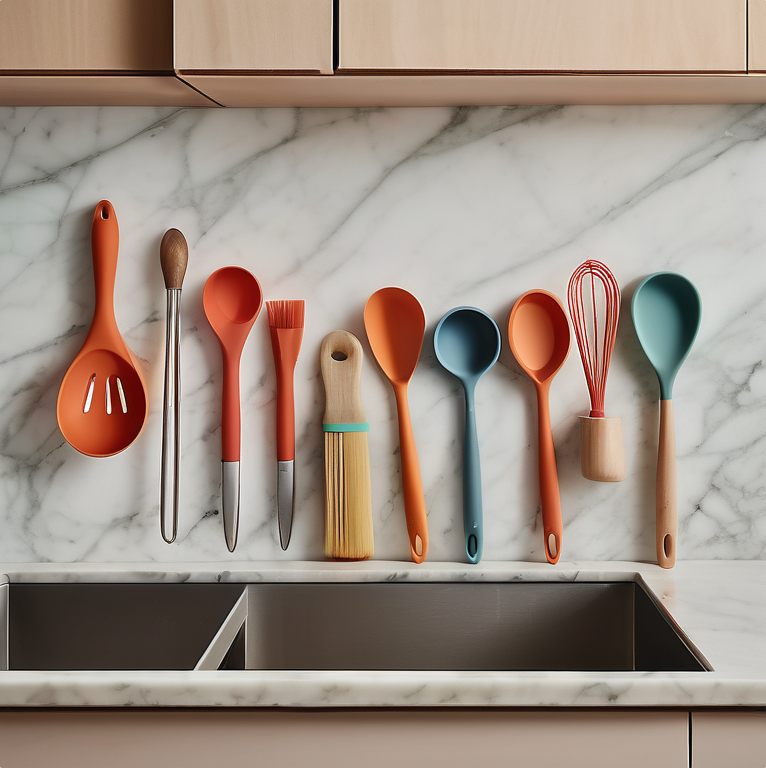
- Use small silicone brushes to apply sauces or oils
- Place silicone trivets under hot pots to protect counters
Combining Tools For Efficiency
Using silicone tools together can make cooking faster and easier. Their flexibility helps with multitasking.
For example, use a silicone spoon rest with a spatula to keep counters clean. Combine silicone tongs and mats to handle hot foods safely.
- Use a silicone brush and bowl to marinate meat cleanly
- Place silicone mats under mixing bowls to stop slipping
- Use spatulas and tongs together to flip and serve food
- Stack silicone containers to save space in your fridge
Health And Safety Benefits
Reusable silicone kitchen tools offer many health and safety benefits. They are safe to use and help keep your kitchen clean.
Choosing the right kitchen tools can protect your family and improve hygiene while cooking.
Non-toxic And Bpa-free Features
Silicone tools are made without harmful chemicals like BPA. They do not release toxins into food.
This makes them safer than some plastic tools. You can cook and serve food without worry.
- Made from food-grade silicone
- No BPA or phthalates
- Heat resistant without melting
- Safe for hot and cold foods
Reducing Cross-contamination
Silicone tools are easy to clean and sanitize. This helps stop germs from spreading in your kitchen.
You can use different tools for meat, vegetables, and cooked food to avoid mixing bacteria.
- Non-porous surface resists bacteria
- Dishwasher safe for thorough cleaning
- Different colors help separate uses
- Quick to dry, reducing germs
Eco-friendly Advantages
Reusable silicone tools reduce waste from disposable products. They last longer than plastic utensils.
Using them helps protect the environment and lowers kitchen waste.
- Durable and long-lasting
- Can replace many single-use items
- Easy to clean and reuse
- Made from recyclable materials

Credit: seedsprout.com.au
Credit: medium.com
Frequently Asked Questions
What Are The Benefits Of Reusable Silicone Kitchen Tools?
Reusable silicone tools are durable, heat-resistant, and eco-friendly. They reduce plastic waste and save money over time. They are safe for cooking, easy to clean, and flexible for various kitchen tasks, making them a smart choice for sustainable cooking.
How Do I Clean Reusable Silicone Kitchen Tools?
Clean silicone tools with warm soapy water or dishwasher-safe settings. Avoid harsh abrasives to preserve texture. Regular cleaning prevents food residue buildup and maintains hygiene. Proper care extends the tool’s lifespan and keeps it safe for food use.
Can Silicone Kitchen Tools Withstand High Temperatures?
Yes, silicone tools can handle temperatures up to 450°F (232°C). They are heat-resistant and won’t melt or warp. This makes them ideal for cooking, baking, and stirring hot foods without safety concerns.
Are Silicone Kitchen Tools Safe For Food Contact?
Silicone tools are FDA-approved and non-toxic. They do not leach harmful chemicals into food. Their non-stick nature prevents food contamination, making them safe and reliable for everyday cooking.
Conclusion
Reusable silicone kitchen tools save money and help the environment. They last long and clean up easily. Using them reduces waste from single-use plastics. Silicone tools stay safe at high cooking temperatures. Choose the right size and shape for your needs.
Store them properly to keep their quality. Small changes in the kitchen can make a big difference. Try these tips to enjoy cooking with silicone tools. Your kitchen becomes cleaner and greener every day.