

Are you ready to make your grocery trips greener and easier? Using reusable produce bags is a simple change that can save you money and help the planet.
But to get the most out of them, there are a few smart tips you need to know. Keep reading, and you’ll discover how to use these bags like a pro, keep your fruits and veggies fresh longer, and even make your shopping faster.
Let’s dive in and transform the way you shop for produce!

Credit: tlppackaging.com
Choosing The Right Bags
Reusable produce bags are great for carrying fruits and vegetables. Picking the right ones can make your shopping easier.
Consider the material, size, shape, breathability, and durability of the bags. These factors help in keeping produce fresh.
Materials To Consider
Material is important for reusable produce bags. Popular choices include cotton, mesh, and nylon.
- Cotton bags are natural and biodegradable.
- Mesh bags allow air flow, good for certain produce.
- Nylon bags are lightweight and strong.
Sizes And Shapes
Bags come in different sizes and shapes. Choose based on the type of produce you buy.
Small bags are good for berries. Larger bags work for greens or multiple items.
Breathability And Durability
Breathability helps keep produce fresh. Mesh bags are breathable and prevent moisture build-up.
Durability ensures the bag lasts long. Strong materials like nylon provide durability for heavy produce.
Cleaning And Maintenance
Reusable produce bags help reduce plastic waste. Keeping them clean is important for food safety and bag durability.
Proper cleaning and care extend the life of your bags. Follow simple tips to keep them fresh and strong.
Washing Techniques
Wash your produce bags regularly to remove dirt and bacteria. Most bags can be hand washed or machine washed.
Use mild soap and cold or warm water. Avoid bleach or harsh detergents that can damage the fabric.
- Turn bags inside out before washing
- Use a gentle cycle in the washing machine
- Hand wash with a soft brush for tough stains
- Rinse well to remove soap residue
Drying Tips
Dry your bags completely before storing them. Damp bags can develop mold or mildew.
Air dry bags by hanging them or laying them flat. Avoid using a dryer if the bags have mesh or delicate fabrics.
- Hang bags in a well-ventilated area
- Do not expose bags to direct sunlight for long periods
- Ensure bags are fully dry before folding or storing
When To Replace Bags
Check your produce bags often for signs of wear. Replace bags that show damage to keep your food safe.
Tears, holes, or frayed seams reduce bag strength. Bags that smell bad after washing should also be replaced.
- Replace bags with holes or tears
- Discard bags with stretched or loose seams
- Throw away bags that keep bad odors
- Keep track of how long you have used each bag
Organizing Your Bags
Reusable produce bags help reduce plastic waste. Keeping them organized makes shopping easier.
Organizing your bags saves time and keeps them clean. You can quickly find the right bag when needed.
Storage Ideas
Store your reusable bags in one easy place. This keeps them neat and ready to use.
Use containers or hooks to keep bags off counters. This prevents clutter and damage.
- Hang bags on hooks inside a pantry door
- Use a small basket or bin on a shelf
- Keep bags in a drawer with dividers
Labeling For Easy Use
Label bags to know what each one holds. This saves time while shopping or storing.
Write on bags with a washable marker or attach small tags. Labels help keep bags organized.
- Mark bags for fruits, vegetables, or bulk items
- Use color-coded tags for quick ID
- Change labels as needed for different uses
Packing Efficiently
Pack bags by size and use to save space. This keeps your bags tidy and easy to carry.
Fold bags flat or roll them tightly. Place heavier items in stronger bags first.
- Stack small bags inside larger ones
- Keep bags inside a pouch for travel
- Use bags for multiple items to reduce number needed

Credit: www.allcottonandlinen.com
Shopping Smart With Bags
Using reusable produce bags helps reduce plastic waste. It is easy to shop smart with these bags.
Knowing how to use them properly makes your shopping better and cleaner.
Using Bags At The Store
Bring your reusable bags to the store with you. Keep them in your shopping bag or car.
Use one bag for each type of produce to keep things neat and easy to handle.
- Check bag size before shopping to fit your produce
- Open bags fully to make packing faster
- Put heavier items at the bottom
Avoiding Cross-contamination
Keep raw and clean produce separate to avoid dirt or bacteria spreading.
Use different bags for fruits and vegetables, especially if some are peeled or cut.
- Use one bag for leafy greens
- Use another bag for fruits like apples and oranges
- Wash bags regularly to keep them clean
Weighing Produce Correctly
Place empty reusable bags on the scale first to get the bag weight. This step is called taring.
Then add your produce to the bag and weigh it. This way, you pay only for the produce.
- Ask the cashier if unsure about the taring process
- Use clear bags to see the produce easily
- Label bags if the store requires it
Benefits Beyond Shopping
Reusable produce bags help reduce waste and protect the environment. They are useful in many ways beyond just carrying fruits and vegetables.
Using these bags supports a lifestyle that saves money and promotes better choices. Here are some key benefits to consider.
Reducing Plastic Waste
Reusable produce bags cut down the need for single-use plastic bags. This helps lower the amount of plastic that ends up in landfills and oceans.
Using cloth or mesh bags means fewer plastic bags are made, which reduces pollution and harm to animals.
- Plastic bags take hundreds of years to break down
- Many plastic bags end up as litter in nature
- Reusable bags can be washed and used many times
Saving Money Over Time
Buying reusable produce bags is a small investment that saves money in the long run. Stores sometimes charge for plastic bags, which adds up.
Using your own bags means you avoid these extra costs. The bags last for years, so you don’t need to keep buying new ones.
- Plastic bags may cost money at some stores
- Reusable bags reduce the need to buy more bags
- Durable bags save money by lasting a long time
Supporting Sustainable Brands
Choosing reusable produce bags from sustainable brands helps support ethical businesses. These brands focus on using eco-friendly materials and fair labor.
Buying from these companies encourages more production of green products and better practices in the market.
- Sustainable brands use natural or recycled materials
- They often use fair trade and ethical labor
- Supporting these brands promotes eco-friendly choices
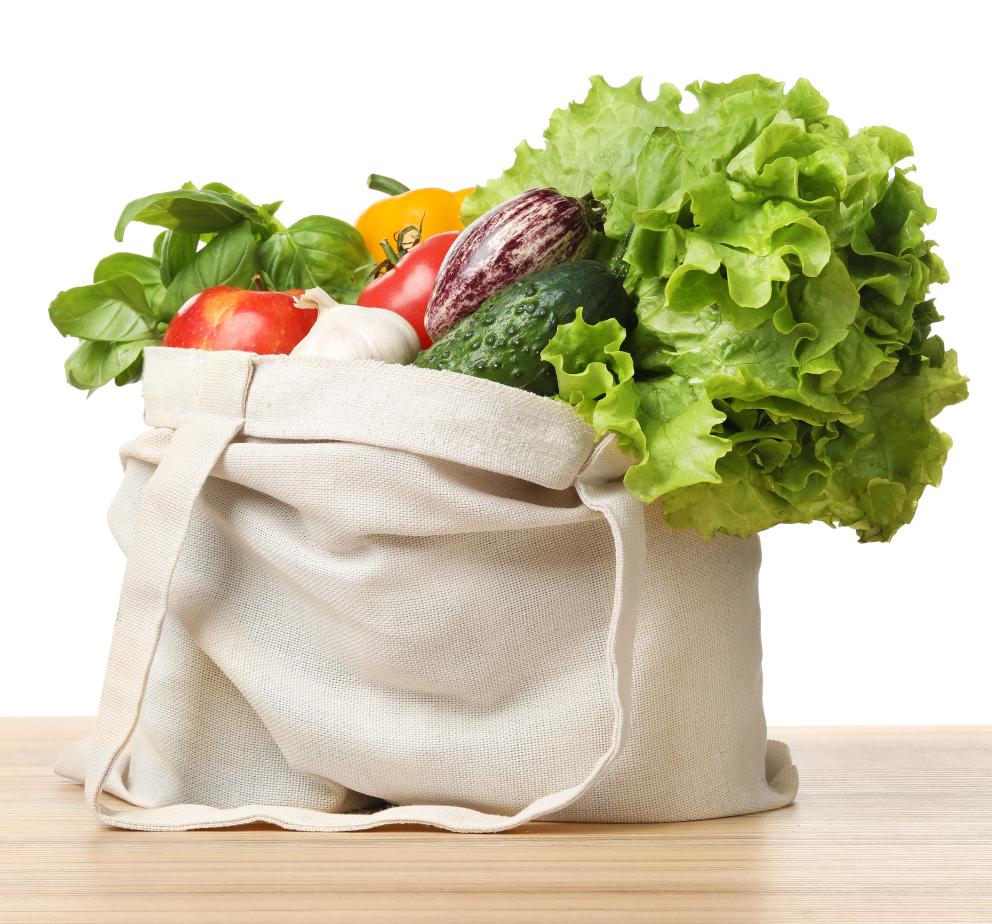
Credit: extension.unh.edu
Frequently Asked Questions
What Are The Benefits Of Using Reusable Produce Bags?
Reusable produce bags reduce plastic waste and protect the environment. They are durable, washable, and save money over time. These bags keep fruits and vegetables fresh while making grocery shopping more organized and eco-friendly.
How Do You Clean Reusable Produce Bags Properly?
To clean reusable produce bags, hand wash or machine wash them in cold water. Avoid harsh detergents and air dry to maintain their durability. Regular cleaning prevents bacteria buildup and keeps bags fresh and safe for food storage.
Can Reusable Produce Bags Keep Food Fresh Longer?
Yes, reusable produce bags made from breathable materials help maintain freshness. They allow air circulation, reducing moisture buildup that causes spoilage. This extends the shelf life of fruits and vegetables compared to plastic bags.
Are Reusable Produce Bags Safe For All Types Of Produce?
Reusable produce bags are generally safe for most fruits and vegetables. However, some bags are better suited for dry items. Always check the bag’s material and use separate bags for wet or delicate produce to avoid contamination and damage.
Conclusion
Reusable produce bags help reduce plastic waste every time you shop. They keep fruits and vegetables fresh and clean. Washing them often keeps bags safe and ready for use. Carrying these bags is easy and saves money in the long run.
Small changes like this make a big difference for the planet. Start using reusable bags today and enjoy a cleaner, greener lifestyle. Every little effort counts. Why not make your shopping better for the earth?