
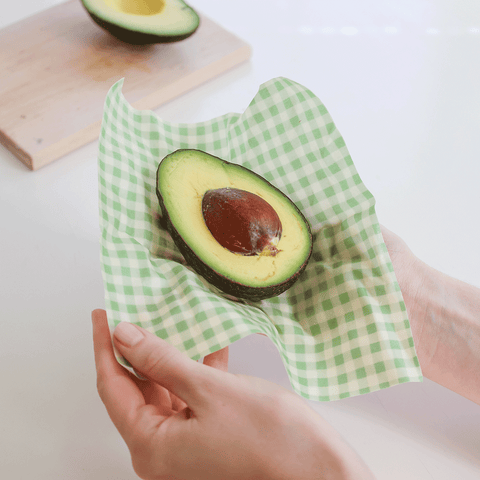
Are you tired of constantly buying plastic wrap that ends up in the trash? Reusable kitchen wraps are a smart and eco-friendly choice that can save you money and reduce waste.
But to get the most out of them, you need to know a few simple tips. Keep reading, and you’ll discover how to use your reusable wraps effectively, keep your food fresh longer, and make your kitchen routine easier. These tips will change the way you store food for good!
Choosing The Right Wraps
Reusable kitchen wraps are great for the environment. They save money and reduce waste. Picking the right wraps can be easy with some tips.
Consider the material, size, shape, and durability. These factors help you choose the best wraps for your needs.
Material Options
Reusable wraps come in different materials. Each material has its own benefits.
- Beeswax wraps are natural and breathable
- Silicone wraps are flexible and easy to clean
- Fabric wraps with wax coating are long-lasting
Size And Shape
Wraps come in various sizes and shapes. Choose ones that fit your kitchen needs.
Large wraps are good for covering bowls. Smaller wraps work well for sandwiches and snacks.
Durability Factors
Durability is important for reusable wraps. The more durable, the longer they last.
| Material | Durability |
| Beeswax | 6-12 months |
| Silicone | Years |
| Fabric with wax | 1-2 years |
Preparing Wraps For Use
Reusable kitchen wraps are a great way to keep food fresh. Proper preparation helps them last longer and work better.
Learn how to clean, maintain, and store your wraps to get the best results.
Cleaning Before First Use
Before using your reusable wraps for the first time, clean them gently. This removes any dust or residue from packaging.
Use cool water and mild soap. Avoid hot water to protect the wrap’s material.
- Rinse with cool water
- Use mild soap only
- Do not scrub hard
- Air dry completely
Maintaining Stickiness
Reusable wraps often use natural oils to stick. Keep this stickiness by caring for them properly.
Do not wash wraps with hot water or strong detergents. These can remove the natural oils and reduce stickiness.
- Use cold or cool water for cleaning
- Dry wraps with a towel or air dry
- Store wraps flat or gently folded
- Apply a small amount of natural oil if stickiness fades
Storage Tips
Store your wraps in a cool, dry place. Avoid heat and moisture to keep them fresh and sticky.
Keep wraps away from sharp objects to prevent tears. Folding loosely helps keep their shape.
- Store in a drawer or container
- Keep away from heat sources
- Fold gently, do not crease hard
- Check wraps regularly for damage
Wrapping Techniques
Reusable kitchen wraps are a smart way to keep food fresh. Learning how to wrap food well helps reduce waste.
Good wrapping keeps food safe and tasty. Use the right techniques for different foods and containers.
Sealing Different Foods
Wrap foods tightly to stop air from entering. Soft foods like bread need gentle wrapping to avoid squishing.
For sticky or wet foods, make sure the wrap covers them fully. This stops leaks and keeps smells in.
- Wrap sandwiches snugly to keep them fresh.
- Cover cut fruits with a single smooth layer.
- Seal cheese by folding the wrap tightly.
- Wrap vegetables loosely if they breathe a lot.
Covering Bowls And Containers
Reusable wraps fit well over bowls and containers. Stretch the wrap to create a seal that holds air out.
Make sure edges stick well by pressing firmly. This keeps the food inside fresh and stops spills.
- Place the wrap over the bowl with extra edges.
- Press down around the rim to seal tightly.
- Smooth out air bubbles for a better seal.
- Use multiple layers for larger containers.
Layering For Freshness
Use layers of reusable wrap to protect delicate foods. Layering adds extra protection and keeps moisture balanced.
Wrap foods in thin layers first, then add a thicker layer outside. This method keeps food fresher longer.
- Start with a light wrap on soft fruits or veggies.
- Add a second wrap layer for items that dry out fast.
- Use layering to separate foods to avoid mixing smells.
- Replace outer layers as needed to maintain freshness.
Cleaning And Care
Reusable kitchen wraps save waste and money. To keep them useful, clean and care for them properly.
Good cleaning helps avoid smells and keeps the wraps fresh for longer use.
Hand Washing Methods
Wash wraps by hand with cool water and mild soap. Hot water can damage the wraps.
Gently rub the wrap to remove food and dirt. Avoid scrubbing hard to keep the surface safe.
- Use soft cloth or sponge
- Rinse with cool water
- Do not use bleach or strong detergents
Drying And Storage
After washing, dry the wraps completely before storing. This stops mold and bad smells.
Air dry by hanging or laying flat in a clean spot. Avoid direct sunlight to prevent damage.
- Do not use a dryer
- Store in a cool, dry place
- Keep wraps flat or rolled, not folded
Avoiding Damage
Keep wraps away from heat sources like ovens or hot pans. Heat melts or warps the material.
Do not cut or use sharp objects on wraps. This can cause holes and reduce their lifespan.
- Avoid washing in dishwashers
- Do not iron wraps
- Store separately from knives or scissors
Extending Wrap Lifespan
Reusable kitchen wraps help reduce waste and save money. Taking care of them can make them last longer.
Simple habits and small fixes keep your wraps useful for a long time.
Regular Inspection
Check your wraps often to find dirt or damage. Clean them gently after each use to avoid buildup.
Look for signs of wear like thinning or small holes. Early detection helps you fix problems before they get worse.
Repairing Small Tears
Fix small tears quickly to stop them from growing. Use gentle glue or patches made for fabric.
Repairing tears keeps your wrap strong and ready to use without losing its shape.
- Apply a small amount of fabric-safe glue on the tear
- Press edges together and let dry fully
- Use a patch if glue is not enough
Proper Usage Habits
Use your wraps carefully to avoid damage. Avoid sharp objects and high heat that can harm the material.
Store wraps in a cool, dry place. Fold them gently instead of crumpling to keep their shape.
- Do not use wraps on hot pots or pans
- Cut food before wrapping to avoid tearing
- Wash with mild soap and air dry
- Keep wraps away from sharp knives or scissors

Credit: www.naturebeewraps.ca
Eco Benefits Of Reusable Wraps
Reusable kitchen wraps help protect food without waste. They are better for the environment than single-use plastic wraps.
Using reusable wraps can reduce pollution and save resources. They are a smart choice for eco-friendly kitchens.
Reducing Plastic Waste
Plastic wraps are used once and thrown away. This creates a lot of trash that harms nature.
Reusable wraps can be cleaned and used again many times. This lowers the amount of plastic waste in landfills and oceans.
- Cut down on single-use plastic wrap
- Less trash means cleaner streets and parks
- Protect animals from plastic pollution
Lowering Carbon Footprint
Making plastic wrap uses a lot of energy and oil. This adds to carbon emissions that cause climate change.
Reusable wraps need less production over time. This reduces the total carbon footprint of your kitchen habits.
- Save energy by reusing materials
- Produce fewer greenhouse gases
- Help slow down global warming
Supporting Sustainable Practices
Reusable wraps often come from natural or recycled materials. This supports businesses that care about the planet.
Choosing reusable wraps encourages eco-friendly farming and fair trade. It helps create a better world for everyone.
- Use organic cotton or beeswax wraps
- Support small, green businesses
- Promote fair and safe labor practices
Common Mistakes To Avoid
Reusable kitchen wraps help reduce waste and keep food fresh. Using them the right way makes them last longer.
Here are some common mistakes to avoid with reusable kitchen wraps. Avoiding these helps you get the best use.
Using On Hot Foods
Placing reusable wraps on hot foods can damage them. Heat may melt or warp the material.
Wait for food to cool before wrapping. This keeps the wrap safe and effective for reuse.
Improper Cleaning
Not cleaning wraps properly can cause stains and bad smells. It also reduces their lifespan.
Use mild soap and cool water to clean. Avoid hot water and harsh scrubbing to keep wraps intact.
- Rinse immediately after use
- Air dry completely before storing
- Do not use bleach or strong detergents
Ignoring Wrap Limits
Reusable wraps have limits for how long and how often to use them. Overusing can reduce their stickiness and strength.
Follow the manufacturer’s guidelines on usage time and storage. Replace wraps if they lose their shape or stickiness.
- Do not stretch wraps too much
- Store wraps flat or gently folded
- Replace wraps showing cracks or tears

Credit: www.thepurposefulyou.com
Incorporating Wraps Into Daily Routine
Reusable kitchen wraps are a smart way to reduce waste. They help keep food fresh and save money.
Using these wraps daily is easy with a few simple habits. You can replace plastic wrap in many tasks.
Meal Prep Tips
Cover bowls and containers with reusable wraps to keep food fresh. They work well for fruits and vegetables.
Wrap cut items like cheese or bread to keep them moist. The wraps are flexible and easy to use.
- Press wraps gently to seal air out
- Use different wrap sizes for various foods
- Clean wraps with cool water and mild soap
- Let wraps dry fully before storing
Packing Lunches
Wrap sandwiches and snacks with reusable wraps to keep them fresh. They are lightweight and easy to carry.
You can fold wraps around lunch boxes or water bottles for extra protection. This cuts down on plastic bags.
- Choose wraps with fun patterns for kids
- Use wraps to bundle cut fruits or veggies
- Store leftovers wrapped to keep taste
Organizing The Kitchen
Keep reusable wraps in a clean, easy-to-reach spot. Use a small basket or container for storage.
Label wraps by size or type to find them fast. This helps keep the kitchen tidy and efficient.
- Store wraps away from heat or direct sunlight
- Wash and dry wraps before returning them
- Use a hook or clip to hang wraps if needed

Credit: xoxobella.com
Frequently Asked Questions
What Are Reusable Kitchen Wraps Made Of?
Reusable kitchen wraps are typically made from beeswax-coated fabric or silicone. These materials are eco-friendly and washable. They replace single-use plastic wraps by providing a sustainable food covering option. Their natural composition makes them safe for storing various food types.
How Do I Clean Reusable Kitchen Wraps?
To clean reusable kitchen wraps, gently hand wash with cold water and mild soap. Avoid hot water as it can melt the wax coating. Air dry completely before storing. Proper cleaning extends the wrap’s lifespan and keeps it hygienic for repeated use.
Can Reusable Wraps Keep Food Fresh Longer?
Yes, reusable wraps help preserve food freshness by providing an airtight seal. The breathable fabric prevents moisture buildup and spoilage. They are ideal for wrapping fruits, vegetables, cheese, and sandwiches, reducing food waste and maintaining flavor and texture.
Are Reusable Kitchen Wraps Safe For All Food Types?
Reusable kitchen wraps are safe for most foods except raw meat and fish. These wraps can absorb odors and bacteria from raw products. For safety, use separate wraps for cooked and raw items or opt for other storage methods with raw meats.
Conclusion
Reusable kitchen wraps help reduce waste and save money. Clean them gently to keep them fresh and lasting longer. Store food safely with wraps that fit snugly. Choose wraps made from natural materials for better health. Small changes like these protect the environment daily.
Try these tips and enjoy a greener kitchen. Simple habits make a big difference over time. Start today and see how easy it can be.