
Are you tired of your muffins sticking to the pan or coming out uneven? Using muffin pans the right way can make all the difference between a baking win and a frustrating mess.
Whether you’re a beginner or just want better results, these simple tips will help you bake perfect muffins every time. Keep reading, and you’ll discover easy tricks that save you time, effort, and keep your muffins looking and tasting amazing.
Ready to become a muffin pro? Let’s dive in!

Credit: www.self.com
Choosing The Right Muffin Pan
Picking the right muffin pan helps you bake better muffins. The pan affects baking time and how muffins come out.
Think about the material, size, and coating before you buy a muffin pan. These details matter for your baking needs.
Material Differences
Muffin pans come in different materials like aluminum, stainless steel, and silicone. Each material has pros and cons.
Aluminum heats up fast and spreads heat evenly. Stainless steel is strong but may heat unevenly. Silicone is flexible and easy to remove muffins from.
- Aluminum:Fast heating, good for even baking
- Stainless Steel:Durable, may have hot spots
- Silicone:Flexible, non-stick, slower heating
Size And Capacity Options
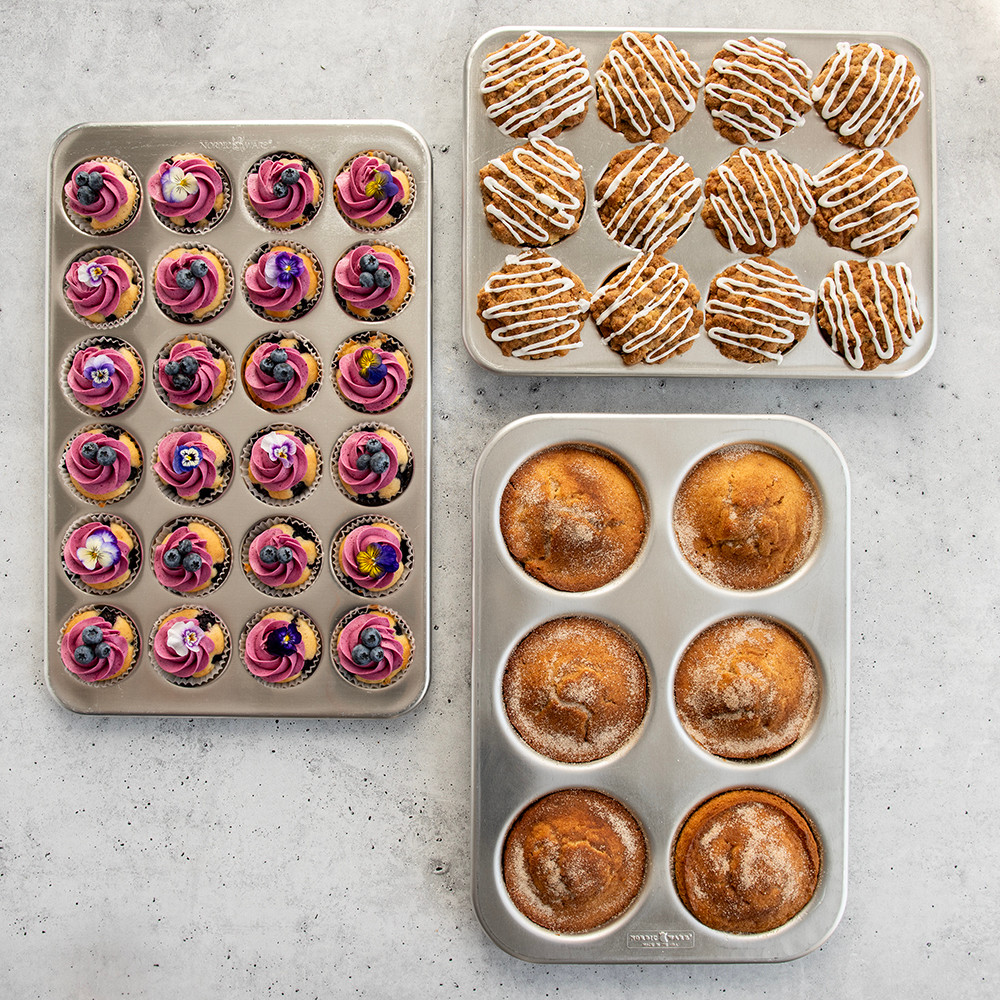
Muffin pans come in various sizes. You can find pans with 6, 12, or 24 cups. Choose the size based on how many muffins you want to bake.
Large pans save time by baking many muffins at once. Small pans fit better in small ovens and need less batter.
- 6-cup pans are good for small batches
- 12-cup pans are standard and versatile
- 24-cup pans are best for big groups or parties
Non-stick Vs. Silicone
Non-stick pans have a coating that helps muffins release easily. Silicone pans are naturally non-stick and flexible.
Non-stick pans heat well but the coating can wear out. Silicone pans last longer but heat slower. Both options make cleaning easier.
- Non-Stick:Easy muffin release, may need gentle care
- Silicone:Flexible, dishwasher safe, slower heating
Preparation Before Baking
Using a muffin pan correctly helps your baked goods come out perfect. Preparing the pan well is key to avoid sticking and ensure even baking.
This guide covers simple steps to get your muffin pan ready before you start baking.
Greasing Techniques
Greasing the muffin pan prevents muffins from sticking. Use a light, even layer for best results.
- Use butter or oil and apply with a brush or paper towel.
- Make sure to cover all cups, including the edges.
- For easier cleanup, use a non-stick spray designed for baking.
- Check for any missed spots to avoid sticking.
Using Liners Effectively
Muffin liners make removing muffins easier and reduce cleaning. Choose the right size and type for your pan.
| Type of Liner | Best Use | Tip |
| Paper | Everyday baking | Place liners gently to avoid tearing |
| Silicone | Reusable and eco-friendly | Wash before first use |
| Foil | For sturdy muffins | Check oven safety |
Preheating The Oven
Preheating the oven ensures even cooking and proper rise for muffins. Always wait until the oven reaches the right temperature before baking.
- Set the oven to the temperature in your recipe.
- Wait at least 10-15 minutes for full heat.
- Use an oven thermometer for accuracy if needed.
- Place the muffin pan in the center rack for even heat.
Filling The Muffin Pan
Filling your muffin pan correctly helps your muffins bake evenly. It also keeps the muffins from spilling over.
Use the right amount of batter for the best muffin shape and texture.
Ideal Batter Consistency
The batter should be thick but easy to scoop. Too runny batter can cause muffins to spread too much.
- Check that the batter falls slowly off the spoon.
- Thick batters hold shape better in the pan.
- Adjust by adding a little flour or liquid if needed.
Avoiding Overfilling
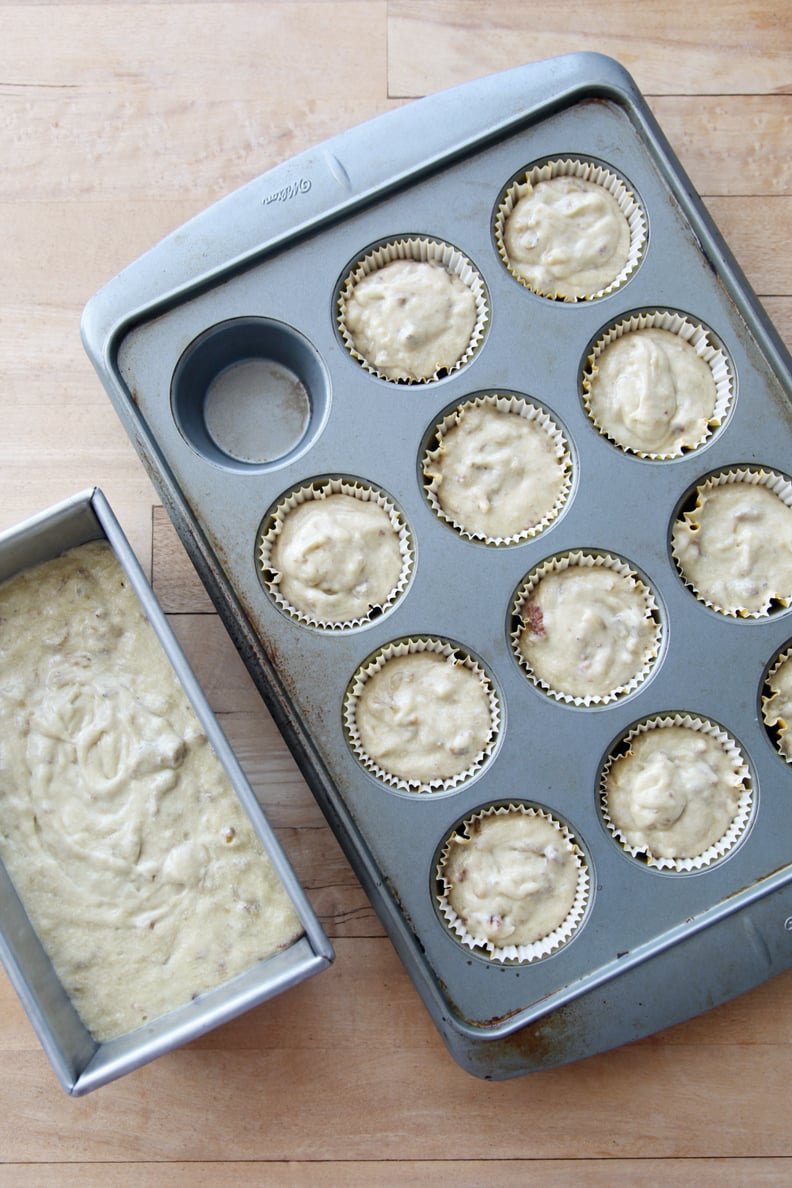
Fill each muffin cup about two-thirds full. Overfilling causes the batter to overflow during baking.
| Fill Level | Result |
| Less than 1/2 full | Small, flat muffins |
| About 2/3 full | Perfectly risen muffins |
| More than 3/4 full | Messy overflow and uneven baking |
Creating Uniform Muffins
Use a scoop or spoon to fill each cup evenly. This helps muffins bake at the same rate.
- Use an ice cream scoop for consistent portions.
- Wipe any batter drips from the pan edges before baking.
- Fill each cup with the same amount to avoid uneven baking.
Credit: www.nordicware.com
Baking Tips
Using a muffin pan correctly helps you bake perfect muffins every time. Small details make a big difference in baking results.
This guide covers key tips about oven placement, baking time, and checking if your muffins are done.
Positioning In The Oven
Place your muffin pan in the center of the oven. This ensures even heat reaches all the muffins. Avoid placing the pan too close to the top or bottom heating elements.
- Center rack placement is best for even baking.
- Leave space around the pan for air circulation.
- Do not overcrowd the oven with multiple pans.
- Rotate the pan halfway through baking if your oven heats unevenly.
Adjusting Baking Time
Baking times can change based on your oven and the muffin pan material. Dark pans absorb more heat and may bake faster than light-colored pans.
| Muffin Pan Type | Baking Time Adjustment |
| Dark-colored metal | Reduce time by 5 minutes |
| Light-colored metal or silicone | Follow recipe time |
| Glass pan | Increase time by 5 minutes |
Testing For Doneness
Check if muffins are baked fully before removing them from the oven. Use simple tests to avoid underbaking or overbaking.
- Insert a toothpick in the center of a muffin.
- If it comes out clean or with few crumbs, muffins are done.
- If the toothpick has wet batter, bake for a few more minutes.
- Touch the muffin top lightly; it should spring back.
- Let muffins cool in the pan for 5 minutes before removing.
Removing Muffins Safely
Taking muffins out of the pan can be tricky. Doing it wrong may break or damage your muffins.
Follow simple tips to remove muffins safely and keep them looking great.
Cooling Time Recommendations
Let muffins cool in the pan for 5 to 10 minutes. This helps them firm up and makes removal easier.
After cooling, transfer muffins to a wire rack to cool completely. This stops them from getting soggy.
Using A Spatula Or Knife
Use a small spatula or butter knife to loosen muffins gently. Slide it around the edges of each muffin.
Be careful not to cut or tear the muffin. A soft touch helps keep the shape and texture intact.
Avoiding Sticking Issues
Prevent muffins from sticking by greasing the pan well before baking. Use butter or cooking spray.
Try using paper liners or silicone muffin cups. They make removal much easier and reduce mess.
- Grease muffin pan thoroughly
- Use paper liners or silicone cups
- Allow muffins to cool before removing
Cleaning And Maintenance
Keeping muffin pans clean helps them last longer. Proper care also keeps your baked goods tasting their best.
Learn how to clean and store muffin pans the right way. This stops damage and buildup over time.
Hand Washing Vs. Dishwasher
Hand washing is gentler on muffin pans. Dishwashers can cause scratches and wear on the surface.
- Use warm water and mild dish soap for hand washing.
- A soft sponge prevents scratching the pan’s coating.
- Avoid abrasive cleaners or steel wool.
- If using a dishwasher, place pans on the top rack only.
- Check the pan’s instructions to see if dishwasher use is safe.
Dealing With Stubborn Residue
Stubborn residue can ruin your next batch of muffins. Use simple methods to remove it carefully.
| Method | Instructions | Notes |
| Soak in warm soapy water | Let the pan soak for 15-30 minutes before scrubbing. | Softens stuck-on food without damage. |
| Baking soda paste | Mix baking soda and water, apply to residue, wait 20 minutes, then scrub gently. | Non-toxic and safe for most pans. |
| Vinegar soak | Soak pan in equal parts vinegar and water for 10 minutes, then rinse. | Helps break down grease and baked-on mess. |
| Plastic scraper | Use a plastic scraper to lift off residue without scratching. | Avoid metal tools that can damage coating. |
Proper Storage Techniques
Store muffin pans to prevent dents and scratches. Keep them dry to stop rust.
- Stack pans with a soft cloth or paper towel between them.
- Keep pans in a cool, dry place.
- Do not place heavy items on top of pans.
- Store pans upright if space allows to avoid damage.
Creative Uses For Muffin Pans
Muffin pans are not just for baking muffins. They can be used in many creative ways in the kitchen and beyond.
Using muffin pans in new ways can save time and help organize small items easily.
Beyond Muffins: Savory Recipes
Muffin pans are great for making small, savory dishes. They help cook even portions quickly.
You can make mini quiches, egg muffins, or meatloaf cups. These are perfect for snacks or meals.
- Mini frittatas with vegetables and cheese
- Stuffed peppers or tomato cups
- Individual meatloaf or sausage bites
- Baked pasta cups with sauce and cheese
Crafting Mini Desserts
Muffin pans are ideal for making small desserts. They help portion sweets in a neat way.
Try making mini cheesecakes, brownie bites, or layered parfaits. These treats are easy to serve.
- Mini cheesecakes with fruit toppings
- Brownie or cookie cups with cream
- Layered yogurt and fruit parfaits
- Mini tarts with custard or chocolate
Organizational Hacks
Use muffin pans to organize small items at home or in the office. They keep things tidy and easy to find.
Store jewelry, craft supplies, or hardware in muffin pans. Label the sections for better order.
- Sort beads, buttons, and sewing supplies
- Keep screws, nails, and bolts separated
- Organize office supplies like paper clips and pins
- Use for kids’ art supplies like crayons and stickers

Credit: www.tasteofhome.com
Frequently Asked Questions
How Do I Prevent Muffins From Sticking To Pans?
To prevent sticking, always grease the pan or use paper liners. Non-stick spray or butter works well. Avoid using metal utensils to protect the coating. Properly cooling muffins before removal also helps keep them intact.
What Is The Best Way To Clean Muffin Pans?
Clean muffin pans with warm, soapy water using a soft sponge. Avoid abrasive scrubbers to protect the surface. For stubborn residue, soak the pan before washing. Dry thoroughly to prevent rust, especially with metal pans.
Can I Use Silicone Muffin Pans Instead Of Metal Ones?
Yes, silicone pans are flexible and non-stick, making muffin removal easy. They distribute heat differently, so baking times may vary. They are dishwasher safe and resist dents, but metal pans offer better browning and crisp edges.
Should I Fill Muffin Cups Fully Or Partially?
Fill muffin cups about two-thirds to three-quarters full. Overfilling causes overflow and uneven baking. Underfilling results in flat muffins. Proper filling ensures even rising and perfectly shaped muffins every time.
Conclusion
Using muffin pans properly makes baking easier and more fun. Always prepare the pans well to avoid sticking. Fill cups evenly for uniform muffins every time. Check baking times closely to prevent burning or undercooking. Clean pans gently to keep them in good shape.
Small steps like these improve your baking results. Enjoy fresh, tasty muffins with less hassle. Baking becomes simple when you follow these tips carefully. Give your muffin pans the care they need. Your kitchen will thank you for it.