
Are your kitchen scissors just lying around, barely used or struggling to cut through your food prep? You might be missing out on a simple tool that can make your cooking faster and easier.
With the right tips, you can turn your kitchen scissors into one of your most reliable helpers. Imagine slicing herbs, trimming meat, or even opening packages without hassle. Keep reading, and you’ll discover how to get the most from your kitchen scissors—making your time in the kitchen smoother and more enjoyable.
Choosing The Right Kitchen Scissors
Kitchen scissors are useful tools for many cooking tasks. Picking the right scissors makes cutting easier and safer.
Good kitchen scissors can help you cut herbs, meat, and packaging without trouble. It is important to know what to look for.
Types Of Kitchen Scissors
There are several types of kitchen scissors. Each type has a special use in the kitchen.
- General-purpose scissors for everyday cutting tasks
- Poultry shears designed to cut through bones and joints
- Herb scissors with multiple blades for quick chopping
- Fish scissors shaped to clean and prepare seafood
Choosing the right type depends on the tasks you do most. Using the correct scissors makes work faster and safer.
Materials And Durability
Kitchen scissors come in different materials. The choice affects how long they last and how well they cut.
- Stainless steel blades resist rust and stay sharp longer
- Plastic handles provide a comfortable and firm grip
- Some scissors have rubber grips to prevent slipping
- All-metal scissors are strong but may be heavier
Look for scissors that feel strong and comfortable in your hand. Durable materials save money over time.

Credit: www.thesun.co.uk
Proper Maintenance And Care
Kitchen scissors are useful tools that need care to last long. Proper maintenance keeps them sharp and safe to use.
Cleaning, sharpening, and storing scissors correctly helps them perform well every time you use them.
Cleaning Techniques
Clean kitchen scissors after each use to avoid rust and food buildup. Use warm soapy water for best results.
Dry scissors completely with a soft cloth to stop moisture from causing damage or corrosion.
- Wash blades carefully, avoiding the handle joints
- Use a small brush for tight spots
- Do not soak scissors for a long time
Sharpening Methods
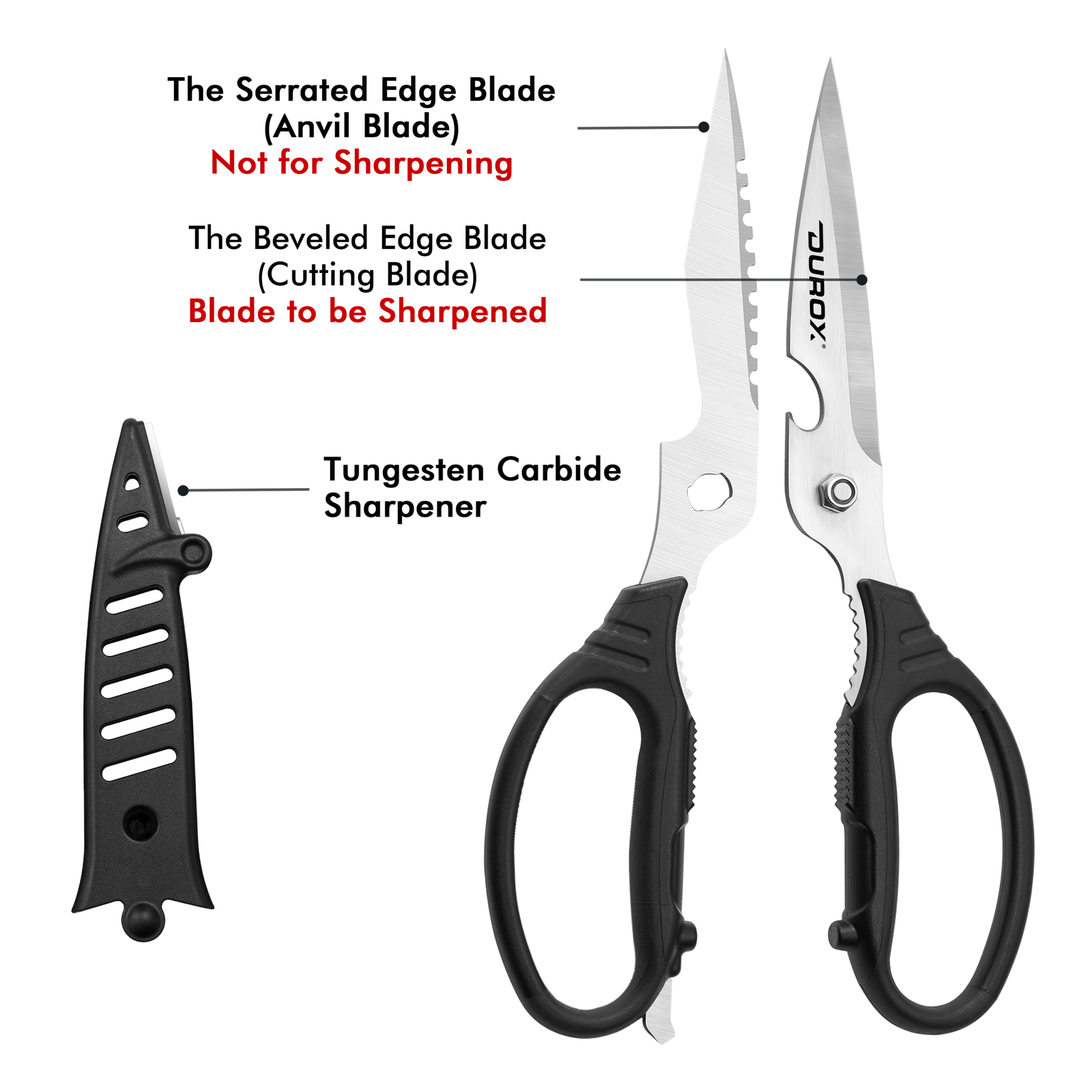
Keep scissors sharp to cut smoothly and safely. Use a sharpening stone or specialized sharpener made for scissors.
Sharpen blades slowly and evenly on both sides. Avoid using rough tools that can damage the blades.
- Open scissors and sharpen each blade separately
- Maintain the original blade angle while sharpening
- Test sharpness by cutting paper or fabric
Storage Tips
Store kitchen scissors in a dry place to avoid rust and damage. Keep them away from other sharp objects.
Use a protective sheath or a dedicated compartment in a kitchen drawer to protect the blades and users.
- Keep scissors closed when not in use
- Store in a clean, dry area
- Use magnetic strips or blade covers for safety
Cutting Techniques For Different Ingredients
Kitchen scissors are handy tools for many cooking tasks. Using the right cutting technique helps you work faster and safer.
Different ingredients need different approaches. Learn how to cut herbs, meat, seafood, and dough with ease.
Herbs And Greens
Use kitchen scissors to snip herbs directly over your dish. This keeps flavors fresh and avoids bruising.
Cut leafy greens into smaller pieces by making quick, short snips. Avoid crushing the leaves.
- Hold herbs gently to avoid bruising
- Snip close to the base for uniform pieces
- Use quick, light cuts for delicate leaves
Meat And Poultry
Kitchen scissors can cut through small bones and joints. Use sharp scissors and steady pressure.
Cut meat into strips or cubes by making clean, straight cuts. Keep scissors clean to avoid contamination.
- Cut along the grain for tender pieces
- Trim fat with careful, controlled cuts
- Clean scissors after handling raw meat
Seafood Preparation
Use kitchen scissors to remove fins or shells from seafood. Snip gently to avoid damaging the flesh.
Cut fish fillets into portions by making smooth, even cuts. Avoid pressing too hard to keep texture.
- Cut fins and tails carefully
- Trim shells with short, precise snips
- Use clean scissors to prevent flavors mixing
Cutting Dough And Pastry
Kitchen scissors help cut dough into shapes without crushing it. Use light, even cuts to keep dough airy.
Trim pastry edges by snipping carefully. Avoid stretching the dough while cutting.
- Use sharp scissors for clean edges
- Cut dough on a floured surface to prevent sticking
- Make small cuts to control shapes precisely

Credit: www.youtube.com
Safety Tips And Best Practices
Kitchen scissors are useful tools for many tasks. Using them safely keeps you and others safe.
Follow simple safety tips and best practices to avoid accidents and damage.
Safe Handling Procedures
Hold scissors firmly and cut away from your body. This reduces the risk of injury.
Keep your fingers clear of the blades. Use the handle properly for better control.
- Always close scissors when not in use
- Store scissors in a safe place, out of children’s reach
- Clean scissors after use to prevent food build-up
- Use scissors only for kitchen tasks, not for other materials
Avoiding Common Mistakes
Do not use dull scissors. Dull blades require more force and can slip.
Avoid cutting hard objects like bones or metal. This can damage the scissors.
- Never run with scissors in hand
- Do not try to cut too much at once
- Do not use scissors to pry or open cans
- Regularly check scissors for loose screws or damage
Innovative Uses Beyond Cutting
Kitchen scissors are more useful than just cutting food. You can use them for many creative tasks.
These scissors help with crafting, gardening, and small home projects. They save time and effort.
Crafting And Diy Projects
Kitchen scissors work well for craft projects. They can cut paper, fabric, and thin plastic easily.
Use scissors to trim threads, shape materials, and make clean cuts. Their sharp blades give good control.
- Cut yarn or ribbon for decorations
- Trim fabric edges for sewing
- Shape paper for scrapbooking
- Snip thin plastic sheets for models
Gardening Applications
Kitchen scissors help in small gardening tasks. They can prune herbs and small plants with ease.
Use scissors to harvest herbs, trim flowers, and cut plant ties. They are gentle and precise tools.
- Harvest fresh herbs without damage
- Trim dead leaves or flowers
- Cut plant ties or garden twine
- Prepare small flower arrangements

Credit: www.familyhandyman.com
Frequently Asked Questions
How Do I Clean Kitchen Scissors Properly?
Clean kitchen scissors with warm, soapy water after each use. Avoid soaking to prevent rust. Dry them completely before storage.
Can Kitchen Scissors Cut Through Bones Safely?
Most kitchen scissors handle small bones safely. Use scissors designed for heavy-duty cutting to avoid damage or injury.
How Often Should Kitchen Scissors Be Sharpened?
Sharpen kitchen scissors every few months or when cutting becomes difficult. Regular sharpening ensures smooth, efficient cutting.
Are Kitchen Scissors Dishwasher Safe?
Not all kitchen scissors are dishwasher safe. Check manufacturer instructions. Hand washing preserves sharpness and prevents rust.
Conclusion
Using kitchen scissors safely makes cooking easier and faster. Always keep them clean and sharp for best results. Use the right scissors for each task to avoid damage. Store them in a safe place, away from children. With these simple tips, your kitchen scissors will serve you well every day.
Enjoy cooking with confidence and ease!