
Are you looking for simple ways to make your kitchen greener? Using eco-friendly food storage is a smart step that helps you save money, reduce waste, and protect the planet.
But where do you start? This guide will share easy tips you can use right now to keep your food fresh while cutting down on plastic and harmful materials. Keep reading to discover how small changes in your storage habits can make a big difference for you and the environment.
Benefits Of Eco-friendly Storage
Eco-friendly food storage helps the environment. It also offers many personal benefits.
Using eco-friendly options can lead to savings and fresher food. Let’s explore these benefits.
Reducing Plastic Waste
Plastic waste is harmful to our planet. Eco-friendly storage reduces the amount of plastic used.
Reusable containers and bags are popular choices. They help cut down on single-use plastics.
- Use glass jars instead of plastic ones
- Opt for beeswax wraps to cover food
- Choose stainless steel containers
Saving Money
Eco-friendly storage options can save money over time. Reusable items do not need frequent replacements.
Buying in bulk and storing well reduces food waste. This also saves money on groceries.
- Invest in quality containers once
- Store foods properly to avoid spoilage
- Reduce the need to buy new bags often
Keeping Food Fresh Longer
Eco-friendly storage keeps food fresh longer. This helps preserve taste and nutrients.
Proper sealing prevents air exposure. This slows down spoilage and keeps food safe to eat.
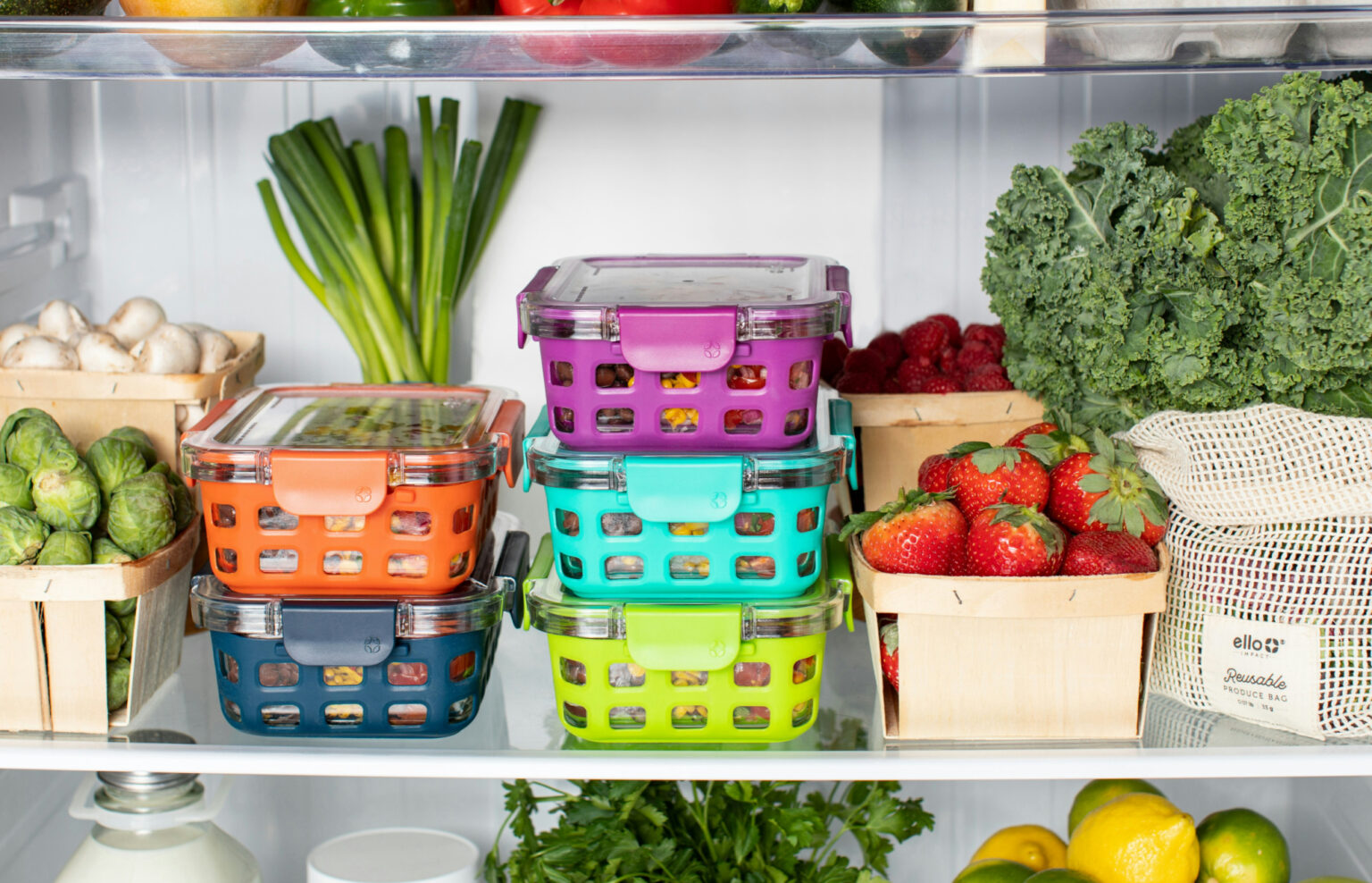
- Use airtight containers for storage
- Keep produce in breathable bags
- Store grains in dark, cool places

Credit: pyramideats.com
Choosing Sustainable Containers
Using eco-friendly food storage helps reduce waste and protect the planet. Choosing the right containers matters for the environment and your food.
Pick containers that last long, are safe for food, and can be reused often. This guide looks at popular sustainable options.
Glass Vs. Plastic
Glass containers are safe, easy to clean, and do not hold odors. They can last for years and are fully recyclable.
Plastic containers are lighter and less likely to break. Look for BPA-free plastics to avoid harmful chemicals. Choose durable types to reuse many times.
- Glass is better for health and environment
- Plastic is light and convenient but less durable
- Both should be reused to reduce waste
Bamboo And Stainless Steel Options
Bamboo containers are natural and biodegradable. They are lightweight and add a nice look to your kitchen.
Stainless steel is very strong and lasts a long time. It does not absorb smells or stains and is easy to clean.
- Bamboo is eco-friendly and compostable
- Stainless steel is durable and safe
- Both options are reusable and sturdy
Reusable Silicone Bags
Silicone bags are flexible and can replace single-use plastic bags. They are leak-proof and easy to clean.
These bags can be used for snacks, leftovers, and freezing food. They help reduce plastic waste and last for many uses.
- Silicone is durable and safe for food
- Bags save space and seal tightly
- They are easy to wash and reuse
Easy Hacks For Eco Storage
Eco-friendly food storage helps reduce waste and saves money. Using simple tools, you can store food safely without plastic.
Try these easy hacks to make your kitchen greener and keep your food fresh longer.
Using Beeswax Wraps
Beeswax wraps are a great alternative to plastic wrap. They are reusable and keep food fresh by sealing it naturally.
You can use beeswax wraps for covering bowls, wrapping sandwiches, or protecting fruits and vegetables.
- Gently wash wraps with cold water after use
- Do not use wraps on raw meat or fish
- Keep wraps away from heat to avoid melting
Repurposing Jars And Tins
Old jars and tins can store dry foods like grains, nuts, and spices. They keep food safe and organized.
Using jars also helps reduce single-use plastic containers in your kitchen.
- Label jars with contents and date
- Use airtight lids to keep food fresh
- Clean jars well before reuse
Diy Fabric Covers
Fabric covers made from cotton or linen can replace plastic lids. They are easy to wash and reuse many times.
You can make covers with elastic bands or ties to fit different bowl sizes.
- Choose breathable, natural fabrics
- Wash covers regularly to stay clean
- Use different sizes for various containers
Storing Different Types Of Food
Using eco-friendly food storage helps reduce waste and keeps food fresh. Different foods need different storage methods to last longer.
Choosing the right containers and materials protects your food and the environment. Let’s look at tips for storing fruits and vegetables, dry goods, and leftovers.
Fruits And Vegetables
Store fruits and vegetables in breathable containers like cloth bags or glass jars. Avoid plastic wraps that trap moisture and cause mold.
Keep leafy greens wrapped in a damp cloth inside a reusable container. This keeps them fresh and crisp longer.
- Use mesh produce bags for apples, oranges, and potatoes
- Keep herbs in glass jars with water like flowers
- Store berries in shallow containers lined with paper towels
Dry Goods And Grains
Dry goods like rice, beans, and pasta stay fresh in airtight containers. Glass or stainless steel jars work well.
Label your containers with the product and date bought. This helps track freshness and reduces food waste.
- Choose containers with tight-fitting lids
- Store grains in cool, dark places
- Use reusable silicone bags for small amounts
Leftovers And Prepared Meals
Store leftovers in glass or stainless steel containers with lids. Avoid plastic wraps that can leach chemicals.
Cool food before storing to prevent condensation inside containers. This keeps food safe and fresh longer.
- Divide large meals into smaller portions
- Label with date and contents
- Use beeswax wraps for covering bowls
Maintaining And Cleaning Containers
Using eco-friendly food storage containers helps reduce waste. Proper care keeps them clean and safe for food.
Good maintenance extends the life of containers. Clean them well to avoid stains and odors.
Natural Cleaning Methods
Natural cleaning uses safe, simple ingredients. These keep containers fresh without harmful chemicals.
Common natural cleaners include vinegar, baking soda, and lemon juice. They remove stains and smells effectively.
- Mix vinegar with water for a gentle cleaner
- Use baking soda paste to scrub tough spots
- Rub lemon juice to freshen and brighten containers
- Rinse well with warm water after cleaning
Avoiding Harsh Chemicals
Harsh chemicals can damage containers and harm health. Avoid bleach, ammonia, and strong detergents.
Choose mild soap or natural cleaners instead. These protect the container’s material and food safety.
- Do not use abrasive cleaners or scrubbers
- Check labels for toxic ingredients
- Rinse containers thoroughly after washing
- Air dry containers to prevent moisture buildup
Extending Container Lifespan
Proper care helps containers last longer. Avoid sharp tools and high heat that can cause damage.
Store containers with lids off to prevent odors. Keep them dry to stop mold and bacteria growth.
- Clean containers soon after use
- Use gentle sponges or cloths for washing
- Keep containers away from direct sunlight
- Check seals and lids regularly for cracks
Credit: www.healthygreenathlete.com
Incorporating Eco Storage Into Daily Life
Using eco-friendly food storage helps protect the environment. It reduces waste and keeps food fresh longer.
Small changes in daily habits can make a big difference. Here are simple tips to use sustainable storage every day.
Meal Prep With Sustainable Tools
Choose containers made from glass, stainless steel, or bamboo for meal prep. These materials last longer and are safer for your health.
Use reusable beeswax wraps or silicone lids instead of plastic wrap. They keep food fresh and cut down on plastic waste.
- Glass jars for salads and soups
- Stainless steel lunch boxes for sandwiches
- Bamboo bowls for snacks
- Beeswax wraps for covering dishes
- Silicone lids for bowls and pots
Packing Lunches The Eco Way
Pack lunches in reusable containers instead of single-use plastic bags. This cuts down on trash and saves money.
Bring your own utensils and cloth napkins. These small swaps reduce waste and make lunch more eco-friendly.
- Use stainless steel or glass containers
- Bring metal or bamboo cutlery
- Use cloth napkins instead of paper
- Include reusable water bottles
Shopping With Reusable Bags And Containers
Take reusable bags to the store to avoid plastic bags. Keep them handy in your car or backpack.
Bring your own containers for bulk items like nuts and grains. This reduces packaging waste and helps you buy only what you need.
- Cloth or mesh bags for fruits and vegetables
- Sturdy tote bags for groceries
- Reusable containers for bulk foods
- Keep bags clean and dry for reuse
Credit: www.iaea.org
Frequently Asked Questions
What Are The Best Materials For Eco-friendly Food Storage?
Glass, stainless steel, silicone, and beeswax wraps are top eco-friendly options. They are reusable, durable, and non-toxic. Avoid single-use plastics to reduce waste. These materials help keep food fresh while protecting the environment.
How Can I Reduce Plastic Use In Food Storage?
Use reusable containers made from glass or stainless steel. Opt for beeswax wraps instead of plastic wrap. Buy food in bulk to minimize packaging. These small changes significantly cut down plastic waste and promote sustainability.
Are Silicone Food Storage Bags Environmentally Safe?
Yes, silicone bags are non-toxic, reusable, and long-lasting. They withstand temperature changes and are dishwasher safe. Silicone is more eco-friendly than single-use plastics, reducing landfill waste and harmful pollution.
How Do I Clean Eco-friendly Food Storage Containers?
Wash glass and stainless steel containers with warm, soapy water. Avoid harsh chemicals to maintain durability. Beeswax wraps clean with cold water only. Proper cleaning extends their lifespan and keeps them safe for reuse.
Conclusion
Using eco-friendly food storage helps protect our planet. It reduces waste and keeps food fresh longer. Simple changes make a big difference every day. Choose reusable containers and avoid single-use plastics. Small steps lead to a cleaner environment for all.
Keep your food safe and the Earth happy. Start today and feel good about your choices. Eco-friendly habits are easy and worth it. Save money, reduce waste, and enjoy fresh meals. A healthier lifestyle begins with smart storage decisions.