
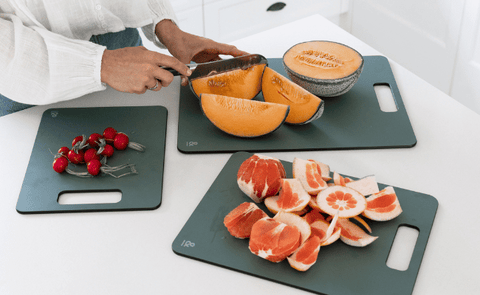
Are you ready to make your kitchen greener and healthier? Using eco-friendly chopping boards is a simple change that can make a big difference.
But to get the most out of them, you need to know how to care for and use them the right way. You’ll discover easy tips that keep your chopping boards lasting longer, stay safe for your food, and help protect the planet.
Keep reading, and you’ll learn how a small switch can lead to big benefits for you and your home.
Credit: en.brilio.net
Choosing The Right Material
Eco-friendly chopping boards are great for the environment. Choosing the right material is important for sustainability and durability.
Here are some tips on selecting eco-friendly materials for your chopping boards.
Bamboo Benefits
Bamboo is a popular choice for eco-friendly chopping boards. It grows quickly and uses less water compared to trees.
It is also strong and durable, making it a good choice for kitchens.
- Grows fast and replenishes quickly
- Uses less water than traditional wood
- Strong and long-lasting
Recycled Plastic Options
Recycled plastic chopping boards reduce waste. They are made from materials that would otherwise go to landfills.
These boards are lightweight and easy to clean, offering convenience for daily use.
- Reduces landfill waste
- Lightweight and easy to handle
- Simple to clean and maintain
Wood Types To Consider
Wood is a classic choice for chopping boards. Choose sustainably sourced wood to help the environment.
Some good wood types include maple, walnut, and cherry. These woods are durable and have a nice finish.
- Maple: Hard and dense
- Walnut: Dark and elegant
- Cherry: Warm color and smooth texture

Credit: www.mychemicalfreehouse.net
Cleaning And Maintenance
Eco-friendly chopping boards need special care to stay clean and last longer. Proper cleaning and maintenance keep them safe for food use.
Good habits help protect the board from damage and prevent germs from growing.
Natural Cleaning Methods
Use natural ingredients to clean your eco-friendly chopping board. They are gentle and safe for the environment.
Lemon and salt work well to remove stains and odors. Baking soda also cleans without harsh effects.
- Sprinkle coarse salt on the board
- Rub a lemon half over the salt
- Let sit for 5 minutes
- Rinse with warm water and dry
Avoiding Harsh Chemicals
Do not use strong cleaners on eco-friendly boards. Chemicals can harm the wood or bamboo and leave toxic residues.
Stick to mild soaps or natural cleaners. Avoid bleach and ammonia because they damage the board’s surface and finish.
- Use gentle dish soap with warm water
- Skip bleach or chemical disinfectants
- Rinse thoroughly after washing
- Dry the board quickly to avoid damage
Proper Drying Techniques
Dry your chopping board well after cleaning. Water left on the board can cause warping and mold growth.
Stand the board upright or lean it against a surface. Air should flow freely around it to dry fast and evenly.
- Use a clean towel to remove excess water
- Stand board on its edge to dry
- Keep it in a well-ventilated area
- Do not store the board flat while wet
Extending Board Lifespan
Eco-friendly chopping boards last longer with the right care. Proper maintenance keeps them strong and safe to use.
Simple habits help protect your board from damage and wear. This saves money and reduces waste.
Regular Oil Treatment
Oiling your chopping board keeps it from drying out and cracking. Use food-safe mineral oil or beeswax.
Apply oil once a month or when the board looks dry. Rub it well into all surfaces and edges.
- Clean and dry the board before oiling
- Use a soft cloth to apply oil evenly
- Let the oil soak in for a few hours
- Wipe off any extra oil with a clean cloth
Preventing Deep Cuts
Deep cuts can damage your board and trap bacteria. Use sharp knives and cut gently to avoid deep marks.
Rotate the board often to spread wear evenly. Avoid cutting in the same spots every time.
- Keep knives sharp to reduce pressure
- Use both sides of the board
- Sand down deep cuts carefully if needed
Avoiding Dishwasher Use
Dishwashers can warp and crack wooden boards. Heat and water damage the wood fibers quickly.
Wash your board by hand with warm water and mild soap. Dry it immediately with a towel.
- Do not soak the board in water
- Keep it upright to dry fully
- Store in a dry, ventilated place
Safe Usage Tips
Using eco-friendly chopping boards is good for the planet and your health. To keep them safe, you should follow some simple tips.
Proper care helps stop germs and keeps food tasting fresh. Learn how to use these boards correctly.
Separate Boards For Different Foods
Use different chopping boards for meats, vegetables, and fruits. This prevents germs from spreading between foods.
Label or color-code your boards to make it easy to know which one to use.
- Use one board for raw meat and poultry
- Use another for vegetables and fruits
- Use a separate board for cooked foods
Preventing Cross-contamination
Clean your chopping boards thoroughly after each use. This stops bacteria from moving from one food to another.
Dry the boards well and store them in a clean, dry place to avoid mold growth.
- Wash boards with hot, soapy water
- Rinse and dry completely before storing
- Use natural oils to keep wooden boards in good shape
Eco-friendly Disposal
Eco-friendly chopping boards need proper disposal to protect the environment. This helps reduce waste and pollution.
Choose disposal options that match the board material. This keeps resources safe and reusable.
Composting Wooden Boards
Wooden chopping boards are natural and break down easily. Composting them returns nutrients to the soil.
Remove any non-wood parts before composting. Cut the board into small pieces to speed up decay.
- Check for finishes or coatings that may not compost
- Place wood pieces in your compost bin or pile
- Turn compost regularly to help breakdown
Recycling Plastic Boards
Plastic chopping boards can be recycled if cleaned well. Not all plastics are accepted, so check local rules.
Look for recycling codes on the board. Drop off boards at recycling centers that accept these plastics.
- Wash boards to remove food residue
- Identify the plastic type (usually on the board)
- Find local recycling programs for that plastic
Repurposing Old Boards
Old chopping boards can have new life in other uses. Repurposing saves waste and adds value.
Use wooden boards as plant trays or craft bases. Plastic boards can become paint palettes or tool mats.
- Cut wooden boards into coasters or shelves
- Use plastic boards for outdoor projects
- Decorate old boards for home crafts
Sustainable Kitchen Practices
Using eco-friendly chopping boards helps keep kitchens green. These boards come from natural materials that last long.
Choosing sustainable kitchen tools reduces waste and protects the environment. Small changes can make a big difference.
Supporting Local Artisans
Local artisans often make chopping boards by hand. Their work uses fewer machines and less energy.
Buying from local makers supports the community. It also lowers pollution from shipping long distances.
- Choose boards made from local wood
- Ask about the artisan’s crafting process
- Support small businesses and reduce carbon footprints
Reducing Single-use Plastics
Plastic chopping boards often wear out fast. They can break down and add to landfill waste.
Eco-friendly boards last longer and need less replacement. This cuts down plastic waste in kitchens.
- Use wooden or bamboo boards instead of plastic
- Clean and care for boards to extend their life
- Avoid plastic wrap and bags when storing food

Credit: miti-life.com
Frequently Asked Questions
What Materials Are Best For Eco-friendly Chopping Boards?
Bamboo and sustainably sourced wood are top eco-friendly choices. They are renewable, durable, and biodegradable, reducing environmental impact. Avoid plastic boards, which contribute to pollution and waste.
How Do I Clean Eco-friendly Chopping Boards Safely?
Use mild soap and warm water to clean. Avoid harsh chemicals that damage the board’s surface. Regular oiling with food-safe mineral oil keeps the board hydrated and extends its life.
Can Eco-friendly Chopping Boards Prevent Cross-contamination?
Yes, using separate boards for meat, vegetables, and fruits reduces cross-contamination risk. Eco-friendly boards can be easily sanitized and maintained, ensuring food safety in your kitchen.
How Often Should I Oil An Eco-friendly Chopping Board?
Oiling once a month is ideal for wooden or bamboo boards. This prevents cracking and warping by maintaining moisture balance, keeping the board durable and safe for food preparation.
Conclusion
Choosing eco-friendly chopping boards helps protect nature and health. These boards last longer and resist bacteria better. Clean them with mild soap and dry well after use. Avoid harsh chemicals to keep boards safe and strong. Small changes in the kitchen make a big difference.
Caring for your chopping board saves money and the planet. Start today with simple steps for a greener kitchen. Sustainable choices are easy and good for everyone.