
Are you ready to make your baking healthier for both you and the planet? Choosing eco-friendly bakeware is a simple step that can make a big difference.
But how do you pick the right products and use them to their fullest? You’ll discover easy, practical tips that help you bake smarter while caring for the environment. Keep reading to transform your kitchen habits and enjoy baking like never before!
:max_bytes(150000):strip_icc()/rs-plastic-free-kitchen-swaps-tout-4cd2733b77aa4efd8cf49406b243b213.jpg)
Credit: www.realsimple.com
Choosing Sustainable Materials
Eco-friendly bakeware is a great choice for your kitchen. It helps reduce waste and is better for the planet. When picking bakeware, look for sustainable materials.
Sustainable materials ensure that your baking tools are safe and long-lasting. They do not harm the environment.
Benefits Of Silicone Bakeware
Silicone bakeware is flexible and durable. It does not need greasing, which saves on oil and butter.
Silicone is also non-toxic and can withstand high temperatures. It is easy to clean and store.
- Non-stick surface
- Heat resistant
- Easy to clean
Advantages Of Ceramic And Glass
Ceramic and glass bakeware are excellent for even cooking. They are free of harmful chemicals.
These materials do not react with food, keeping flavors pure. They are recyclable and last for many years.
- Even heat distribution
- Non-reactive with food
- Long-lasting and recyclable
Why Bamboo And Wood Matter
Bamboo and wood are renewable resources. They are biodegradable and do not harm the environment.
Bakeware made from these materials is sturdy and attractive. They are perfect for serving and display.
- Renewable and biodegradable
- Strong and durable
- Beautiful for presentation
Credit: www.carawayhome.com
Caring For Eco-friendly Bakeware
Eco-friendly bakeware helps you bake with less harm to the environment. Taking good care of it keeps it working well for a long time.
Simple care steps protect your bakeware and save money. Here are some tips to keep your eco-friendly bakeware in great shape.
Cleaning Without Harsh Chemicals
Harsh chemicals can damage eco-friendly bakeware. Use gentle cleaning methods to keep it safe and clean.
Warm water and mild soap work well for most types. Avoid bleach or strong detergents that can wear the surface.
- Use a soft sponge or cloth to clean
- Soak baked-on food in warm water first
- Rinse thoroughly to remove all soap
- Dry completely before storing
Proper Storage Tips
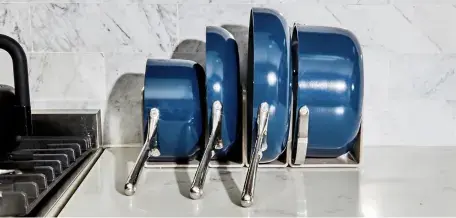
Store bakeware in a dry, cool place. Keep pieces separate to avoid scratches and dents.
Stack similar items carefully. Use cloth or paper between pieces if needed to protect surfaces.
- Keep lids off or loose to prevent moisture build-up
- Avoid stacking heavy items on top
- Store in a cupboard or drawer with good airflow
Extending Bakeware Lifespan
Using bakeware properly helps it last longer. Avoid sudden temperature changes that can cause cracks.
Follow manufacturer instructions for use and care. Regular maintenance keeps your bakeware safe and effective.
- Preheat ovens before placing bakeware inside
- Do not use metal utensils that can scratch
- Check for damage before each use
- Fix small chips or cracks promptly
Baking Techniques For Green Cookware
Eco-friendly bakeware helps you reduce waste and use safer materials. These baking tools work differently from traditional ones.
Learning the right techniques keeps your green cookware in good shape. It also helps you bake tasty treats every time.
Adjusting Temperature Settings
Green bakeware often needs lower heat than regular pans. High temperatures can damage the material or cause food to burn.
Lowering the oven temperature by 25 degrees Fahrenheit helps protect your cookware and keeps food from overcooking.
- Reduce oven heat by 25°F compared to usual recipes
- Check food early to avoid burning
- Use an oven thermometer to confirm temperature
Avoiding Non-stick Coating Damage
Many eco-friendly bakeware pieces have natural non-stick coatings. Sharp tools or metal utensils can scratch these surfaces.
Use soft silicone, wood, or plastic tools to protect the coating. Avoid harsh scrubbing when cleaning your bakeware.
- Use silicone, wooden, or plastic utensils only
- Hand wash gently with mild soap
- Do not use steel wool or abrasive pads
Using Reusable Liners And Mats
Reusable liners and silicone mats reduce the need for disposable parchment paper. They help keep your bakeware clean and last longer.
Place these mats inside your bakeware before adding batter or dough. Clean them with warm water and mild soap after use.
- Use silicone baking mats to prevent sticking
- Try reusable parchment paper liners
- Wash liners gently to keep them flexible
Reducing Waste In Baking
Baking can create a lot of waste. Using eco-friendly bakeware helps reduce this waste. It supports a cleaner kitchen and planet.
Choosing the right tools and habits lowers trash and saves resources. Small changes make baking more eco-friendly.
Minimizing Single-use Items
Single-use bakeware adds to landfill waste. Avoid using disposable pans, foil, or parchment paper when possible.
Opt for reusable items like silicone mats or metal pans. They last longer and cut down trash.
- Use silicone baking mats instead of parchment paper
- Choose metal or glass pans over disposable ones
- Wash and reuse utensils and tools
- Buy ingredients in bulk to reduce packaging waste
Composting Baking Scraps
Food scraps like fruit peels or stale bread can be composted. This reduces kitchen waste and creates rich soil.
Keep a small compost bin in the kitchen. Add non-greasy scraps from baking to it.
- Save vegetable peels and fruit rinds
- Avoid composting meat or dairy scraps
- Empty the compost bin regularly
- Use compost in your garden or plants
Recycling Old Bakeware
Old bakeware should not be thrown in the trash. Many materials like metal and glass can be recycled.
Check local recycling rules for bakeware. Clean items before recycling to avoid contamination.
- Metal pans often go in scrap metal recycling
- Glass bakeware can be recycled with glass containers
- Plastic bakeware depends on local recycling programs
- Donate gently used bakeware to charity
Shopping Tips For Eco Bakeware
Choosing eco-friendly bakeware helps the planet and your health. It reduces waste and uses safer materials.
Buying the right products can be easy with some simple tips. Look for trusted signs and good brands.
Recognizing Certified Green Products
Certified green products meet strict environmental rules. They use safe materials and are made responsibly.
Look for labels from trusted groups. These labels show the product is truly eco-friendly.
- Check for certifications like USDA Organic or Green Seal
- Look for symbols from energy-saving or recycling programs
- Read product details for non-toxic and natural materials
Budget-friendly Eco Options
Eco bakeware can fit many budgets. Some green options cost less and still work well.
Choose bakeware that lasts long and uses less energy. This saves money over time.
- Look for secondhand or recycled bakeware
- Buy basic shapes and sizes to avoid extra costs
- Consider durable materials like silicone or cast iron
Supporting Ethical Brands
Brands that care for people and the planet make better products. They treat workers fairly and reduce waste.
Choose brands with clear values and good reviews. They often share how they protect the environment.
- Check if the brand uses recycled or renewable materials
- See if they support fair trade or local workers
- Look for transparency about their production process
Credit: www.lemon8-app.com
Frequently Asked Questions
What Are The Best Materials For Eco-friendly Bakeware?
Eco-friendly bakeware is often made from silicone, bamboo, or recycled metals. These materials are durable, non-toxic, and sustainable. They minimize environmental impact by reducing waste and avoiding harmful chemicals. Choosing such bakeware supports green living and promotes safer cooking practices.
How Do I Clean Eco-friendly Bakeware Properly?
Use mild soap and warm water to clean eco-friendly bakeware. Avoid abrasive sponges that can damage surfaces. For stubborn stains, soak the bakeware before washing. Proper cleaning maintains durability and prevents chemical leaching, ensuring your bakeware stays safe and eco-conscious.
Can Eco-friendly Bakeware Withstand High Baking Temperatures?
Yes, most eco-friendly bakeware like silicone and metal can handle high oven temperatures. Always check manufacturer guidelines for maximum heat tolerance. Proper use prevents warping or damage, ensuring your bakeware lasts longer and remains safe for baking.
Is Eco-friendly Bakeware Safe For Non-stick Cooking?
Many eco-friendly bakeware options feature natural non-stick properties, like silicone or ceramic coatings. They avoid harmful chemicals found in traditional non-stick pans. This makes them safer for health and the environment while providing effective non-stick performance.
Conclusion
Choosing eco-friendly bakeware helps protect the planet. It also keeps your kitchen safer and cleaner. These tips make using green bakeware easy and fun. Small changes add up to big benefits over time. Your baking can be kinder to nature and still tasty.
Try these ideas to enjoy baking and help the Earth. Every step counts in making a difference today.