
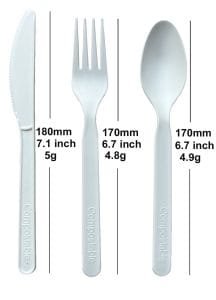
Are you ready to make a real difference with your eco-friendly choices? Using compostable utensils is a great step toward reducing waste, but are you getting the most out of them?
Imagine cutting down on trash while still enjoying convenience and style at your meals. You’ll discover simple, practical tips that help you use compostable utensils efficiently—saving you money, protecting the planet, and making every bite better. Keep reading to unlock easy habits that transform your everyday dining into a powerful green action.
Choosing The Right Compostable Utensils
Compostable utensils are a great choice for reducing waste. They break down naturally and are eco-friendly. Choosing the right ones can make a big difference.
Knowing what to look for ensures you pick utensils that are truly sustainable. Here are some tips to help you choose wisely.
Materials To Look For
Compostable utensils can be made from different materials. Some common ones are cornstarch, bamboo, and sugarcane. Each has its own benefits.
Cornstarch utensils are sturdy and heat resistant. Bamboo is renewable and strong. Sugarcane is a byproduct of the sugar industry and is biodegradable.
- Cornstarch: Sturdy, heat-resistant
- Bamboo: Renewable, strong
- Sugarcane: Biodegradable, eco-friendly
Certifications And Labels
Look for certifications to ensure the utensils are truly compostable. Certifications show that products meet certain environmental standards.
Common labels include ASTM D6400 and BPI certification. These labels guarantee the products will break down in composting facilities.
| ASTM D6400 | Ensures compostability in industrial facilities |
| BPI Certified | Verified by Biodegradable Products Institute |
Durability And Strength
Durability is important when choosing compostable utensils. They need to handle hot and cold foods without breaking.
Check the strength by reading reviews or testing them yourself. Good utensils should not bend easily when used with firm foods.
- Test with hot and cold foods
- Read customer reviews
- Ensure they do not bend easily
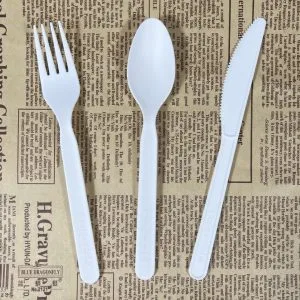
Credit: www.bioleaderpack.com
Proper Usage Techniques
Compostable utensils are eco-friendly alternatives to plastic cutlery. Using them properly helps reduce waste and keeps your food safe.
Understanding the right ways to use these utensils improves their strength and performance during meals.
Suitable Food Types
Compostable utensils work best with certain foods. Softer and less greasy foods are easier to eat with them.
- Salads and fresh vegetables
- Rice and pasta dishes
- Soft fruits like melons and berries
- Lightly cooked or steamed foods
- Non-greasy snacks and desserts
Avoid using compostable utensils with very hard or tough foods that need strong cutting force.
Handling Tips To Avoid Breakage
Handle compostable utensils gently to prevent cracking or breaking. They are not as strong as metal cutlery.
- Do not apply too much pressure when cutting
- Use a sawing motion for tougher foods
- Hold the utensil firmly but not tightly
- Avoid twisting or bending the utensil
- Keep utensils dry before use for better strength
Proper handling increases the utensils’ durability during meals.
Temperature Considerations
Temperature affects compostable utensils’ strength and shape. Very hot or cold foods may cause changes.
- Use compostable utensils with warm or room temperature foods
- Avoid stirring or cutting extremely hot foods
- Do not use with boiling liquids or soups
- Cold foods do not usually affect utensil strength
- Store utensils in a cool, dry place before use
Following temperature guidelines keeps utensils intact and safe during meals.
Storage And Maintenance
Compostable utensils need proper care to last longer. Good storage and maintenance keep them clean and useful.
Learn simple tips to store and maintain these utensils well. This helps reduce waste and keeps them ready for use.
Keeping Utensils Dry
Moisture can damage compostable utensils quickly. Keep them in dry places to avoid softening or breaking.
Use airtight containers or sealed bags to protect utensils from humidity and spills.
- Store utensils in a cool, dry cupboard
- Use containers with lids to block moisture
- Avoid storing near sinks or wet areas
Avoiding Contamination
Keep compostable utensils clean and free from dirt or food waste. Contamination can make them unusable.
Separate clean utensils from used or dirty ones. This prevents germs from spreading and spoiling the utensils.
- Do not mix clean and used utensils in storage
- Wash utensils before storing if reusable
- Store away from chemicals or strong odors
Storing For Longevity
Proper storage extends the life of compostable utensils. Keep them in ideal conditions to avoid damage.
Choose places that are cool, dry, and dark. Avoid heat or sunlight, which can weaken the materials.
- Use sealed boxes or containers
- Store away from direct sunlight
- Keep at room temperature, not too hot or cold
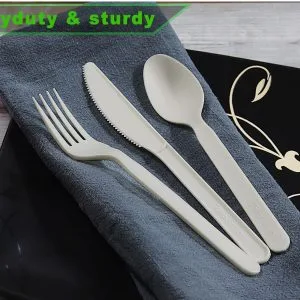
Credit: www.bioleaderpack.com
Disposal And Composting
Compostable utensils are a better choice for the environment than plastic ones. They break down naturally when disposed of the right way.
Knowing how to dispose of and compost these utensils helps reduce waste and supports healthy soil.
How To Compost Correctly
To compost utensils correctly, first check if they are certified compostable. Not all compostable items break down in home compost bins.
Put the utensils in a compost bin with food scraps, leaves, and other organic waste. Keep the compost moist and turn it regularly.
- Use a hot compost bin for faster breakdown
- Break utensils into smaller pieces if possible
- Avoid composting if utensils contain plastic or metal parts
Common Composting Mistakes
One mistake is putting compostable utensils in the trash. This stops them from breaking down and adds to landfill waste.
Another error is mixing compostable utensils with non-compostable plastic. This contaminates the compost and can ruin the batch.
- Do not compost utensils made of mixed materials
- Avoid composting in cold or dry conditions
- Do not throw utensils in recycling bins
Local Composting Facilities
Many communities have composting facilities that accept compostable utensils. These places handle waste in ways home bins cannot.
Check your local waste management website or call your city office to find nearby composting centers. They often provide guidelines for what they accept.
- Drop off compostable utensils at approved facilities
- Follow facility rules for sorting and packaging
- Use community compost programs if available
Environmental Benefits
Using compostable utensils helps protect the environment. These utensils break down naturally and reduce pollution.
Choosing compostable options supports cleaner air, soil, and water. It is important to use them efficiently.
Reducing Plastic Waste
Compostable utensils replace single-use plastic ones. Plastic waste harms animals and pollutes oceans.
Using compostable utensils lowers the amount of plastic trash in landfills and nature.
- Compostable utensils break down faster than plastic
- They stop plastic pieces from entering water systems
- Less plastic waste means fewer animals get harmed
Lowering Carbon Footprint
Making compostable utensils uses less energy than making plastic ones. This reduces greenhouse gases.
When compostable utensils decompose, they add nutrients back to the soil without releasing harmful gases.
- Less energy is needed to produce compostable items
- They reduce carbon emissions during production
- Decomposition returns nutrients, helping plants grow
Supporting Sustainable Practices
Using compostable utensils promotes eco-friendly farming and production methods. This helps protect nature.
Choosing these utensils encourages businesses to use renewable resources and reduce waste.
- Supports farms that grow sustainable materials
- Encourages companies to minimize waste
- Helps build a market for eco-friendly products
Cost-effective Tips
Compostable utensils are good for the environment but can cost more than regular ones. Using them smartly helps save money and reduce waste.
Here are some simple tips to use compostable utensils more efficiently and keep costs low.
Buying In Bulk
Buying compostable utensils in large amounts lowers the price per unit. Bulk buying also means fewer orders and less shipping cost.
Look for suppliers who offer discounts on big orders. Store utensils in a dry, cool place to keep them fresh longer.
- Compare prices from different sellers
- Check for bulk discounts or deals
- Store utensils properly to avoid damage
- Plan how many utensils you need before buying
Reusable Alternatives
Some compostable utensils can be reused if cleaned carefully. Using reusable utensils reduces how many you need to buy.
Choose utensils made from durable compostable materials that can last through a few uses without breaking.
- Rinse utensils after use to keep them clean
- Use gentle cleaning methods to avoid damage
- Set up a system to collect and wash used utensils
- Keep reusable utensils separate from single-use ones
Maximizing Utensil Lifespan
Handle compostable utensils with care to make them last longer. Avoid bending or breaking them before use.
Store utensils in a place safe from moisture and heat. This helps keep their strength and usability.
- Keep utensils in their original packaging until use
- Store in a dry, cool area away from sunlight
- Use utensils only for their intended purpose
- Train staff or users on proper handling
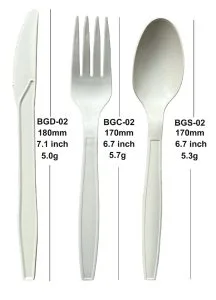
Credit: www.bioleaderpack.com
Frequently Asked Questions
What Are The Benefits Of Using Compostable Utensils?
Compostable utensils reduce plastic waste and decompose naturally. They support environmental sustainability and lower landfill impact. Using them helps conserve resources and promotes eco-friendly habits.
How Do I Dispose Of Compostable Utensils Properly?
Dispose of compostable utensils in organic waste or commercial compost bins. Avoid placing them in regular trash or recycling. Proper disposal ensures they break down efficiently without harming the environment.
Can Compostable Utensils Handle Hot Or Cold Foods?
Yes, most compostable utensils are designed to withstand hot and cold foods. However, check product specifications for temperature limits. This ensures utensils maintain integrity without melting or breaking during use.
Are Compostable Utensils Safe For Food Contact?
Compostable utensils are food-safe and meet health standards. They are made from natural materials without harmful chemicals. This makes them a safe choice for eating and serving food.
Conclusion
Using compostable utensils helps protect our planet. Choose the right type for your needs. Store them properly to keep them clean and dry. Dispose of them in compost bins when possible. Small actions make a big difference over time. Everyone can play a part in reducing waste.
Keep these tips in mind for better use. Let’s make eco-friendly choices easy and effective. Together, we build a greener future step by step.