
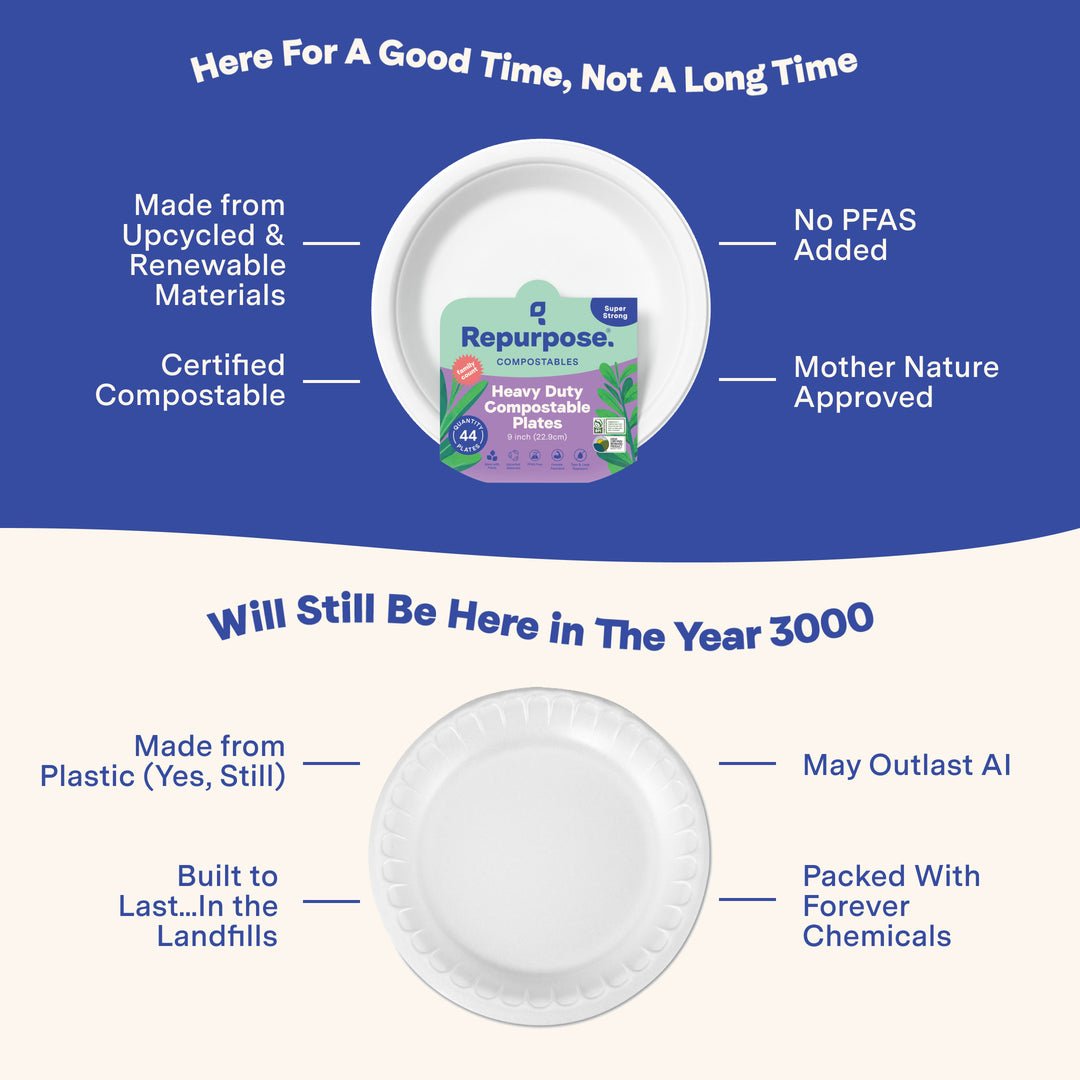
Are you ready to make a simple change that can have a big impact on the environment? Switching to compostable plates and cups is a smart choice, but using them the right way can make all the difference.
You might wonder how to get the most out of these eco-friendly options without any hassle. You’ll discover easy tips that help you use compostable plates and cups effectively, save money, and reduce waste. Keep reading, and you’ll find out how small actions can lead to a greener lifestyle—starting with what’s on your table.

Credit: naturezway.com
Choosing The Right Compostable Plates And Cups
Compostable plates and cups are better for the environment. They break down naturally and reduce waste. Choosing the right ones can be tricky, but it’s important for eco-friendly living.
Understanding materials and certifications helps you make informed choices. Avoid common mistakes to ensure the best experience. Let’s explore these aspects in detail.
Materials To Look For
Compostable plates and cups are made from plant-based materials. These materials break down easily and do not harm the planet. Look for products made from sugarcane, corn, or bamboo.
Avoid plastic-based options, even if labeled biodegradable. They take longer to decompose and are less eco-friendly.
- Sugarcane is strong and heat-resistant
- Corn products are lightweight and sturdy
- Bamboo is renewable and durable
Certifications And Labels
Certifications help you trust the compostability of a product. Look for labels from recognized organizations. These labels ensure the product meets strict environmental standards.
Common certifications include BPI, OK compost, and USDA bio-based. These certifications guarantee the product will break down properly in composting facilities.
- BPI Certified means the product is compostable in commercial facilities
- OK compost is suitable for home composting
- USDA bio-based indicates a high percentage of plant materials
Avoiding Common Pitfalls
Choosing compostable products can be confusing. Avoid common mistakes to ensure effectiveness. Do not mix compostable items with regular trash.
Make sure your compostable products are disposed of correctly. Check if local facilities accept them. Some compostables may not break down in home compost bins.
- Do not mix with non-compostable waste
- Check local composting rules
- Ensure proper disposal at composting sites
Proper Usage For Best Results
Compostable plates and cups are great for the environment. Using them correctly helps keep food safe and prevents waste.
Follow simple tips to get the best from these eco-friendly items. Proper use ensures they work well and break down naturally.
Handling Hot And Cold Foods
Compostable plates and cups can hold hot or cold foods. But extreme heat may soften or warp some materials.
Use plates and cups designed for the right temperature. Check product labels to avoid damage or leaks.
- Use thicker plates for hot foods like soup or pasta
- Choose insulated cups for hot drinks to avoid burns
- Cold foods work well with most compostable plates and cups
- Avoid microwaving unless the product says it is safe
Avoiding Overloading
Do not put too much food on compostable plates. Overloading can cause bending or breaking.
Keep food portions moderate to keep the plates sturdy and easy to handle.
- Use smaller portions for heavy foods like meat or stew
- Stack plates carefully to avoid crushing
- Hold cups firmly, especially when full
Pairing With Suitable Utensils
Use compostable or biodegradable utensils with compostable plates and cups. This helps keep waste eco-friendly.
Plastic utensils can damage or pierce thin plates. Choose sturdy utensils made for compostable tableware.
- Pick utensils made from cornstarch or bamboo
- Avoid heavy metal cutlery that may crack plates
- Test utensils gently to ensure they work well
Composting Tips And Tricks
Using compostable plates and cups is good for the environment. Composting them properly helps reduce waste.
Learn simple ways to set up composting at home. Follow easy tips to make compost fast and right.
Setting Up A Home Compost Bin
Choose a dry, shady spot for your compost bin. It should be easy to reach and well-drained.
Use a bin with good air flow to help break down materials. Turn the compost often to add oxygen.
- Place the bin on soil or grass for worms to enter
- Add a mix of green and brown waste
- Keep the compost moist but not too wet
- Turn the pile every 1-2 weeks
What Can And Cannot Be Composted
Compostable plates and cups made from plant fibers break down well. Add them with food scraps and yard waste.
Avoid composting plastic, metal, and wax-coated items. These do not break down and can harm compost quality.
- Can be composted:paper plates, plant-based cups, vegetable scraps, leaves, grass clippings
- Cannot be composted:plastic plates, foam cups, oily food waste, meat, dairy products
Speeding Up The Composting Process
Chop compostable plates and cups into small pieces. Smaller bits break down faster.
Add compost activators like garden soil or finished compost. These add helpful microbes to your pile.
- Keep compost moist, like a damp sponge
- Turn the pile often to mix air inside
- Balance green and brown materials for best results
- Use a compost thermometer to check heat levels

Credit: naturezway.com
Storing And Transporting Compostables
Compostable plates and cups need careful handling. Proper storage and transport keep them fresh and intact.
Following simple tips helps avoid damage and maintains their quality until use.
Keeping Plates And Cups Fresh
Store compostable plates and cups in a cool, dry place. Avoid moisture to prevent warping or softening.
Keep them away from direct sunlight and heat sources. This stops the material from breaking down early.
- Use sealed containers or boxes to keep dust out
- Stack plates and cups flat to maintain shape
- Store in temperatures below 75°F (24°C)
- Avoid humid areas like near sinks or outdoors
Preventing Damage During Transport
Handle compostable items gently during transport. Avoid heavy weight on top of them to prevent bending.
Use sturdy boxes and add padding like paper or cloth to protect plates and cups from impact.
- Place heavier items at the bottom of the transport box
- Do not overload boxes to reduce pressure
- Keep boxes upright to avoid spills or deformation
- Label boxes clearly to alert handlers of fragile content
Eco-friendly Alternatives And Enhancements
Compostable plates and cups offer a cleaner choice than plastic. They help reduce waste and protect the environment.
Using these items wisely can make a bigger positive impact. Learn tips to improve their eco-friendly use.
Reusable Options To Consider
Reusable plates and cups cut down waste more than single-use items. They save resources and last longer.
Look for sturdy materials like glass, metal, or BPA-free plastic. These can be cleaned and used many times.
- Glass cups are easy to wash and do not hold odors.
- Metal plates are durable and good for outdoor use.
- BPA-free plastic is lightweight and safer than traditional plastic.
- Silicone cups fold for storage and are reusable.
Combining Compostables With Recycling
Compostable items break down in special conditions, unlike regular trash. Mixing them with recycling needs care.
Separate compostable plates and cups from plastics and metals. This helps proper recycling and composting.
- Place compostable items in green waste bins if available.
- Recycle plastics and metals in separate bins.
- Check local rules for composting and recycling programs.
- Clean items before recycling or composting to avoid contamination.
Creative Upcycling Ideas
Used compostable plates and cups can have a second life. Upcycling turns waste into useful items.
Try simple crafts that reduce trash and add value to your home or garden.
- Cut plates into plant markers for your garden.
- Use cups as seed starters for seedlings.
- Decorate plates to create unique wall art.
- Turn cups into small storage containers for office supplies.

Credit: cen.acs.org
Frequently Asked Questions
What Are The Benefits Of Using Compostable Plates And Cups?
Compostable plates and cups reduce landfill waste and lower carbon footprint. They break down naturally, enriching soil without harmful chemicals. Using them supports sustainable practices and helps minimize plastic pollution.
How To Properly Dispose Of Compostable Plates And Cups?
Dispose of compostable plates and cups in industrial composting bins or home compost piles. Avoid placing them in regular trash or recycling bins, as they require specific conditions to break down efficiently.
Are Compostable Plates And Cups Safe For Hot And Cold Foods?
Yes, compostable plates and cups are designed to handle both hot and cold foods. They resist heat and moisture without leaking or breaking down prematurely, making them ideal for various dining needs.
Can Compostable Plates And Cups Be Used For Outdoor Events?
Absolutely, compostable plates and cups are perfect for outdoor events. They are lightweight, durable, and eco-friendly, helping reduce waste while maintaining convenience and functionality.
Conclusion
Using compostable plates and cups helps reduce waste and protect nature. Choose items made from real compostable materials only. Avoid mixing them with regular trash to keep compost clean. Always check local composting rules before disposal. Small actions like these make a big difference.
Everyone can help create a cleaner planet. Try these tips and see how easy it is. Sustainable choices matter for today and tomorrow. Keep it simple. Keep it green.