
Are you looking for simple ways to reduce waste while serving food? Using compostable food trays might be the answer you’ve been searching for.
These trays are not just good for the environment—they can also make your food look appealing and fresh. But to get the most out of them, you need to know how to use them correctly. You’ll discover easy tips that help you handle, store, and dispose of compostable trays the right way.
Keep reading to make your meals greener and more enjoyable!
Choosing The Right Compostable Trays
Compostable food trays are eco-friendly and reduce waste. Choosing the right ones is important for sustainability and functionality.
Consider materials, certifications, and tray sizes to make informed decisions.
Materials To Look For
Compostable trays are made from natural materials. These materials break down easily without harming the environment.
- Sugarcane bagasse is a popular choice.
- Cornstarch trays are biodegradable.
- Bamboo trays are sturdy and compostable.
Certifications And Labels
Look for certifications to ensure trays are truly compostable. Certifications help you trust the product’s environmental claims.
- USDA Certified Biobased Product
- Compostable logo by BPI
- EN 13432 European Standard
Tray Sizes And Shapes
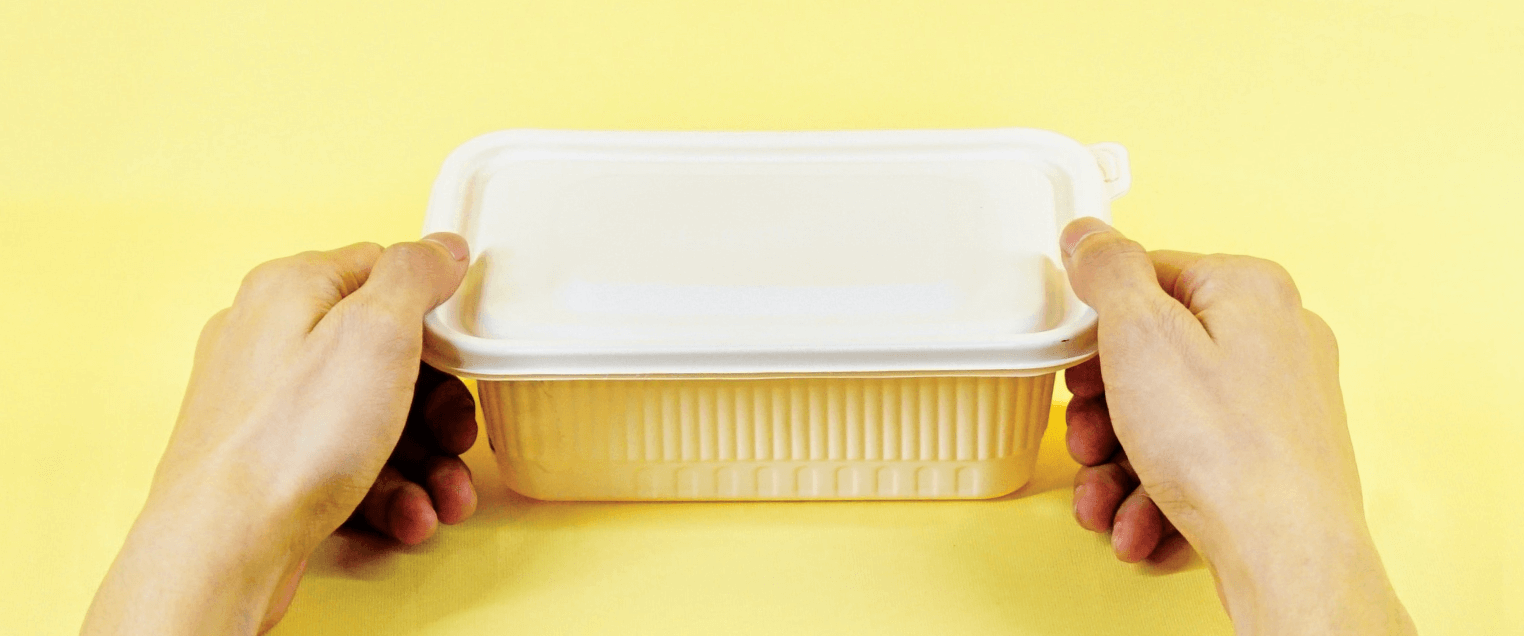
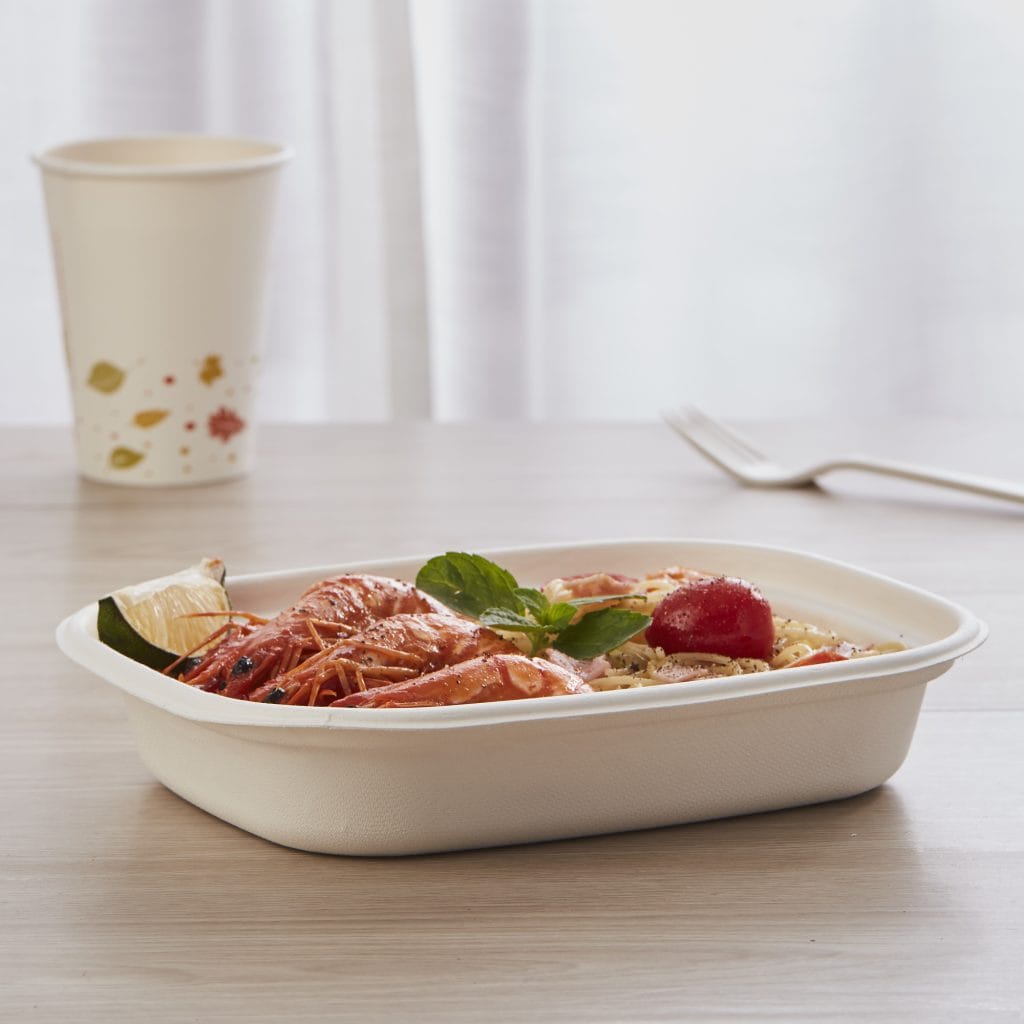
Tray size and shape affect usability. Choose trays that fit your food portions and presentation needs.
Consider different shapes like round, square, or rectangular for various foods.
- Small trays for snacks and side dishes
- Medium trays for main courses
- Large trays for sharing platters

Credit: berkeleyca.gov
Proper Usage Practices
Compostable food trays are eco-friendly and easy to use. To get the best results, follow some simple rules.
Using trays properly helps keep food safe and prevents waste. It also keeps the trays strong and reliable.
Avoiding Contamination
Keep compostable trays clean before use. Do not reuse trays that had raw meat or fish. This stops bacteria from spreading.
Use separate trays for different food types. Avoid mixing raw and cooked foods on the same tray. This keeps food safe to eat.
- Wash hands before handling trays
- Use gloves if needed
- Keep trays in clean, dry places
- Dispose of trays after one use
Handling Hot And Cold Foods
Compostable trays can hold hot and cold foods but have limits. Avoid placing trays in ovens or microwaves unless marked safe.
For hot foods, let the food cool slightly before placing it on the tray. For cold foods, keep trays refrigerated to maintain freshness.
- Check tray labels for temperature limits
- Use insulation if food is very hot
- Keep cold foods chilled on trays
- Avoid sudden temperature changes
Maximizing Tray Durability
Handle trays gently to avoid cracks or breaks. Do not overload trays with heavy food items. This helps trays last longer.
Store trays flat in a dry place. Avoid moisture and pressure that can weaken trays. Proper storage keeps trays strong until use.
- Do not stack heavy items on trays
- Use trays only for intended food types
- Keep trays away from water before use
- Use trays soon after opening package
Composting At Home
Using compostable food trays is a smart way to reduce waste. Composting at home helps turn these trays into healthy soil.
You can create your own compost pile or bin. It’s easy and good for your garden and the environment.
Setting Up A Compost Bin
Choose a dry, shady spot for your compost bin. It should be easy to reach from your kitchen and garden.
Use a bin with good airflow. This helps materials break down faster and stops bad smells.
- Pick a size that fits your space and needs
- Use a bin with holes or slats for air
- Place the bin on soil or grass, not concrete
- Keep the bin covered to keep pests out
Balancing Green And Brown Materials
Compost needs a mix of green and brown materials. Green materials add nitrogen. Brown materials add carbon.
Compostable food trays are brown materials. Add kitchen scraps like vegetable peels as green materials.
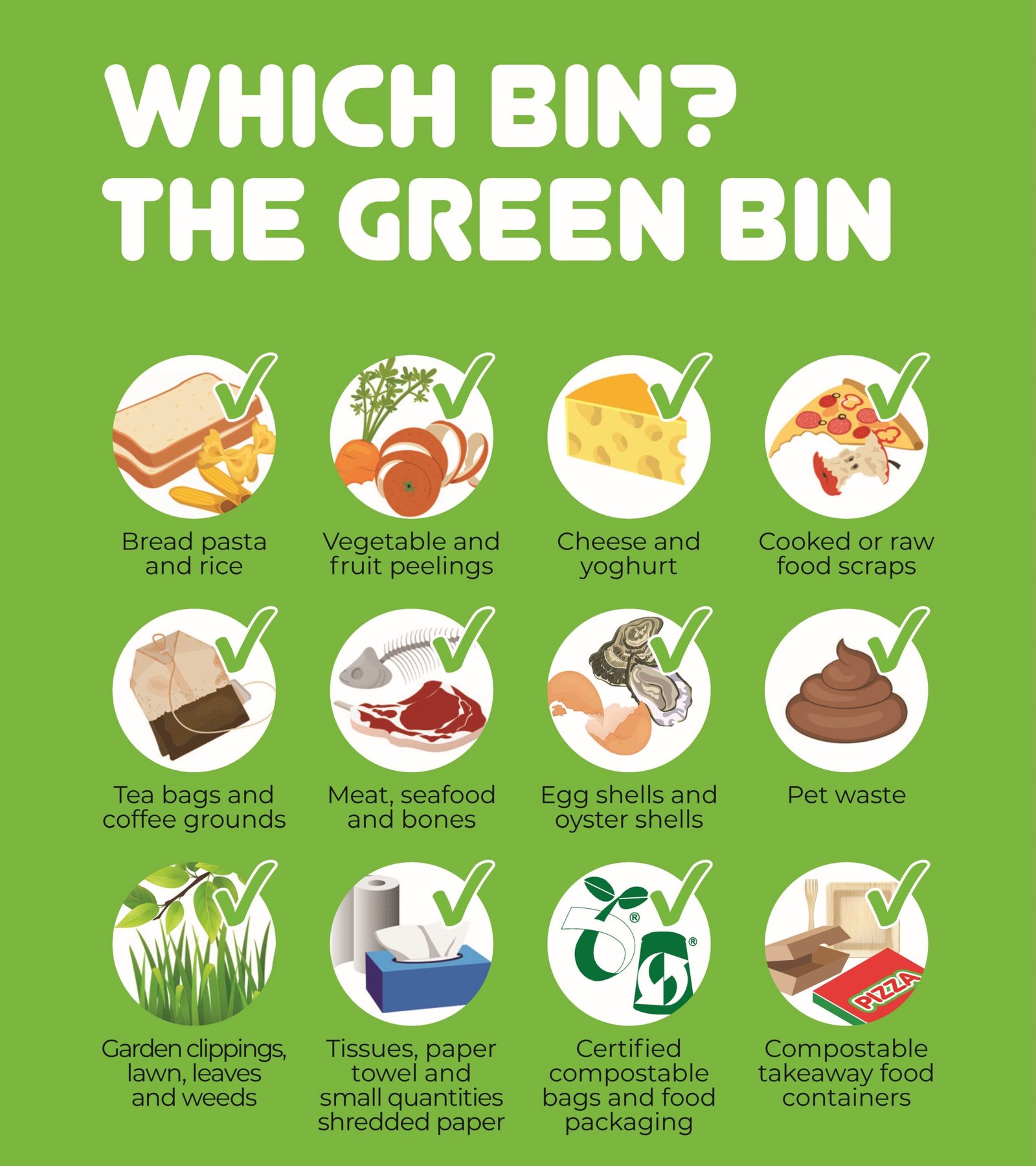
- Green: fruit scraps, coffee grounds, grass clippings
- Brown: dry leaves, paper, compostable trays, straw
- Keep a ratio of about 2 parts brown to 1 part green
- Mix materials well to speed composting
Troubleshooting Common Issues
If your compost smells bad, it may be too wet or lack air. Turn it often to add oxygen.
If compost is dry and slow, add water and more green materials. Keep it damp like a wrung-out sponge.
- Bad smell: Add brown materials and turn compost
- Slow breakdown: Add water and green materials
- Pests: Keep bin covered and avoid meat or dairy
- Trays not breaking down: Tear into pieces before adding
Credit: www.ellenmacarthurfoundation.org
Commercial Composting Options
Compostable food trays break down faster in commercial composting. These facilities handle large amounts of waste. They use special equipment and conditions.
Using commercial composting helps reduce landfill waste. It turns trays into useful compost for soil. Knowing how to use these options is important.
Finding Local Facilities
Look for commercial composting facilities near you. Many cities have programs for compostable materials. You can check online or ask local waste services.
Some facilities accept only certain materials. Make sure your compostable trays are allowed. This helps avoid contamination and ensures proper processing.
Preparation And Sorting Tips
Clean trays before composting. Remove food scraps or liquids. This keeps the compost free from pests and odors.
Sort trays from non-compostable waste. Use separate bins if possible. Clear sorting helps facilities process materials correctly.
- Rinse trays to remove food residue
- Do not mix plastic or metal with trays
- Follow local sorting guidelines
- Use labeled bins for compostable items
Benefits Of Industrial Composting
Industrial composting breaks down trays faster than home composting. High heat and controlled conditions speed the process. This makes compost safe and rich.
It reduces landfill waste and lowers greenhouse gas emissions. Compost from these facilities improves soil health. It supports plant growth and water retention.
- Faster breakdown of compostable trays
- Reduces landfill waste volume
- Produces nutrient-rich compost
- Helps reduce harmful gases
Environmental Benefits
Compostable food trays offer many benefits for the environment. They help reduce waste and protect natural resources.
Using these trays supports a cleaner planet by lowering pollution and conserving energy. Let’s explore how they help.
Reducing Plastic Waste
Plastic waste harms animals and pollutes land and water. Compostable trays break down naturally without leaving plastic behind.
This helps reduce the amount of plastic in landfills and oceans. It keeps the environment cleaner and safer for all living things.
- Break down quickly in composting conditions
- Do not release harmful chemicals
- Reduce plastic pollution in soil and water
Lowering Carbon Footprint
Making compostable trays uses less energy than making plastic trays. This means fewer greenhouse gases are released.
Using these trays helps slow climate change by lowering carbon emissions. It saves energy from fossil fuels too.
- Less energy needed for production
- Materials come from plants that absorb carbon
- Decompose without releasing extra greenhouse gases
Supporting Sustainable Practices
Compostable trays come from renewable resources like plants. These resources can grow back quickly with little harm.
Choosing these trays encourages farming and manufacturing that protect the environment. It promotes a cycle that renews itself.
- Use plant-based materials
- Encourage responsible farming
- Support industries focused on green products
Common Mistakes To Avoid
Using compostable food trays helps reduce waste and protect the environment. It is important to use them correctly. Some common mistakes can stop them from breaking down properly.
Knowing what to avoid will help compostable trays work as they should. This guide covers common errors and how to fix them.
Using Non-compostable Liners
Some people add plastic or foil liners inside compostable trays. These liners do not break down in compost. This makes the trays hard to recycle or compost.
Only use liners that are labeled compostable. Check the packaging to be sure. Avoid using regular plastic wrap or aluminum foil.
- Do not mix compostable trays with plastic liners
- Choose certified compostable liners if needed
- Use no liner if possible to avoid contamination
Overloading Trays
Putting too much food on trays can cause spills and leaks. Overloaded trays may break or lose shape. This can make composting difficult.
Keep the food portions moderate. This helps trays hold food well and stay intact. It also makes composting easier and cleaner.
- Do not stack too much food in one tray
- Use trays that fit the portion size
- Check trays before serving to avoid spills
Improper Disposal Methods
Throwing compostable trays into regular trash stops them from breaking down. Compostable trays need special compost bins or facilities. Dumping them in recycling bins can also cause problems.
Follow local rules for compostable waste. Use labeled compost bins or take them to compost centers. This helps trays break down and turn into useful soil.
- Do not put trays in regular garbage bins
- Check if your area accepts compostable trays
- Separate compostable waste from recycling
Credit: www.bioleaderpack.com
Frequently Asked Questions
What Are Compostable Food Trays Made Of?
Compostable food trays are made from natural materials like sugarcane, bamboo, or cornstarch. These materials break down quickly in compost settings, reducing waste and environmental impact.
How To Properly Dispose Of Compostable Food Trays?
Dispose of compostable trays in a commercial compost bin or home compost pile. Avoid placing them in regular recycling or landfill bins to ensure proper decomposition.
Can Compostable Trays Hold Hot Or Wet Food?
Yes, compostable trays can hold hot and wet food. They are designed to resist moisture and heat without leaking or breaking down prematurely.
Are Compostable Food Trays Environmentally Friendly?
Yes, they reduce plastic waste and break down naturally. Using them helps lower landfill waste and supports sustainable waste management.
Conclusion
Using compostable food trays helps protect our planet. They break down faster than plastic trays. Remember to dispose of them in the right compost bins. This keeps waste out of landfills and supports soil health. Choose trays made from natural materials for best results.
Small steps like this add up to big changes. Keep these tips in mind to make your use easier. Caring for the environment starts with simple actions. Every tray composted counts toward a cleaner world.