
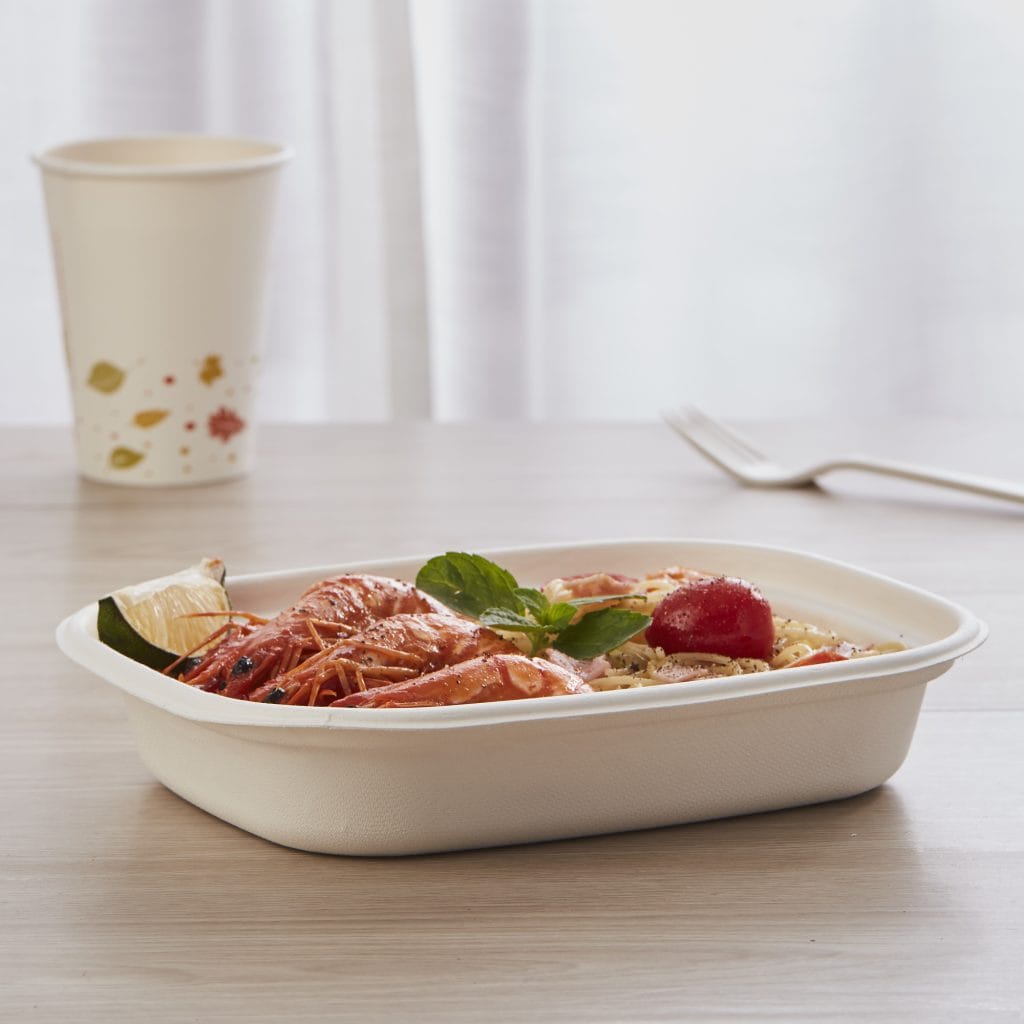
Are you looking for simple ways to make your meals more eco-friendly? Using compostable food trays is a smart choice that helps reduce waste and protect the planet.
But to get the best results, you need to know how to use them correctly. You’ll discover easy tips that make your compostable trays work perfectly—keeping your food fresh and helping the environment at the same time. Keep reading to find out how small changes in the way you use these trays can make a big difference for you and the earth.
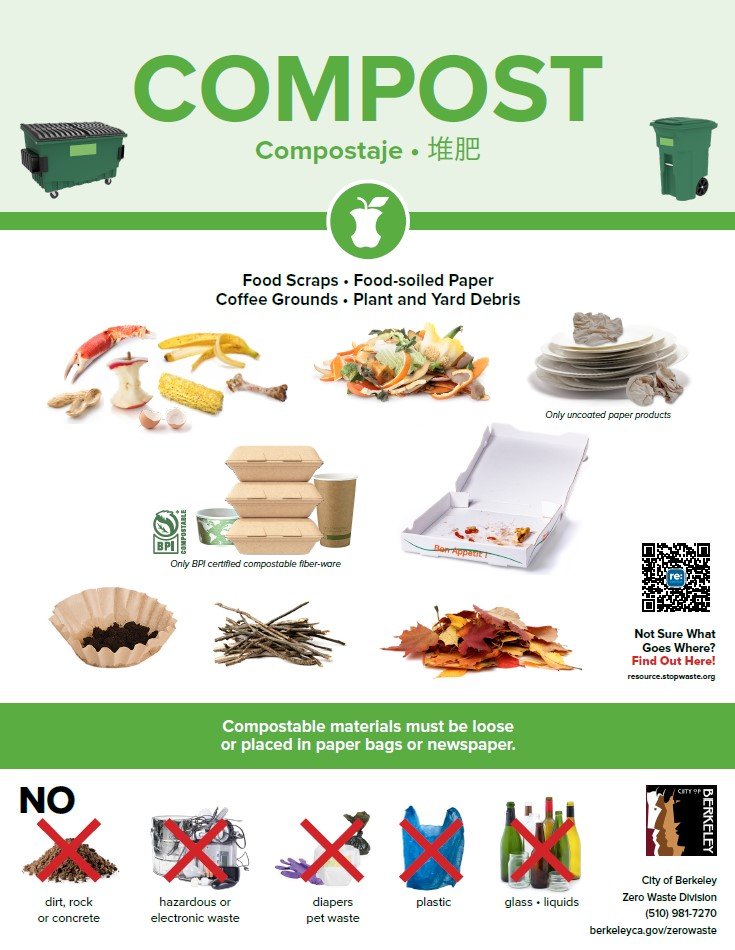
Credit: www.bioleaderpack.com
Choosing The Right Compostable Trays
Compostable food trays are eco-friendly and reduce waste. Choose the right tray to fit your needs and help the environment.
Consider materials and certifications when picking trays. This guide will help you understand what to look for.
Material Types And Benefits
Compostable trays are made from various materials. Each type has its own benefits and uses.
- Sugarcane: Strong and heat-resistant. Good for hot foods.
- PLA (Polylactic Acid): Made from corn. Best for cold items.
- Bamboo: Durable and biodegradable. Ideal for all-purpose use.
Certified Compostable Labels To Look For
Check for certifications to ensure trays are truly compostable. These labels help you make informed choices.
- ASTM D6400: Ensures the product is industrially compostable.
- BPI Certification: Verifies the product meets compostability standards.
- OK Compost: Indicates the product is suitable for home composting.
Preparing Trays For Use
Compostable food trays are great for serving food in an eco-friendly way. Before using them, you need to prepare the trays properly. This helps keep the food safe and the trays clean.
Preparing trays correctly also helps avoid problems like contamination and spills. Follow simple steps to get your trays ready for use.
Cleaning Before Use
Even though compostable trays often come clean, it is best to check them before use. Dust or particles may be on the trays from storage or shipping.
Wipe trays gently with a dry cloth or use a clean, damp cloth if needed. Avoid soaking the trays in water because they can become weak or lose shape.
Avoiding Contamination
Keep trays away from harmful substances before use. Contamination can come from dirty surfaces, hands, or other food items.
Store trays in a clean, dry place. Use gloves or wash hands before handling trays. Do not place trays on dirty surfaces or near chemicals.
- Store trays in a sealed container or cover
- Handle trays with clean hands or gloves
- Keep trays separate from raw meat or strong-smelling foods
- Use trays soon after preparation to avoid dust
Maximizing Tray Durability
Compostable food trays are a great choice for the environment. To get the best use, you need to keep them strong. Proper care helps trays last longer and stay useful.
Knowing how to store and handle trays will prevent damage. This guide shares tips to keep trays durable for your food needs.
Proper Storage Tips
Store trays in a cool, dry place away from direct sunlight. Heat and moisture can weaken the material and cause warping.
Keep trays stacked flat to avoid bending. Do not place heavy items on top of them to prevent crushing.
- Use sealed containers to keep trays clean and dry
- Avoid places with high humidity or heat
- Store trays away from chemicals or strong odors
- Keep trays away from sharp objects that can cause tears
Handling Hot And Moist Foods
Compostable trays can handle warm foods but very hot items may weaken them. Let hot foods cool slightly before placing them on trays.
For moist foods, use trays with a moisture-resistant coating. This prevents sogginess and keeps the tray sturdy during use.
- Allow hot food to cool for 2-3 minutes before serving
- Use trays designed for moisture to prevent leaks
- Do not overload trays with heavy, wet food
- Use liners or paper towels for extra moisture protection
Composting Tips For Food Trays
Compostable food trays are a great way to reduce waste. Using them properly helps the environment.
This guide gives simple tips for composting food trays at home or in commercial facilities.
Home Composting Vs Commercial Facilities
Compostable trays break down differently at home than in commercial places. Home compost piles are smaller. They stay cooler and take longer to decompose materials.
Commercial compost facilities use high heat and machines. This speeds up breaking down trays and other items.
- Home composting is slower and needs more care.
- Commercial facilities handle large amounts faster.
- Check if trays are accepted by your local compost service.
- Some trays need commercial composting to break down fully.
Breaking Down Trays For Faster Composting
Breaking trays into smaller pieces helps them compost faster. Small bits have more surface area for microbes to work on.
Cut or tear trays before adding to your compost pile. This speeds up decomposition and reduces the chance of large tray parts remaining.
- Cut trays into small pieces (1-2 inches).
- Mix pieces well with other compost materials.
- Keep compost moist and turn it regularly.
- Aeration helps microbes break down trays faster.
Common Mistakes To Avoid
Using compostable food trays helps reduce waste and protect the environment. You need to use them correctly to get the best results.
Avoiding common mistakes will keep the trays effective and ensure they break down properly after use.
Mixing Non-compostables
Putting plastic or metal items in compostable trays can ruin the composting process. These materials do not break down and can contaminate the compost.
Always check that only compostable items go into the tray. Avoid adding plastic wrap, cutlery, or stickers that are not compostable.
- Do not place plastic utensils in the tray
- Remove any non-compostable labels or stickers
- Avoid mixing food trays with regular plastic trays
- Use only approved compostable products together
Overloading Trays With Heavy Foods
Overfilling trays with heavy or wet foods can cause them to break or leak. This can make cleanup harder and damage the composting process.
Use the right size tray for your food. Keep the weight balanced and avoid stacking too much on one tray.
- Choose trays that match your food portion size
- Do not overload trays with heavy items like large fruits or meats
- Place wet foods on trays that are designed to handle moisture
- Handle trays gently to prevent breaking
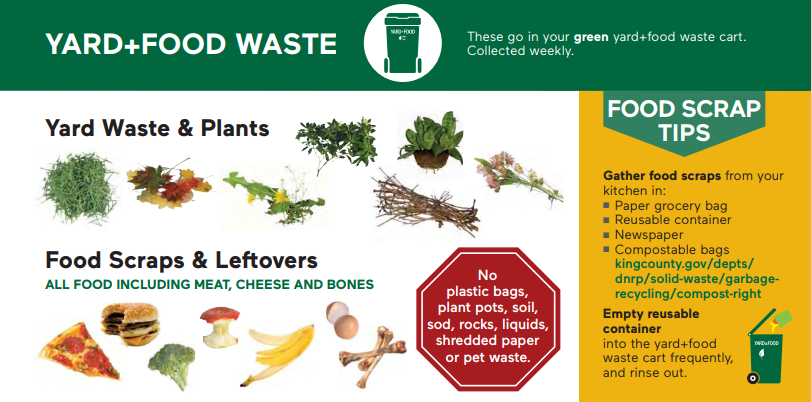
Credit: www.federalwaywa.gov
Creative Uses Beyond Food Serving
Compostable food trays are more than just containers for meals. They can be reused in smart ways around the home and garden.
These trays break down naturally, making them eco-friendly for many projects. Let’s explore how to use them creatively.
Gardening And Seed Starters
Compostable trays are perfect for starting seeds. Their shape holds soil and moisture well for young plants.
Once seedlings grow, you can plant the whole tray in the soil. It will compost and not harm the environment.
- Fill trays with potting soil
- Plant seeds in each compartment
- Keep trays moist and in sunlight
- Transfer seedlings with tray into the garden
- Let trays break down naturally in soil
Organizing Small Items
Use compostable trays to keep small things tidy. Their divided sections help sort different items easily.
This works well for craft supplies, office materials, or small hardware like screws and nails.
- Separate beads, buttons, or pins
- Sort paper clips, rubber bands, or staples
- Keep screws, nails, or bolts organized
- Use trays in drawers or on desks
- Dispose of trays after use without waste
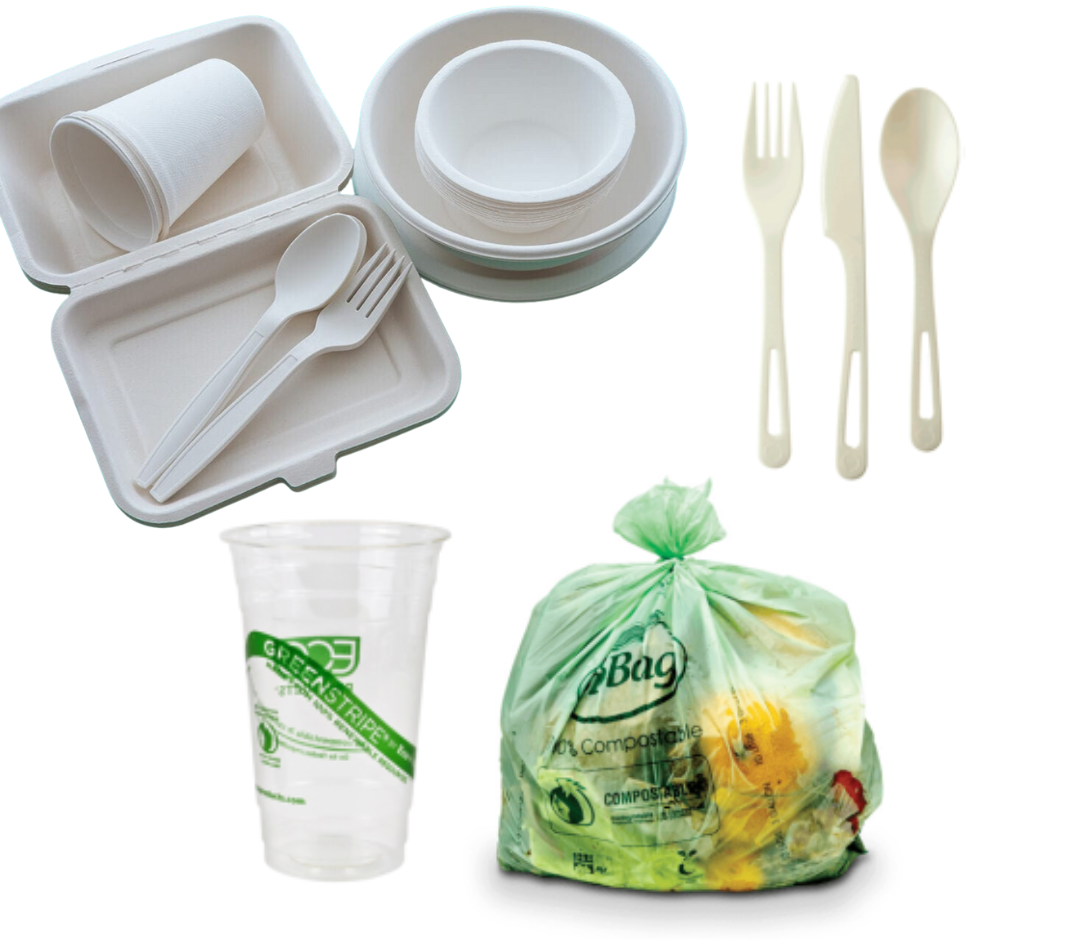
Credit: www.keeptruckeegreen.org
Frequently Asked Questions
What Are The Benefits Of Using Compostable Food Trays?
Compostable trays reduce landfill waste and lower carbon footprints. They break down naturally, enriching soil. These trays support sustainable practices and appeal to eco-conscious consumers. Using them helps businesses meet environmental regulations and boost brand reputation.
How To Properly Dispose Of Compostable Food Trays?
Dispose of compostable trays in designated organic waste bins. Avoid placing them in regular trash or recycling bins. Proper disposal ensures trays decompose efficiently in industrial composting facilities. Check local guidelines for composting options to maximize environmental benefits.
Can Compostable Trays Handle Hot Or Cold Foods?
Yes, compostable trays are designed for both hot and cold foods. They maintain structural integrity without leaking or bending. However, avoid microwaving unless trays are labeled microwave-safe. Always check product specifications for temperature limits to ensure safe use.
Are Compostable Food Trays Cost-effective For Businesses?
Compostable trays can be slightly more expensive upfront than plastic. However, they reduce waste disposal costs and improve brand image. Many customers prefer eco-friendly packaging, potentially increasing sales. Long-term savings and environmental benefits often outweigh initial expenses.
Conclusion
Using compostable food trays helps reduce waste and protect nature. Choose trays that break down quickly and safely. Keep trays clean and free from non-compostable items. Store them properly to keep their quality. Small changes in daily habits create a big difference.
Compostable trays support a healthier planet for everyone. Start using them wisely and see the benefits grow. Simple steps lead to a cleaner, greener future.