
Are you looking for simple ways to make your meals more eco-friendly? Using compostable food trays is a great step toward reducing waste and helping the planet.
But to get the best results, you need to know how to use them correctly. You’ll discover easy tips that save you money, keep your food fresh, and make composting a breeze. Keep reading to learn how small changes in your routine can have a big impact on the environment and your lifestyle.
Credit: www.littleaussie.com.au
Choosing The Right Compostable Trays
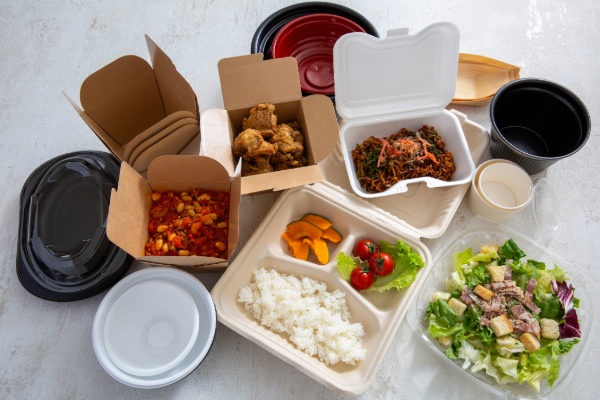
Compostable food trays are a great way to reduce waste. They break down naturally and help the environment. Choosing the right trays is important for their effectiveness.
Consider factors like materials, certifications, and sizes. This ensures you make the best choice for your needs.
Materials To Look For
Compostable trays are made from various materials. Look for plant-based options that decompose easily.
- Sugarcane fiber is strong and compostable.
- Cornstarch trays break down quickly.
- Bamboo is sustainable and durable.
Certifications And Labels
Check for certifications that ensure trays are truly compostable. These labels provide confidence in your purchase.
- Look for the BPI Certification label.
- EU certifications indicate compliance with standards.
- Home compostable labels mean they break down at home.
Tray Sizes And Uses
Choose tray sizes that fit your needs. Different sizes are suitable for different types of meals.
- Small trays are perfect for snacks.
- Medium trays work well for lunches.
- Large trays are ideal for family meals.

Credit: berkeleyca.gov
Preparing Food Trays For Composting
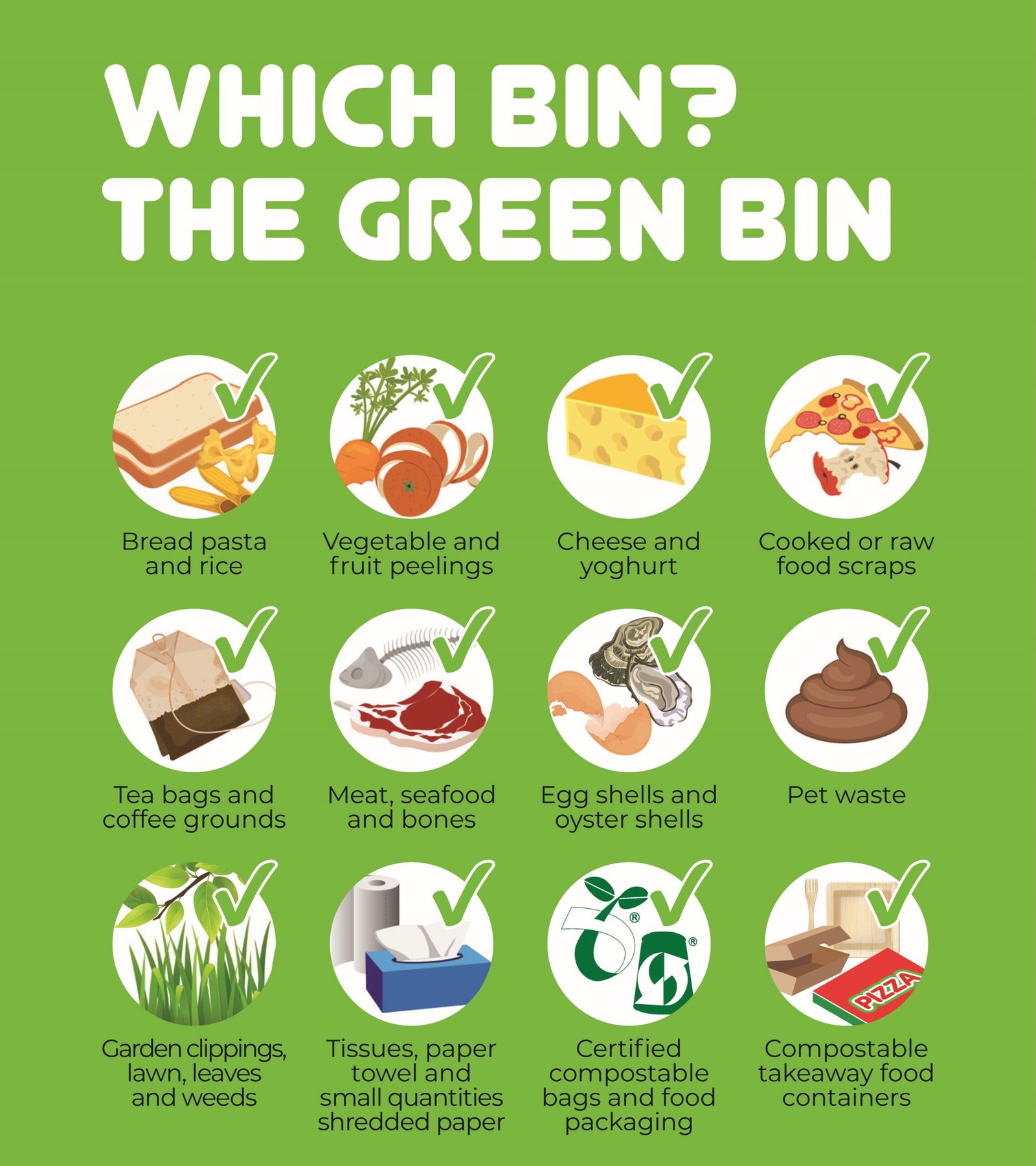
Compostable food trays help reduce waste and support the environment. Preparing them correctly makes composting easier and cleaner.
Taking simple steps before composting keeps the trays safe for the process. It also ensures the compost stays healthy and free from bad smells.
Cleaning And Scraping Residue
Remove leftover food from trays before composting. Scrape off sauces, oils, and crumbs with a spatula or paper towel.
Rinsing trays is okay if your compost system accepts wet materials. Dry trays break down faster in compost piles.
- Use a spatula to scrape food scraps
- Wipe trays with paper towels to remove oils
- Rinse trays only if allowed by your compost rules
- Let trays dry before placing in compost
Avoiding Non-compostable Contaminants
Check trays for stickers, tape, or plastic labels. These items do not break down and can harm the compost.
Do not add trays with food wrappers or non-compostable coatings. Keep only clean, compostable trays in your pile.
- Remove all stickers and labels
- Do not compost trays with plastic or foil parts
- Only add trays certified as compostable
- Separate non-compostable waste before composting
Maximizing Tray Durability
Compostable food trays are eco-friendly and practical. To get the best use, keep them strong and reliable.
Proper care helps trays hold food well and last longer during use.
Handling Tips For Strength
Handle trays gently to keep their shape. Avoid bending or crushing them before use.
Use both hands to carry trays with heavy food. This prevents breaking or leaks.
- Do not overload trays with too much weight
- Place trays on flat surfaces to avoid spills
- Keep trays dry before adding food
- Use napkins or liners for extra support
Storing Trays Before Use
Store trays in a cool, dry place to keep them strong. Avoid areas with high humidity or heat.
Keep trays stacked flat to prevent warping. Do not place heavy objects on top.
- Keep trays away from direct sunlight
- Store trays in original packaging if possible
- Check trays for damage before use
- Use trays within their recommended shelf life
Creative Reuse Ideas
Compostable food trays can be reused in many smart ways. They are sturdy and eco-friendly.
Using these trays creatively helps reduce waste. It gives the trays a new purpose before composting.
Gardening Applications
Compostable food trays work great for starting seeds. Their natural material breaks down in soil.
They also help organize small plants or herbs. Use trays to keep seedlings neat and safe.
- Fill trays with soil to start seeds indoors
- Label each section for different plants
- Use trays as drip catchers under pots
- Break trays into smaller pieces for compost
Organizing And Storage Hacks
Compostable trays help sort small items at home or work. They keep things tidy and easy to find.
Use trays to hold craft supplies, office items, or kitchen tools. Their compartments make sorting simple.
- Store beads, buttons, or sewing needles in trays
- Sort screws, nails, and small hardware parts
- Keep spices or tea bags separated in the kitchen
- Use trays inside drawers to reduce clutter
Proper Composting Techniques
Using compostable food trays helps reduce waste. To get the best results, you must follow proper composting techniques.
Composting breaks down trays into natural materials. This process needs the right conditions and care.
Home Composting Tips
Not all compostable trays break down well at home. You need to prepare your compost pile correctly.
Cut trays into small pieces to speed up breakdown. Mix them with green and brown materials for balance.
- Chop trays into small bits before adding
- Keep compost pile moist but not wet
- Turn the pile regularly for air flow
- Mix trays with food scraps and dry leaves
- Keep compost temperature warm for faster decay
Industrial Composting Requirements
Industrial composting uses high heat and special machines. This helps break down trays much faster and fully.
Compostable trays need certain conditions in industrial facilities to compost properly. These include temperature and time.
- Maintain temperatures between 131°F and 170°F (55°C to 77°C)
- Keep trays in the compost for at least 90 days
- Use machines to turn and mix compost regularly
- Ensure trays meet industrial composting standards
Common Mistakes To Avoid
Using compostable food trays helps reduce waste and protect the environment. But some mistakes can stop trays from breaking down properly.
Knowing what to avoid makes composting easier and more effective. Here are some common errors and how to fix them.
Mixing With Non-compostables
Putting non-compostable items with compostable trays can ruin the compost batch. Plastic, metal, or glass do not break down and cause contamination.
Always check items before adding them to the compost. Keep compost bins clean and free of trash that is not compostable.
- Do not mix plastic cutlery or wrappers with trays
- Remove stickers or labels from trays if possible
- Only add certified compostable trays and food scraps
- Educate users about what goes in the compost bin
Overloading Compost Bins
Filling compost bins too full or too fast can stop air flow. Good airflow is needed for compost to break down properly.
Turn compost piles regularly to add air. Avoid putting large amounts of trays at once. Spread out compostable waste over time.
- Do not fill bins above the recommended level
- Mix trays with other compost materials like leaves
- Turn or aerate compost every few days
- Keep moisture balanced, not too wet or dry
Benefits Of Compostable Trays
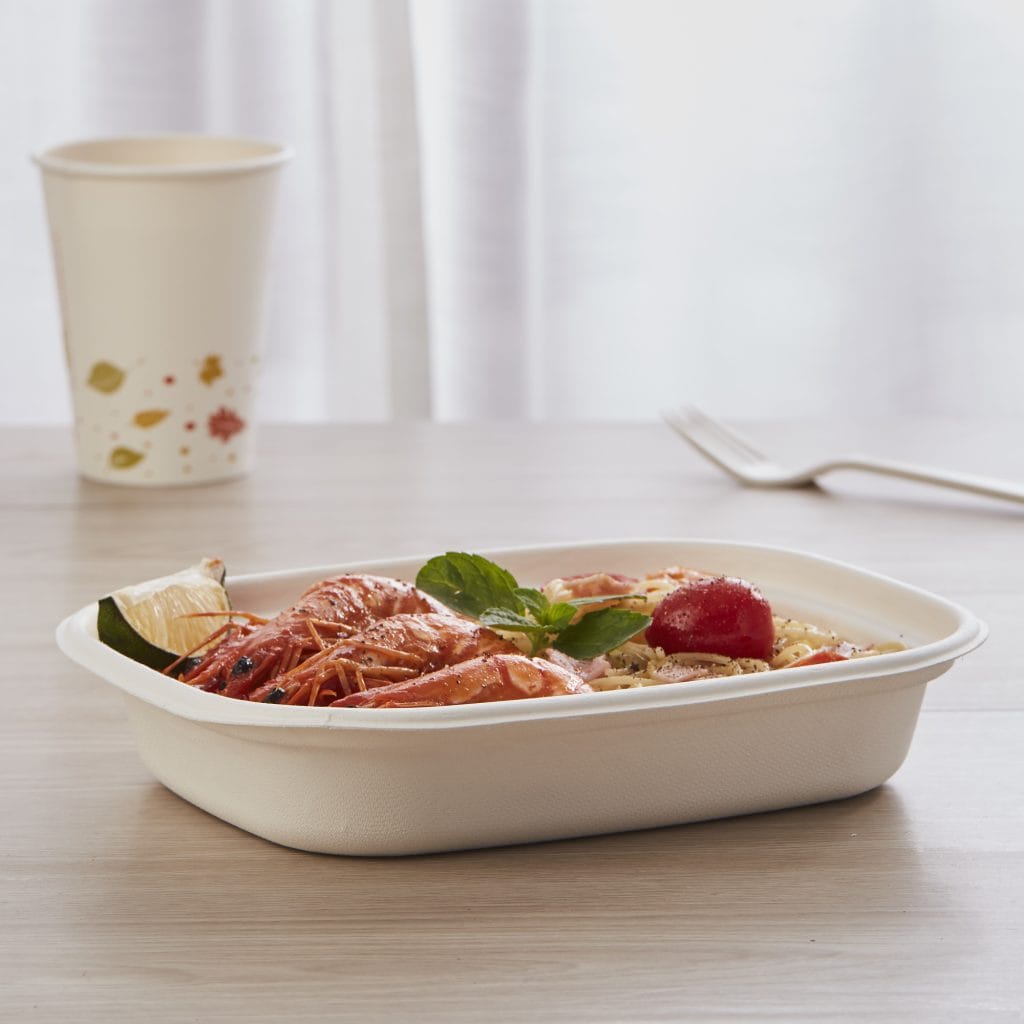
Compostable food trays are a smart choice for serving food. They break down naturally and reduce waste.
Using these trays helps protect the planet and supports a cleaner environment.
Environmental Impact
Compostable trays come from plants or other natural materials. They do not add harmful waste to landfills.
These trays break down quickly and return nutrients to the soil. This process helps grow new plants and trees.
- Reduce plastic pollution
- Lower greenhouse gas emissions
- Support healthy soil and ecosystems
Cost And Convenience
Compostable trays are often affordable and easy to use. They work well for many food types.
You can compost these trays with food scraps. This saves money on trash pickup and reduces landfill fees.
- Lightweight and strong for serving food
- Safe for hot and cold items
- Easy to dispose of in compost bins
Credit: www.bioleaderpack.com
Frequently Asked Questions
What Are The Benefits Of Compostable Food Trays?
Compostable food trays reduce landfill waste and lower carbon footprint. They break down naturally, enriching soil. Using them supports eco-friendly practices and promotes sustainability in food service.
How To Properly Dispose Of Compostable Food Trays?
Dispose of compostable trays in designated compost bins. Avoid placing them in regular trash or recycling. Proper disposal ensures trays decompose efficiently and contribute to environmental health.
Can Compostable Trays Handle Hot And Cold Foods?
Yes, compostable trays are designed to withstand both hot and cold foods. They maintain structural integrity without leaking or warping, making them versatile for various meal types.
Are Compostable Food Trays Safe For Food Contact?
Compostable trays are food-safe and meet health standards. They are free from harmful chemicals and suitable for direct food contact, ensuring consumer safety and hygiene.
Conclusion
Using compostable food trays helps protect the environment. They break down quickly and reduce waste. Choose trays made from natural materials for best results. Keep trays clean and dry before composting. Small actions like this make a big difference. Everyone can join in to reduce pollution.
Start using compostable trays today for a greener tomorrow. Simple steps lead to a healthier planet.