
If you love baking and care about the environment, using compostable baking cups is a smart choice. But to get the best results, you need to know a few simple tips.
Imagine your cupcakes coming out perfectly every time, and then knowing they break down naturally after use. Sounds great, right? Keep reading, and you’ll discover easy ways to use compostable baking cups that save you time, reduce waste, and make your treats look amazing.
Your baking game is about to get greener and better!

Credit: food52.com
Choosing Compostable Baking Cups
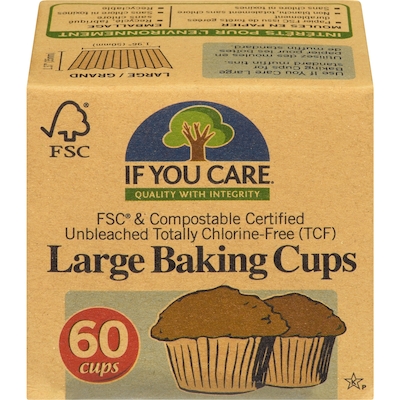
Compostable baking cups are great for eco-friendly baking. They break down naturally and help reduce waste. Choose the right ones for your baking needs.
Consider materials, certifications, and sizes when selecting compostable baking cups. This guide will help you make informed choices.
Materials To Look For
Compostable baking cups are made from natural materials. Look for options like unbleached paper or plant-based fibers.
These materials ensure the cups break down easily. They are safe for both you and the environment.
- Unbleached paper is a common choice
- Plant-based fibers are eco-friendly
- Avoid cups with plastic coatings
Certifications And Labels
Certifications help you identify genuine compostable products. Check for labels from trusted organizations.
These labels ensure the product meets compostability standards. They provide peace of mind for eco-conscious bakers.
- Look for BPI certification
- Check for TUV Austria labels
- Read packaging for compostability claims
Sizing And Shapes
Baking cups come in various sizes and shapes. Choose based on your baking needs and preferences.
Standard sizes fit most baking pans. Unique shapes can add fun to your baking projects.
- Standard size for cupcakes and muffins
- Mini size for small treats
- Unique shapes for themed baking
Preparing Cups For Baking
Compostable baking cups are a great choice for eco-friendly baking. Preparing them correctly helps your baked goods come out perfect.
Follow simple steps to get the best results from these cups. This guide will help you prepare them before baking.
Greasing Tips
Some compostable cups may stick to batter. Lightly greasing them can prevent this problem.
Use a small amount of oil or butter. Apply it with a brush or paper towel inside the cup.
- Use neutral oils like vegetable or canola oil
- Do not over-grease; a thin layer is enough
- Avoid sprays that contain chemicals
Preventing Leakage
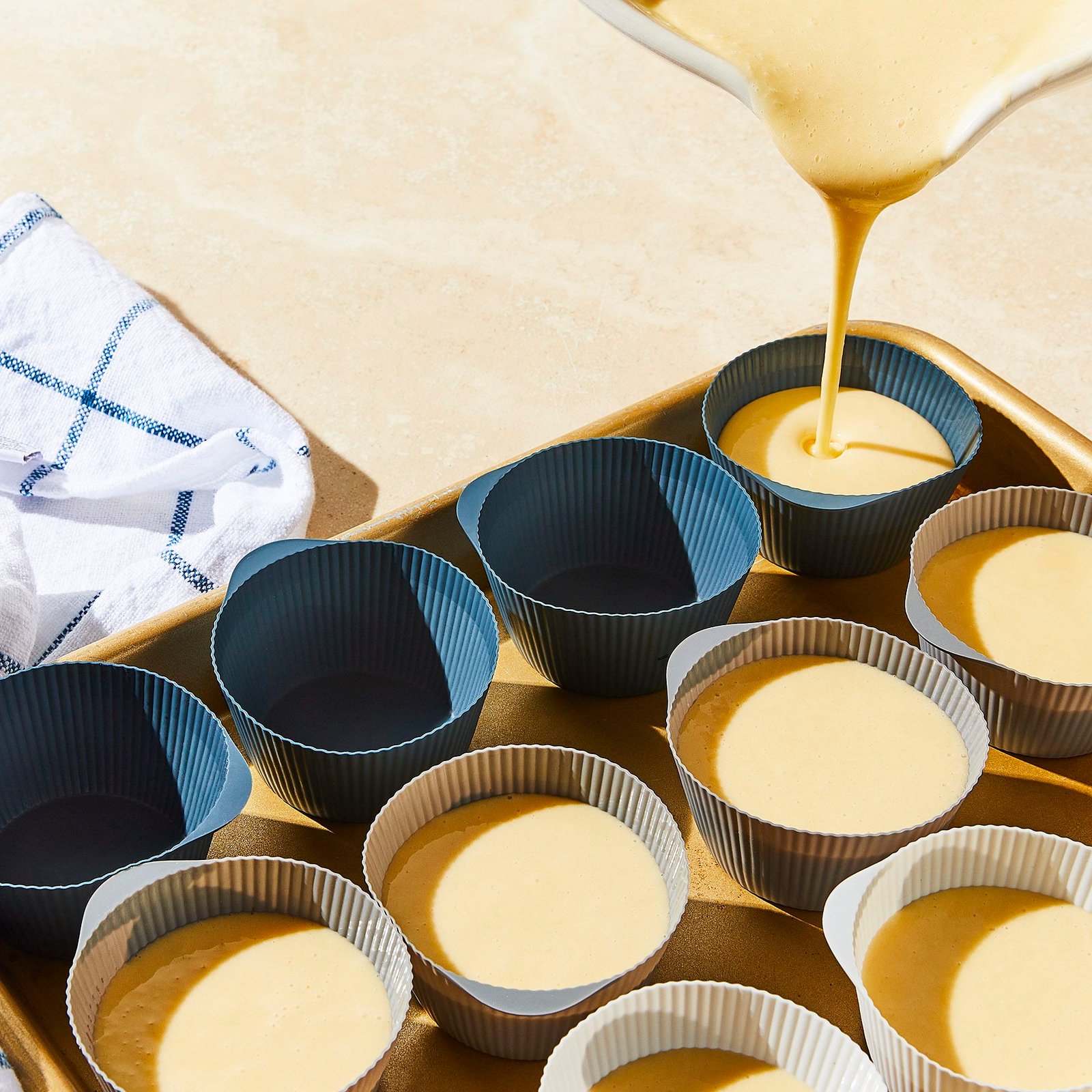
Compostable baking cups can sometimes leak batter. Prevent leaks by using sturdy cups and placing them in a muffin tray.
Do not overfill the cups. Leave space for the batter to rise without spilling.
- Choose thicker compostable cups for better support
- Place cups inside metal or silicone muffin trays
- Fill cups only two-thirds full
Arranging Cups On Trays
Arrange baking cups evenly on trays. This helps heat circulate and bake items evenly.
Leave space between cups to avoid them sticking together when baked.
- Place cups in the center of each muffin slot
- Leave about half an inch between each cup
- Use a flat tray for stability
Baking Techniques With Compostable Cups
Compostable baking cups are a great eco-friendly choice. They work differently from regular paper or foil cups in the oven.
Using these cups needs some small changes in baking to get the best results. This guide helps you bake well with compostable cups.
Adjusting Oven Temperatures
Compostable cups can be more sensitive to heat. Lower the oven temperature by 10 to 15 degrees Fahrenheit to avoid burning.
Check the baking often to see if the cups hold up well. This helps stop overheating and keeps the shape of your baked goods.
Monitoring Baking Times
Baking time can be shorter with compostable cups. Start checking for doneness 5 minutes earlier than usual.
Use a toothpick or cake tester to check if your treats are ready. This avoids overbaking and drying out your food.
- Check at 5 minutes less than the recipe time
- Look for a clean toothpick test
- Watch for browning on the edges
Handling Delicate Batters
Delicate batters need gentle handling in compostable cups. Fill cups only halfway to avoid spills and uneven baking.
Place the cups on a sturdy baking tray. This keeps them stable and helps the batter bake evenly without collapsing.
- Fill cups halfway for delicate batters
- Use a solid tray for support
- Avoid shaking the tray before baking
Credit: www.realcanadiansuperstore.ca
Removing And Storing Baked Goods
Compostable baking cups are a great eco-friendly choice. It is important to remove and store baked goods carefully to keep them fresh and intact.
Following simple steps helps keep your treats tasty and easy to handle after baking.
Cooling Strategies
Let your baked goods cool completely before removing them from compostable cups. Cooling helps prevent breakage and sticking.
Use a wire rack to allow air to circulate around the baked goods. This cools them evenly and stops moisture buildup.
Avoiding Sticking
Compostable baking cups sometimes stick to baked goods. To avoid this, gently loosen the edges before trying to remove the treat.
You can also use non-stick spray or a light coating of oil on the cups before filling them. This helps baked goods release more easily.
- Cool completely before removal
- Gently peel edges away
- Use a light oil spray before baking
Storing For Freshness
Store baked goods in an airtight container to keep them fresh longer. This stops them from drying out or getting soft.
Keep the container at room temperature if you plan to eat the treats soon. For longer storage, place them in the fridge or freezer.
- Use airtight containers
- Store at room temperature for short term
- Refrigerate or freeze for longer storage
Disposal And Composting Tips
Compostable baking cups are eco-friendly and break down naturally. Proper disposal helps reduce waste and supports the environment.
Knowing how to compost these cups correctly makes a big difference. Follow simple steps to ensure they turn into useful compost.
Home Composting Steps
Home composting is an easy way to recycle baking cups. Start by checking if your cups are labeled as compostable at home.
Break the cups into smaller pieces before adding them to your compost bin. This helps speed up decomposition.
- Place baking cups in your green compost bin
- Mix with food scraps and yard waste
- Keep the compost moist but not wet
- Turn the pile regularly to add oxygen
- Wait a few weeks for the cups to break down
Commercial Composting Options
Many cities offer commercial composting services for items that home composting cannot handle. Compostable baking cups often belong here.
Find your local composting facility and check if they accept baking cups. Drop off your cups or add them to curbside compost bins if available.
- Look for compostable label certifications
- Confirm acceptance with local composting programs
- Separate baking cups from regular trash
- Use compost bins provided by your community
Avoiding Contamination
Contamination slows composting and can ruin the batch. Keep non-compostable items out of your compost pile.
Remove any leftover food or grease from baking cups before composting. Do not add plastic or foil liners by mistake.
- Only compost baking cups labeled as compostable
- Clean cups of excess food or oil
- Do not mix plastic or metal with compost
- Check local rules for composting guidelines
Credit: www.kimecopak.ca
Additional Eco-friendly Baking Hacks
Using compostable baking cups is a great start for eco-friendly baking. You can take extra steps to reduce waste and save resources in your kitchen.
These simple habits help protect the environment and make your baking more sustainable. Small changes add up to a big difference.
Reducing Food Waste
Plan your baking to use all ingredients fully. Save leftovers for other recipes or freeze for later use.
Use scraps creatively to avoid throwing food away. For example, stale bread can become crumbs or pudding.
- Measure ingredients carefully to avoid extras
- Store leftovers properly to keep them fresh
- Repurpose scraps into new dishes
- Freeze unused batter or dough
Using Reusable Baking Tools
Choose baking tools that you can use many times. This cuts down on single-use items and waste.
Silicone mats and metal baking pans last for years. They work well with compostable cups and reduce trash.
- Use silicone baking mats instead of parchment paper
- Choose metal or glass mixing bowls
- Pick reusable measuring spoons and cups
- Store tools properly to extend their life
Sourcing Sustainable Ingredients
Buy ingredients from local farms or markets. This lowers the carbon footprint from shipping food.
Look for organic or fair-trade products. These support better farming practices and workers’ rights.
- Choose seasonal fruits and vegetables
- Buy whole grains and flours in bulk
- Support brands that use eco-friendly packaging
- Grow your own herbs or small vegetables
Frequently Asked Questions
What Are Compostable Baking Cups Made Of?
Compostable baking cups are made from natural fibers like bamboo, sugarcane, or cornstarch. These materials break down quickly in compost environments, reducing landfill waste and supporting eco-friendly baking practices.
How To Use Compostable Baking Cups Effectively?
Place the cups in muffin tins before adding batter. Avoid overfilling to prevent spills. Bake as usual, then compost the cups after use for eco-friendly disposal.
Can Compostable Baking Cups Handle High Oven Temperatures?
Yes, most compostable baking cups withstand temperatures up to 400°F (204°C). Always check packaging instructions to ensure safe baking without melting or burning the cups.
Are Compostable Baking Cups Safe For Food Contact?
Absolutely. Compostable baking cups meet food safety standards and are free from harmful chemicals. They offer a safe, sustainable alternative to traditional paper or foil liners.
Conclusion
Compostable baking cups help reduce waste in baking. They break down naturally after use. Choose the right size and type for your recipe. Avoid high heat to keep cups intact. Store them in a dry place to stay fresh. Using these cups supports a cleaner environment.
Small changes like this make a big difference. Try compostable cups for your next bake. Enjoy tasty treats and help the planet too. Simple steps lead to eco-friendly baking habits.