
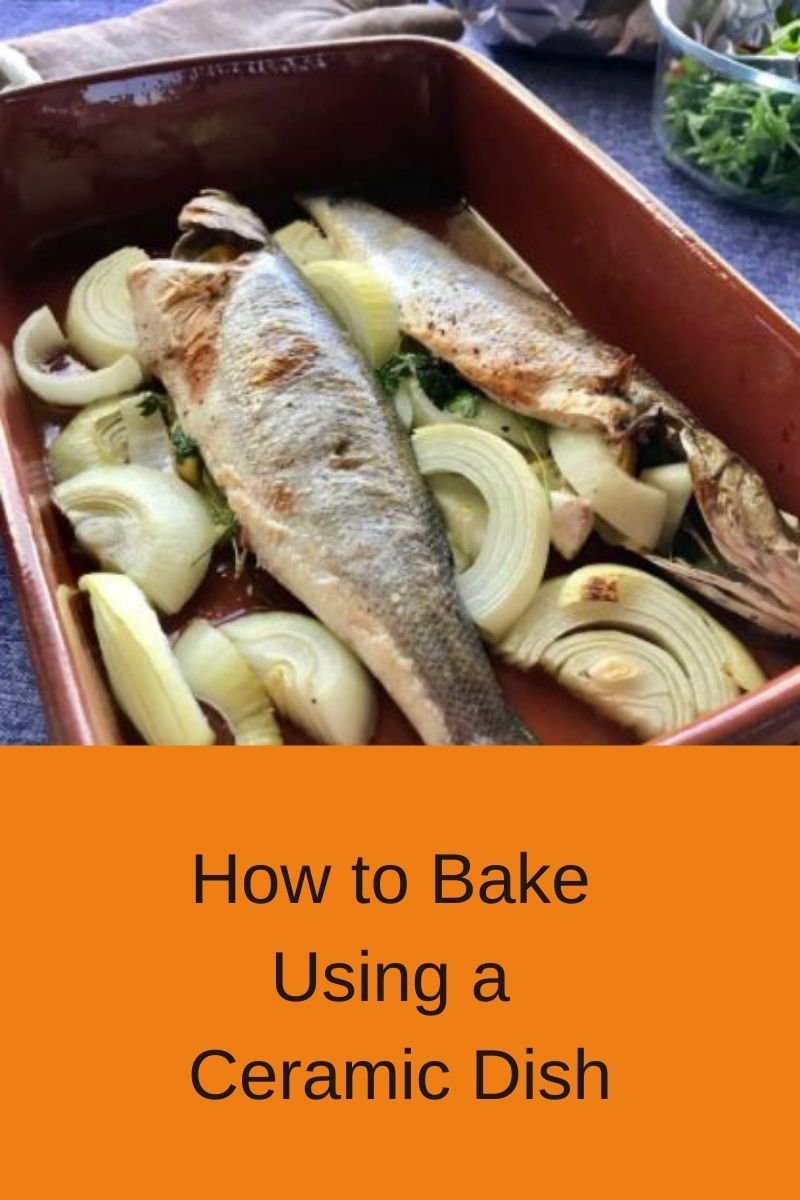
If you love cooking or baking, ceramic baking dishes can become your best kitchen companion. But are you really getting the most out of them?
Using these dishes the right way can make your meals tastier, your cleanup easier, and your dishes last longer. You’ll discover simple tips that will help you use your ceramic baking dishes like a pro. Keep reading to unlock secrets that will transform your cooking experience and make every bake a success!
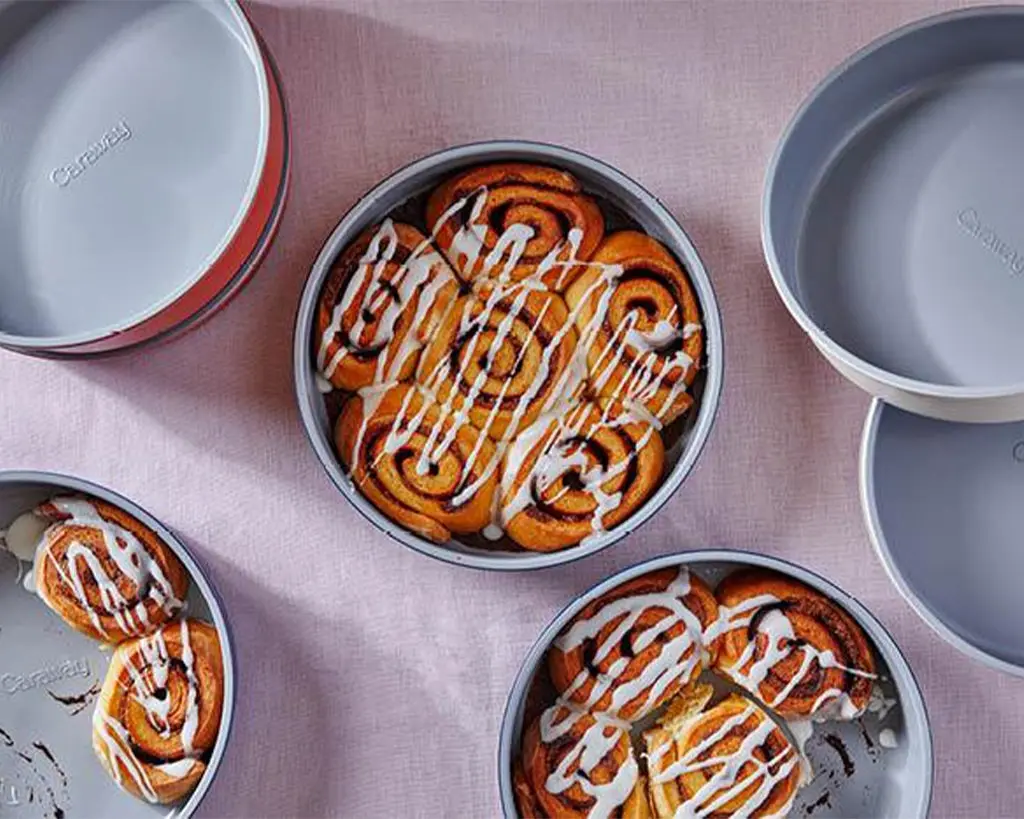
Credit: www.carawayhome.com
Choosing The Right Ceramic Dish
Ceramic baking dishes come in many styles. Picking the right one helps you cook better.
Think about how you plan to use the dish before buying. This guide covers size, material, and safety.
Size And Shape Options
Choose a dish size that fits your oven and serving needs. Small dishes are good for singles or sides.
- Rectangular dishes suit casseroles and lasagnas
- Round dishes work well for pies and tarts
- Square dishes fit well for brownies and bars
- Deep dishes help with layered recipes
Material Quality
Good ceramic dishes have a smooth, non-porous glaze. This stops food from sticking and makes cleaning easier.
| Material Feature | Benefit |
|---|---|
| High-quality glaze | Prevents stains and cracking |
| Thick walls | Distributes heat evenly |
| Lead-free | Safe for cooking and serving |
Oven And Microwave Safety
Check if your ceramic dish is safe for ovens and microwaves. Not all ceramics can handle sudden heat changes.
- Look for labels showing heat resistance
- Avoid dishes with cracks or chips
- Do not move dish from freezer directly to hot oven
- Use oven mitts to handle hot dishes
Preparing Your Dish For Use
Ceramic baking dishes need careful preparation before cooking. Proper care helps your dish last longer and cook evenly.
Follow simple tips to protect your ceramic dish and get the best results every time.
Seasoning And Oiling Tips
Seasoning your ceramic dish creates a natural non-stick surface. Oiling helps food release easily and protects the dish.
- Wash the dish with warm soapy water before first use.
- Dry the dish completely to avoid water spots.
- Lightly coat the inside with cooking oil or butter before baking.
- Reapply oil before each use for better food release.
- Avoid strong detergents that can damage the ceramic surface.
Avoiding Thermal Shock
Thermal shock happens when your ceramic dish changes temperature too quickly. It can crack or break the dish.
| Do | Don’t |
|---|---|
| Place the dish in a cold oven to warm it slowly. | Put a cold dish into a hot oven or vice versa. |
| Use oven mitts to handle hot dishes safely. | Put hot ceramic on cold or wet surfaces. |
| Allow the dish to cool gradually after baking. | Run the hot dish under cold water to cool it. |
Preheating Best Practices
Preheating your ceramic dish helps cook food evenly. Use these tips for best results.
- Place the ceramic dish in a cold oven before turning it on.
- Set the oven to the recipe’s required temperature.
- Wait 10 to 15 minutes for the dish to warm up evenly.
- Do not preheat the dish on a stovetop or open flame.
- Handle the hot dish carefully with oven mitts.
Cooking Techniques With Ceramic Dishes
Ceramic baking dishes offer unique cooking benefits. They provide even heat and help keep food moist.
Understanding how to use ceramic dishes can improve your cooking results. This guide covers key techniques for best use.
Even Heat Distribution
Ceramic heats slowly but spreads heat evenly. This prevents hot spots that burn food.
Use medium or low heat settings to avoid cracking the dish. Preheat the oven with the dish inside for best results.
Using Ceramic For Slow Cooking
Ceramic dishes are great for slow cooking. They keep heat steady for hours.
- Choose recipes like casseroles or stews
- Cook at low temperatures to keep food tender
- Cover the dish to retain moisture
- Use a rack or trivet to avoid direct heat on the bottom
Maximizing Flavor Retention
| Tip | How it Helps |
|---|---|
| Cover the dish | Traps steam and keeps flavors inside |
| Use fresh herbs | Adds aroma and taste during slow cooking |
| Cook at low heat | Prevents flavor loss from overheating |
| Let food rest | Allows flavors to settle before serving |

Credit: www.reddit.com
Cleaning And Maintenance
Ceramic baking dishes need proper care to last long. Cleaning and maintenance keep them safe to use.
Follow simple tips to avoid damage and keep your dishes looking good.
Safe Cleaning Methods
Use gentle cleaning to protect the ceramic surface. Avoid harsh tools that can scratch the dish.
Wash dishes by hand with warm water and mild soap. Let them cool before cleaning.
- Use a soft sponge or cloth
- Avoid steel wool or abrasive scrubbers
- Do not soak dishes for too long
- Dry dishes with a soft towel after washing
Removing Stubborn Stains
Some stains need extra care to remove. Try natural cleaners that do not harm the ceramic.
Baking soda and vinegar work well to lift tough stains. Avoid using bleach or strong chemicals.
- Make a paste with baking soda and water
- Apply paste on stains and let sit for 15 minutes
- Scrub gently with a soft sponge
- Rinse with warm water and dry thoroughly
- For tough stains, soak in vinegar for 10 minutes
Preventing Cracks And Chips
Handle ceramic dishes with care to avoid cracks and chips. Sudden temperature changes can cause damage.
Do not place hot dishes on cold surfaces. Avoid dropping or banging the dish against hard objects.
- Let dishes cool before washing
- Use pot holders when moving hot dishes
- Store dishes with padding between them
- Do not use metal utensils that can chip the surface
Storage And Handling Tips
Ceramic baking dishes need careful storage and handling. Following simple tips keeps them safe.
Proper care helps avoid cracks and keeps the glaze shiny for a long time.
Proper Stacking
Stack ceramic dishes carefully to prevent scratches and chips. Avoid placing heavy items on top.
- Place a soft cloth or paper towel between dishes
- Stack lighter dishes on top of heavier ones
- Do not stack too many dishes to avoid pressure
- Store dishes on stable shelves to prevent falls
Avoiding Temperature Extremes
Sudden temperature changes can crack ceramic dishes. Avoid moving dishes directly from freezer to oven or vice versa.
| Do | Don’t |
| Let dish warm up to room temperature | Place cold dish in hot oven |
| Use moderate oven temperatures | Use high heat without preheating |
| Allow dish to cool before washing | Wash hot dish with cold water |
Protecting The Glaze
The glaze protects dishes and adds shine. Handle dishes gently to avoid scratches and chips.
- Use wooden or silicone utensils to avoid scratching
- Do not use abrasive scrubbers or harsh cleaners
- Hand wash dishes with mild detergent and soft sponge
- Dry dishes carefully to prevent water spots
Creative Cooking Hacks
Ceramic baking dishes add charm to your kitchen. They help you cook and serve food in style.
Learn how to use ceramic dishes beyond baking. Use them to enhance your cooking and presentation.
Using Ceramic For Presentation
Ceramic dishes look great on the table. Their color and shape make food more inviting.
- Serve salads directly in ceramic bowls for a fresh look.
- Use colorful ceramic plates to highlight your meal’s colors.
- Place small ceramic ramekins on the table for dips or sauces.
- Arrange baked goods in a ceramic dish for a cozy feel.
Multi-purpose Use Beyond Baking
Ceramic dishes can do more than bake. They work well for cooking, storing, and serving.
| Use | Description |
| Oven Cooking | Great for casseroles, roasting, and gratins. |
| Microwave | Safe for reheating meals quickly. |
| Freezer Storage | Store leftovers directly in the dish. |
| Serving Dish | Use as a platter for cheeses or appetizers. |
Enhancing Recipes With Ceramic
Cooking in ceramic can improve your dishes. It heats evenly and keeps food moist.
- Preheat ceramic dishes to keep food hot longer.
- Use ceramic for slow cooking to blend flavors well.
- Try layering ingredients in ceramic dishes for better texture.
- Finish dishes under the broiler in ceramic for a crisp top.
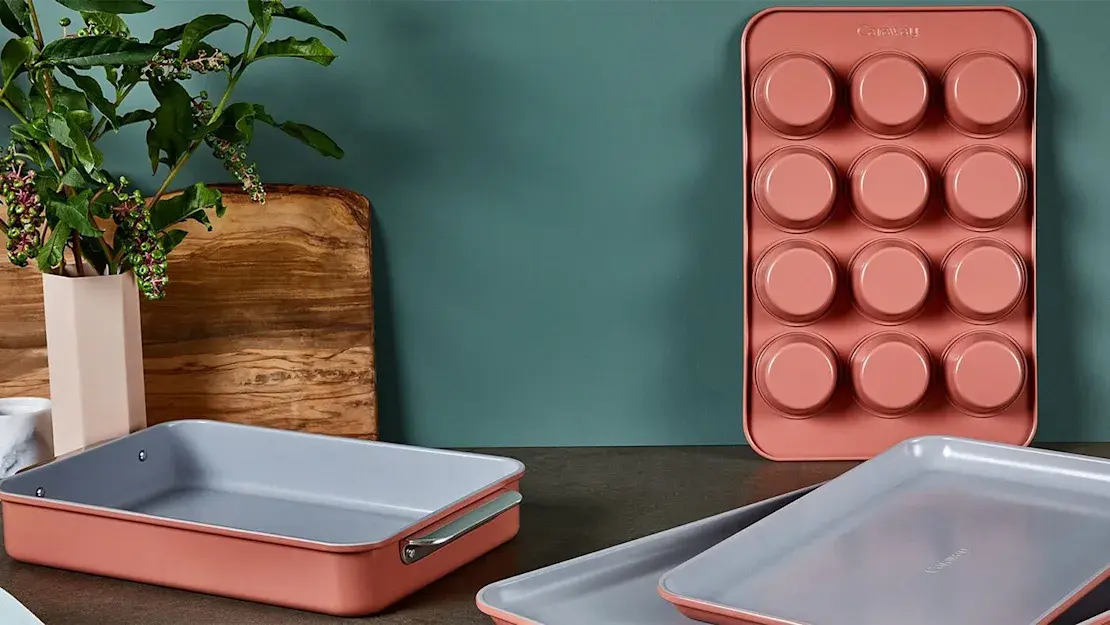
Credit: www.carawayhome.com
Frequently Asked Questions
How Do I Prevent Food From Sticking?
To prevent sticking, grease your ceramic baking dish with butter or oil. Additionally, preheating the dish can help. Using parchment paper as a liner is also effective. Avoid using metal utensils that can scratch the surface. Properly seasoning your dish occasionally can further enhance its non-stick properties.
Can Ceramic Baking Dishes Go In The Oven?
Yes, ceramic baking dishes are oven-safe and designed for high temperatures. Always check the manufacturer’s guidelines for specific temperature limits. Ensure your dish is at room temperature before placing it in a hot oven. Sudden temperature changes can cause cracking.
This makes ceramic dishes ideal for baking, roasting, and more.
Are Ceramic Dishes Microwave Safe?
Most ceramic baking dishes are microwave safe, but always verify with the manufacturer. Avoid dishes with metallic trim or decoration. Ensure the dish is free from cracks to prevent further damage. Microwaving with a lid helps retain moisture and heat evenly.
Always handle with care as ceramics can get hot.
How To Clean Ceramic Baking Dishes?
Clean ceramic baking dishes with warm, soapy water and a soft sponge. Avoid abrasive cleaners that can scratch the surface. For stubborn stains, soak in a baking soda and water solution. Avoid sudden temperature changes when cleaning to prevent cracking.
Regular care ensures your dish remains in top condition.
Conclusion
Ceramic baking dishes make cooking easier and more enjoyable. They heat food evenly and look nice on the table. Take care by avoiding sudden temperature changes and using gentle cleaning methods. These tips help your dishes last longer and perform better.
Try different recipes to see how ceramic dishes improve your meals. Small steps in handling can make a big difference. Cooking with ceramic is simple and rewarding. Give it a chance and enjoy tasty results every time.