

Are you tired of spending too much time and energy on casserole dishes, only to end up with unevenly cooked meals or a big mess to clean? What if you could make the most out of your casserole dishes every time you use them—saving time, boosting flavor, and making cleanup easier?
You’ll discover simple yet powerful tips that can transform how you cook with casserole dishes. Keep reading to unlock easy ways to get perfect results and enjoy your meals more than ever before.
Choosing The Right Casserole Dish
Picking the right casserole dish helps your cooking turn out well. It saves time and makes cleanup easier.
Think about material, size, shape, and oven safety before buying your dish.
Material Options And Their Benefits
Casserole dishes come in many materials. Each one has pros for cooking and cleaning.
- Glass:Heats evenly and lets you see food while cooking.
- Ceramic:Keeps heat well and looks nice for serving.
- Metal:Heats quickly and works well for browning food.
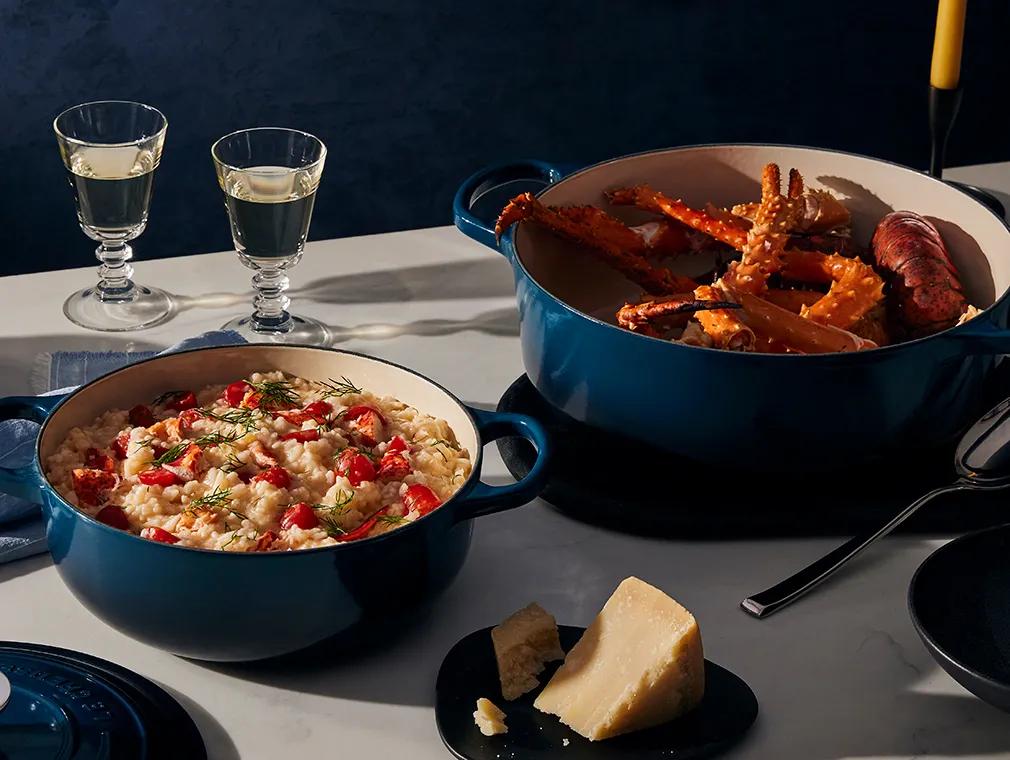
- Cast Iron:Holds heat a long time and is very durable.
Size And Shape Considerations
Choose a size that fits your family or group. A dish too big or small can waste energy or food.
The shape affects cooking time and how food cooks. Pick a shape that matches your recipes.
- Square or rectangular dishes hold more food and fit in ovens well.
- Round dishes are good for layered or baked dishes.
- Shallow dishes cook food faster and create a crisp top.
- Deep dishes work for soups or stews with more liquid.
Oven-safe Features To Look For
Check if the casserole dish can go in your oven safely. Some materials or handles can melt or crack.
Look for labels that say “oven-safe” and the highest temperature the dish can handle.
- Tempered glass dishes resist heat and sudden temperature changes.
- Ceramic dishes should be free of cracks for safe use.
- Metal dishes usually handle high heat well but watch for non-stick coatings.
- Check if handles are oven-safe or need protection with oven mitts.
Credit: www.lecreuset.com.au
Prepping For Quick Cooking
Preparing a casserole dish can be fast with good planning. Organizing your ingredients saves time.
Quick cooking means less waiting and more enjoying your meal.
Layering Ingredients Smartly
Put ingredients in the right order to cook evenly. Heavier items go at the bottom.
Place lighter and quicker-cooking ingredients on top. This stops overcooking.
- Start with sauce or liquid at the bottom
- Add dense vegetables or meat next
- Top with cheese or breadcrumbs last
Using Pre-cooked Components
Use pre-cooked meat or vegetables to cut cooking time. It helps the casserole heat faster.
Pre-cooked parts also make the flavors blend well and keep food moist.
- Cook meat or beans before layering
- Use steamed or roasted veggies
- Prepare sauces ahead of time
Time-saving Tips For Chopping And Mixing
Chop all ingredients before you start layering. Use sharp knives or a food processor.
Mix ingredients in a big bowl to save time and keep your kitchen clean.
- Slice vegetables evenly for uniform cooking
- Use a food processor for fast chopping
- Mix sauces and seasonings in one bowl
- Prepare all ingredients before assembling
Maximizing Oven Efficiency
Using your oven wisely saves energy and cooks food evenly. Small changes help you get the best from your casserole dishes.
Focus on temperature, dish placement, and how you cover your dishes. These tips make cooking easier and faster.
Proper Temperature Settings
Set the oven temperature according to the recipe. Avoid opening the door often to keep heat steady.
- Preheat the oven fully before placing dishes inside
- Use an oven thermometer to check real temperature
- Lower temperature slightly if cooking multiple dishes
Using Multiple Dishes Simultaneously
Cook several casseroles at once to save time and energy. Space dishes well for good air flow.
| Tip | Details |
| Arrange Dishes | Place dishes evenly with space between for heat circulation |
| Use Racks | Use oven racks to separate dishes by levels |
| Rotate Dishes | Turn dishes halfway through cooking for even heat |
Covering And Uncovering Techniques
Cover dishes to keep moisture and heat inside. Remove covers near the end for browning.
- Use foil or lids to cover casseroles during most cooking time
- Uncover last 10-15 minutes to crisp tops
- Check dishes regularly to avoid overcooking
Cleaning And Maintenance Hacks
Caring for casserole dishes extends their life and keeps them ready for use.
Simple cleaning and storage tips make kitchen work easier and faster.
Preventing Food Sticking
Prevent food from sticking by using non-stick sprays or brushing oil inside the dish.
Let dishes cool before washing to avoid food hardening and sticking.
Easy Cleaning Methods
- Soak dishes in warm water with baking soda for 20 minutes.
- Use a soft sponge to scrub gently and avoid scratches.
- Rinse thoroughly to remove all soap and residue.
- Dry dishes with a clean towel or air dry completely.
Storage Tips To Save Space
| Tip | Description |
| Stack with Protection | Place a cloth or paper towel between dishes to prevent scratches. |
| Use Vertical Storage | Store casserole lids vertically to save cabinet space. |
| Keep in Dry Place | Store dishes in a dry area to avoid moisture buildup and odors. |
Creative Ways To Use Casserole Dishes
Casserole dishes are more than just for baking. You can use them in many clever ways in the kitchen.
These dishes help save time, organize meals, and make serving easier. Try these tips to get the most out of your casserole dishes.
Beyond Traditional Casseroles
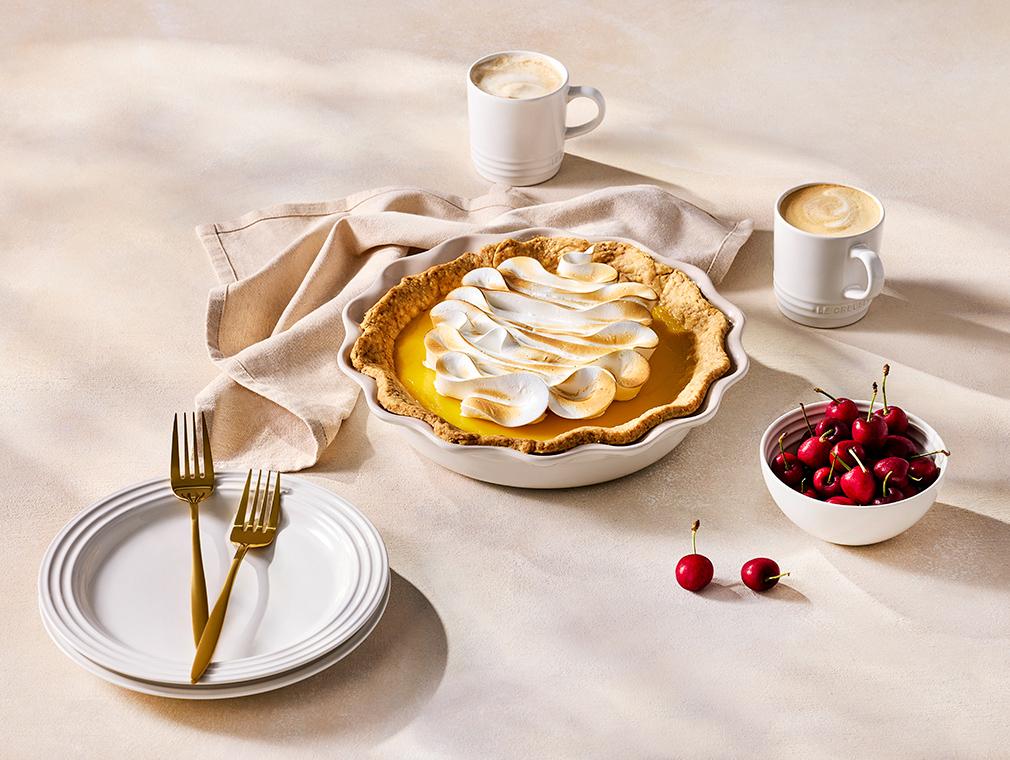
Casserole dishes work well for more than baked meals. Use them for salads, desserts, or even roasting vegetables.
You can layer ingredients for lasagna or use the dish to marinate meats overnight. It is also great for making layered dips for parties.
- Use for cold layered salads with dressing
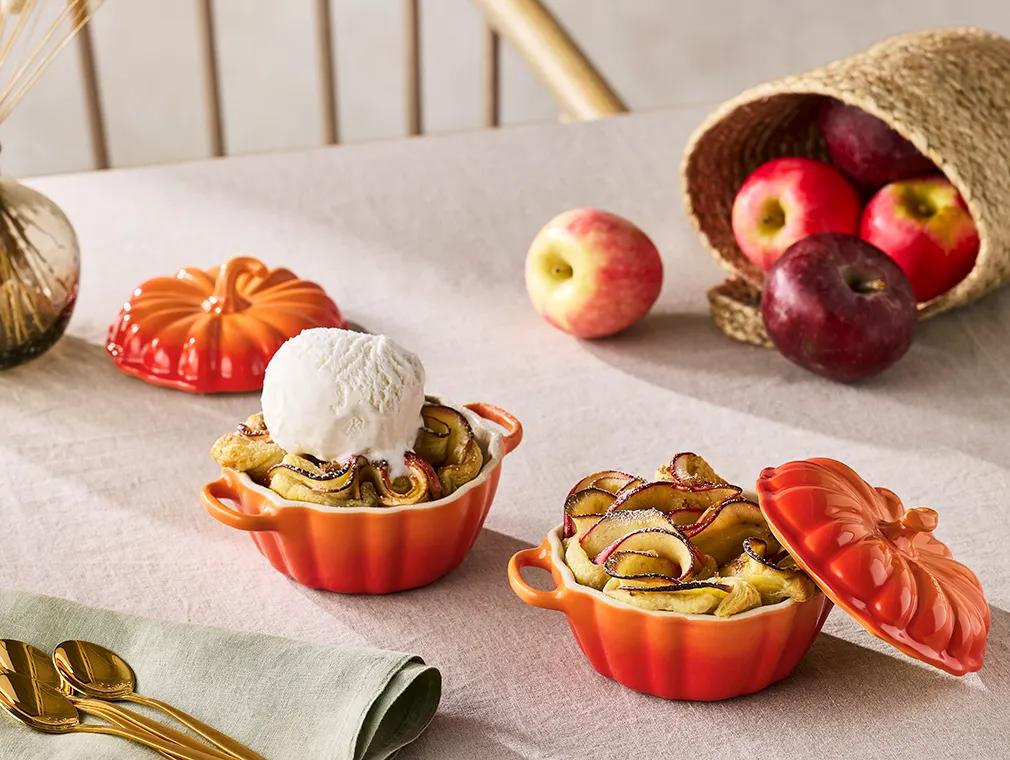
- Bake desserts like fruit cobblers or brownies
- Roast vegetables evenly with good heat distribution
- Marinate meats or tofu before cooking
- Create no-bake layered dips for snacks
Meal Prep And Freezing Ideas
Casserole dishes are perfect for meal prepping. You can cook meals in advance and freeze them for later.
Use the dish to portion out meals for the week. Label and cover it well before freezing to keep food fresh.
- Cook full meals and freeze in casserole dishes
- Divide large casseroles into smaller portions
- Cover tightly with foil or plastic wrap before freezing
- Thaw in the fridge overnight before reheating
- Use freezer-safe casserole dishes for best results
Serving And Presentation Tips
Serving food in casserole dishes can be simple and attractive. Choose dishes that look good on the table.
Add garnishes or fresh herbs on top to make meals more inviting. Use matching serving utensils to keep things neat.
- Pick colorful or patterned casserole dishes
- Garnish with fresh herbs or sliced vegetables
- Use ladles or large spoons for easy serving
- Place dishes on heat-resistant mats or trivets
- Keep dishes warm with oven-safe covers
Credit: www.lecreuset.com.au
Credit: www.lecreuset.com.au
Frequently Asked Questions
How Do You Prevent Food From Sticking In Casserole Dishes?
To prevent food from sticking, always grease the dish with oil or butter. Use non-stick spray for healthier options. Also, consider lining with parchment paper. Avoid using high heat, and let the dish cool slightly before serving. These steps will ensure an easier clean-up and better food presentation.
What Is The Best Material For Casserole Dishes?
Ceramic and glass are popular for their even heat distribution. They retain heat well, keeping food warm longer. Cast iron is durable and versatile for oven-to-table use. Each material suits different needs, so choose based on your cooking style and preferences.
Always check the manufacturer’s guidelines for safe usage.
Can You Freeze Meals In Casserole Dishes?
Yes, you can freeze meals in freezer-safe casserole dishes. Allow the dish to cool before freezing. Cover tightly with foil or a lid to prevent freezer burn. Label with the date and contents for easy identification. Defrost in the refrigerator before reheating for best results.
How Do You Clean Casserole Dishes Efficiently?
For efficient cleaning, soak the dish in warm, soapy water. Use a non-abrasive sponge to avoid scratching. Baking soda paste can help remove stubborn stains. Avoid harsh chemicals that can damage the dish. Always follow the manufacturer’s cleaning instructions to maintain the dish’s condition.
Conclusion
Using casserole dishes well saves time and energy in the kitchen. Choose the right size for your meal. Clean dishes soon after use to keep them in good shape. Cover dishes to keep food moist and fresh. Experiment with layering ingredients for better flavors.
These simple steps help you cook easier and enjoy meals more. Try these tips next time you cook a casserole. You will see how small changes make a big difference. Cooking becomes less stressful and more fun.