
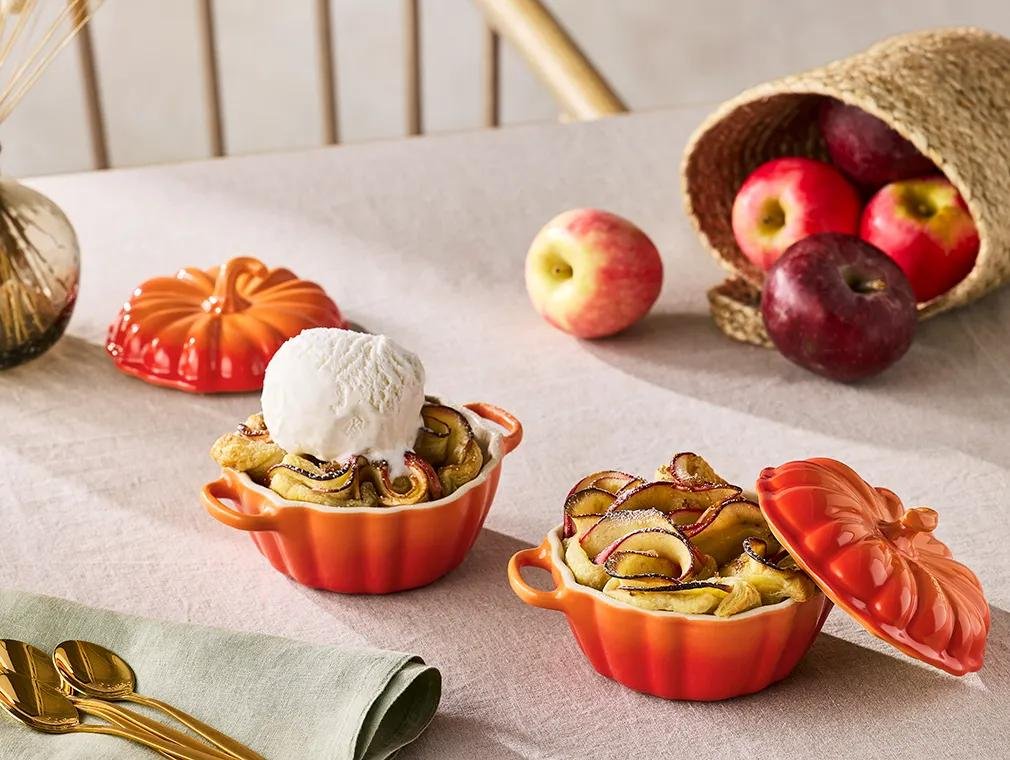
Are you ready to make the most out of your casserole dishes? Whether you’re a seasoned cook or just starting, using these dishes effectively can transform your meals and save you time.
Imagine serving up delicious, perfectly cooked meals without the hassle or guesswork. You’ll discover simple tips that will help you get better results every time you use your casserole dish. Keep reading, and you’ll soon unlock the secrets to cooking smarter, not harder.
Choosing The Right Casserole Dish
Choosing the right casserole dish can make cooking easier and food taste better. Different dishes suit different types of meals and ovens.
Consider size, material, shape, and design before buying a casserole dish. Each factor affects cooking time and results.
Size Considerations
Pick a casserole dish size based on the number of people you will serve. A small dish works well for one or two people.
- Small dishes hold about 1 to 2 quarts
- Medium dishes hold about 3 to 4 quarts
- Large dishes hold 5 quarts or more
Using the right size helps food cook evenly and prevents spills in the oven.
Material Options
| Material | Pros | Cons |
| Ceramic | Retains heat well, looks nice | Can crack with temperature changes |
| Glass | Easy to clean, shows food color | Breaks if dropped |
| Metal | Heats quickly, durable | Can react with acidic foods |
| Cast Iron | Excellent heat retention | Heavy and needs seasoning |
Choose a material that fits your cooking style and care preferences.
Shape And Design
The shape of a casserole dish affects cooking time and food texture. Round dishes cook food evenly, while rectangular dishes hold more food.
- Round dishes work well for thick casseroles.
- Rectangular dishes fit more food and stack better.
- Deep dishes prevent spills for saucy meals.
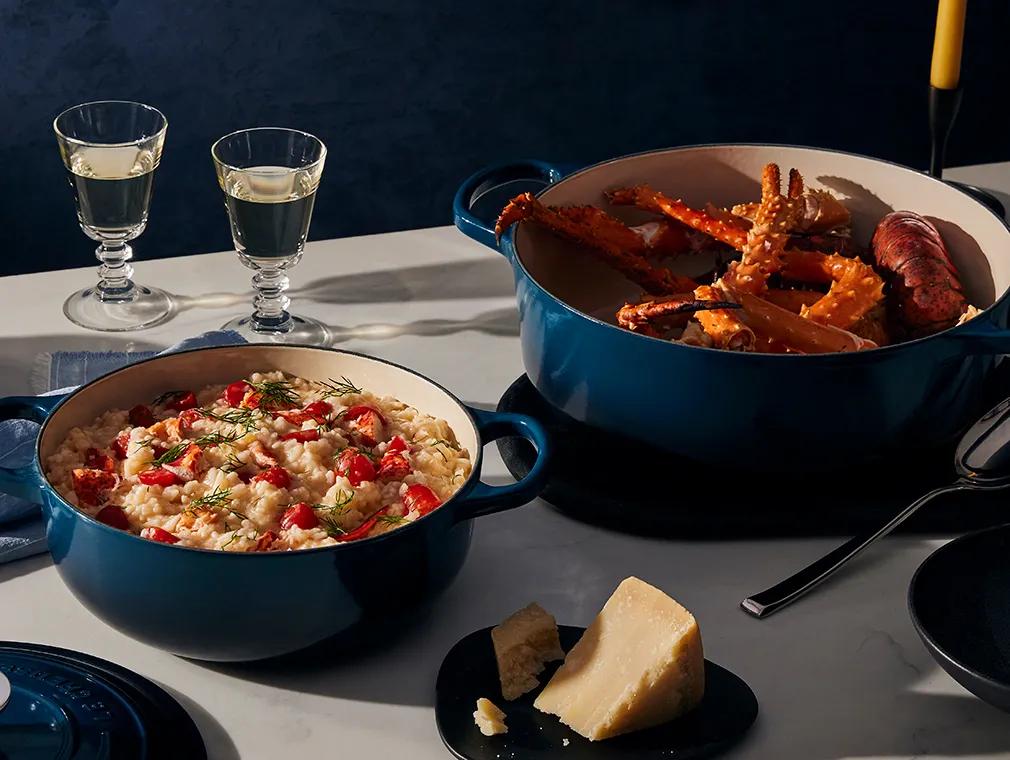
Look for casserole dishes with handles or lids to make cooking and serving easier.
Credit: www.lecreuset.com.au
Preparing Ingredients For Casseroles
Preparing ingredients well makes casseroles taste better and cook evenly. Taking time to get everything ready helps you avoid mistakes.
Good preparation includes balancing flavors, cutting ingredients correctly, and pre-cooking some items. These steps improve your casserole’s texture and taste.
Balancing Flavors
Mixing different flavors adds depth to your casserole. Use salty, sweet, sour, and spicy tastes in the right amounts.
- Add salt carefully to bring out natural flavors.
- Use a small amount of sugar to balance acidity.
- Include herbs like thyme or rosemary for aroma.
- Use acidic ingredients like lemon juice or vinegar to brighten flavors.
- Add spices like pepper or paprika for mild heat.
Chopping And Slicing Techniques
Cutting ingredients to the right size helps them cook evenly. Use sharp knives and steady hands for safety and speed.
| Ingredient | Recommended Cut | Reason |
| Carrots | Thin slices | Cook quickly and evenly |
| Potatoes | Small cubes | Soft texture without drying |
| Onions | Fine dice | Distribute flavor well |
| Chicken | Medium strips | Cook through evenly |
Pre-cooking Tips
Some ingredients need cooking before baking. This makes sure everything finishes at the same time.
- Sauté onions and garlic until soft to release flavor.
- Parboil potatoes or carrots to speed up baking.
- Brown meats to add color and seal in juices.
- Drain excess liquid from vegetables to avoid soggy casseroles.
Layering Techniques For Casseroles
Layering is an important skill for making tasty casseroles. It helps mix flavors and keeps the dish moist.
Good layering can improve the texture and taste of your casserole. It also makes it look more appealing.
Creating Flavorful Layers
Start with a base that holds moisture, like sauce or cheese. This keeps the casserole from drying out.
Alternate layers of different ingredients. Use vegetables, proteins, and starches in a balanced way.
- Use sauces or soups between layers for moisture
- Place heavier ingredients at the bottom
- Add cheese between layers for richness
- Include herbs and spices in each layer
- Top with crunchy ingredients for texture
Avoiding Common Mistakes
Do not overload the dish. Too many layers can stop heat from cooking evenly.
Avoid dry layers. Always add some liquid or sauce to keep the casserole moist.
- Do not mix all ingredients together before layering
- Do not use too much cheese on top, it can burn
- Do not skip seasoning each layer
- Do not ignore cooking time and temperature
- Do not use very thick layers that slow cooking
Cooking Temperature And Timing
Using the right temperature and timing is key to good casserole dishes. These factors help food cook evenly and taste better.
Controlling heat and watchful timing prevent dishes from being undercooked or burnt. Learn simple tips to improve your casserole results.
Setting The Right Temperature
Choose a cooking temperature that fits your casserole ingredients. Too high heat can burn the top but leave the inside raw.
- Use moderate heat, usually between 325°F and 375°F (160°C to 190°C).
- Lower temperatures work well for slow cooking and tender meats.
- Higher temperatures help brown the top but need careful watch.
- Preheat the oven before placing the casserole inside.
- Check if your dish is oven-safe at high temperatures.
Monitoring Cooking Time
Cooking time depends on ingredients and casserole size. Checking often helps avoid overcooking or undercooking.
| Dish Type | Temperature (°F) | Approximate Time |
| Vegetable Casserole | 350 | 30-40 minutes |
| Chicken Casserole | 375 | 45-60 minutes |
| Beef Casserole | 325 | 90-120 minutes |
| Pasta Casserole | 350 | 30-45 minutes |
Enhancing Flavor With Spices And Herbs
Using spices and herbs can make your casserole dishes taste better. They add depth and aroma to simple ingredients.
Choosing the right spices and herbs helps create rich, flavorful meals that everyone will enjoy.
Popular Spice Combinations
Some spice blends work well in casseroles. They bring out the natural flavors of meat, vegetables, and sauces.
- Garlic powder, paprika, and black pepper
- Cumin, coriander, and chili powder
- Thyme, rosemary, and sage
- Curry powder with turmeric and ginger
- Oregano, basil, and crushed red pepper
Try mixing these spices before adding them to your dish. It helps spread the flavors evenly.
Herbs For Aromatic Dishes
Fresh and dried herbs give casseroles a lovely smell. They also add fresh, bright notes to the food.
- Fresh parsley for a mild, clean taste
- Thyme adds a subtle earthiness
- Rosemary gives a pine-like aroma
- Basil offers sweet and peppery hints
- Sage adds warmth and depth
Add herbs near the end of cooking to keep their aroma strong. Dried herbs work well when added early.
Serving And Presentation Tips
Serving a casserole dish well makes your meal look inviting. Presentation adds to the dining experience.
Simple tips can help you serve and display casseroles with style and ease.
Garnishing Ideas
Garnishes add color and texture to your casserole. They make dishes more appealing and tasty.
Use fresh herbs, spices, or crispy toppings to enhance the look.
- Sprinkle chopped parsley or chives on top
- Add a few cherry tomatoes or sliced olives
- Use toasted nuts or breadcrumbs for crunch
- Place thin lemon or lime slices around the edges
Plating Techniques
How you plate a casserole affects its appeal. Use clean plates and neat portions.
Serve with side dishes that add color and balance the flavors.
- Use a large spoon or spatula for even servings
- Place the casserole portion in the center of the plate
- Add a small salad or steamed vegetables on the side
- Wipe plate edges before serving to keep it clean
Storing And Reheating Leftovers
Leftover casserole dishes can save time and reduce food waste. Proper storage and reheating keep your food tasty and safe.
Learn simple tips to store leftovers correctly and reheat them without losing flavor or texture.
Proper Storage Methods
Store casserole leftovers quickly after cooking. Use airtight containers to keep food fresh and prevent spills.
- Cool the casserole to room temperature before storing.
- Divide large portions into smaller containers for faster cooling.
- Label containers with the date to track freshness.
- Keep leftovers in the fridge for up to 3-4 days.
- Freeze if you want to store for longer than 4 days.
Best Reheating Practices
Reheat casserole dishes evenly to avoid cold spots that can cause foodborne illness. Use safe methods to keep the texture and flavor.
| Reheating Method | Tips |
| Oven | Preheat to 350°F (175°C). Cover dish with foil to keep moisture. |
| Microwave | Use medium power. Stir or rotate dish halfway through. |
| Stovetop | Heat on low with a lid. Stir often to avoid burning. |

Credit: www.plattertalk.com
Cleaning And Maintaining Casserole Dishes
Casserole dishes are useful for cooking and serving meals. Keeping them clean helps them last longer.
Proper care prevents stains and damage. It also keeps food tasting fresh and safe.
Cleaning Methods
Wash casserole dishes right after use. This stops food from sticking and hardening.
Use warm water and mild dish soap. Avoid harsh cleaners that can scratch the surface.
- Soak dishes in warm, soapy water if food is stuck
- Use a soft sponge or cloth to clean
- Rinse well with clean water
- Dry dishes with a soft towel to avoid water spots
Preventing Damage
Handle casserole dishes carefully to avoid chips and cracks. Do not use metal tools that can scratch.
Avoid sudden temperature changes. Let dishes cool before washing to prevent cracking.
- Use wooden or silicone utensils
- Do not place hot dishes on cold surfaces
- Store dishes with padding between them
- Check for cracks before each use to ensure safety
Credit: www.lecreuset.com.au
Frequently Asked Questions
What Materials Are Best For Casserole Dishes?
Ceramic and glass are ideal for even heat distribution. They prevent hot spots and ensure thorough cooking. Non-stick options simplify cleaning. Choose based on your cooking style and oven compatibility.
How To Prevent Casserole Dishes From Sticking?
Grease the dish with butter, oil, or non-stick spray. Adding a thin layer of sauce or cheese also helps. Avoid high sugar content directly on the dish to reduce sticking.
Can Casserole Dishes Go From Freezer To Oven?
Yes, but only if the dish is labeled freezer-to-oven safe. Allow gradual temperature changes to avoid cracking. Avoid sudden shifts from cold to hot environments for safety.
What Size Casserole Dish Should I Use?
Choose a dish size based on recipe portions. Standard sizes range from 1 to 3 quarts. Using the right size ensures even cooking and prevents overflow.
Conclusion
Casserole dishes bring ease and flavor to your meals. Use them to save time and cook evenly. Choose the right size for your recipe. Clean them carefully to keep them long-lasting. Try different recipes to enjoy variety. These simple tips help you cook better every time.
Enjoy cooking with your casserole dishes more often.