
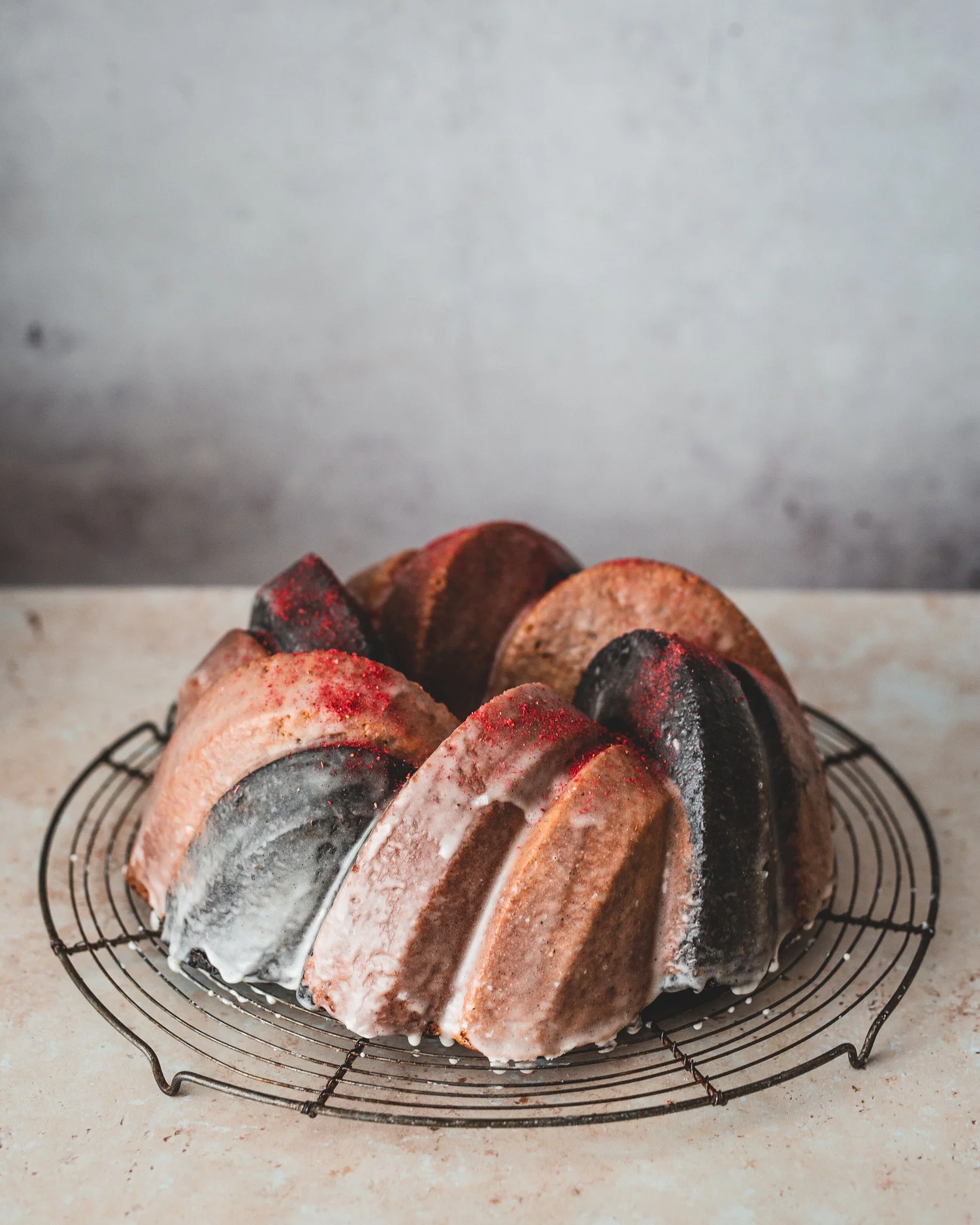
If you love baking with Bundt pans but dread when your beautiful cakes stick and break apart, you’re not alone. You want your desserts to come out perfectly shaped and intact every time.
Imagine pulling your Bundt cake out of the pan, flawless and ready to impress—no cracks, no missing pieces. You’ll discover simple, effective tips that make sticking a thing of the past. Keep reading, and you’ll learn how to get that smooth, stunning finish you’ve been dreaming of with every bake.

Credit: www.tasteofhome.com
Choosing The Right Bundt Pan
Using a Bundt pan can make your cakes look beautiful. Picking the right pan helps your cake come out clean and not stick.
Knowing what to look for will make baking easier. Focus on the material, size, and shape of the pan.
Material Matters
The pan’s material affects heat and cake release. Some materials stick less and bake more evenly.
Here are common materials and their benefits:
- Aluminum: Heats evenly and often non-stick
- Cast iron: Holds heat but may need more greasing
- Silicone: Easy release but less even baking
- Non-stick coated pans: Help prevent sticking but can scratch
Optimal Size And Shape
Size and shape change baking time and how the cake cooks. Choose a size that fits your recipe well.
Shapes with simple designs release cake easier. Too many grooves can cause sticking.
- 10 to 12 cups is a good size for most recipes
- Simpler shapes are easier to clean
- Deep pans may need longer baking times
- Larger pans spread heat better
Credit: arinaphotography.com
Proper Greasing Techniques
Using a bundt pan can be tricky because the cake often sticks. Proper greasing helps the cake release easily. This saves time and keeps your cake looking great.
Greasing a bundt pan is different from greasing a regular pan. The pan has many curves and details. You need to cover every part evenly to avoid sticking.
Types Of Grease To Use
Choosing the right grease is important. Some greases work better on bundt pans because they fill in the small crevices. Here are common types used:
- Butter: Adds flavor and works well in most cases.
- Shortening: Stays solid and covers well in detailed pans.
- Cooking Spray: Easy to apply but may not coat evenly.
- Oil: Use a thick oil like coconut or vegetable oil.
Applying Grease Evenly
Even grease application helps the cake release smoothly. Use these tips to cover the bundt pan properly:
| Tip | How to Do It |
| Use a Pastry Brush | Brush grease into all corners and crevices gently. |
| Coat the Pan Twice | Apply a first thin layer, then a second for full coverage. |
| Dust with Flour | Sprinkle flour after greasing to prevent sticking further. |
| Check for Missed Spots | Look carefully and add grease if any spots look dry. |
Using Flour For Extra Protection
Bundt pans are beautiful but can be tricky to use. Sticking can ruin your baked goods. Using flour helps create a smooth release.
Flouring adds a thin layer that stops batter from sticking to the pan. This method works well with butter or oil.
When To Flour The Pan
Flour the pan after greasing it well. This step is key for cakes with sticky batters. Some batters may not need flour at all.
- Grease the entire inside surface of the pan.
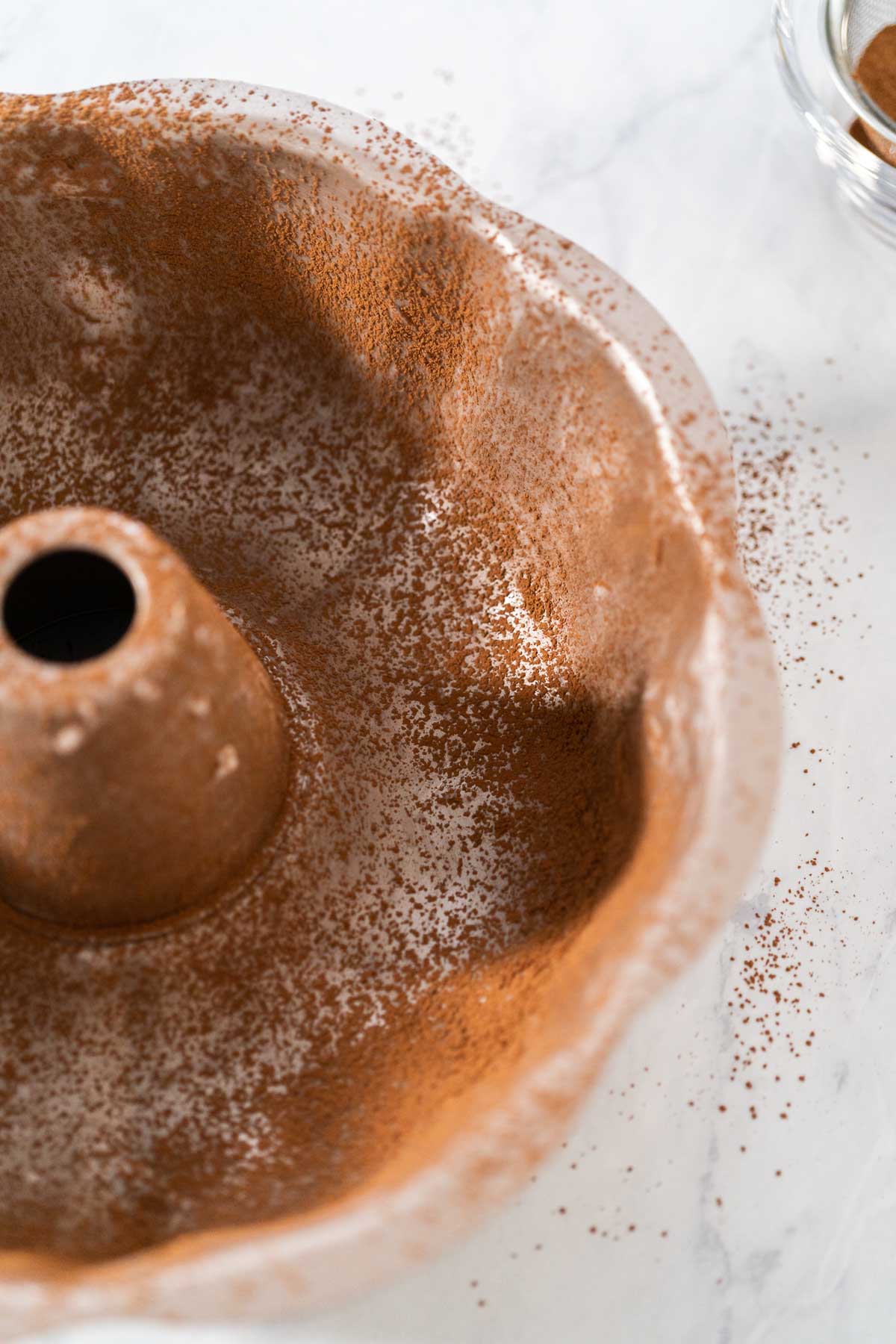
- Sprinkle a small amount of flour over the greased surface.
- Tap and rotate the pan to coat evenly.
- Shake out the excess flour before pouring in the batter.
- If the batter is very smooth, flouring is extra helpful.
Alternative Dusting Options
Besides flour, other dusting options can prevent sticking. These options work best with different cake types.
| Dusting Option | Best For | How to Use |
| Cocoa Powder | Chocolate Cakes | Dust after greasing, same as flour |
| Powdered Sugar | Sweet Cakes | Sprinkle lightly for a sweet finish |
| Cornstarch | Delicate Cakes | Use instead of flour for less texture |
| Non-stick Baking Spray with Flour | All Cakes | Spray directly on pan for quick use |
Temperature And Baking Time
Using a Bundt pan needs careful control of temperature and baking time. These factors help prevent sticking and ensure even baking.
Adjusting oven temperature and baking duration can improve your cake’s texture and make it easier to remove from the pan.
Preheating The Oven
Always preheat your oven before putting in the Bundt pan. A hot oven helps the cake bake evenly and reduces sticking.
Set the temperature as your recipe says. Do not open the oven door while preheating or baking.
- Preheat the oven for at least 15 minutes
- Use an oven thermometer to check the temperature
- Place the Bundt pan in the center of the oven
Adjusting Baking Times
Baking time may need changes for Bundt pans because of their shape and size. Check your cake early to avoid overbaking.
Lower the oven temperature slightly and bake a bit longer for even cooking. This reduces the chance of the cake sticking.
- Start checking the cake 5-10 minutes before the recipe time ends
- Use a toothpick to test if the cake is done
- Lower temperature by 25°F (about 15°C) if the cake browns too fast
Cooling And Releasing The Cake
Using a Bundt pan can be tricky if the cake sticks inside. Cooling and removing the cake properly helps keep the shape perfect.
Learn how to cool the cake right and how to release it from the pan without damage.
Proper Cooling Techniques
Let the cake cool in the Bundt pan for about 10 to 15 minutes after baking. This helps the cake firm up and shrink slightly from the pan edges.
After this, place the pan on a cooling rack to let air flow underneath. This stops the cake from getting soggy.
- Cool cake in pan for 10-15 minutes
- Use a cooling rack for better air circulation
- Do not cool too long in pan to avoid sticking
How To Release The Cake
Gently run a thin knife or spatula around the edges of the pan to loosen the cake. Be careful not to scratch the pan.
Place a large plate or cooling rack over the pan. Flip the pan and plate together quickly but carefully. The cake should slide out smoothly.
- Loosen cake edges with a thin knife
- Cover pan with plate or rack
- Flip pan and plate together
- Lift pan carefully to release cake
Cleaning And Maintenance
Keeping your Bundt pan clean helps it last longer and keeps cakes from sticking. Proper care makes baking easier and safer.
Follow simple cleaning and storage tips to protect your pan’s surface and shape.
Effective Cleaning Methods
Clean your Bundt pan right after use to avoid stuck-on residue. Avoid harsh scrubbing to protect the pan’s coating.
- Let the pan cool before washing.
- Wash with warm, soapy water using a soft sponge.
- Use a soft brush to clean grooves gently.
- Rinse thoroughly to remove soap.
- Dry the pan with a soft towel immediately.
- For stuck batter, soak the pan in warm water for 15 minutes before cleaning.
Storing Your Bundt Pan
Store your Bundt pan in a dry, cool place. Proper storage prevents damage and keeps it ready for your next bake.
| Storage Tip | Reason |
| Keep pan dry | Prevents rust and mold |
| Store flat or hang | Maintains shape and avoids dents |
| Place soft cloth between pans | Protects nonstick coating |
| Avoid stacking heavy items | Prevents warping |
Troubleshooting Common Issues
Using bundt pans can be tricky if your cake sticks or bakes unevenly. These problems can ruin your baking experience. Knowing simple fixes helps you bake better cakes every time.
Below are tips to solve sticking and uneven baking issues. Follow these easy steps for a smoother baking process.
Dealing With Sticking
Sticking happens when the cake clings to the pan, making it hard to remove. Proper preparation and care can stop this problem.
- Grease the pan well with butter or oil, making sure to cover all the curves.
- Sprinkle flour or cocoa powder over the greased surface to create a barrier.
- Use a non-stick baking spray designed for bundt pans for even coverage.
- Let the cake cool for 10 to 15 minutes before trying to remove it from the pan.
- Run a thin knife or spatula gently around the edges before flipping the pan.
Preventing Uneven Baking
Uneven baking causes some parts of the cake to be undercooked or burnt. This happens because heat does not spread evenly in the pan.
| Cause | Solution |
| Oven temperature too high | Lower the oven heat and bake longer |
| Pan placed too close to heating element | Place pan in the center of the oven rack |
| Incorrect pan size | Use the size recommended in the recipe |
| Uneven batter distribution | Spread batter evenly before baking |
| Cold batter | Bring batter to room temperature before baking |
Credit: frostingandfettuccine.com
Frequently Asked Questions
How Do I Prepare A Bundt Pan To Prevent Sticking?
To prevent sticking, thoroughly grease the Bundt pan with butter or shortening. Then, dust it lightly with flour or cocoa powder. This creates a barrier between the pan and batter, ensuring easy release after baking. Avoid non-stick sprays with additives that might cause sticking.
Can I Use Cooking Spray Instead Of Butter In Bundt Pans?
Yes, you can use cooking spray designed for baking. However, butter provides better flavor and helps create a crust for easy release. Ensure even coverage of the pan, especially in crevices, to prevent sticking. Some sprays contain additives that may cause sticking, so choose carefully.
Why Does My Bundt Cake Stick Despite Greasing?
Sticking often happens if the pan isn’t greased thoroughly or floured properly. Uneven coating, especially in intricate designs, causes batter to cling. Also, underbaking or overbaking can affect texture, making release difficult. Use a proper release method and allow the cake to cool before removing.
Is It Necessary To Flour A Bundt Pan After Greasing?
Yes, flouring after greasing is essential for most batters. It adds an extra layer to prevent sticking. Use flour that complements your batter, like cocoa powder for chocolate cakes. Shake out excess flour evenly to avoid clumps that affect the cake’s appearance.
Conclusion
Using a bundt pan can be easy and fun with the right steps. Always grease the pan well before adding batter. Dust it lightly with flour to prevent sticking. Let your cake cool completely before removing it. A gentle tap or shake helps the cake release smoothly.
Follow these simple tips to enjoy perfect bundt cakes every time. Baking becomes less stressful and more rewarding. Your efforts will show in every slice. Keep practicing, and you will get better with each bake.