
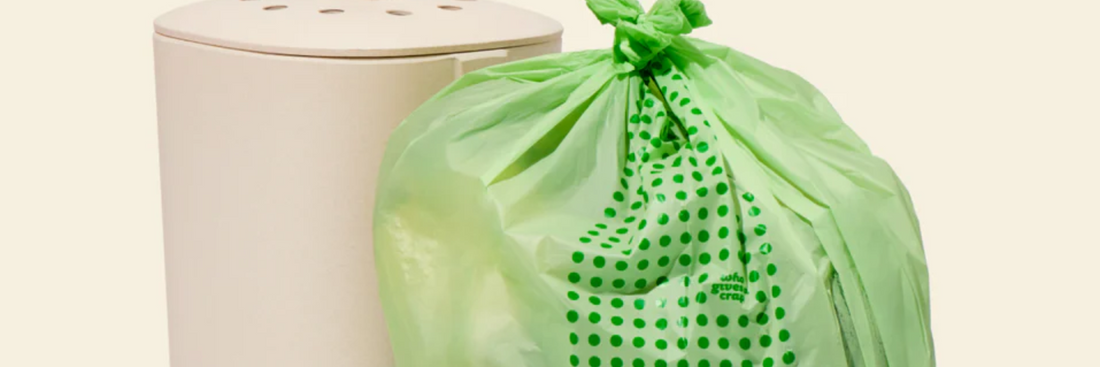
Are you looking for a simple way to reduce your impact on the planet? Using biodegradable trash bags is a smart step you can take right now.
But to get the most out of them, you need to use them correctly. You’ll discover easy and practical tips that make your trash routine greener and more effective. Keep reading to learn how you can make a real difference with every bag you throw away.
Choosing The Right Biodegradable Bags
Biodegradable trash bags are a great way to reduce waste. They break down naturally, helping the environment. Choose the right bags for your needs to make a positive impact.
It is important to know what to look for in biodegradable bags. This guide will help you pick the best options for your home.
Materials To Look For
Biodegradable bags can be made from different materials. Some common options include cornstarch and PLA. These materials break down easily in composting conditions.
Check the material when buying bags. It ensures they will decompose properly. This choice helps reduce plastic waste in landfills.
Certifications And Labels
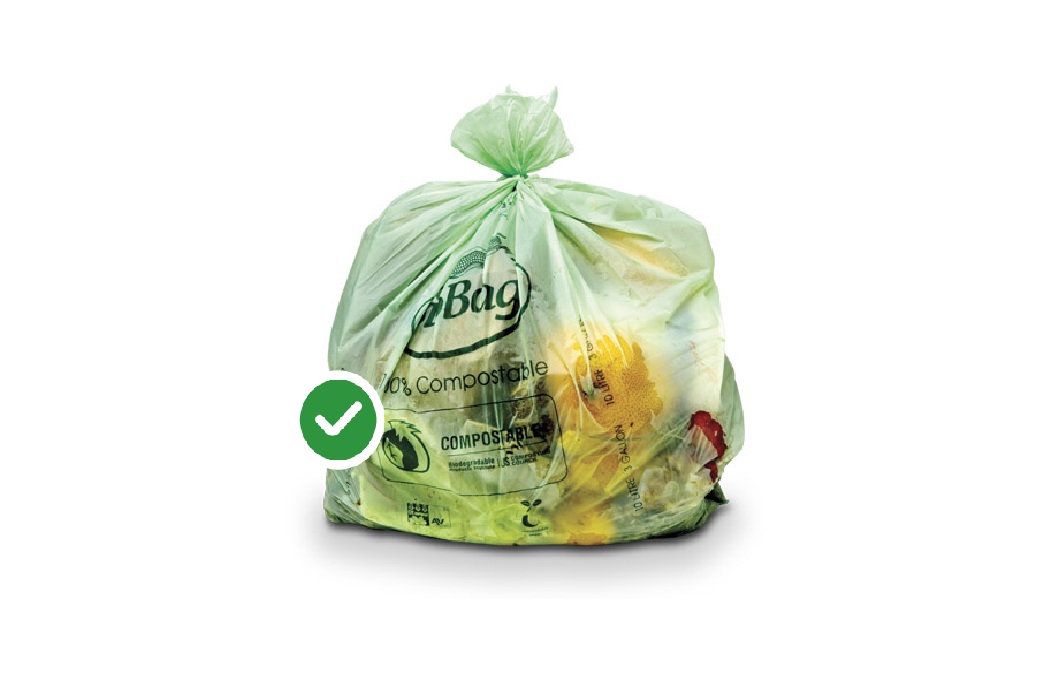
Look for certifications on the packaging. Labels like “Compostable” or “Biodegradable” are helpful. They guarantee the bag meets environmental standards.
- Check for ASTM D6400 or EN 13432 certifications
- Look for the BPI Compostable logo
- Ensure the bag is suitable for home composting
Size And Strength Considerations
Bags come in different sizes and strengths. Choose a size that fits your trash can. Stronger bags are better for heavier waste.
Consider how much waste you produce. This helps in selecting the right size and strength. It ensures the bags do not tear or leak.
Maximizing Bag Efficiency
Using biodegradable trash bags helps reduce waste pollution. To get the best use from these bags, it is important to use them correctly.
These tips will help you make sure your biodegradable bags last longer and work well.
Proper Bag Placement
Place the biodegradable bag inside the trash bin carefully. Make sure the bag fits the bin without stretching too much.
Secure the bag edges over the bin rim to keep it in place. This prevents the bag from slipping inside when you add trash.
- Use the right size bag for your bin
- Pull the bag edges over the rim evenly
- Avoid leaving gaps where trash can fall out
Avoid Overloading
Do not fill the biodegradable bag beyond its capacity. Overloading can cause the bag to tear or break.
Heavy or sharp items put extra pressure on the bag. Throw these items away carefully or wrap them before placing them inside.
- Fill bags only to about three-quarters full
- Handle sharp or heavy trash with care
- Distribute weight evenly inside the bag
Double Bagging When Needed
Sometimes one bag is not strong enough for certain trash. Double bagging adds extra protection and prevents leaks.
Use double bagging for wet, heavy, or messy garbage. This helps keep your bin clean and avoids spills.
- Place one biodegradable bag inside another
- Check for leaks before tying the bags
- Use double bags for liquids or food waste
Disposal Best Practices
Using biodegradable trash bags helps reduce plastic waste. Proper disposal ensures they break down correctly.
Follow simple steps to dispose of these bags in an eco-friendly way. This protects the environment and improves waste management.
Composting Options
Biodegradable bags can break down in compost systems. Check if your local compost facility accepts these bags.
Home composting works if the bags are certified compostable. Cut bags into small pieces for faster breakdown.
- Use bags labeled as compostable
- Place bags in your compost bin with food scraps
- Avoid bags with plastic liners
- Turn compost regularly to speed decomposition
Trash Sorting Tips
Sort your trash before throwing it away. Keep biodegradable bags separate from regular plastic waste.
Put biodegradable bags in green waste or organic bins if available. This helps the waste get processed correctly.
- Do not mix biodegradable bags with plastics
- Use separate bins for food waste and recyclables
- Check local rules for sorting biodegradable trash
Avoiding Contamination
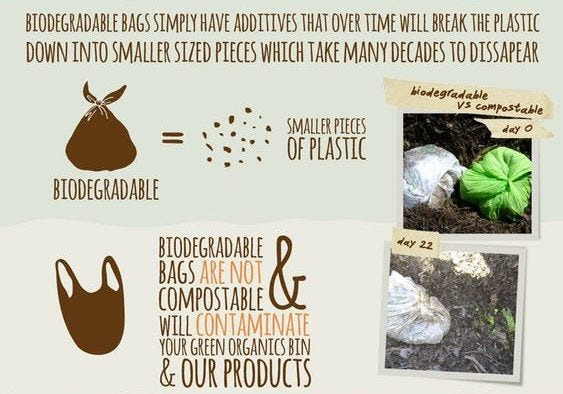
Keep biodegradable bags free from non-biodegradable items. Contamination stops proper breakdown and recycling.
Rinse food containers before placing them in biodegradable bags. Avoid putting plastic wrappers or metal pieces inside.
- Do not add plastic or metal waste in biodegradable bags
- Keep bags dry to prevent mold and bad smells
- Use bags only for compostable or organic waste
Credit: www.calgary.ca
Storage And Handling Tips
Biodegradable trash bags need care to keep them strong and fresh. Proper storage helps them last longer.
Handling these bags gently stops damage before use. Follow simple tips for best results.
Keeping Bags Fresh
Store bags in a cool, dry place away from sunlight. Heat and moisture break down the material early.
Keep bags in their original packaging until you use them. This helps keep out air and moisture.
- Avoid storing near heat sources like heaters or ovens
- Keep bags off the floor to prevent dampness
- Seal opened packages with clips or ties
Preventing Tears And Damage
Handle bags gently to avoid tears. Avoid sharp objects when filling bags.
Do not overfill bags. Overloading causes them to stretch and break more easily.
- Use bags for light to medium waste only
- Lift bags from the bottom, not the handles only
- Check bags for holes before use
Eco-friendly Habits To Pair
Using biodegradable trash bags is a smart step for the planet. Pairing them with good habits helps even more.
These habits reduce waste, save resources, and support eco-friendly choices every day.
Reducing Overall Waste
Cut down the trash you make before you use bags. Buy only what you need and avoid single-use items.
Sort your waste to recycle and compost more. This lowers how much goes into trash bags.
- Buy in bulk to reduce packaging
- Choose reusable containers instead of disposables
- Compost food scraps and yard waste
- Recycle plastics, paper, and metals properly
Reusing Bags Safely
Some biodegradable bags can be reused if clean and undamaged. This saves resources and reduces waste.
Use bags for light chores like carrying dry items or storage. Avoid using them for heavy or wet trash twice.
- Check bags for holes or tears before reuse
- Use clean bags for storing dry goods or recycling
- Do not reuse bags with food waste or liquids
- Recycle bags if they are no longer usable
Supporting Sustainable Brands
Choose brands that use eco-friendly materials and fair labor. This helps the environment and communities.
Look for labels that say biodegradable, compostable, or certified by trusted groups.
- Buy bags made from plant-based materials
- Check for certifications like ASTM D6400 or EN 13432
- Support companies with transparent sustainability policies
- Avoid products with harmful chemicals or plastics

Credit: drearth.co.in
Credit: nativejar.medium.com
Frequently Asked Questions
What Are Biodegradable Trash Bags Made Of?
Biodegradable trash bags are made from plant-based materials like cornstarch or vegetable oils. They break down naturally in the environment. These bags reduce plastic waste and are eco-friendly alternatives to traditional plastic bags.
How To Dispose Of Biodegradable Trash Bags Properly?
Dispose of biodegradable trash bags in compost bins or organic waste facilities. Avoid placing them in regular recycling bins, as they require specific conditions to break down. Proper disposal ensures they decompose efficiently and benefit the environment.
Can Biodegradable Trash Bags Hold Heavy Waste?
Yes, many biodegradable trash bags are designed to hold heavy waste. Check the product’s strength rating before use. They are sturdy enough for typical household trash but may vary by brand and material composition.
Are Biodegradable Trash Bags Cost-effective?
Biodegradable trash bags can be slightly more expensive than plastic ones. However, their environmental benefits often outweigh the cost difference. Buying in bulk and choosing trusted brands can help save money.
Conclusion
Using biodegradable trash bags helps protect the planet daily. They break down faster than regular plastic bags. Always check the bag’s instructions before use. Avoid overloading bags to prevent tears and spills. Store them in a cool, dry place to keep their strength.
Choosing these bags reduces landfill waste and plastic pollution. Small changes at home create a big impact on the environment. Keep using biodegradable bags and share tips with friends. Together, we can make waste disposal greener and cleaner. Simple steps lead to a healthier Earth for everyone.