

Are you looking for simple ways to make your daily habits kinder to the planet? Using biodegradable straws is a great start, but are you sure you’re getting the most out of them?
You’ll discover easy tips to use biodegradable straws effectively, helping you reduce waste without any hassle. Keep reading to learn how small changes in how you use these straws can make a big difference for the environment—and for your peace of mind.

Credit: www.bambuhome.com
Choosing The Right Biodegradable Straw
Biodegradable straws are a good choice to help reduce plastic waste. Picking the right straw means thinking about the material, how long it lasts, and if it is truly eco-friendly.
Using straws that break down quickly protects the environment. The right choice also makes your drink experience better and safer.
Materials To Consider
Biodegradable straws come from different materials. Some common types are paper, bamboo, and plant-based plastics. Each has pros and cons for taste and use.
- Paper:Breaks down fast but can get soggy.
- Bamboo:Natural and strong but may have a rough texture.
- Plant-based plastics:Clear and smooth but need special composting.
Durability And Usability
Choose straws that hold up well with your drinks. Some straws soften or fall apart quickly in hot or cold liquids. Others stay firm longer.
Think about the type of drinks you will use the straw for. Pick a straw that works well with both cold and hot drinks if needed.
- Check if the straw keeps its shape in liquids
- Make sure the straw is easy to sip through
- Look for straws that do not change taste
Certification And Labels
Look for certifications to confirm the straw is biodegradable. Labels can show if the straw meets environmental standards. This helps avoid greenwashing.
Common certifications include compostable logos or bio-based product seals. These labels mean the straw breaks down safely in nature or compost sites.
- Check for ASTM D6400 or EN 13432 compostable standards
- Look for labels like “certified compostable”
- Verify if local compost programs accept the straw
Proper Usage Tips
Biodegradable straws are a great eco-friendly option. They decompose easily and reduce plastic waste. To make the most of them, follow these usage tips.
Learning how to use biodegradable straws properly can save you money. It can also ensure a pleasant drinking experience.
Avoiding Damage
Biodegradable straws can get damaged if not handled carefully. Here are some tips to avoid that.
- Store straws in a cool, dry place
- Avoid bending the straw too much
- Do not use in very hot drinks
Best Practices For Different Drinks
Different drinks might need different straw types. Knowing which straw to use can make your drink more enjoyable.
- Use thicker straws for smoothies
- Thin straws work well with sodas
- Choose wide straws for milkshakes
Maximizing Lifespan
To maximize the lifespan of biodegradable straws, you need to handle them properly. This also helps keep them eco-friendly.
Reuse the straw if possible. Always dispose of it in compostable waste after use.
Cleaning And Maintenance
Biodegradable straws need care to stay clean and last longer. Proper cleaning keeps them safe to use.
Good maintenance helps avoid bad smells and buildup inside the straw. This guide shares simple tips.
Safe Cleaning Methods
Use warm water and mild soap to clean biodegradable straws. Avoid harsh chemicals that can damage them.
Use a soft brush or straw cleaner to remove dirt inside. Rinse well to remove soap.
- Wash straws right after use
- Do not scrub with hard brushes
- Use natural or gentle soap only
- Rinse thoroughly with clean water
- Dry completely before storing
Storage Recommendations
Store straws in a dry place to avoid mold growth. Keep them away from heat and sunlight.
Use a clean container or pouch to keep straws dust-free. Avoid airtight containers if straws are damp.
- Dry straws fully before storing
- Choose breathable containers
- Keep away from direct sunlight
- Store at room temperature
When To Replace Straws
Replace biodegradable straws if they become soft, cracked, or have a bad smell. These signs show the straw is worn out.
Do not use straws that look damaged or discolored. Fresh straws work better and are safer for health.
- Replace after visible damage
- Replace if smell or taste changes
- Use only clean, dry straws
- Discard straws after long storage

Credit: www.singreenpackage.com
Disposal And Composting
Biodegradable straws break down naturally. Proper disposal helps them decompose faster.
Knowing how to compost or dispose of them keeps the environment clean.
Home Composting Tips
Biodegradable straws can break down in home compost bins. Cut them into small pieces first.
Keep the compost moist and turn it often to speed up decay.
- Break straws into smaller parts
- Keep compost damp, not too wet
- Turn compost weekly for oxygen
- Mix straws with food scraps and leaves
Industrial Composting Options
Some biodegradable straws need industrial composting facilities to break down fully. These places use high heat and humidity.
Check local waste services to find out if they accept these straws for composting.
- Look for industrial compost bins or centers
- Ask local waste management about rules
- Drop off straws at approved compost sites
- Avoid placing straws in regular trash
Avoiding Contamination
Do not throw biodegradable straws with plastic or metal trash. Contamination harms compost quality.
Remove any food or drink residue before disposal. Clean straws break down better.
- Separate straws from non-compostable waste
- Rinse straws to remove liquids
- Do not mix with plastic straws or wrappers
- Follow local composting guidelines
Incorporating Biodegradable Straws In Daily Life
Biodegradable straws help reduce plastic waste. They break down naturally and protect the environment.
You can use biodegradable straws every day. Small changes add up to big benefits for the planet.
Using Straws At Home
Start by replacing plastic straws with biodegradable ones at home. Keep them in the kitchen for easy access.
Use straws for cold drinks like juices and smoothies. Clean and reuse some types if possible.
- Store straws in a visible container
- Use straws only when needed
- Choose straws made from paper, bamboo, or wheat
Eco-friendly Choices In Restaurants
Ask if the restaurant offers biodegradable straws. Many places now provide eco-friendly options.
If they don’t have them, suggest using biodegradable straws. This helps reduce plastic pollution from food services.
- Choose restaurants with green policies
- Bring your own biodegradable straw when dining out
- Support places that reduce single-use plastics
Encouraging Others To Switch
Share your experience with biodegradable straws. Tell friends and family why you use them.
Offer them biodegradable straws to try. Small actions can inspire many people to change habits.
- Explain the benefits for the environment
- Show how easy it is to use biodegradable straws
- Organize small events or talks on eco-friendly products
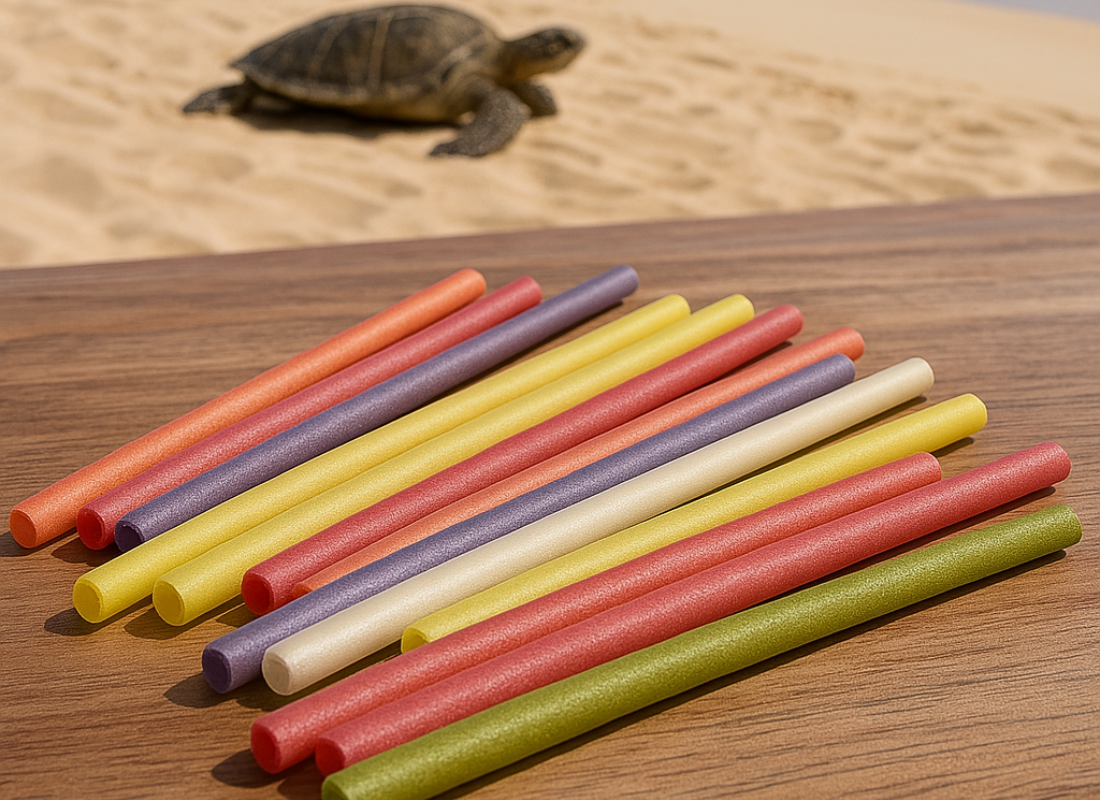
Credit: www.thehappyturtlestraw.com
Creative Uses Beyond Drinking
Biodegradable straws do more than help the environment. You can use them for fun and useful projects.
These straws are safe to use in crafts, gardens, and learning activities. They break down naturally over time.
Craft Ideas
Biodegradable straws are great for making simple crafts. Their sturdy shape works well for building and decorating.
You can cut and paint the straws to create colorful art projects. They are perfect for kids to use safely.
- Build miniature structures or models
- Create jewelry like bracelets or necklaces
- Make decorative garlands and mobiles
- Use as stems for paper flowers
Garden Applications
Biodegradable straws can help in the garden. They support young plants and help with watering.
Insert straws into the soil to guide plant growth or use them to label seedlings. They will break down naturally.
- Use as plant supports or stakes
- Create markers by writing plant names on straws
- Help water plants by directing flow
- Make seedling cages to protect from pests
Educational Projects
Teachers and parents can use biodegradable straws for science and art lessons. They show how eco-friendly materials work.
Students can build models or do experiments that teach about recycling and nature. The straws are safe and easy to use.
- Build bridges or towers for physics lessons
- Make models of molecules or cells
- Use in art projects about nature
- Teach about composting and biodegradability
Frequently Asked Questions
What Are Biodegradable Straws Made From?
Biodegradable straws are typically made from plant-based materials like cornstarch, paper, or bamboo. These materials break down naturally. They reduce plastic waste and environmental pollution effectively.
How To Properly Dispose Of Biodegradable Straws?
Dispose of biodegradable straws in compost bins or organic waste containers. Avoid throwing them in regular trash or recycling bins. Proper disposal ensures quick decomposition and reduces landfill waste.
Are Biodegradable Straws Safe For Hot Drinks?
Yes, most biodegradable straws are designed to withstand hot beverages. However, check the product label for temperature limits. Using appropriate straws enhances safety and maintains straw integrity.
Can Biodegradable Straws Be Reused?
Generally, biodegradable straws are intended for single use. Reusing may cause them to break down or harbor bacteria. For better hygiene, use reusable straws made from metal or silicone.
Conclusion
Using biodegradable straws helps protect our planet every day. Choose straws made from natural materials like paper or bamboo. Dispose of them properly so they break down quickly. Small changes add up to big differences over time. Keep these tips in mind to reduce plastic waste.
Every step counts toward a cleaner environment. Make biodegradable straws part of your routine now. Simple actions can lead to a healthier Earth for all.