

Are you looking for a simple way to reduce plastic waste in your kitchen? Biodegradable food wraps might be just what you need.
These wraps protect your food while being kind to the environment. But using them the right way can make all the difference. You’ll discover easy tips to get the most out of your biodegradable food wraps. Keep reading to learn how you can save money, keep your food fresh longer, and help the planet—all at the same time.

Credit: www.naturebeewraps.ca
Choosing The Right Biodegradable Wrap
Biodegradable food wraps are eco-friendly alternatives. They help reduce plastic waste. Choosing the right wrap is important for effective use.
Consider the type, material, and where to buy them. This ensures you make the best choice for your needs.
Types Of Biodegradable Wraps
There are different kinds of biodegradable wraps. Each type serves a specific purpose. Knowing them helps you pick the right one.
- Beeswax wraps: Great for covering bowls and wrapping food.
- Plant-based wraps: Suitable for vegans and biodegradable.
- Compostable paper wraps: Ideal for sandwiches and snacks.
Material Benefits
The material of the wrap affects its usability. Some materials offer unique benefits. Choose the material that meets your needs.
Biodegradable wraps are often made from natural materials. These materials are safe for the environment and food.
- Beeswax: Naturally antibacterial and reusable.
- Plant-based: Made from renewable resources.
- Compostable paper: Breaks down easily in compost.
Where To Buy
Finding the right place to buy biodegradable wraps is crucial. Many stores and online shops offer them.
Look for eco-friendly shops or sections in big stores. Online marketplaces also have a variety of options.
- Local eco-friendly stores: Support small businesses.
- Online marketplaces: Amazon, Etsy, and more.
- Supermarkets: Some have dedicated eco-friendly sections.
Preparing Food For Wrapping
Using biodegradable food wraps helps keep food fresh and reduces plastic waste. Proper preparation of food ensures the wrap works well and lasts longer.
Cleaning and drying food before wrapping prevents spoilage. Cutting the wrap to size saves material and makes wrapping easier.
Cleaning And Drying
Always wash fruits, vegetables, or leftovers before wrapping. Clean food reduces bacteria and keeps the wrap cleaner.
Dry food with a clean cloth or paper towel. Moisture can make the wrap sticky or cause food to spoil faster.
- Rinse food under cold water
- Use a soft brush for firm skins
- Pat dry gently to remove water
- Avoid wrapping wet food directly
Cutting To Size
Cut the biodegradable wrap to fit the food size. This prevents waste and keeps food sealed better.
Use scissors or a sharp knife for clean cuts. Measure the food and add a little extra for folding.
- Place food on the wrap before cutting
- Leave about 2 inches extra on all sides
- Cut straight edges for neat folds
- Store leftover wrap in a dry place
Wrapping Techniques For Freshness
Biodegradable food wraps help keep food fresh longer. Using the right wrapping techniques improves freshness and reduces waste.
Learn simple ways to wrap food tightly and prevent spills. Proper wrapping also protects food from drying out or losing flavor.
Sealing Methods
Good sealing stops air from getting inside the wrap. This keeps food fresh and stops it from spoiling quickly.
Press the wrap firmly around the food or container edges. Use the natural stickiness of the wrap to close openings tightly.
- Fold edges over twice for a stronger seal
- Press firmly to remove air pockets
- Use heat from your hands to soften the wrap slightly
- Avoid stretching the wrap too much to keep it sticky
Avoiding Leaks And Spills
Leakage happens when wraps are loose or torn. Use careful wrapping to stop leaks and spills during storage or transport.
Cover all openings fully and check for holes or weak spots. Use extra wrap if needed for liquids or juicy foods.
- Wrap containers with tight folds around the edges
- Add an extra layer for wet or runny foods
- Place wrapped food on a flat surface to avoid tipping
- Store wrapped items upright to prevent spills

Credit: xoxobella.com
Storing Wrapped Food
Biodegradable food wraps are great for keeping food fresh. They help reduce plastic waste.
Proper storage keeps your food safe and tasty. It also helps the wraps last longer.
Refrigeration Tips
Keep wrapped food in the fridge to slow spoilage. Make sure the wrap covers the food well.
Do not store food with moisture on the wrap. It can cause the wrap to break down faster.
- Use wraps on fresh fruits and vegetables.
- Avoid wrapping hot food directly; let it cool first.
- Check the wrap for tears before use.
- Keep wrapped food away from strong-smelling items.
Freezing Guidelines
Biodegradable wraps are not all made for freezing. Check the product’s instructions first.
If safe, wrap food tightly to prevent freezer burn. Use an extra layer if needed.
- Wrap fruits and vegetables in dry wraps before freezing.
- Use paper or cloth wraps for freezer storage if allowed.
- Label food with date before freezing.
- Thaw wrapped food in the fridge to keep it safe.
Cleaning And Reusing Wraps
Biodegradable food wraps help reduce plastic waste. You can clean and reuse them many times.
Proper care keeps wraps fresh and extends their life. Follow simple steps to wash and store them.
Washing Instructions
Wash wraps with cool water and mild soap after use. Avoid hot water because it can damage the wrap.
Gently rub the wrap to remove food bits. Do not scrub hard or use harsh chemicals.
- Use cool or lukewarm water
- Choose mild, unscented soap
- Rub gently with soft cloth or hands
- Do not use scrubbers or sponges
- Air dry completely before storing
Storage Between Uses
Store dry wraps in a cool, clean place. Avoid folding them tightly to keep their shape.
Keep wraps away from heat and direct sunlight. Use a breathable container or paper bag for storage.
- Ensure wraps are fully dry
- Store in a cool, dry spot
- Use a breathable container or paper bag
- Avoid folding or creasing sharply
- Keep away from heat and sunlight
Disposing Biodegradable Wraps
Biodegradable food wraps break down naturally after use. Proper disposal helps reduce waste and protect nature.
Knowing how to dispose of these wraps is important for a cleaner environment. Let’s explore the best ways.
Composting Options
Many biodegradable wraps can go into compost bins. Composting turns organic waste into useful soil.
Check if your wrap is certified compostable. Avoid throwing it in regular trash or recycling bins.
- Use a home compost bin for small amounts
- Bring wraps to community compost centers
- Avoid composting if wrap has food residue or oils
- Follow local composting guidelines for best results
Environmental Impact
Biodegradable wraps reduce plastic waste and pollution. They help keep oceans and land cleaner.
Proper disposal speeds up their breakdown and lowers greenhouse gas emissions. Avoid burning these wraps.
- Reduces landfill waste
- Limits harmful plastic pollution
- Supports soil health through composting
- Prevents toxic chemical release
Common Mistakes To Avoid
Using biodegradable food wraps helps reduce plastic waste. Still, some mistakes can reduce their effectiveness.
Avoid these common errors to keep your food fresh and protect the wrap.
Using On Hot Surfaces
Do not place biodegradable food wraps on hot pans or surfaces. Heat can melt or damage the wrap.
Always wait for food to cool before covering it with the wrap. This keeps the wrap safe and food fresh.
- Heat weakens the wrap’s material
- Damage may cause leaks or tears
- Wrap could stick to hot surfaces
- Food safety may be affected
Excessive Moisture Exposure
Too much moisture can break down biodegradable wraps quickly. Avoid wrapping wet or very damp food directly.
Pat food dry before wrapping. This helps the wrap last longer and protects your food better.
- Moisture weakens the wrap’s strength
- Wrap may lose stickiness and slip off
- Food could spoil faster
- Wrap may tear more easily
Benefits Of Switching To Biodegradable Wraps
Biodegradable food wraps offer a better way to store food. They break down naturally and reduce harm to the planet.
Switching to these wraps helps protect the environment and keeps food fresh without using plastic.
Reducing Plastic Waste
Plastic waste harms oceans and land. Biodegradable wraps decompose faster and do not pollute the earth.
Using biodegradable wraps lowers the amount of plastic thrown away. This helps keep nature clean and safe.
- Break down naturally in compost
- Reduce landfill waste
- Lower plastic pollution in water and soil
Health And Safety Advantages
Biodegradable wraps are made from natural materials. They do not release harmful chemicals into food.
These wraps keep food fresh without the risks linked to plastic chemicals. They are safer for daily use.
- Free from toxic plastics
- Safe for storing all types of food
- Reduce risk of chemical exposure
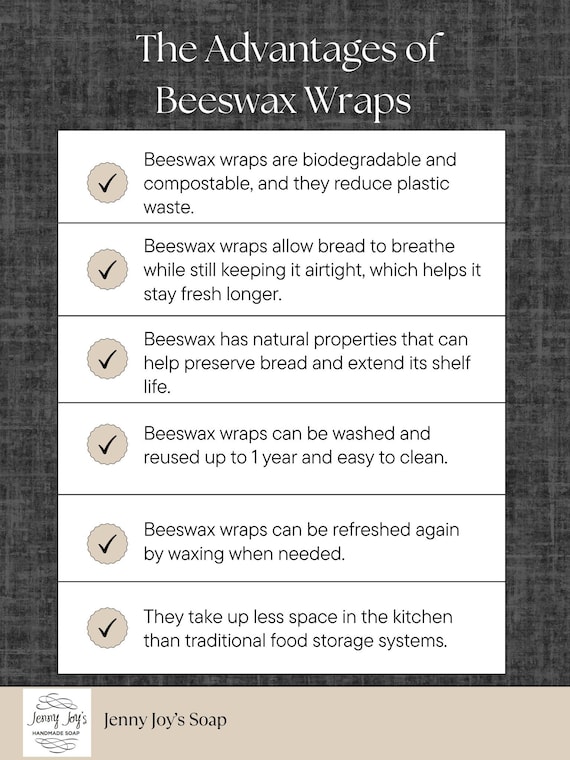
Credit: www.etsy.com
Frequently Asked Questions
What Are Biodegradable Food Wraps Made Of?
Biodegradable food wraps are typically made from natural materials like beeswax, cotton, and plant-based oils. These wraps are eco-friendly and decompose quickly, reducing plastic waste. They are safe for food storage and help keep food fresh without harmful chemicals.
How Do I Clean Biodegradable Food Wraps Properly?
To clean biodegradable food wraps, gently hand wash them with cold water and mild soap. Avoid hot water and dishwashers, as heat can damage the wrap’s coating. Let them air dry completely before storing to maintain their longevity and effectiveness.
Can Biodegradable Wraps Replace Plastic Wrap Completely?
Yes, biodegradable wraps can replace plastic wrap for most food storage needs. They are reusable, breathable, and suitable for wrapping fruits, vegetables, and sandwiches. However, avoid using them for raw meat or highly moist foods to prevent contamination.
How Long Do Biodegradable Food Wraps Last?
Biodegradable food wraps typically last 6 to 12 months with proper care. Their lifespan depends on frequency of use and cleaning methods. Replace them once they lose stickiness or develop cracks to ensure food safety and freshness.
Conclusion
Biodegradable food wraps help reduce plastic waste in kitchens. They keep food fresh and are easy to use. Remember to clean and dry wraps before storing them. Store wraps away from heat to keep them strong. Using these wraps supports a healthier planet for everyone.
Small changes add up to big benefits over time. Start using biodegradable wraps and see the difference today. Simple steps make your kitchen eco-friendly and safe.