
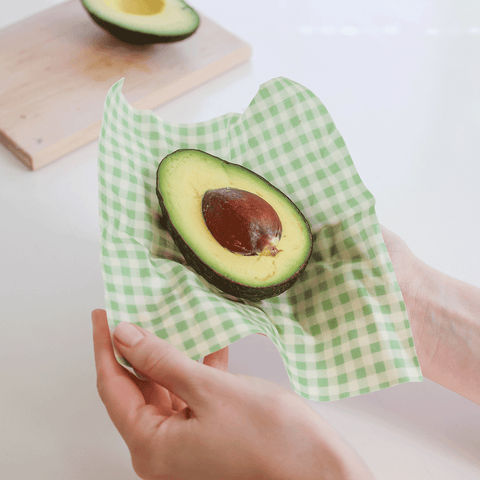
Are you looking for a simple way to reduce plastic waste in your kitchen? Biodegradable food wraps might be exactly what you need.
These eco-friendly alternatives keep your food fresh while helping the planet. But to get the most out of them, you need to use them the right way. You’ll discover easy tips that make using biodegradable food wraps simple and effective.
Keep reading to learn how small changes in your daily routine can make a big difference for you and the environment.
Choosing The Right Biodegradable Wrap
Biodegradable food wraps help reduce plastic waste. Picking the right wrap keeps food fresh and safe.
Consider the type, materials, and food suitability before buying. This helps you make a smart choice.
Types Of Biodegradable Wraps
There are many kinds of biodegradable wraps. Each type works best for different uses.
- Beeswax wraps: made from cotton and beeswax
- Plant-based wraps: made from materials like soy or cornstarch
- Cellulose wraps: made from wood pulp or plant fibers
- Compostable plastic wraps: made from plant polymers
Materials And Ingredients
Look for natural and safe ingredients in wraps. Avoid chemicals that can harm food or health.
- Cotton fabric coated with beeswax or plant wax
- Plant starches such as cornstarch or tapioca
- Natural oils like jojoba or coconut oil
- Wood pulp or cellulose fibers
Check if the wrap is free from harmful plastics or synthetic additives. This ensures it breaks down easily.
Suitability For Different Foods
Choose wraps based on the food type. Some wraps work better with dry foods, others with moist items.
- Beeswax wraps suit cheese, bread, and fruits
- Plant-based wraps are good for vegetables and snacks
- Cellulose wraps work well for sandwiches and baked goods
- Compostable plastic wraps fit for wrapping meat or fish
Remember to avoid wraps with heat or liquids if not recommended. Use them as directed for best results.
Preparing Food For Wrapping
Biodegradable food wraps are an eco-friendly choice for keeping food fresh. They are reusable and reduce plastic waste.
To make the most of these wraps, it’s important to prepare your food properly. Here are some tips to help you.
Cleaning And Drying
Before using biodegradable wraps, make sure your food is clean. Wash fruits and vegetables thoroughly.
Dry the food completely to prevent mold growth. Use a clean towel or paper towel for drying.
- Wash hands before handling food
- Use a clean surface for drying
- Ensure no water droplets remain
Cutting To Size
Biodegradable wraps come in various sizes. Pick the right size to avoid waste.
Measure the food and cut the wrap to fit snugly. This keeps air out and food fresh.
| Food Type | Wrap Size |
| Sandwiches | Small |
| Vegetables | Medium |
| Bowls | Large |
Avoiding Moisture Issues
Moisture can reduce the effectiveness of biodegradable wraps. Keep food as dry as possible.
Store food in a cool, dry place. Avoid wrapping hot or steamy items immediately.
- Let cooked food cool before wrapping
- Use absorbent liners for juicy foods
- Check for leaks regularly
Effective Wrapping Techniques
Using biodegradable food wraps helps keep food fresh and reduces waste. Learning good wrapping techniques can improve their performance.
These tips focus on sealing, layering, and handling delicate items to get the best results with biodegradable wraps.
Sealing Methods
Sealing food properly prevents air from spoiling it. Biodegradable wraps stick best with gentle pressure and warmth from your hands.
Press the edges firmly to close the wrap tightly around the food or container.
- Use your palms to warm the wrap slightly for better stickiness.
- Fold edges over twice to create a strong seal.
- Avoid stretching the wrap too much to keep it intact.
Layering For Freshness
Layering food with biodegradable wrap helps keep moisture and odors in. Use multiple layers for extra protection.
Wrap large or strong-smelling foods separately to avoid mixing smells or flavors.
- Start with a base layer directly on the food.
- Add a second layer to cover and seal completely.
- Use extra wrap for food with strong smells or moisture.
Handling Delicate Items
Delicate foods like berries or soft cheese need gentle wrapping. Avoid pressing too hard to keep their shape.
Fold the wrap lightly around the food without squeezing or flattening it.
- Use small pieces of wrap for fragile items.
- Cover without tight folds to avoid damage.
- Place wrapped items in a container for extra support.

Credit: www.naturebeewraps.ca
Cleaning And Maintaining Wraps
Biodegradable food wraps need gentle care to stay useful longer. Proper cleaning and storage keep them fresh and safe.
Learn easy ways to wash, dry, and store your wraps. This helps reduce waste and saves money.
Washing Tips
Wash your biodegradable wraps by hand with cool water. Avoid hot water, which can damage the wrap.
Use mild soap or a gentle detergent. Harsh chemicals can wear out the material fast.
- Rinse well to remove all soap
- Do not scrub hard or use abrasive sponges
- Never put wraps in the dishwasher
Drying And Storage
After washing, air dry the wraps completely. Lay them flat or hang them to avoid wrinkles.
Store wraps in a cool, dry place. Keep them away from direct sunlight and heat sources.
- Do not fold wraps tightly to prevent cracks
- Use a clean container or drawer for storage
- Avoid storing near strong smells
Extending Lifespan
Use your wraps gently to avoid tears or holes. Treat them like fabric, not plastic.
Rotate wraps often to give each one a break. Replace them if they lose stickiness or get damaged.
- Keep wraps away from heat and moisture when not in use
- Do not wrap raw meat directly to avoid contamination
- Store wraps flat to keep shape
Composting And Disposal
Biodegradable food wraps help reduce plastic waste. Proper composting and disposal keep them eco-friendly.
Learn how to recognize compostable wraps and handle them correctly at home.
Recognizing Compostable Wraps
Compostable wraps often have labels or symbols. Look for terms like “compostable” or “biodegradable.”
These wraps break down naturally in compost and do not leave harmful residue.
- Check for certification logos like “OK Compost” or “Compost Certified”
- Read the packaging for disposal instructions
- Avoid wraps with plastic or wax coatings
Home Composting Tips
Cut biodegradable wraps into smaller pieces before adding them to compost. This speeds up breakdown.
Keep your compost moist and turn it regularly. This helps the wraps decompose faster.
- Mix wraps with food scraps and yard waste
- Avoid adding large amounts at once
- Do not compost wraps with food contamination if unsure
Disposal Do’s And Don’ts
Do dispose of biodegradable wraps in compost bins if allowed. Do check local guidelines first.
Don’t throw compostable wraps in regular trash or recycling bins. This causes contamination.
- Do confirm if your community accepts compostable wraps
- Don’t mix wraps with plastic waste
- Do rinse wraps lightly if needed before composting

Credit: xoxobella.com
Benefits Of Biodegradable Wraps
Biodegradable food wraps are a smart choice for storing food. They break down naturally and help reduce waste.
These wraps protect your food while being kind to the planet. They offer many advantages over plastic wraps.
Environmental Impact
Biodegradable wraps reduce plastic waste that harms the environment. They break down faster than regular plastic.
Using these wraps helps keep oceans and land clean. They lower pollution and protect wildlife.
- Decompose naturally in compost or soil
- Reduce landfill waste volume
- Lower carbon footprint compared to plastic
- Prevent microplastic pollution
Health Advantages
Biodegradable wraps often use natural materials that do not contain harmful chemicals. They keep food fresh without toxins.
These wraps reduce the risk of chemicals leaching into your food. They are safe for daily use with fruits, vegetables, and bread.
- Free from BPA and other plastics
- Non-toxic and food-safe materials
- Help maintain food quality and flavor
- Good for people with chemical sensitivities
Cost Considerations
Biodegradable wraps can cost more than plastic wraps at first. But they save money by lasting longer with care.
They reduce waste costs by being reusable and compostable. Over time, they can be a budget-friendly option.
- Reusable for several uses
- Reduce need for frequent replacements
- Lower waste disposal costs
- Support sustainable spending habits
Common Mistakes To Avoid
Biodegradable food wraps are great for the environment. Using them the right way helps them last longer. Avoid common mistakes to get the best use out of these wraps.
Knowing how to handle these wraps keeps your food fresh and safe. Let’s look at some mistakes people make often.
Using With Hot Foods
Do not use biodegradable wraps on hot foods. Heat can melt or damage the wrap. This reduces its ability to protect your food.
Wait for food to cool before wrapping it. Hot steam can also harm the wrap. Always check the temperature first.
Improper Cleaning
Cleaning biodegradable wraps incorrectly can shorten their life. Avoid strong soaps or hot water. These can break down the material.
Use cool water and mild soap to clean the wrap. Gently wipe or rinse it. Then air dry completely before storing.
- Do not scrub hard
- Avoid harsh detergents
- Do not soak for long
- Dry fully before use
Misidentifying Material Types
Not all biodegradable wraps are the same. Some are made from beeswax, others from plant fibers. Each type needs special care.
Read the label to know your wrap’s material. Using the wrong cleaning or storage method can ruin it quickly.
- Beeswax wraps should not be heated
- Plant-based wraps may need gentle washing
- Check if wraps are compostable or reusable
- Follow care instructions on the package
Credit: www.tasteofhome.com
Frequently Asked Questions
What Are Biodegradable Food Wraps Made Of?
Biodegradable food wraps are typically made from natural materials like beeswax, cotton, and plant-based oils. These materials break down naturally, reducing environmental impact compared to plastic wraps. They are safe for food use and help preserve freshness effectively.
How Do I Clean Biodegradable Food Wraps?
To clean biodegradable wraps, gently wash them with cool water and mild soap. Avoid hot water, which can damage the wrap. Let them air dry completely before reuse to maintain their shape and effectiveness.
Can Biodegradable Wraps Replace Plastic Wraps Completely?
Yes, biodegradable wraps can replace plastic wraps for many uses. They work well for covering bowls, wrapping sandwiches, and storing produce. However, they may not be ideal for all freezer uses or extremely wet foods.
Are Biodegradable Food Wraps Reusable?
Biodegradable food wraps are reusable multiple times with proper care. After use, clean and dry them thoroughly. Their lifespan depends on usage frequency and maintenance, but they typically last several months.
Conclusion
Biodegradable food wraps offer a smart way to reduce waste. They keep food fresh and help the planet. Use them gently and clean properly to last longer. Store them in cool, dry places for best results. Choose wraps made from natural materials for safety.
Small changes like these make a big difference over time. Try these tips to enjoy eco-friendly food storage every day. Simple habits protect the earth and your health.