
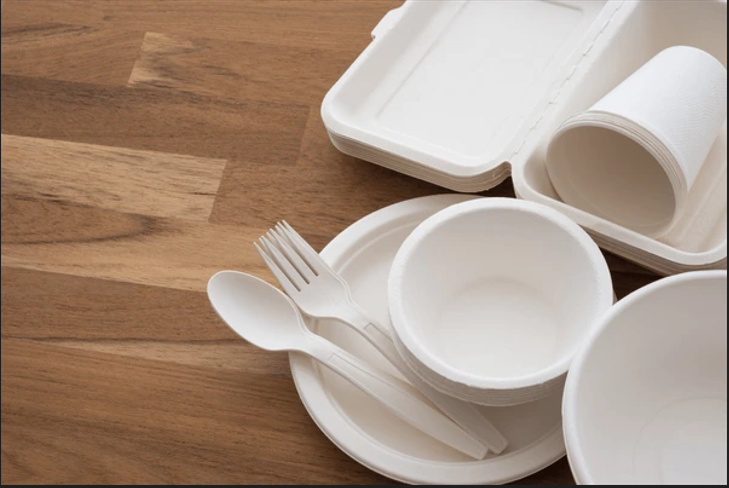
Are you ready to make a simple change that can have a big impact on the environment? Using biodegradable cups and plates is a smart way to reduce waste and protect the planet.
But to get the most out of them, there are some key tips you should know. You’ll discover easy and practical advice that helps you use these eco-friendly products effectively, so you can enjoy your meals without harming nature. Keep reading to learn how small habits can lead to a greener lifestyle—and why every choice you make matters more than you think.
Choosing The Right Biodegradable Products
Biodegradable cups and plates help reduce waste. Choosing the right products is key to making a positive impact.
Understand what makes a product truly biodegradable. This helps you select eco-friendly options for your needs.
Materials To Consider
Biodegradable products can be made from various materials. Each material has its own benefits and drawbacks.
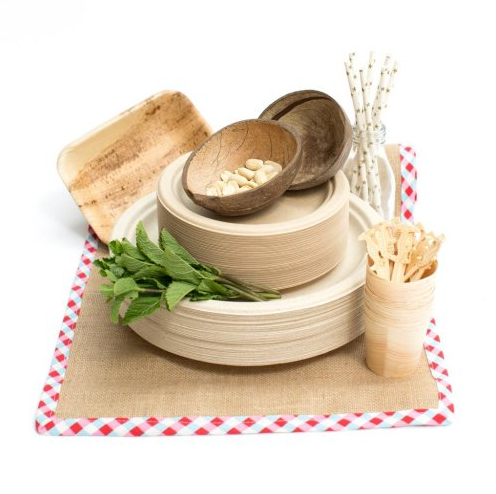
- Plant-based materials like cornstarch break down quickly.
- Bamboo is strong and grows fast.
- Bagasse, a sugarcane byproduct, is sturdy and compostable.
Certifications To Look For
Certifications ensure that products meet eco-friendly standards. Look for labels that guarantee biodegradability.
- Look for BPI (Biodegradable Products Institute) certification.
- USDA BioPreferred label indicates biobased content.
- OK Compost certifies compostability in industrial facilities.
Avoiding Hidden Plastics
Some products may contain hidden plastics. It’s important to avoid these to ensure true biodegradability.
- Check for PLA, a plant-based plastic, which may not decompose easily.
- Avoid products labeled as “biodegradable” without clear certifications.
- Read ingredient lists carefully to spot synthetic materials.

Credit: cen.acs.org
Proper Usage For Maximum Eco Benefits
Biodegradable cups and plates help reduce plastic waste and protect the environment. Using them correctly makes sure they break down properly.
Follow simple tips to get the best eco benefits from these products. Proper use helps reduce landfill waste and pollution.
Serving Tips To Reduce Waste
Serve food and drinks carefully to avoid spills and waste. Use the right size cups and plates for the portions.
Offer smaller portions or let people take extra if needed. This helps reduce leftover food and used items.
- Choose cup sizes matching drink amounts
- Use plates that fit the meal size
- Serve food in controlled portions
- Encourage guests to take only what they can eat
Handling And Storage Advice
Store biodegradable cups and plates in a dry, cool place. Keep them away from moisture and heat to maintain quality.
Handle items gently to avoid cracks or damage. Damaged products may not compost well and can cause waste.
- Keep packaging sealed until use
- Store away from direct sunlight
- Do not stack heavy items on top
- Handle with clean, dry hands
Avoiding Overuse And Waste
Do not use biodegradable cups and plates for every small occasion. Use them only when needed to reduce waste.
Reuse items if possible or choose reusable options for frequent use. This lowers overall waste and environmental impact.
- Plan events to use only necessary amounts
- Reuse clean items if safe and suitable
- Recycle or compost after use properly
- Mix with reusable tableware for daily use
Disposal Methods That Help The Environment
Biodegradable cups and plates break down naturally. Proper disposal helps them return to the earth safely.
Choosing the right disposal method reduces pollution and saves landfill space. It supports a cleaner planet.
Composting At Home
Composting at home is an easy way to dispose of biodegradable cups and plates. They turn into rich soil over time.
Make sure to cut or break the items into small pieces. This helps speed up the composting process.
- Use a compost bin or pile in your backyard
- Add green waste like fruit and vegetable scraps
- Turn the compost regularly to add air
- Avoid adding plastic or non-biodegradable items
Using Industrial Compost Facilities
Industrial compost facilities handle large amounts of biodegradable waste. They use high heat to break down materials faster.
Check if your local facility accepts biodegradable cups and plates. They often have special bins for these items.
- Look for community compost programs
- Separate biodegradable waste from trash
- Clean items before dropping them off
- Follow facility rules for proper disposal
Avoiding Landfills
Landfills slow down the breakdown of biodegradable items. They can cause harmful gases and pollution.
Try to keep biodegradable cups and plates out of the trash. Use composting or recycling options instead.
- Separate waste at home or work
- Use compost bins available in public spaces
- Educate others about proper disposal
- Support local programs that reduce landfill waste
Creative Hacks To Extend Product Life
Biodegradable cups and plates help reduce waste. They break down faster than plastic. You can also use them longer with some simple ideas. Extending their life lowers trash and saves money.
These creative tips help you reuse and repurpose biodegradable items. Try these easy hacks to get more use from your cups and plates.
Reusing Cups And Plates
Many biodegradable cups and plates are sturdy enough for multiple uses. Wash them gently with water after use. Avoid soaking to keep their shape. Use cups for cold drinks to last longer.
You can reuse plates for snacks or small meals. Keep them dry and store stacked carefully. Reusing cuts down on waste and saves resources.
- Rinse cups right after use
- Use mild soap and avoid scrubbing hard
- Store plates flat and dry
- Use cups for cold drinks only
Upcycling Ideas
Upcycling turns used biodegradable cups and plates into useful items. You can make plant pots by cutting cups and adding holes for drainage. Plates can become seed trays or small organizers.
Decorate the cups and plates with paint or markers. These upcycled items add charm and reduce waste in your home or garden.
- Cut cups to make small flower pots
- Poke holes for water drainage
- Use plates as seed starters
- Decorate with safe paints or markers
Craft Projects With Biodegradables
Biodegradable cups and plates are great for simple craft projects. Kids can make masks, collages, or decorations. Use glue, string, and safe paints to create fun items.
These crafts are eco-friendly and teach reuse. After use, the items will break down naturally without harming the environment.
- Make animal masks with plates
- Create garlands by cutting cups
- Use cups for pencil holders
- Paint and decorate for parties
Combining Biodegradables With Other Eco Practices
Using biodegradable cups and plates helps reduce waste. Pairing them with other eco-friendly habits makes a bigger impact.
Small changes in daily life add up. You can protect the environment by combining different green practices.
Pairing With Reusable Items
Use reusable cups and plates when possible. Save biodegradable items for times when reusables are not practical.
This mix helps cut down waste while staying convenient. Reusables reduce the need to throw away items after one use.
- Bring a reusable cup for coffee or water
- Use cloth napkins instead of paper ones
- Choose reusable cutlery for meals
- Reserve biodegradable plates for outdoor events
Reducing Overall Single-use Items
Limit single-use products to only what you need. Even biodegradable cups and plates should be used wisely.
Cutting down on all disposable items lowers waste and pollution. Think before grabbing another single-use item.
- Plan meals to avoid extra plates or cups
- Refill water bottles instead of using new cups
- Serve food in bulk instead of many small containers
Supporting Sustainable Brands
Choose biodegradable products made by companies that care for the planet. Check if they use eco-friendly materials and processes.
Buying from green brands supports better manufacturing. It helps the market grow for sustainable products.
- Look for certifications like compostable or recycled content
- Pick brands that reduce plastic and chemical use
- Support local companies to lower shipping impact
Credit: medium.com
Credit: www.tasteliving2019.com
Frequently Asked Questions
What Are The Benefits Of Using Biodegradable Cups And Plates?
Biodegradable cups and plates reduce plastic waste and pollution. They decompose naturally, protecting the environment. They are safe for composting and help conserve resources, making them a sustainable choice for eco-friendly living and events.
How To Properly Dispose Of Biodegradable Cups And Plates?
Dispose of biodegradable cups and plates in compost bins or organic waste containers. Avoid placing them in regular trash or recycling bins to ensure they break down effectively and contribute to soil enrichment.
Can Biodegradable Cups Handle Hot Beverages Safely?
Yes, many biodegradable cups are designed to handle hot beverages. They are made from materials like plant fibers that resist heat without leaking or melting, making them safe and convenient for serving coffee and tea.
Are Biodegradable Plates Microwave Safe?
Most biodegradable plates are microwave safe, but always check the manufacturer’s instructions. They can typically withstand short heating times without releasing harmful chemicals or losing shape, ideal for reheating food quickly.
Conclusion
Using biodegradable cups and plates helps protect the environment. They break down faster than plastic and reduce waste. Choose products made from natural materials like corn or bamboo. Always dispose of them properly to ensure they decompose well. These small changes make a big difference over time.
Enjoy your meals with less harm to the planet. Simple steps lead to a cleaner, greener future. Try these tips for easy and eco-friendly dining. Every effort counts in caring for our world.