
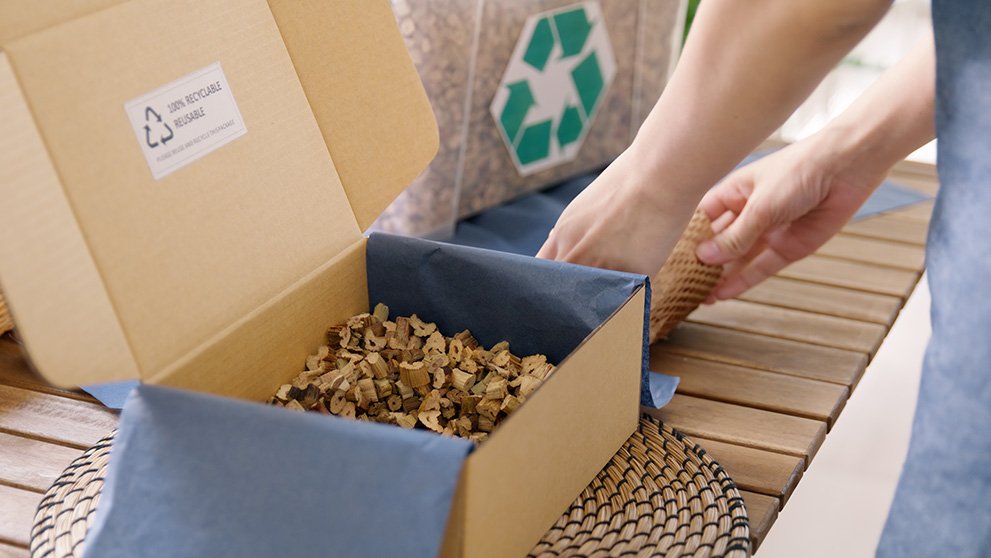
Are you looking for simple ways to make your daily routine kinder to the planet? Using biodegradable containers is a smart step you can take right now.
But to get the most out of them, you need to know a few key tips. Imagine reducing waste without any extra hassle—sounds good, right? Keep reading, and you’ll discover easy tricks that help your biodegradable containers last longer, stay safe, and truly make a difference.
This is your chance to turn small changes into big impact. Let’s dive in!

Credit: www.kimecopak.ca
Choosing The Right Biodegradable Containers
Biodegradable containers are great for the environment. Picking the right ones can help reduce waste. It’s important to know what to look for when choosing these containers.
Consider materials, certifications, and size when you make your choice. These factors will ensure your containers are truly eco-friendly.
Materials To Look For
Biodegradable containers come in different materials. Some break down faster than others. Knowing the right materials helps in making the best choice.
- PLA (Polylactic Acid) – Made from corn starch
- Bagasse – Made from sugarcane fibers
- Palm leaves – Naturally shed from trees
Certifications And Labels
Certifications help ensure containers are truly biodegradable. Look for labels that prove the claims made by manufacturers.
These certifications are often on the packaging. They show that the product meets certain standards.
- USDA Certified Biobased Product
- OK Compost Home Certification
- BPI (Biodegradable Products Institute) Certification
Size And Shape Considerations
Size and shape affect the usability of biodegradable containers. Choosing the right size helps in reducing waste and fits the needs better.
Think about what you need to store or serve. This will guide you to select the right size and shape.
- Small containers for sauces and dips
- Medium containers for salads and sides
- Large containers for main dishes
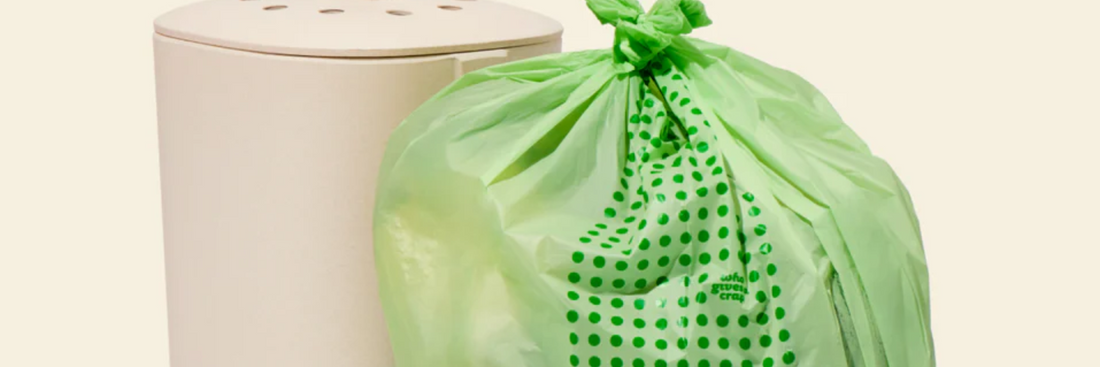
Credit: www.kimecopak.ca
Proper Usage Tips
Biodegradable containers help reduce waste in the environment. Using them properly ensures they work well and last longer.
Follow simple tips to keep your biodegradable containers effective and safe for food use.
Avoiding Overloading
Do not fill biodegradable containers beyond their weight limit. Overloading can cause the container to break or leak.
Use containers that match the size and amount of food you want to store or serve.
- Check container weight capacity before use
- Place heavy items at the bottom
- Do not stack too many containers on top
Temperature Limits
Biodegradable containers have temperature limits. Avoid using them in very hot or very cold conditions beyond these limits.
Exposing containers to extreme heat may cause warping or melting. Cold can make some containers brittle.
- Do not use in microwave if not labeled microwave-safe
- Avoid placing in ovens or grills
- Keep away from freezing temperatures if not designed for cold
Suitable Food Types
Choose biodegradable containers suitable for the food type you serve. Some containers work better with dry foods than liquids.
Using the right container keeps food fresh and prevents leaks or spills.
- Use sturdy containers for oily or saucy foods
- Choose vented containers for hot foods that release steam
- Select leak-proof containers for soups and liquids
- Avoid acidic foods if the container is not acid-resistant
Storage And Handling
Biodegradable containers need careful storage and handling. Proper care keeps them strong and safe to use.
Good habits help avoid damage and keep containers clean for food or other items.
Keeping Containers Dry
Moisture can weaken biodegradable containers. Store them in dry places to keep their shape and strength.
Do not leave containers where water can collect or drip on them.
- Use sealed shelves or cabinets to avoid humidity
- Keep containers away from sinks and wet areas
- Check for leaks or spills regularly
Safe Stacking Methods
Stack containers carefully to avoid crushing or bending. Overloading causes damage.
Place heavier containers at the bottom and lighter ones on top.
- Do not stack too high to prevent tipping
- Align containers evenly to balance the weight
- Use flat surfaces for stacking
Avoiding Contamination
Keep containers clean to avoid germs and dirt. Contamination can spoil food or other items.
Use separate containers for different types of items to stop cross-contamination.
- Wash containers before and after use
- Store food and chemicals in different containers
- Cover containers to protect from dust and pests
Disposal Best Practices
Biodegradable containers break down naturally. Proper disposal helps them decompose faster.
Knowing how to dispose of these containers keeps the environment clean and healthy.
Composting Options
Composting is the best way to dispose of biodegradable containers. It turns waste into useful soil.
Check if your container is certified compostable. Not all biodegradable containers work in home composts.
- Use a home compost bin if the container is home compostable.
- Commercial composting facilities accept more types of biodegradable containers.
- Break containers into smaller pieces to speed up composting.
Local Disposal Guidelines
Each area has rules for disposing of biodegradable containers. Follow local guidelines to avoid problems.
Some places ask you to separate biodegradable waste from regular trash. Others allow mixed disposal.
- Check your city or town’s waste management website.
- Ask local waste collectors about proper disposal methods.
- Use designated bins for compostable or biodegradable waste when available.
Reducing Environmental Impact
Dispose of containers correctly to reduce waste in landfills. This lowers pollution and greenhouse gases.
Try to reduce the use of containers by choosing reusable options when possible.
- Rinse containers before disposal to avoid contamination.
- Buy containers made from natural materials.
- Support businesses that use biodegradable packaging.
Creative Reuse Ideas
Biodegradable containers are great for the environment. You can reuse them in many creative ways before composting.
Reusing these containers helps reduce waste and gives them new life around your home.
Home Gardening Uses
Biodegradable containers work well for starting seeds. They keep soil and roots safe while plants grow.
Once the seedlings are ready, plant the whole container in your garden. The container breaks down naturally.
- Use containers as small pots for herbs or flowers
- Label each container with plant names
- Place containers on a tray to catch water
- Plant containers directly into garden soil
Organizing Small Items
Biodegradable containers help keep small items tidy. They work well for sorting craft supplies or office tools.
Use containers to separate beads, buttons, or screws. This makes finding things easier and saves space.
- Store jewelry parts or sewing needles
- Keep paper clips and push pins sorted
- Label containers for quick access
- Stack containers to save desk space
Diy Projects
You can turn biodegradable containers into fun crafts. Paint or decorate them to make unique items.
Try making candle holders, gift boxes, or small planters. These projects are easy and eco-friendly.
- Decorate with paint, markers, or stickers
- Cut shapes to create lanterns or holders
- Glue containers to make a storage caddy
- Use them as molds for homemade soap
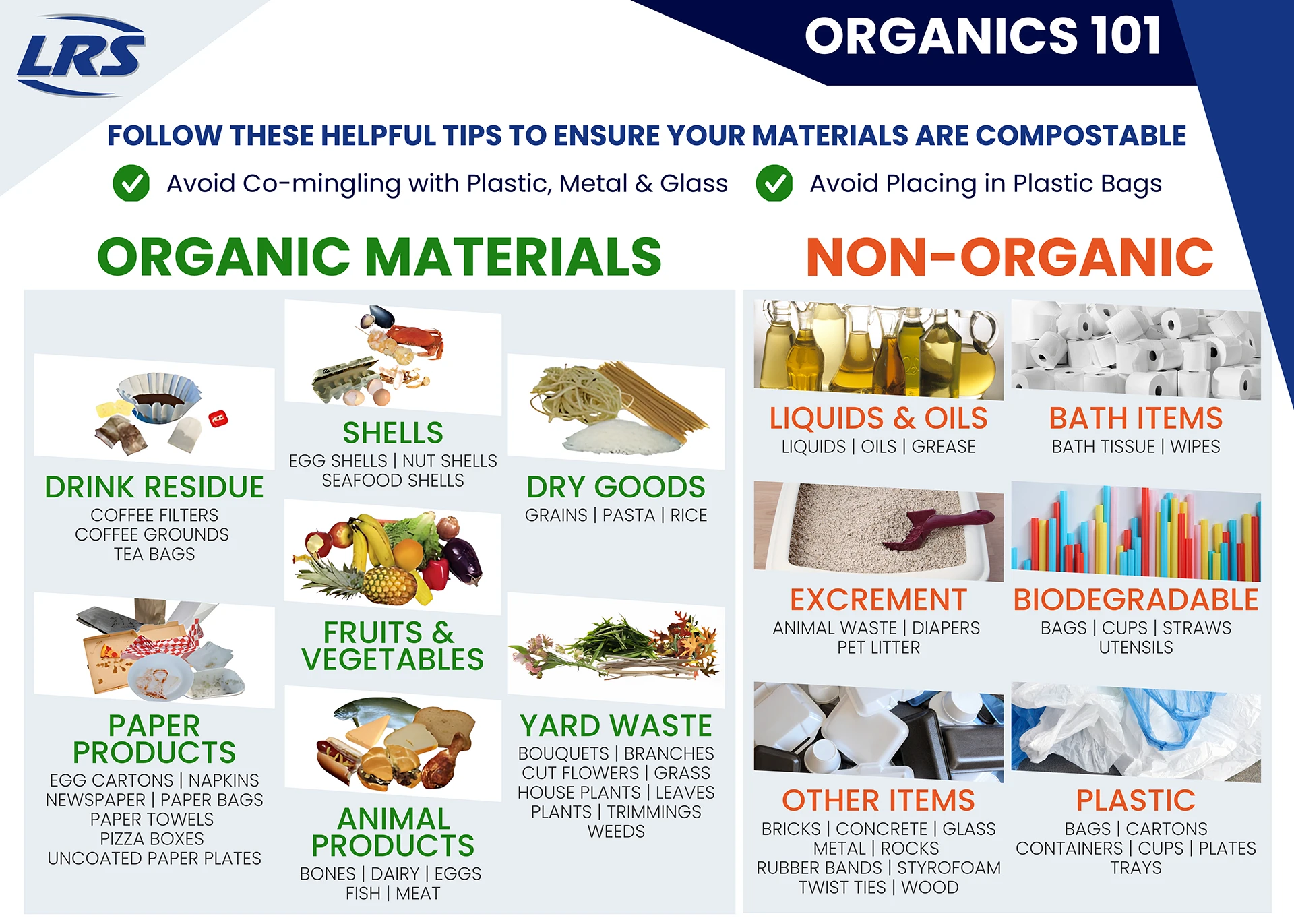
Credit: www.lrsrecycles.com
Common Mistakes To Avoid
Using biodegradable containers helps reduce waste and protect the planet. It is important to use them correctly to get the best results.
Avoiding common mistakes keeps these containers effective and eco-friendly. Learn what to watch out for.
Mixing With Non-biodegradable Waste
Do not throw biodegradable containers with plastic or metal trash. Mixing wastes stops proper composting and recycling.
Separate biodegradable waste from regular garbage. This helps waste centers process materials correctly and avoid pollution.
- Check labels to confirm containers are biodegradable
- Use separate bins for biodegradable and non-biodegradable waste
- Educate family or coworkers about proper disposal
Using In Microwaves Or Ovens
Not all biodegradable containers can be heated in microwaves or ovens. Heat can damage them or release harmful chemicals.
Always check the container’s instructions before microwaving or baking food. Use containers made for heat if needed.
- Look for microwave-safe or oven-safe labels
- Avoid heating containers with plastic lining
- Use glass or ceramic if unsure about heat safety
Ignoring Expiry Dates
Biodegradable containers have expiry dates to ensure they break down properly. Using them after expiry can cause waste problems.
Check the expiry date before buying or using these containers. Old containers may lose strength and pollute the environment.
- Buy containers with a long shelf life
- Store them in a cool, dry place to keep quality
- Dispose of expired containers properly as waste
Frequently Asked Questions
What Are The Benefits Of Using Biodegradable Containers?
Biodegradable containers reduce plastic waste and pollution. They decompose naturally, improving environmental health. Using them supports sustainability and lowers carbon footprints.
How To Store Food Safely In Biodegradable Containers?
Ensure containers are clean and dry before use. Store food at recommended temperatures to maintain freshness. Avoid microwaving unless specified as microwave-safe.
Can Biodegradable Containers Be Composted At Home?
Yes, many biodegradable containers break down in home compost setups. Check product labels for compostability details. Avoid composting non-biodegradable additives to prevent contamination.
Are Biodegradable Containers Cost-effective Compared To Plastic?
Biodegradable containers may cost slightly more upfront. However, they save money long-term by reducing waste management expenses. Their environmental benefits often outweigh initial costs.
Conclusion
Choosing biodegradable containers helps protect the environment. They break down faster than plastic. Use them properly to avoid waste. Store food in dry, cool places. Compost containers when possible to reduce trash. Small changes make a big difference over time.
Everyone can help by using eco-friendly options. Start today for a cleaner, greener future. Simple steps lead to lasting impact.