
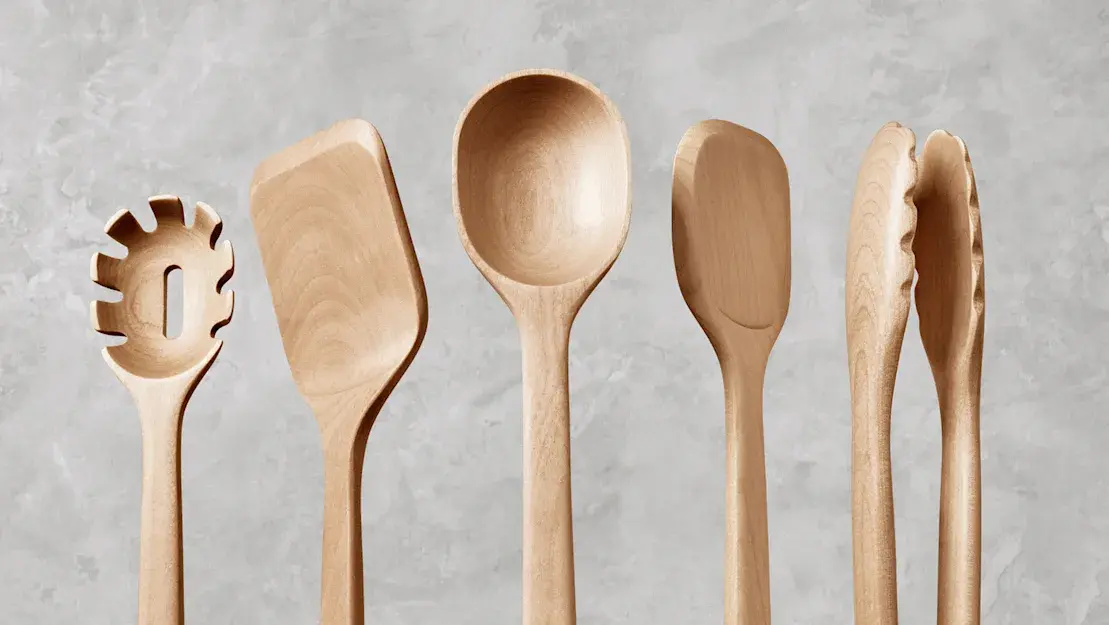
If you love baking and want to make your kitchen more eco-friendly, bamboo utensils are a smart choice. But to get the best results and keep your tools lasting longer, you need to know a few simple tips.
Imagine mixing your batter smoothly without scratching your bowls or ending up with worn-out spoons after just a few uses. This guide will help you use bamboo utensils the right way, so your baking is easier, cleaner, and more enjoyable.
Keep reading, and you’ll discover how to care for your bamboo tools and make them your kitchen’s best friend.
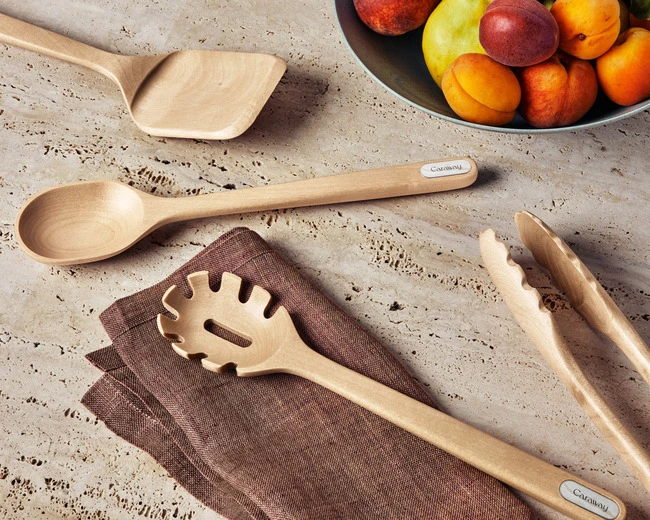
Credit: www.carawayhome.com
Choosing Bamboo Utensils
Bamboo utensils are a great choice for baking. They are durable and eco-friendly. Choosing the right ones makes baking easier.
Consider their type, quality, and eco-friendly benefits. This will help you pick the best bamboo utensils for your kitchen.
Types Suitable For Baking
Different bamboo utensils serve various baking needs. Some are better for mixing, others for scooping or spreading.
- Bamboo spoons for mixing ingredients
- Bamboo spatulas for spreading batter
- Bamboo whisks for beating eggs
Quality Indicators
Quality bamboo utensils last longer. Look for smooth surfaces and strong construction.
Check for any splinters or cracks. High-quality bamboo is dense and well-finished.
- Smooth finish with no splinters
- Strong and solid construction
- Uniform color and texture
Eco-friendly Benefits
Bamboo is a renewable resource. It grows quickly and requires less water than other materials.
Using bamboo utensils helps reduce plastic waste. They are biodegradable and compostable.
- Reduces reliance on plastic
- Biodegradable and compostable
- Supports sustainable practices

Credit: www.bambuhome.com
Preparing Bamboo Utensils
Bamboo utensils are great for baking because they are gentle on pans and eco-friendly. You should prepare them properly before using them in your kitchen.
Taking care of bamboo utensils helps them last longer and stay safe for food use. Follow these tips to get your bamboo ready for baking.
Cleaning Before First Use
Clean your bamboo utensils well before using them for the first time. This removes dust and residues from manufacturing or packaging.
Use warm water and mild soap to wash the utensils. Avoid soaking them for a long time because bamboo can absorb water.
- Rinse with warm water and mild dish soap
- Use a soft cloth or sponge to clean gently
- Dry immediately with a clean towel
- Air dry completely before storing
Seasoning Techniques
Seasoning bamboo utensils helps protect them from cracking and staining. It also keeps the surface smooth and food-safe.
Use food-grade mineral oil or bamboo oil to season your utensils. Apply a thin layer and let it soak in overnight.
- Apply oil with a clean cloth
- Cover all surfaces evenly
- Let the oil absorb for 8-12 hours
- Wipe off extra oil before use
- Repeat every few months for best care
Avoiding Common Mistakes
Some habits can damage bamboo utensils. Avoid these mistakes to keep your tools in good shape.
- Do not put bamboo utensils in the dishwasher
- Avoid soaking them in water for hours
- Keep them away from direct heat or fire
- Do not use harsh chemicals or bleach
- Dry them thoroughly after washing
Using Bamboo Utensils In Baking
Bamboo utensils are popular tools in baking. They are light, strong, and eco-friendly. Bakers often choose bamboo for mixing, stirring, and handling dough.
Using bamboo tools can help keep your kitchen safe from scratches. They also stay cool and do not react with food. Here are some tips for using bamboo utensils in baking.
Mixing And Stirring Tips
Bamboo utensils are gentle on bowls and pans. They do not scratch non-stick surfaces. Use them to mix batter or stir ingredients smoothly.
Hold the bamboo spoon firmly but comfortably. Stir in slow, even circles. This keeps ingredients well blended without splashing.
- Use a flat bamboo spatula for folding ingredients
- Choose a rounded spoon for stirring liquids
- Wash utensils soon after use to avoid stains
Handling Sticky Doughs
Bamboo utensils help handle sticky doughs without much mess. They do not stick as much as metal or plastic tools. This makes kneading and shaping easier.
Lightly oil your bamboo spoon or spatula to prevent dough from sticking. Use the flat side to scrape dough off surfaces. Clean utensils well after sticky tasks.
- Sprinkle flour on bamboo tools before touching dough
- Use a bench scraper along with bamboo utensils
- Dry utensils completely before storing
Temperature Considerations
Bamboo handles heat better than plastic but less than metal. Avoid using bamboo utensils on very hot surfaces. High heat can cause cracks or warping.
Do not leave bamboo tools inside hot pans or ovens. Wash them with warm water, not boiling. Dry them well to keep their shape and strength.
- Keep bamboo utensils away from direct heat
- Use them for mixing, not cooking on stove
- Hand wash and air dry for best care
Maintaining Bamboo Utensils
Bamboo utensils are great for baking because they are gentle on cookware. To keep them in good shape, you need to care for them properly.
Good care helps bamboo last longer and stay safe to use in your kitchen.
Proper Washing Methods
Wash bamboo utensils by hand with warm water and mild soap. Avoid soaking them in water for a long time.
Do not put bamboo utensils in the dishwasher. The heat and water can cause cracks and warping.
- Use a soft sponge or cloth to clean
- Rinse thoroughly to remove soap
- Do not use harsh chemicals or bleach
Drying And Storage
Dry bamboo utensils quickly after washing. Use a clean towel or let them air dry in a place with good airflow.
Store bamboo utensils in a dry spot. Avoid places that are too humid or close to heat sources.
- Keep utensils separate to avoid scratches
- Use utensil holders that allow air circulation
- Avoid storing utensils in sealed containers when wet
Repairing Minor Damage
If your bamboo utensils get small cracks or rough spots, sand them gently with fine-grit sandpaper. This smooths the surface and prevents more damage.
Apply a thin layer of food-safe mineral oil to restore moisture and protect the bamboo. Let the oil soak in before using the utensils again.
- Sand damaged areas softly
- Use food-safe mineral oil only
- Let oil dry completely before use
Troubleshooting Common Issues
Bamboo utensils are great for baking but need care. Small problems can happen during use.
This guide helps you fix common issues with bamboo tools in baking.
Preventing Cracks And Splits
Bamboo can crack if it dries too fast or gets too wet. Avoid soaking utensils in water for long times.
Keep utensils dry after washing to stop cracks and splits.
- Wash with mild soap and warm water only
- Dry immediately with a towel
- Do not put bamboo utensils in the dishwasher
- Store in a dry place away from direct sunlight
Dealing With Odors
Bamboo can absorb smells from strong foods like garlic or spices. This may affect your baking.
Clean utensils well to remove odors quickly.
- Use lemon juice or vinegar to wash utensils
- Rinse well with warm water after washing
- Air dry completely to avoid smell build-up
- Use baking soda paste to scrub if smells stay
Extending Utensil Lifespan
Proper care helps bamboo utensils last longer. Treat them gently and keep them clean.
Oiling your utensils keeps bamboo strong and smooth.
- Apply food-safe mineral oil monthly
- Do not leave utensils soaking in water
- Avoid using harsh cleaning chemicals
- Store utensils in a cool, dry area
Credit: www.reluctantgourmet.com
Frequently Asked Questions
What Are The Benefits Of Using Bamboo Utensils In Baking?
Bamboo utensils are eco-friendly, lightweight, and durable. They resist heat well and don’t scratch cookware. Bamboo also absorbs less moisture, making them hygienic and long-lasting for baking tasks.
How Do I Clean Bamboo Utensils After Baking?
Wash bamboo utensils with warm, soapy water and a soft sponge. Avoid soaking them for long periods. Dry immediately to prevent cracking and maintain their quality.
Can Bamboo Utensils Withstand High Baking Temperatures?
Yes, bamboo utensils can handle typical baking temperatures. However, avoid exposing them to direct heat or flames. They are safe for stirring and mixing dough or batter.
Are Bamboo Utensils Safe For Non-stick Bakeware?
Absolutely. Bamboo utensils are gentle and won’t scratch non-stick surfaces. They help preserve your bakeware’s coating while mixing or scraping batter efficiently.
Conclusion
Bamboo utensils bring many benefits to baking. They are gentle on cookware and easy to clean. Using them helps keep your kitchen eco-friendly. Remember to dry them well after washing. Avoid soaking bamboo utensils in water for long. These small habits keep them strong and lasting.
Enjoy baking with tools that are safe and natural. Simple care makes a big difference in their life. Try these tips and notice the change in your baking routine.