
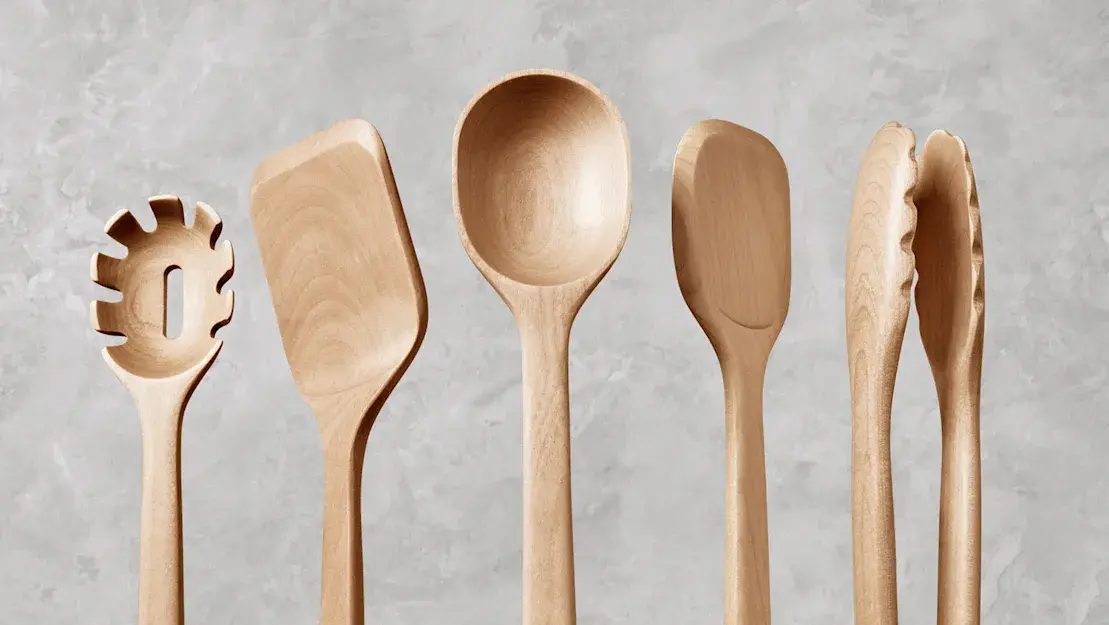
If you love baking and care about using natural tools, bamboo utensils can be a game-changer in your kitchen. But are you sure you’re using them the right way to get the best results?
Using bamboo utensils correctly can protect your tools, keep your baked goods tasting fresh, and even make your baking process smoother. You’ll discover simple tips that help you get the most out of your bamboo utensils every time you bake.
Ready to bake smarter and better? Let’s dive in!
Credit: www.reluctantgourmet.com
Benefits Of Bamboo Utensils
Bamboo utensils are popular in baking for many good reasons. They help protect the environment and last a long time.
Using bamboo tools makes baking easier and safer. Learn about their key benefits below.
Eco-friendly And Sustainable
Bamboo grows fast and needs little water. It does not require harmful chemicals to grow.
Choosing bamboo utensils helps reduce plastic waste and saves trees. Bamboo is a renewable resource.
- Biodegradable and compostable
- Reduces use of plastic and metal
- Harvested without cutting down forests
Durability And Heat Resistance
Bamboo utensils hold up well during baking. They resist cracking and breaking better than many woods.
They handle heat well without melting or warping. This makes them safe to use near hot pans.
- Strong and long-lasting
- Won’t melt like plastic tools
- Heat resistant and safe to use
Non-reactive Surface
Bamboo does not react with acidic or alkaline ingredients. This keeps the taste of food pure.
Its smooth surface prevents food from sticking. It is easy to clean and does not absorb smells.
- Does not change food flavor
- Easy to clean and maintain
- Resists stains and odors
Choosing The Right Bamboo Utensils
Bamboo utensils are great for baking because they are gentle on cookware. They also stay cool and do not react with food.
Picking the right bamboo utensils helps make baking easier and more enjoyable. This guide explains what to look for.
Types Suitable For Baking
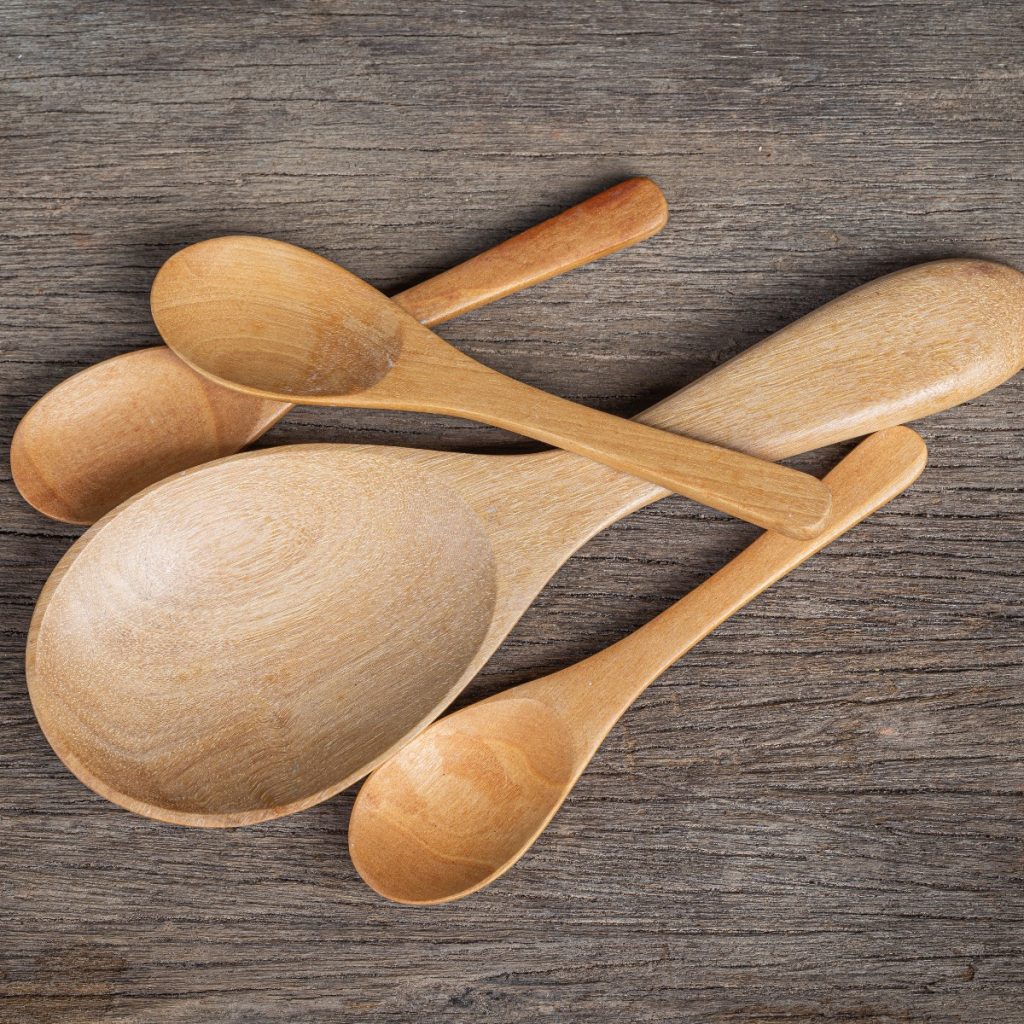
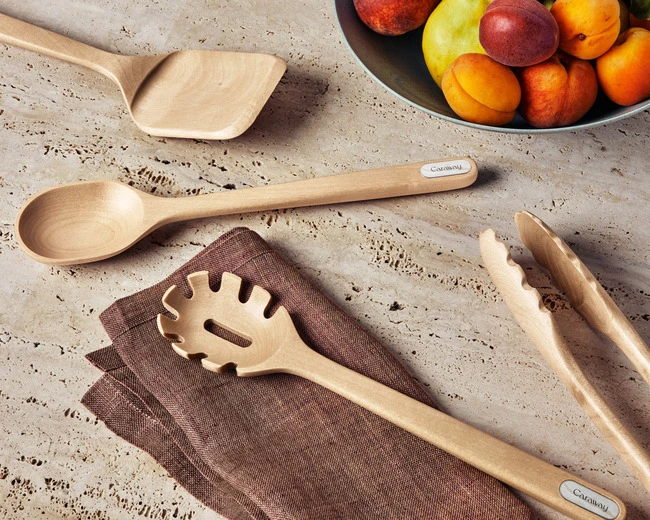
Some bamboo utensils work better for baking than others. Choose tools that help mix, spread, and scoop ingredients.
- Spoons: Good for stirring and mixing batter
- Spatulas: Great for folding and scraping bowls
- Whisks: Useful for beating eggs and cream
- Rolling pins: Ideal for dough shaping
Size And Shape Considerations
Choose the right size and shape for comfort and control. Small tools work well for detail tasks, larger ones for mixing.
Shapes should fit your hands and baking bowls easily. Rounded edges help to avoid scratching pans.
- Small spoons for tasting and stirring small amounts
- Wide spatulas for scraping batter from bowls
- Long handles for deep mixing bowls
- Flat edges for spreading icing
Quality Indicators
Check the quality to ensure durability and safety. Good bamboo utensils last longer and stay smooth.
Look for utensils that are well-finished with no rough spots. Avoid those with cracks or splinters.
- Even color and smooth surface
- No cracks or chips
- Sealed or treated to resist moisture
- Sturdy and not flimsy
Preparing Bamboo Utensils For Baking
Bamboo utensils are great for baking. They are gentle on your cookware and last a long time. Proper preparation helps keep them clean and safe to use.
Take time to clean and treat your bamboo tools before baking. This keeps them in good shape and prevents damage.
Initial Cleaning Tips
Wash bamboo utensils with warm water and mild soap before first use. Avoid soaking them for too long to stop cracking or warping. Dry them well with a clean cloth.
Seasoning Bamboo Tools
Seasoning bamboo utensils helps protect them from moisture and stains. Use food-safe oils like mineral oil or coconut oil. Rub a small amount into the surface and let it soak in overnight.
- Clean the utensil before seasoning
- Apply a thin layer of oil
- Let it absorb for 8-12 hours
- Wipe off any extra oil
- Repeat every few months or after deep cleaning
Avoiding Common Mistakes
| Mistake | How to Avoid |
| Soaking bamboo tools in water | Wash quickly and dry immediately |
| Using harsh detergents | Choose gentle soap only |
| Storing while damp | Dry fully before storing |
| Skipping seasoning | Oil regularly to protect bamboo |
Credit: www.carawayhome.com
Using Bamboo Utensils Effectively
Bamboo utensils are great tools for baking. They are gentle on bowls and pans. They also last long when used right.
Using them properly helps keep your dough smooth and your kitchen clean. Here are some tips to use bamboo utensils well.
Mixing And Folding Techniques
Bamboo utensils work well for mixing and folding ingredients. Their smooth surface helps blend without breaking delicate parts.
- Use a bamboo spatula to fold batter gently.
- Stir with a bamboo spoon to avoid scratching bowls.
- Mix dry and wet ingredients slowly to keep texture.
- Scrape sides of bowls carefully to gather all ingredients.
Handling Sticky Doughs
Sticky dough can be hard to handle. Bamboo utensils help without sticking too much.
| Tip | How It Helps |
| Lightly oil your bamboo utensil | Prevents dough from sticking |
| Use a bamboo scraper | Gathers dough without tearing |
| Keep utensils dry | Reduces dough build-up |
| Work quickly | Stops dough from becoming too sticky |
Preventing Stains And Odors
Bamboo can absorb colors and smells from food. Clean and care for utensils to keep them fresh.
- Wash bamboo utensils soon after use with warm water and mild soap.
- Do not soak them for long periods to avoid swelling.
- Dry completely before storing to prevent mold.
- Rub with lemon juice to remove stains and odors.
- Apply food-safe oil monthly to protect the wood.
Maintaining Bamboo Utensils
Bamboo utensils are great tools for baking. They last long if cared for properly. Keeping them clean and dry helps avoid damage.
Simple care steps can keep your bamboo utensils looking new. Learn how to clean, dry, and oil them the right way.
Cleaning Best Practices
Clean bamboo utensils soon after use. Avoid soaking them in water. Use mild soap and warm water to remove food.
- Wash by hand with gentle soap
- Rinse thoroughly to remove soap
- Do not use dishwasher or harsh chemicals
- Remove stuck food with a soft brush
Drying And Storage Tips
Dry bamboo utensils completely before storing. Moisture can cause cracking or mold. Store in a dry, ventilated place.
| Do | Don’t |
| Air dry on a rack | Leave wet in a sink |
| Store in open drawer or holder | Keep in closed, damp container |
| Keep away from heat sources | Place near stove or oven |
Periodic Oiling And Care
Oiling bamboo keeps it strong and shiny. Use food-safe oil like mineral or coconut oil. Oil every few weeks or when wood looks dry.
- Clean and dry utensils before oiling
- Apply a small amount of oil with a cloth
- Let oil soak in for several hours
- Wipe off extra oil to avoid stickiness
:max_bytes(150000):strip_icc()/riveira-bamboo-wooden-spoons-for-cooking-3-piece-6b99e8688ffb411d9c828616559b61f0.jpg)
Credit: www.realsimple.com
Troubleshooting Common Issues
Bamboo utensils are popular in baking for their natural feel and durability. Still, they can face problems like cracks, stains, or warping over time.
This guide helps you fix these common issues and keep your bamboo tools in good shape.
Cracks And Splits Prevention
Cracks and splits happen when bamboo dries out or gets wet too often. You can avoid this by treating and caring for your utensils properly.
- Oil your bamboo utensils regularly with food-safe mineral oil.
- Do not soak them in water for long periods.
- Dry them quickly after washing to prevent moisture damage.
- Keep them away from extreme heat or direct sunlight.
Removing Persistent Stains
Bamboo utensils can get stains from colorful ingredients like turmeric or tomato sauce. Clean them gently without harming the surface.
| Stain Type | Cleaning Method |
|---|---|
| Oil-based stains | Rub with baking soda paste, then rinse with warm water |
| Color stains | Use lemon juice and salt scrub, then rinse thoroughly |
| General stains | Soak in vinegar and water mix for 10 minutes, then wash |
Dealing With Warping
Warping happens if bamboo dries unevenly or stays wet too long. Fix it by reshaping carefully and avoiding future damage.
Try this method to fix slight warping:
- Soak the warped utensil in warm water for 30 minutes.
- Remove and gently bend it back to shape.
- Dry it flat, using a cloth to hold the shape.
- Apply oil once dry to keep it flexible.
Frequently Asked Questions
Are Bamboo Utensils Safe For Baking?
Yes, bamboo utensils are safe for baking. They are non-toxic, eco-friendly, and durable. Bamboo’s natural properties prevent it from absorbing moisture or odors. This makes them ideal for mixing and stirring. Always choose high-quality bamboo utensils to ensure the best performance in your baking endeavors.
Can Bamboo Utensils Withstand High Temperatures?
Bamboo utensils can withstand moderate heat. They are suitable for mixing and stirring hot ingredients. However, avoid exposing them to direct flames or very high temperatures. Prolonged exposure can damage their surface. It’s best to use them for tasks that don’t involve high-heat contact.
How Do You Maintain Bamboo Utensils?
Maintaining bamboo utensils is simple. Wash them with warm soapy water after use. Avoid soaking them in water to prevent warping. Occasionally, apply food-safe mineral oil to keep them moisturized. This will enhance their longevity and appearance. Proper care ensures they remain in good condition for years.
Are Bamboo Utensils Better Than Plastic?
Bamboo utensils are often considered better than plastic. They are eco-friendly, biodegradable, and durable. Unlike plastic, bamboo doesn’t leach chemicals into food. They are also more resistant to odors and stains. Additionally, bamboo utensils have a natural aesthetic appeal that many prefer in their kitchens.
Conclusion
Bamboo utensils bring a natural touch to baking. They stay gentle on your cookware and resist heat well. Clean them with warm water and mild soap only. Avoid soaking to keep them strong and lasting. Store in a dry place to stop cracking.
Using bamboo helps reduce plastic waste too. Simple care keeps your tools ready for every recipe. Enjoy baking with these eco-friendly and easy-to-use utensils. They add charm and function to your kitchen every day.