
If you’re looking to make your kitchen greener and more stylish, bamboo utensils are a fantastic choice. But using them the right way can make all the difference in how long they last and how well they work.
You might wonder how to clean them without damage or what dishes they’re best for. This guide will give you simple, practical tips that anyone can follow. Keep reading to discover how you can get the most out of your bamboo utensils and elevate your cooking experience effortlessly.
Choosing Quality Bamboo Utensils
Bamboo utensils are great for cooking. They are eco-friendly and durable. Choosing quality bamboo utensils is important for your kitchen.
Good utensils make cooking easier. They last longer and are safer to use. Here are tips on how to choose the best bamboo utensils.
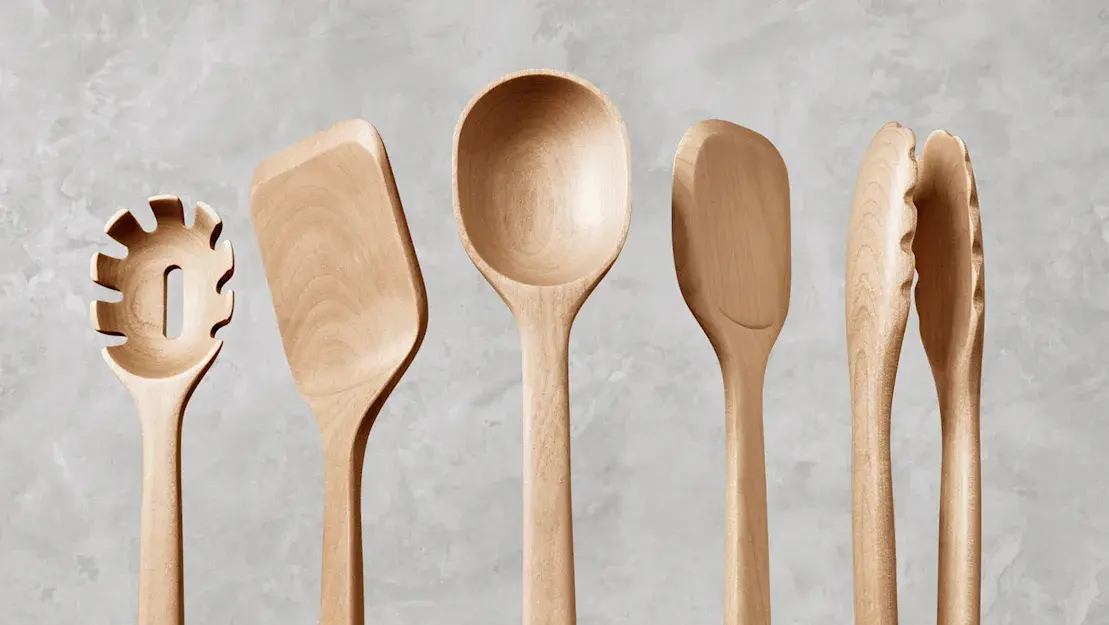
Types Of Bamboo Utensils
Bamboo utensils come in many types. Each has a different use in the kitchen.
- Spoons: Great for stirring and serving
- Forks: Useful for mixing salads
- Spatulas: Perfect for flipping pancakes
- Tongs: Handy for grilling or serving pasta
Signs Of Good Craftsmanship
Quality craftsmanship is key in bamboo utensils. Look for smooth and polished surfaces.
Check for strong joints and even finishes. These signs show that the utensil is well-made.
Eco-friendly Sourcing
Bamboo is a renewable resource. It is important to choose utensils sourced responsibly.
Look for certifications like FSC. This ensures the bamboo is harvested sustainably.
Preparing Bamboo Utensils For First Use
Bamboo utensils are gentle on cookware and eco-friendly. Before using them, proper preparation helps keep them strong and safe.
Preparing bamboo tools correctly can stop cracks and stains. It also keeps your utensils looking new longer.
Cleaning Techniques
Clean bamboo utensils carefully before the first use. Use warm water and mild soap to remove dust or oils from making.
Avoid soaking bamboo tools for a long time. Quick washing and drying help prevent warping or cracking.
- Use a soft sponge or cloth to wash utensils
- Rinse well with warm water
- Dry immediately with a clean towel
- Do not put bamboo utensils in the dishwasher
- Store in a dry place after cleaning
Seasoning Bamboo Tools
Seasoning bamboo utensils strengthens them and stops water damage. Use natural oils to keep the bamboo smooth and safe.
Apply a thin layer of oil and let it soak in. This step helps prevent cracks and keeps the bamboo from drying out.
- Use food-safe oils like mineral oil or coconut oil
- Rub oil evenly over the whole utensil
- Let the oil soak for several hours or overnight
- Wipe off any extra oil with a clean cloth
- Repeat seasoning every few months for best care
Best Practices For Cooking
Bamboo utensils are gentle on cookware and eco-friendly. Using them correctly can keep them lasting longer.
This guide shares simple tips to protect bamboo tools and cook better meals.
Avoiding Heat Damage
Do not leave bamboo utensils in hot pots or pans. Prolonged heat can cause cracks or warping.
Use bamboo tools only for stirring or serving. Remove them from heat quickly to keep their shape.
- Keep utensils away from open flames
- Do not boil bamboo tools
- Dry them well after washing
Using Bamboo With Non-stick Cookware
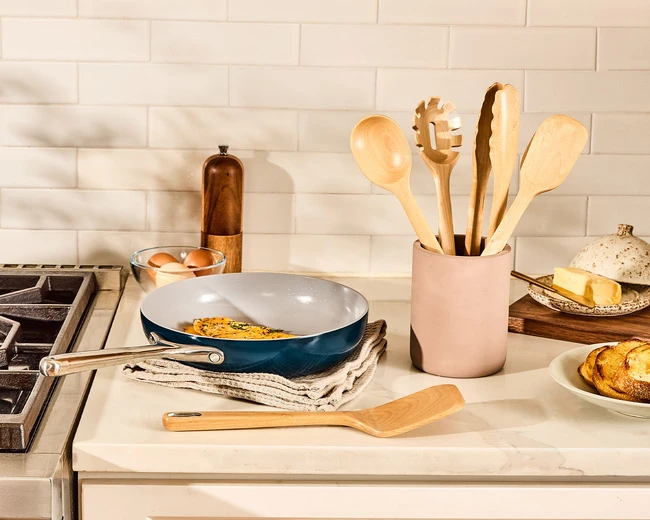
Bamboo utensils are safe for non-stick pans. They will not scratch the coating like metal tools.
Use bamboo spoons and spatulas to protect your non-stick surface and extend the life of your pans.
- Choose smooth bamboo utensils
- Avoid sharp edges on bamboo tools
- Clean utensils gently to keep smooth finish
Handling Sticky Or Tough Foods
Bamboo utensils work well with sticky or tough foods. Their surface is less sticky than plastic or metal.
Use a gentle scraping motion to avoid damaging the bamboo or your cookware.
- Use flat edges to loosen sticky foods
- Do not force hard scraping to avoid splinters
- Clean quickly after use to prevent stains
Credit: www.carawayhome.com
Cleaning And Maintenance
Bamboo utensils are great for cooking because they are natural and gentle on cookware. Keeping them clean and well-maintained helps them last longer.
Proper care prevents damage and keeps your utensils safe to use with food. Follow simple steps for washing, drying, and storing.
Proper Washing Methods
Wash bamboo utensils by hand with warm water and mild soap. Avoid soaking them for a long time to stop swelling or cracking.
Use a soft sponge or cloth to clean. Do not use harsh scrubbers or steel wool as they can damage the surface.
- Rinse utensils quickly after use
- Clean with mild dish soap and warm water
- Do not soak or leave in water for hours
- Avoid dishwasher cleaning to protect bamboo
Drying And Storage Tips
Dry bamboo utensils immediately after washing to stop moisture from causing damage. Use a clean towel or air dry in a well-ventilated area.
Store utensils in a dry place away from direct sunlight. Keep them upright or in a holder that allows air flow to avoid mold or odor.
- Wipe dry with a soft towel
- Air dry completely before storing
- Keep utensils away from heat sources
- Store in a cool, dry place
Preventing Cracks And Warping
Protect bamboo utensils from extreme heat and moisture changes to prevent cracks and warping. Avoid using them on very hot pans.
Regularly oil your utensils with food-safe mineral oil. This keeps the bamboo strong and stops it from drying out.
- Do not expose to boiling water or open flame
- Apply mineral oil every few weeks
- Do not use vegetable or cooking oils for treatment
- Keep utensils away from sudden temperature changes
Extending The Life Of Bamboo Utensils
Bamboo utensils are strong and eco-friendly. Proper care helps them last longer.
Simple steps keep your bamboo tools safe from cracks and stains. This guide shares easy tips.
Regular Oil Treatment
Oiling bamboo utensils keeps the wood moist. It stops drying and cracking over time.
Use food-safe oils like mineral oil or coconut oil. Apply a thin layer every few weeks.
- Clean utensils before oiling
- Use a soft cloth to spread oil
- Let the oil soak overnight
- Wipe off extra oil the next day
Repairing Minor Damages
Small cracks or rough spots can be fixed easily. Sand the area gently with fine sandpaper.
After sanding, clean the utensil and apply oil. This prevents further damage and keeps it smooth.
- Use 220-grit sandpaper for best results
- Smooth damaged spots carefully
- Clean dust with a damp cloth
- Finish with an oil treatment
Credit: www.carawayhome.com
Health And Safety Considerations
Bamboo utensils are a great choice for cooking. They are natural and gentle on cookware.
It is important to use and clean them properly. This keeps food safe and your utensils lasting longer.
Avoiding Mold And Bacteria
Bamboo can absorb water, which may cause mold or bacteria to grow. Dry utensils well after washing.
Do not soak bamboo utensils in water for a long time. This helps stop bacteria buildup.
- Wash with warm soapy water right after use
- Dry immediately with a clean towel
- Store in a dry place with good air flow
- Check for cracks or rough spots that can hold bacteria
Safe Use With Hot And Acidic Foods
Bamboo handles heat well but can weaken with very hot foods over time. Avoid boiling or frying with bamboo utensils.
Acidic foods like lemon or vinegar can damage bamboo’s surface. Clean utensils soon after contact with acids.
- Use bamboo utensils for stirring or serving, not cooking at high heat
- Rinse immediately after using with acidic ingredients
- Oil utensils regularly to protect the surface
Creative Uses Beyond Cooking
Bamboo utensils are not just for cooking. They are strong and light, perfect for many tasks.
You can use old bamboo utensils in new ways. This helps reduce waste and adds charm to your home.
Serving And Presentation Ideas
Bamboo utensils make serving food look natural and stylish. They add a warm touch to your table.
Use bamboo spoons or forks as unique place card holders. They can hold small notes or name tags.
- Serve appetizers on bamboo spoons for easy tasting
- Use bamboo spatulas to hold cheese or fruit slices
- Arrange bamboo forks with napkins for a rustic look
- Use bamboo tongs to pick up small snacks
Craft Projects With Old Utensils
Old bamboo utensils can be turned into creative craft projects. They are easy to paint and glue.
You can make small decorations or useful items for your home from them.
- Make a bamboo utensil picture frame by gluing pieces around a plain frame
- Create plant markers by writing plant names on bamboo spoons
- Build a small bamboo utensil wall art by arranging pieces in patterns
- Use bamboo sticks to make mini photo holders or place card stands

Credit: www.bambuhome.com
Frequently Asked Questions
How Do I Clean Bamboo Utensils After Cooking?
Clean bamboo utensils by hand washing them with mild soap and warm water. Avoid soaking or dishwasher use. Dry immediately to prevent cracking and maintain durability.
Can Bamboo Utensils Handle High Cooking Temperatures?
Yes, bamboo utensils can handle moderate heat but avoid direct contact with flames. They are heat-resistant and gentle on cookware surfaces.
How To Maintain Bamboo Utensils For Long-lasting Use?
Regularly oil bamboo utensils with food-safe mineral oil to prevent drying. Store in a dry place and avoid prolonged water exposure.
Are Bamboo Utensils Safe For All Types Of Cooking?
Bamboo utensils are safe for most cooking styles. They don’t react with acidic foods and are ideal for non-stick cookware.
Conclusion
Bamboo utensils bring a natural touch to your kitchen. They are light, durable, and gentle on cookware. Clean them with warm water and mild soap to keep them safe. Avoid soaking bamboo in water for too long. Store utensils in a dry place to prevent cracks.
Using bamboo helps reduce plastic waste. It is a smart, eco-friendly choice for cooking. Enjoy cooking with these simple, useful tools every day. Small changes make a big difference in your kitchen habits.