

Are you looking for a simple way to upgrade your cooking routine? Bamboo utensils might be exactly what you need.
They are gentle on your cookware, eco-friendly, and add a natural touch to your kitchen. But to get the most out of them, you need to know a few key tips. You’ll discover easy and practical advice to help you use bamboo utensils the right way.
Keep reading, and you’ll learn how to make your cooking safer, cleaner, and more enjoyable with bamboo tools.
Choosing Quality Bamboo Utensils
Bamboo utensils are eco-friendly and durable. They are great for cooking. Choosing the right ones can enhance your kitchen experience.
It’s important to know what to look for when buying bamboo utensils. This will ensure you get the best quality for your cooking needs.
Materials To Look For
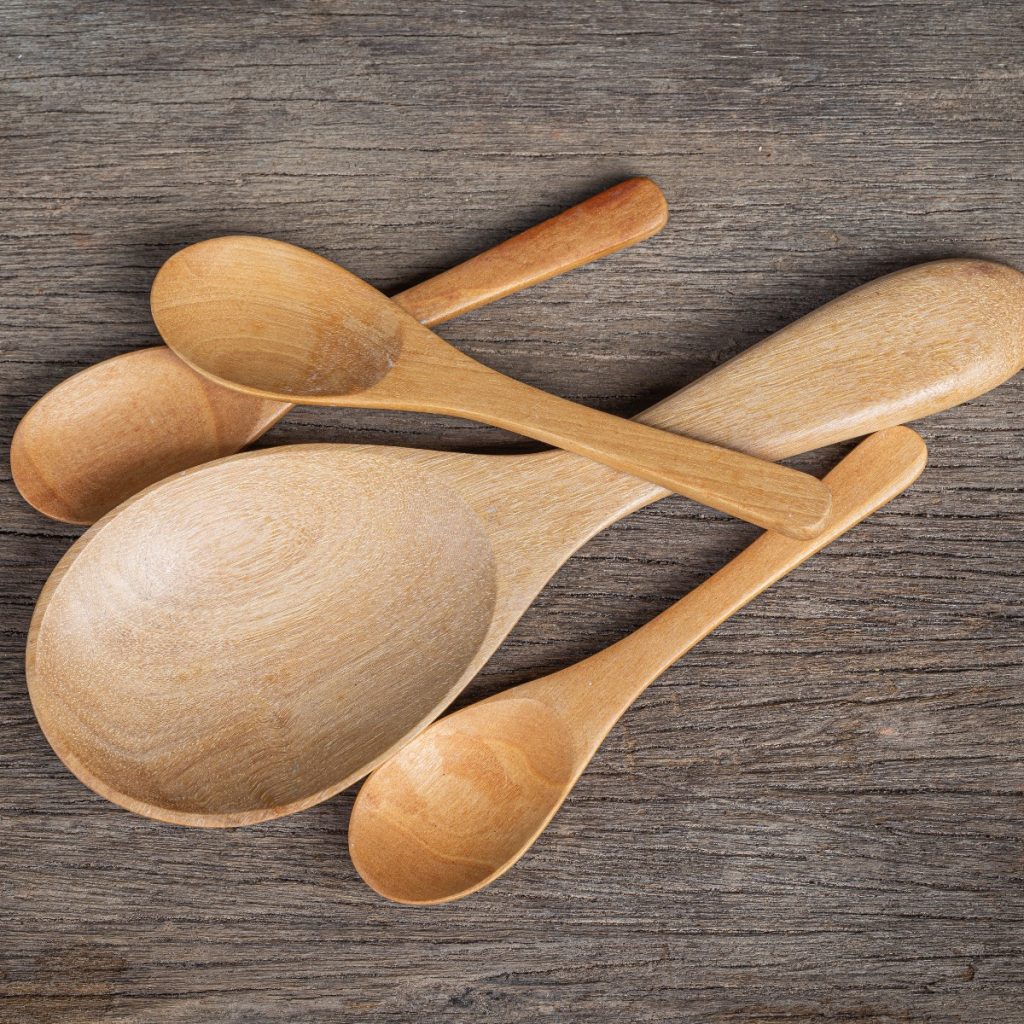
High-quality bamboo utensils are made from mature bamboo. This type is stronger and lasts longer. Look for utensils that are smooth and polished.
Check if the bamboo is natural and not chemically treated. Natural bamboo retains its strength and safety for cooking.
- Mature bamboo is more durable
- Smooth finish for comfort
- Natural bamboo is safer
Avoiding Low-grade Products
Low-grade bamboo utensils may splinter or crack. They often have rough edges that can harm cookware. Avoid these to protect your kitchen items.
Be cautious of utensils that are very lightweight. These may not be sturdy enough for regular use. They can break easily under pressure.
- Avoid utensils with rough edges
- Beware of very lightweight bamboo
- Check for signs of cracking
Credit: www.reluctantgourmet.com
Cleaning Bamboo Utensils
Bamboo utensils are great for cooking. They last long if you clean them well. Proper cleaning stops bacteria and keeps utensils safe.
Cleaning bamboo tools the right way helps keep their smooth surface. Avoid rough cleaning that can cause cracks or damage.
Handwashing Techniques
Wash bamboo utensils by hand using warm water and mild soap. Use a soft sponge or cloth to clean them gently.
Rinse the utensils well to remove all soap. Dry them with a clean towel or air dry upright to stop moisture buildup.
- Use warm, soapy water
- Clean with a soft sponge
- Rinse thoroughly
- Dry completely before storing
Avoiding Dishwasher Damage
Do not put bamboo utensils in the dishwasher. The heat and water can make them crack or warp.
Dishwashers also remove natural oils from bamboo. This causes the utensils to dry out and lose strength.
- Avoid hot water and strong detergents
- Skip dishwasher cleaning
- Handwash only to keep utensils safe
Maintaining Bamboo Tools
Bamboo utensils are strong and eco-friendly. Taking care of them helps them last longer.
Proper maintenance keeps bamboo tools clean and safe for cooking.
Oiling And Conditioning
Oiling bamboo utensils stops them from drying out and cracking. Use food-safe oils like mineral oil.
Apply oil regularly to keep the bamboo smooth and strong.
- Clean utensils before oiling
- Use a soft cloth to rub oil evenly
- Let oil soak in for a few hours
- Wipe off extra oil with a dry cloth
- Oil utensils every few weeks
Storage Tips To Prevent Warping
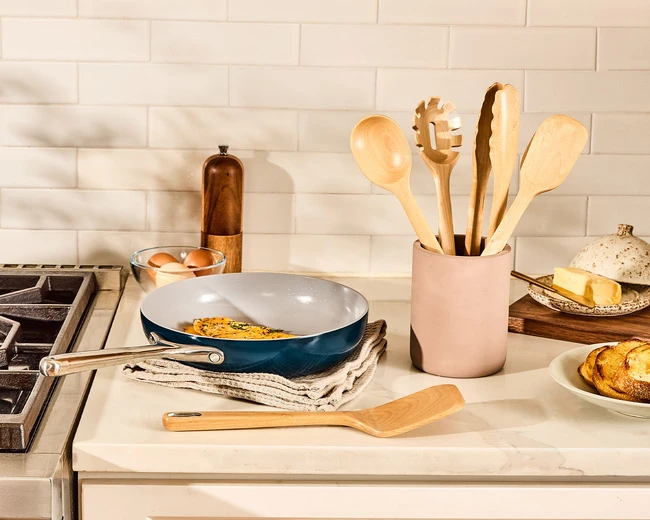
Keep bamboo utensils in a dry place away from heat. This stops them from bending or cracking.
Store them flat or upright to keep their shape. Avoid leaving them in water for long times.
- Store in a cool, dry spot
- Use utensil holders or drawers
- Do not soak in water
- Avoid placing near stoves or heaters
- Air dry completely before storing
Credit: www.carawayhome.com
Using Bamboo Utensils Safely
Bamboo utensils are a popular choice for cooking. They are light, natural, and gentle on cookware.
Using them safely helps your utensils last longer and keeps your food safe to eat.
Heat Resistance Limits
Bamboo can handle heat but only up to a certain point. Avoid using bamboo utensils on very hot pans.
High heat may cause bamboo to crack or burn, which can make it unsafe for cooking.
- Do not leave bamboo utensils in boiling water for long
- Keep bamboo tools away from direct flame
- Use bamboo utensils on low to medium heat settings
Handling Delicate Cookware
Bamboo utensils are soft and gentle, so they protect delicate cookware like non-stick pans.
Use bamboo tools to avoid scratches and damage to your pots and pans.
- Stir food gently to protect the pan’s surface
- Avoid scraping hard on cookware with bamboo utensils
- Clean bamboo utensils properly to keep them smooth and safe
Extending Lifespan Of Bamboo Utensils
Bamboo utensils are strong and eco-friendly. Taking care of them helps them last longer.
Simple habits can keep your bamboo cooking tools in good shape for years.
Repairing Minor Damage
Small cracks or splinters can appear on bamboo utensils. Fixing these early stops bigger problems.
Use fine sandpaper to smooth rough spots. Wipe the utensil clean after sanding.
- Apply food-safe mineral oil to the repaired area
- Let the oil soak in for a few hours
- Wipe off any extra oil before use
- Repeat this treatment once a month
When To Replace Your Utensils
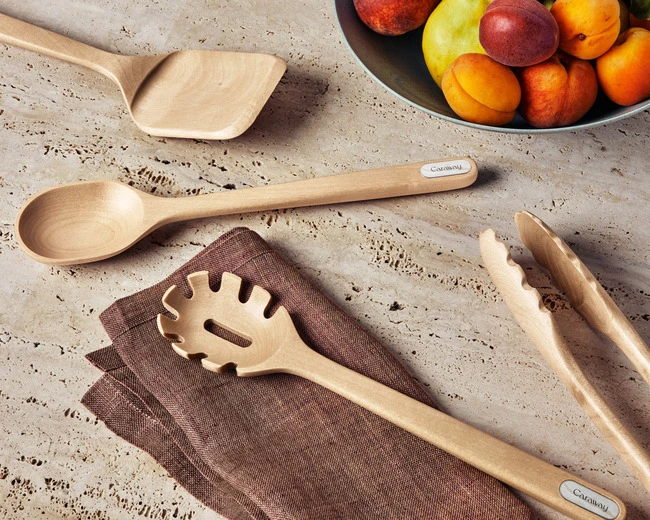
Replace bamboo utensils if cracks or splits go deep. These can hold bacteria and break easily.
Check for strong odors or stains that do not wash away. These signs mean it is time to get new utensils.
- Deep cracks or breaks in the wood
- Persistent stains or bad smells
- Loose or broken parts
- Warping or splintering that affects use
Credit: www.carawayhome.com
Environmental Benefits Of Bamboo Utensils
Bamboo utensils are a smart choice for the environment. They come from a fast-growing plant that needs little water.
Using bamboo helps reduce the use of plastic and other harmful materials in the kitchen.
Sustainability Aspects
Bamboo grows quickly and can be harvested without killing the plant. This makes it very sustainable.
It also absorbs carbon dioxide and releases oxygen, helping to clean the air.
- Bamboo regrows in 3-5 years.
- No need for pesticides or fertilizers.
- Helps prevent soil erosion.
- Biodegradable and compostable.
Reducing Plastic Waste In Kitchen
Plastic utensils are harmful to the environment. Bamboo utensils offer a natural alternative.
Using bamboo helps cut down plastic waste that often ends up in landfills and oceans.
- Bamboo utensils break down naturally over time.
- They do not release toxins like plastic.
- Reusable and durable for many uses.
- Reduce single-use plastic consumption.
Frequently Asked Questions
How Do I Clean Bamboo Utensils After Cooking?
Clean bamboo utensils with warm water and mild soap. Avoid soaking them to prevent cracking. Dry immediately with a towel to maintain durability.
Can Bamboo Utensils Be Used With Non-stick Cookware?
Yes, bamboo utensils are safe for non-stick cookware. They won’t scratch or damage the coating, preserving your pans longer.
How Often Should I Oil Bamboo Utensils?
Oil bamboo utensils monthly using food-safe mineral oil. This prevents drying and cracking, extending their lifespan and keeping them smooth.
Are Bamboo Utensils Heat-resistant For Cooking?
Bamboo utensils are heat-resistant up to moderate temperatures. Avoid direct flame or prolonged high heat to prevent warping or burning.
Conclusion
Bamboo utensils bring a natural touch to your kitchen. They are gentle on pots and easy to clean. Always dry them well to avoid cracks. Use mild soap and avoid soaking for long. With simple care, bamboo tools last a long time.
Enjoy cooking with these eco-friendly and safe utensils. Small changes make a big difference in your cooking. Try bamboo utensils and see the benefits yourself.