
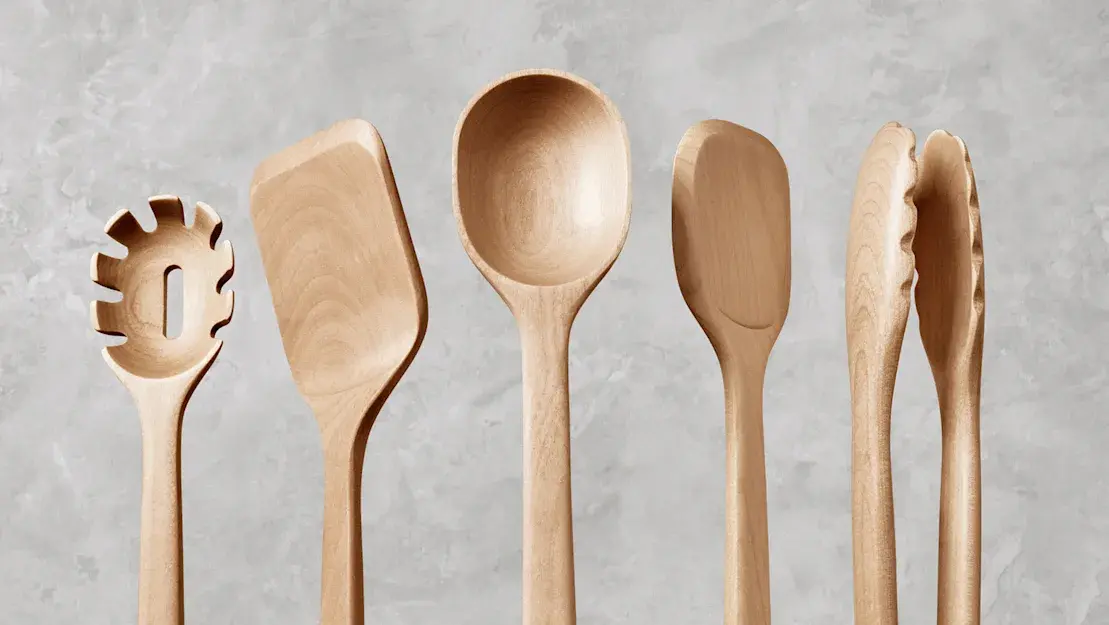
Are you ready to take your baking to the next level while being kind to the environment? Bamboo utensils are not only stylish but also practical tools that can transform your baking experience.
Using bamboo in your kitchen can help you bake more efficiently and keep your cookware safe. But do you know the best ways to use and care for these utensils? Keep reading, and you’ll discover simple tips that make your baking easier, cleaner, and more enjoyable.
Your kitchen—and your treats—will thank you!

Credit: themmluxe.com
Benefits Of Bamboo Utensils
Bamboo utensils are popular for baking because they offer many benefits. They are a smart choice for people who want safe and strong kitchen tools.
Using bamboo utensils can help the environment and make your baking easier. Let’s look at the main advantages of bamboo utensils.
Eco-friendly And Sustainable
Bamboo grows quickly and needs less water than other plants. It can be harvested without killing the plant, so it keeps growing.
- Bamboo is a renewable resource
- It reduces the need for plastic utensils
- Bamboo farming uses fewer chemicals
- It helps lower your carbon footprint
Durability And Heat Resistance
Bamboo utensils are strong and last a long time. They do not easily crack or break during baking tasks.
| Feature | Benefit |
| Hardness | Resists scratches and dents |
| Heat Resistance | Safe to use with hot ingredients |
| Lightweight | Easy to handle while baking |
Non-reactive And Safe For Food
Bamboo does not react with acidic or hot foods. This means it keeps your food’s taste pure and safe.
Here are reasons why bamboo is safe:
- No harmful chemicals
- Does not leach toxins
- Gentle on cookware surfaces
- Easy to clean and maintain
Credit: www.carawayhome.com
Choosing The Right Bamboo Utensils
Bamboo utensils are popular for baking because they are light and eco-friendly. Choosing the right ones helps you bake smoothly and safely.
This guide covers the types, sizes, shapes, and quality signs to watch for in bamboo utensils.
Types Of Bamboo Utensils For Baking
Bamboo utensils come in many styles. Some are better for mixing, others for spreading or measuring.
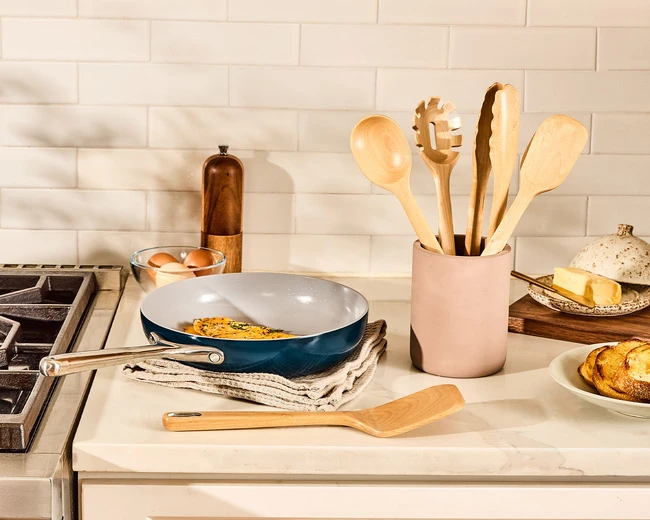
- Spatulas: Good for folding and scraping bowls.
- Spoons: Ideal for stirring batters and doughs.
- Whisks: Help mix ingredients evenly without metal parts.
- Rolling pins: Smooth and light for rolling dough.
- Measuring spoons: Accurate and easy to clean.
Size And Shape Considerations
Choose utensil sizes and shapes that fit your baking tasks. Small tools work well for detail jobs. Larger tools help with big batches.
| Utensil | Size | Best Use |
| Spatula | 6–10 inches | Mixing and folding |
| Spoon | 5–8 inches | Stirring and scooping |
| Whisk | 8–12 inches | Whipping and blending |
| Rolling Pin | 10–20 inches | Rolling dough flat |
| Measuring Spoon | Varies | Measuring ingredients |
Quality Indicators
Look for smooth surfaces without cracks or splinters. Good bamboo utensils feel sturdy and well-made.
- Check for a natural finish, not painted or coated with chemicals.
- Ensure the utensil is light but strong.
- Test that the handle fits well in your hand.
- Look for utensils that are easy to clean and dry quickly.
Preparing Bamboo Utensils For Use
Bamboo utensils are great for baking. They are light and gentle on cookware. Before using them, you need to prepare them properly.
Proper preparation helps your bamboo tools last longer. It also keeps your food safe and tasty.
Cleaning Before First Use
Wash bamboo utensils with warm water and mild soap. This removes dust and factory residue. Do not soak them too long.
After washing, dry them with a clean towel. Let them air dry fully before storing. This prevents mold and cracks.
Seasoning Tips
Seasoning bamboo utensils keeps them smooth and strong. Rub a thin layer of food-safe oil on each tool.
Use oils like mineral oil, coconut oil, or walnut oil. Avoid cooking oils that can go rancid. Let the oil soak in for a few hours.
- Apply oil regularly, especially after cleaning
- Do not use too much oil at once
- Season before first use and monthly after
Avoiding Common Mistakes
Do not put bamboo utensils in the dishwasher. The heat and water can damage them. Hand wash only.
Avoid soaking bamboo tools in water for a long time. This causes swelling and cracking. Dry them well after washing.
- Never use harsh chemicals or bleach
- Do not expose bamboo to extreme heat
- Keep utensils away from direct sunlight
Using Bamboo Utensils Effectively
Bamboo utensils are a great tool for baking. They are light, durable, and gentle on cookware.
Using them correctly helps you mix, stir, and handle dough with ease.
Mixing And Stirring Techniques
Use bamboo spoons or spatulas to mix ingredients smoothly. Their shape helps reach the bowl’s edges well.
- Stir gently to avoid splashing
- Use a folding motion to keep air in batters
- Scrape sides often for even mixing
- Choose flat spatulas for scraping bowls
Handling Dough And Batter
Bamboo utensils give good control when working with sticky dough or thick batter. Their smooth finish stops dough from sticking too much.
| Utensil Type | Best Use |
| Bamboo Spoon | Mixing wet and dry ingredients |
| Bamboo Spatula | Folding batter gently |
| Bamboo Dough Scraper | Handling and cutting dough |
Avoiding Damage During Use
Bamboo is strong but can crack or splinter if used roughly. Use these tips to keep utensils safe.
- Do not use bamboo on very hot surfaces
- Avoid sharp cutting or prying with bamboo tools
- Hand wash with mild soap; avoid soaking
- Dry utensils immediately after washing
- Sand rough spots gently to prevent splinters
Cleaning And Maintenance
Bamboo utensils are strong and eco-friendly tools for baking. Keeping them clean helps maintain their quality and safety.
Proper care extends the life of your bamboo tools and keeps them looking good for years.
Proper Washing Methods
Wash bamboo utensils by hand using warm water and mild soap. Avoid soaking them for long times to stop cracking.
- Use a soft sponge or cloth to clean gently.
- Do not use harsh detergents or bleach.
- Rinse well to remove all soap residue.
- Never put bamboo utensils in the dishwasher.
Drying And Storage Tips
Dry bamboo utensils quickly after washing. Use a clean towel and air dry fully before storing.
| Storage Method | Benefits |
|---|---|
| Keep in a dry, ventilated place | Prevents mold and warping |
| Store upright in a utensil holder | Keeps shape and avoids damage |
| Avoid sealed containers with moisture | Stops mildew growth |
Extending The Lifespan
Oiling bamboo utensils helps keep them smooth and strong. Use food-safe mineral oil or beeswax once a month.
- Apply a small amount of oil with a cloth.
- Let the oil soak in for several hours or overnight.
- Wipe off any extra oil before use.
- Keep utensils away from extreme heat or direct sunlight.
Credit: www.carawayhome.com
Troubleshooting Common Issues
Bamboo utensils are popular for baking because they are natural and gentle on cookware. Still, they can have problems like stains, odors, cracks, and splinters.
Knowing how to fix these issues helps you keep your bamboo tools safe and useful for a long time.
Removing Stains And Odors
Bamboo can absorb colors and smells from food. This makes your utensils look dirty or smell bad. To clean them well, try simple home remedies.
- Use lemon juice or vinegar to scrub stains gently.
- Soak utensils in a baking soda and water mix for 15 minutes.
- Rinse with warm water and dry immediately to stop odors.
- Never leave bamboo soaking too long; it can weaken the wood.
Dealing With Cracks And Splinters
Cracks and splinters can happen if bamboo dries out or is used roughly. These can hurt your hands and spoil your baking tools.
| Cause | Solution |
|---|---|
| Drying out | Oil bamboo regularly with food-safe oil like mineral oil |
| Rough cleaning | Use soft sponges, avoid harsh scrubbing pads |
| High heat exposure | Keep away from open flames and hot oven surfaces |
| Age and wear | Inspect often and replace if damage is severe |
When To Replace Bamboo Utensils
Knowing when to throw away old bamboo tools keeps your kitchen safe and clean. Some signs mean you need new utensils.
- Deep cracks that trap food and are hard to clean
- Large splinters that break off easily
- Persistent odors even after cleaning
- Warped or weakened bamboo that bends easily
Frequently Asked Questions
What Are The Benefits Of Using Bamboo Utensils For Baking?
Bamboo utensils are eco-friendly, lightweight, and durable. They resist heat well and won’t scratch your bakeware. Bamboo also absorbs less odor and moisture, making them hygienic and long-lasting for baking tasks.
How Do I Clean Bamboo Utensils After Baking?
Clean bamboo utensils with warm soapy water immediately after use. Avoid soaking them for long to prevent cracking. Dry thoroughly with a towel and air dry to maintain their shape and durability.
Can Bamboo Utensils Handle High Baking Temperatures?
Bamboo utensils can handle moderate heat but should not be exposed directly to open flames. They are safe for mixing and stirring batter but avoid using them in very hot ovens.
Are Bamboo Utensils Safe For Non-stick Bakeware?
Yes, bamboo utensils are gentle and won’t scratch non-stick surfaces. Their smooth texture protects your bakeware while mixing, folding, or scraping batter, preserving your pans’ coating.
Conclusion
Bamboo utensils make baking easy and eco-friendly. They’re durable and lightweight. Cleaning them is simple. Just wash with mild soap and water. Bamboo is safe for all cookware. It won’t scratch your baking tools. Plus, it looks stylish in any kitchen.
Baking becomes more enjoyable with natural materials. Next time you bake, try bamboo utensils. You’ll love their feel and function. Embrace a greener choice in your kitchen. Happy baking!