
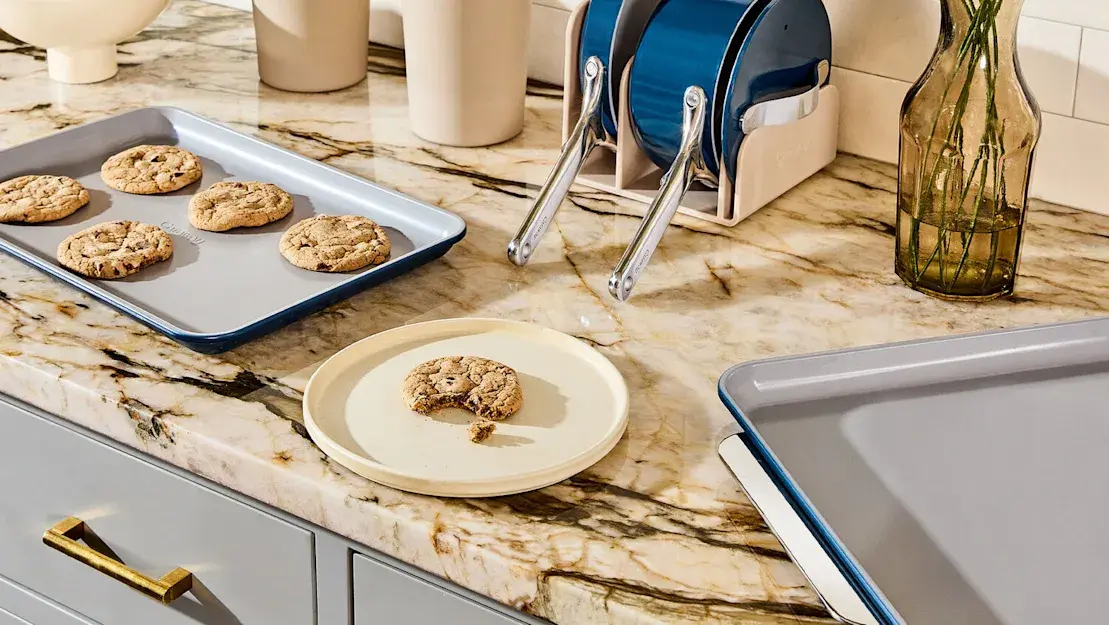
Are you tired of your cookies sticking or your veggies burning on the baking sheet? Using baking sheets might seem simple, but a few smart tips can make a big difference in your cooking results.
Whether you’re a beginner or just looking to improve your kitchen skills, these tips will help you get the most out of your baking sheets every time. Keep reading to discover easy tricks that save you time, prevent messes, and bring out the best flavors in your favorite recipes.
Your baking game is about to get a serious upgrade!
Credit: www.tasteofhome.com
Choosing The Right Baking Sheet
Baking sheets come in many types and sizes. Picking the right one helps you bake better.
Think about what you usually bake and how often you use the sheet. This will guide your choice.
Material Matters
Baking sheets are made from different materials. Each type has its own benefits and care needs.
- Aluminum heats quickly and spreads heat evenly.
- Stainless steel is strong but heats slower.
- Non-stick sheets prevent food from sticking but may scratch easily.
- Silicone baking mats are flexible and easy to clean.
Size And Shape Considerations
Choose a size that fits your oven and baking needs. Some shapes suit certain recipes better.
| Size | Use | Fits In |
| Half Sheet (13×18 inches) | Everyday baking and roasting | Most home ovens |
| Quarter Sheet (9×13 inches) | Small batches and snacks | Small ovens or toaster ovens |
| Jelly Roll Pan (10×15 inches) | Thin cakes and rolls | Most ovens |
Non-stick Vs. Traditional
Non-stick sheets make cleaning easier. Traditional sheets need oil or parchment to stop sticking.
- Non-stick sheets are good for sticky cookies or delicate items.
- Traditional sheets are more durable and can handle high heat.
- Use parchment paper with traditional sheets to avoid food sticking.
- Avoid metal tools on non-stick surfaces to prevent damage.

Credit: learn.surlatable.com
Preparing Your Baking Sheet
Preparing your baking sheet well helps your food cook evenly. It also stops food from sticking or burning.
Use simple tools and tricks to get your baking sheet ready before you start baking.
Greasing Techniques
Greasing your baking sheet prevents food from sticking. Use oils, butter, or sprays for this job.
Spread the grease evenly over the surface. Use a paper towel or brush to cover all areas.
- Use a thin layer of vegetable oil or melted butter
- Apply with a pastry brush or paper towel
- Cover corners and edges well
- Avoid too much grease to prevent smoking
Using Parchment Paper
Parchment paper is a great way to keep food from sticking. It also makes cleanup easier.
Cut the paper to fit your baking sheet. Make sure it lies flat with no wrinkles.
- Use unbleached parchment paper for best results
- Place it shiny side up for better non-stick
- Do not reuse parchment paper to avoid burning
- Works well for cookies, roasting, and baking
Aluminum Foil Hacks
Aluminum foil can line your baking sheet for easy cleanup. It also helps protect the pan.
Use foil with the shiny side facing up for better heat reflection. Lightly grease foil to stop sticking.
- Fold edges to fit the baking sheet snugly
- Grease foil if baking sticky foods
- Use heavy-duty foil for roasting or grilling
- Foil can also be shaped to create makeshift pans
Temperature Control Tips
Controlling temperature is key for baking success. Baking sheets need special care with heat.
Using the right temperature helps food cook evenly and avoids burning.
Preheating Importance
Always preheat your oven before placing baking sheets inside. This step prepares the sheet for even cooking.
Placing a cold baking sheet in a hot oven can cause uneven cooking or sticking.
Adjusting For Dark Vs. Light Sheets
Dark baking sheets absorb heat faster and can burn food. Lower the oven temperature by 25°F to prevent this.
Light-colored sheets reflect heat and cook food more slowly. Use the recipe temperature as is or increase slightly if needed.
- Dark sheets: reduce temperature by 25°F
- Light sheets: use recipe temperature
- Watch food closely to avoid burning or undercooking
Maximizing Even Baking
Using baking sheets correctly helps cook your food evenly. Small changes can improve your baking results.
Understanding spacing and rotating your sheets keeps heat balanced. This avoids uneven cooking or burning.
Spacing And Arrangement
Leave space between items on the baking sheet. Crowding traps steam and slows cooking.
Arrange food in a single layer for consistent heat exposure. Overlapping causes some parts to stay raw.
- Keep at least 1 inch of space between items
- Use multiple sheets instead of crowding one
- Place larger items with enough room to spread heat
Rotating For Uniformity
Rotate your baking sheets halfway through cooking. This helps all sides bake evenly.
Switch the position of trays if using multiple racks. Ovens can have hot spots that cause uneven baking.
- Turn sheets 180 degrees at the baking midpoint
- Move top trays to the bottom and vice versa
- Check for even browning before finishing
Cleaning And Maintenance
Keeping your baking sheets clean helps them last longer. Proper care stops damage and keeps food safe.
Learn simple tips to avoid warping, remove stains, and store your baking sheets correctly.
Avoiding Warping
Warping happens when baking sheets bend or twist. This can make them hard to use and cook food unevenly.
To keep your sheets flat, avoid sudden temperature changes. Let them cool before washing or putting in the fridge.
- Do not put hot sheets under cold water
- Use moderate oven temperatures
- Place sheets on flat racks when cooling
Removing Stubborn Stains
Stains can build up from burnt food or grease. Removing them keeps baking sheets clean and ready to use.
Use simple home ingredients to clean tough spots without harming the surface.
- Mix baking soda and water into a paste
- Apply the paste on stains and let it sit 30 minutes
- Scrub gently with a soft sponge
- Rinse with warm water and dry well
Proper Storage Methods
Storing baking sheets correctly helps keep their shape and finish. It also saves space in your kitchen.
Stack sheets with protection between them to avoid scratches and dents.
- Place a paper towel or cloth between stacked sheets
- Store sheets flat in a dry area
- Keep them away from heavy items that can cause bending
Credit: www.carawayhome.com
Creative Uses Beyond Baking
Baking sheets are not just for cookies and cakes. You can use them in many ways to make cooking easier.
These flat trays help with roasting, meal prep, and even freezing food. Let’s explore some creative ideas.
Roasting Vegetables
Baking sheets give vegetables plenty of space to roast evenly. The flat surface helps heat reach all sides.
Spread vegetables in a single layer for the best results. This helps them cook faster and get crispy edges.
- Cut vegetables into similar sizes for even cooking
- Use olive oil and season with salt and pepper
- Stir vegetables halfway through cooking
- Try roasting carrots, broccoli, or bell peppers
Making One-pan Meals
Baking sheets are great for one-pan meals. You can cook proteins and vegetables together on one tray.
This method saves time and makes cleanup easier. Just arrange all ingredients on the sheet and roast.
- Place chicken, fish, or tofu in the center
- Surround with chopped vegetables
- Season everything well before cooking
- Check food for doneness to avoid overcooking
Freezing And Storage Solutions
Baking sheets help with freezing food in small portions. Use them to freeze fruits, veggies, or dough.
Freeze items flat on the sheet first. Then transfer them to bags or containers for long-term storage.
- Freeze berries or chopped herbs on a baking sheet
- Place cookie dough balls spaced apart before freezing
- Freeze cooked rice or pasta in single portions
- Use parchment paper to prevent sticking
Frequently Asked Questions
What Is The Best Material For Baking Sheets?
Aluminum and stainless steel are top choices for baking sheets. Aluminum heats evenly and cooks faster, while stainless steel offers durability and easy maintenance. Both materials prevent sticking and promote browning, enhancing your baking results.
How Do I Prevent Food From Sticking To Baking Sheets?
To prevent sticking, lightly grease your baking sheet or use parchment paper. Silicone baking mats also work well. These methods create a non-stick surface, making cleanup easier and preserving your baked goods’ shape.
Can I Use Baking Sheets For Roasting Vegetables?
Yes, baking sheets are excellent for roasting vegetables. Spread veggies evenly in a single layer for even cooking. The flat surface allows heat to circulate, resulting in crispy edges and delicious flavors.
How Do I Clean And Maintain My Baking Sheets?
Clean baking sheets with warm, soapy water and a soft sponge. Avoid abrasive cleaners that can damage the surface. For tough stains, soak sheets before scrubbing. Proper care extends the life of your baking sheets and maintains performance.
Conclusion
Baking sheets make cooking easier and faster. Use them with care to avoid sticking or burning. Always clean them well after use. Choose the right size for your recipe. Avoid overcrowding to cook food evenly. Small tips can improve your baking results.
Enjoy cooking with your baking sheets every day. Simple steps lead to better meals and less stress. Keep practicing to feel more confident in the kitchen.