

If you love frying your favorite foods, using an induction cooktop can change the way you cook—but only if you know the right tips. You might wonder how to get that perfect crispy texture without burning or sticking.
The good news? With a few simple tricks, your frying game will improve instantly. Keep reading to discover easy and effective ways to make the most of your induction cooktop every time you fry. Your kitchen will thank you!
Choosing The Right Cookware
Using the right cookware is key to frying well on an induction cooktop. Not all pans work with induction technology.
Choosing the correct pan helps heat food evenly and keeps cooking safe and easy.
Material Considerations
Induction cooktops use magnets to heat pans. Cookware must be magnetic to work.
Cast iron and stainless steel pans usually work best. Aluminum or copper pans need a magnetic base.
- Cast iron heats evenly and keeps heat well.
- Stainless steel is durable and easy to clean.
- Look for cookware labeled “induction compatible.”
- A magnet test can check if a pan works.
Size And Shape Matters
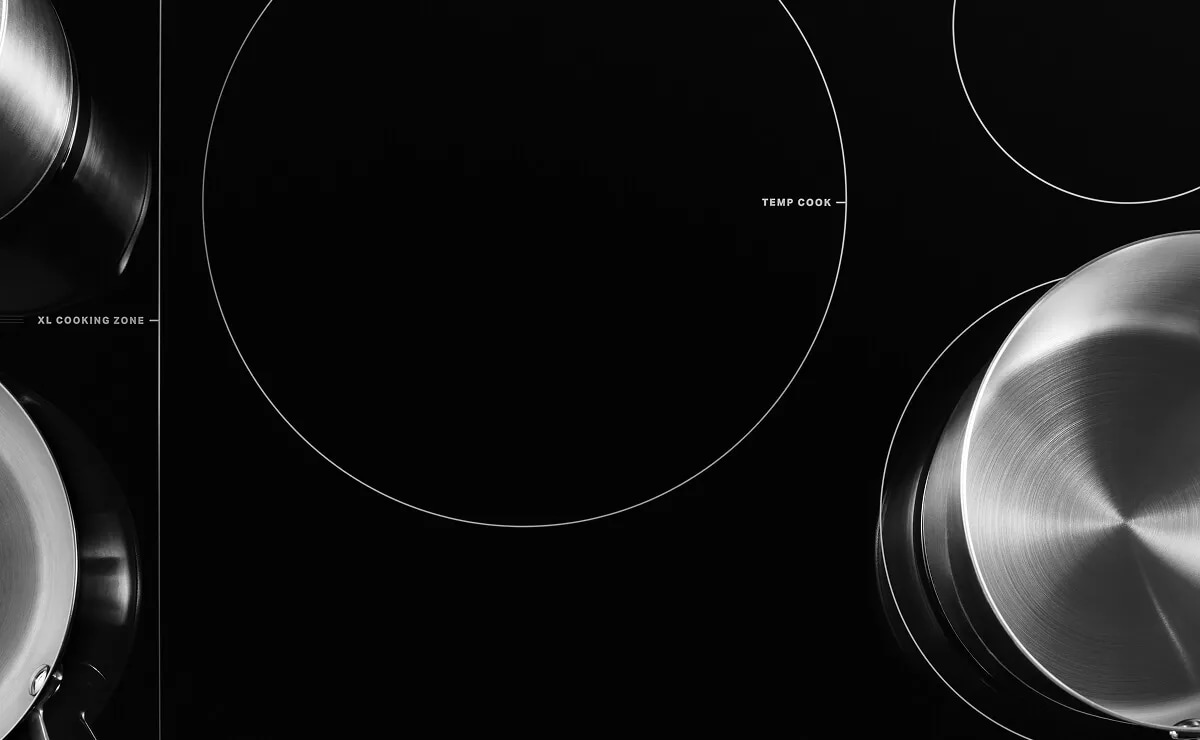
Choose a pan size that matches your cooktop’s burner size. This helps heat food evenly.
Flat-bottom pans work best on induction surfaces. Curved or warped bottoms reduce contact and heat.
- Use pans with flat, smooth bottoms.
- Pick a pan size that fits the burner well.
- Wide pans hold more oil for frying.
- Deep sides help prevent oil splashes.
Credit: www.maytag.com
Setting Optimal Temperature
Using the right temperature on your induction cooktop is key for good frying results. Too high heat can burn food. Too low heat makes it greasy and soggy.
Controlling temperature helps you cook evenly and save energy. Let’s look at tips for temperature control and preheating.
Temperature Control Tips
Induction cooktops heat fast and offer precise control. Use these tips to keep temperature right for frying.
- Start with medium heat to warm oil slowly.
- Adjust heat between medium and medium-high as needed.
- Use a thermometer to check oil temperature for best results.
- Avoid setting the cooktop to maximum heat to prevent burning.
- Lower heat if food cooks too fast on the outside but stays raw inside.
Preheating Techniques
Preheating your induction cooktop and oil properly ensures even frying and crisp food.
| Preheat Stage | Action | Time |
| Cooktop | Turn on to medium heat | 2 to 3 minutes |
| Oil | Heat until it shimmers or reaches 350°F (175°C) | 3 to 5 minutes |
| Test | Drop a small piece of food to check sizzling | Instant |
Oil Selection And Usage
Choosing the right oil matters when frying on an induction cooktop. The oil must handle high heat without burning.
Using the correct amount of oil keeps food crispy and safe to cook.
Best Oils For Frying
Pick oils with high smoke points to avoid burning and bad flavors. Oils like avocado, peanut, and sunflower work well.
- Avocado oil – smoke point about 520°F (271°C)
- Peanut oil – smoke point about 450°F (232°C)
- Sunflower oil – smoke point about 440°F (227°C)
- Canola oil – smoke point about 400°F (204°C)
- Light olive oil – smoke point about 465°F (240°C)
Managing Oil Quantity
Use just enough oil to cover the pan bottom. Too much oil wastes ingredients and causes splatter.
| Oil Amount | Frying Type |
| 1-2 tablespoons | Shallow frying small items |
| Enough to cover food | Deep frying |
| Light coating | Pan frying or sautéing |
Prepping Ingredients For Frying
Preparing ingredients properly helps achieve better frying results on an induction cooktop. Good prep saves time and keeps food crisp.
Focus on cutting ingredients evenly and managing moisture. These steps ensure even cooking and prevent oil splatters.
Cutting And Sizing
Cut ingredients into similar sizes to cook evenly on your induction cooktop. Uneven pieces can burn or stay raw.
- Slice vegetables into uniform pieces
- Cut meat into even strips or cubes
- Keep thinner slices for quick frying
- Use a sharp knife to avoid crushing food
Moisture Management
Dry ingredients fry better. Excess water causes oil to splatter and lowers the oil temperature.
| Ingredient | Drying Method |
| Leafy greens | Use a salad spinner |
| Meat pieces | Pat dry with paper towels |
| Vegetables | Wipe with a clean cloth |
Frying Techniques
Frying on an induction cooktop needs some special care. The heat changes fast and is very even.
Good frying techniques help you get crispy and tasty results every time.
Batch Frying
Cook food in small batches to keep the oil temperature steady. Crowding the pan lowers the heat and makes food soggy.
- Fry a few pieces at a time
- Let the oil return to the right heat before adding more
- Use a timer to avoid overcooking
- Drain fried food on paper towels to remove extra oil
Maintaining Even Cooking
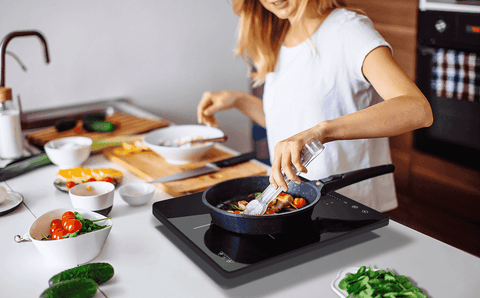
Keep the cooking temperature steady for even frying. Induction cooktops heat quickly, so adjust the power as needed.
| Tip | How to do it |
| Set Correct Heat | Use medium to medium-high heat, not max power |
| Use a Heavy Pan | Choose pans with flat bottoms for even heat |
| Preheat Oil | Wait until oil reaches the right temperature before frying |
| Stir or Flip Food | Turn food regularly to cook all sides evenly |
Credit: www.ciarraappliances.com
Safety Precautions
Using an induction cooktop for frying is quick and efficient. It is important to follow safety rules to avoid accidents.
Induction cooktops heat up fast. This means you must be careful with hot oil and other hazards.
Handling Hot Oil
Hot oil can cause serious burns. Always handle it with care and use proper tools.
Keep a close eye on the oil temperature. Use a thermometer if possible to avoid overheating.
- Use a deep pan with high sides to reduce splashing
- Do not fill the pan more than half full of oil
- Use long-handled utensils to keep hands away from hot oil
- Turn off the cooktop before moving the pan
- Keep a lid nearby to cover the pan in case of fire
Avoiding Common Hazards
Frying on an induction cooktop has some risks. Avoid common hazards to stay safe.
Stay alert and keep your cooking area clean. This lowers the chance of accidents and fires.
- Keep flammable items away from the cooktop
- Do not leave cooking oil unattended
- Use cookware that is flat-bottomed and induction compatible
- Clean spills immediately to prevent slipping
- Have a fire extinguisher rated for grease fires nearby
Post-frying Care
Taking care of your induction cooktop after frying keeps it working well. Proper care helps keep the surface clean and safe for future use.
Follow simple steps to clean the cooktop and store leftover oil safely. This helps maintain your kitchen’s hygiene and your cooktop’s life.
Cleaning The Cooktop
Wait for the cooktop to cool before cleaning. Use a soft cloth and mild cleaner to avoid scratches.
Do not use abrasive pads or harsh chemicals. They can damage the glass surface of the cooktop.
- Wipe spills immediately after cooling
- Use a special induction cooktop cleaner if available
- Dry the surface with a soft cloth
- Clean control buttons gently
Storing Leftover Oil
Filter leftover oil to remove food particles. Store it in a clean, airtight container.
Keep the container in a cool, dark place to prevent the oil from going bad. Label it with the date for future use.
- Use a fine mesh strainer or cheesecloth to filter oil
- Choose a glass or metal container for storage
- Seal tightly to avoid air exposure
- Discard oil if it smells bad or looks cloudy

Credit: www.nuwavenow.com
Frequently Asked Questions
How Do I Adjust Heat Settings For Frying On Induction Cooktops?
Use medium to high heat for frying on an induction cooktop. Start at medium heat and increase gradually to avoid burning. Induction cooktops heat quickly, so monitor closely for optimal frying results and energy efficiency.
What Cookware Works Best For Frying On Induction Cooktops?
Choose flat-bottomed, magnetic cookware like cast iron or stainless steel. These materials ensure proper heat transfer on induction cooktops. Avoid aluminum or copper pans without magnetic bases for effective frying.
Can I Use Oil Directly On An Induction Cooktop?
No, never pour oil directly onto the cooktop surface. Always use a frying pan or skillet to contain the oil. Direct oil contact can damage the cooktop and create safety hazards.
How To Prevent Food From Sticking During Frying On Induction?
Preheat the pan properly before adding oil to reduce sticking. Use enough oil to create a non-stick layer. Avoid overcrowding the pan and maintain consistent heat for best results.
Conclusion
Frying on an induction cooktop needs some care and attention. Use the right pan and set the correct temperature. Keep an eye on your food to avoid burning. Clean the cooktop regularly to keep it working well. Small steps make frying safer and tastier.
Enjoy cooking with your induction cooktop every time.